Fibronexa
Fibronexa
Fibronexa
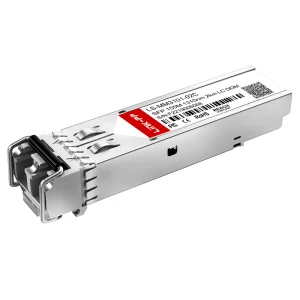
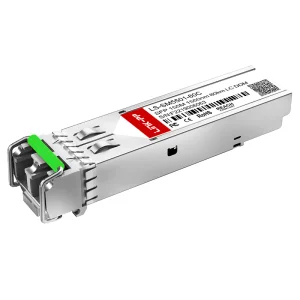
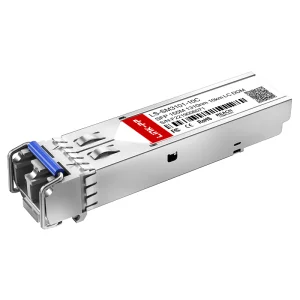
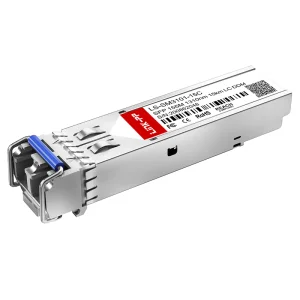
Explore our premium selection of 155M optical transceivers, designed for long-term stability, critical network redundancy, and seamless brand compatibility.
In an era dominated by Terabit ethernet and hyperscale optical developments, the demand for 155Mbps and 622Mbps SFP (Small Form-factor Pluggable) optical transceivers remains critical. These speeds, representing the core bandwidth metrics of STM-1/OC-3 and STM-4/OC-12 standards, serve as the technical lifeblood for specialized network architectures globally. These infrastructures include legacy SDH/SONET transport layers, metropolitan utility telemetry, subway signaling systems, and industrial automation networks where deterministic latency and absolute jitter control take precedence over raw speed.
For network operators managing critical control boards (such as Moxa Industrial Ethernet switches or Hirschmann EEC networks), upgrading to gigabit or 10G interfaces often introduces unnecessary jitter, power overhead, and compatibility degradation. Maintaining 155M and 622M transceivers with advanced multi-vendor firmware options guarantees continuous operation without high infrastructure reinvestment costs.
Based in China's optical manufacturing cluster, Fibronexa combines scalable manufacturing with deep engineering capability to deliver zero-defect optical transceivers.
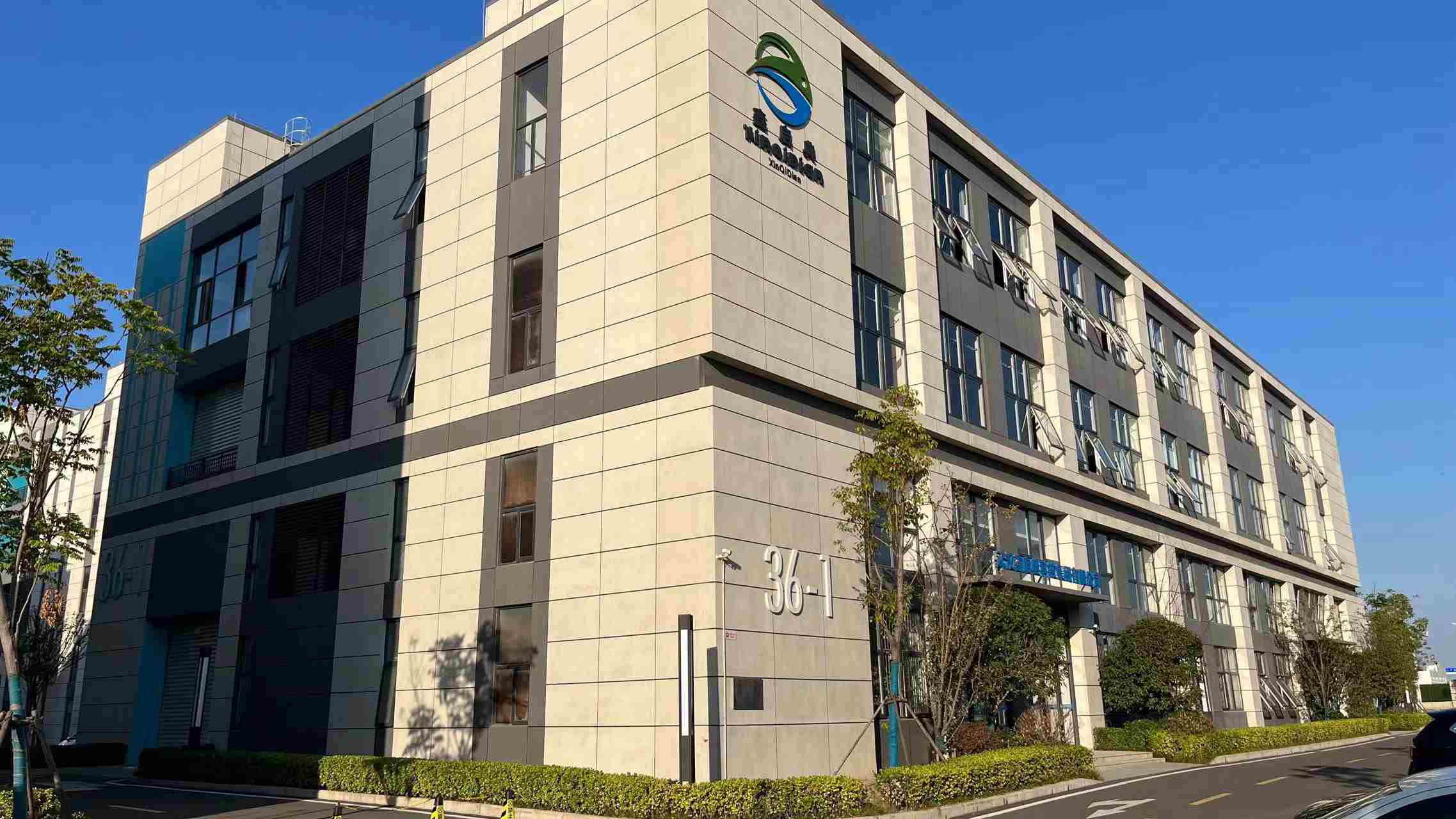
Established in 2016, Fibronexa Communications Co., Ltd. has grown to become a leading OEM/ODM optical transceiver manufacturer and global exporter. From our modern 320m² precision assembly cleanroom, we manage structural supply lines and build high-quality modules for global markets. We generate over USD 12 million in annual export revenues, serving telecommunication operators, system integrators, and industrial network providers in Europe, North America, and the Asia-Pacific region.
With over 10 years of technology experience, Fibronexa ensures high performance across all products. Every 155M/622M SFP transceiver goes through thorough automated optical testing (AOT) and bit error rate (BER) validation. Our quality control team includes 45 dedicated specialists who manage strict screening protocols, including temperature chambers (operating from -40°C to 85°C for industrial-grade parts) and real-time optical power inspections. This process achieves a field return rate (RMA) of under 0.05%.
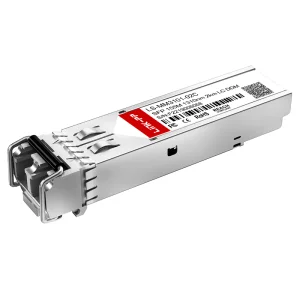
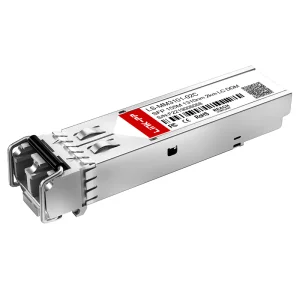
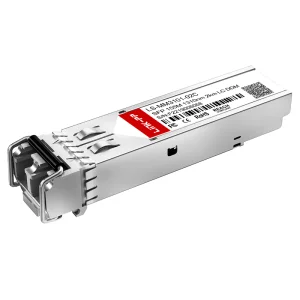
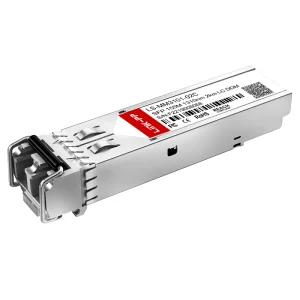
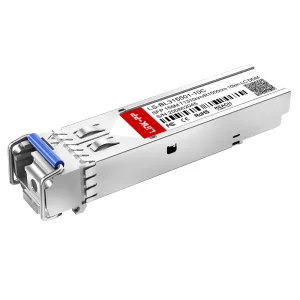
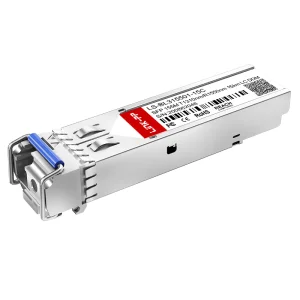
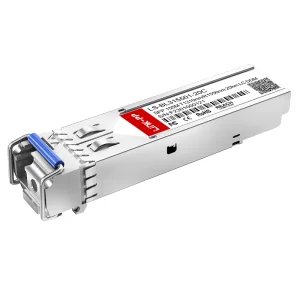
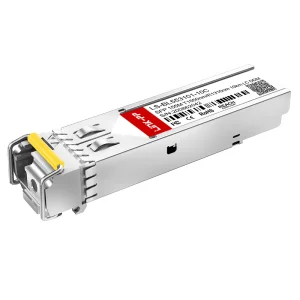
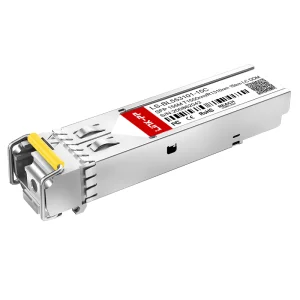
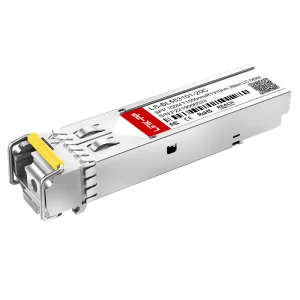
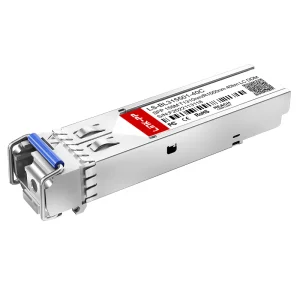
Supported by 85 R&D engineers, we released 120 new products over the past year. We specialize in custom solutions for wavelength configurations, transmission distances up to 80km (ZX), and custom compatibility profiles. Whether you need a standard MMF 1310nm 2km module or a simplex Bidi SMF transceiver with DDM (Digital Diagnostics Monitoring) capability, our engineering team ensures direct, out-of-the-box compatibility with your hardware.
Our modules are engineered to meet Multi-Source Agreement (MSA) specifications, ensuring broad physical, electrical, and optical compatibility.
Designed to comply with SFF-8472 and INF-8074i specifications. This ensures correct fitment, electrical pin assignment, and software register structure in any standard-compliant host platform.
Real-time optical diagnostic monitoring parameters. Tracks TX/RX power levels, internal operating temperature, bias current, and supply voltage to prevent unexpected outages.
Available in Commercial (0°C to 70°C), Extended (-20°C to 85°C), and Industrial (-40°C to 85°C) temperature grades. Designed with robust housing for high-vibration applications.
How industries deploy these modules to optimize performance, manage latency, and extend the lifespan of existing infrastructure.
Smart grids depend on continuous telemetry to manage power distribution safely. Utility operators use Moxa and Hirschmann compatible SFPs to connect RTUs (Remote Terminal Units) across wind farms, solar arrays, and high-voltage substations. These setups require industrial-grade components because outdoor cabinets face extreme temperatures. The 155M SFP module provides the reliable connection needed for IEC 61850 control systems without causing network packet drops.
Modern rail systems require highly dependable data networks. Trackside signal controls, CBTC (Communications-Based Train Control), and passenger safety systems rely on 155M or 622M optical fiber links. Because subway tunnels and train stations experience high electromagnetic interference (EMI) from traction power lines, fiber-optic SFPs are essential for isolating signals. Single-mode Bidi transceivers (transmitting over a single fiber) allow transit agencies to double their network capacity without laying new fiber cables.
Offshore operations face high moisture, saline atmosphere, and mechanical vibrations. Standard commercial network devices are not suitable for these conditions. Using ruggedized, low-power-consumption 155M transceivers ensures that sensor arrays, pressure meters, and voice networks communicate back to base stations over distances of up to 80km (ZX single-mode SFP) without overheating inside sealed enclosures.
Our manufacturing facilities combine structured material management with automated production systems to deliver reliable products worldwide.

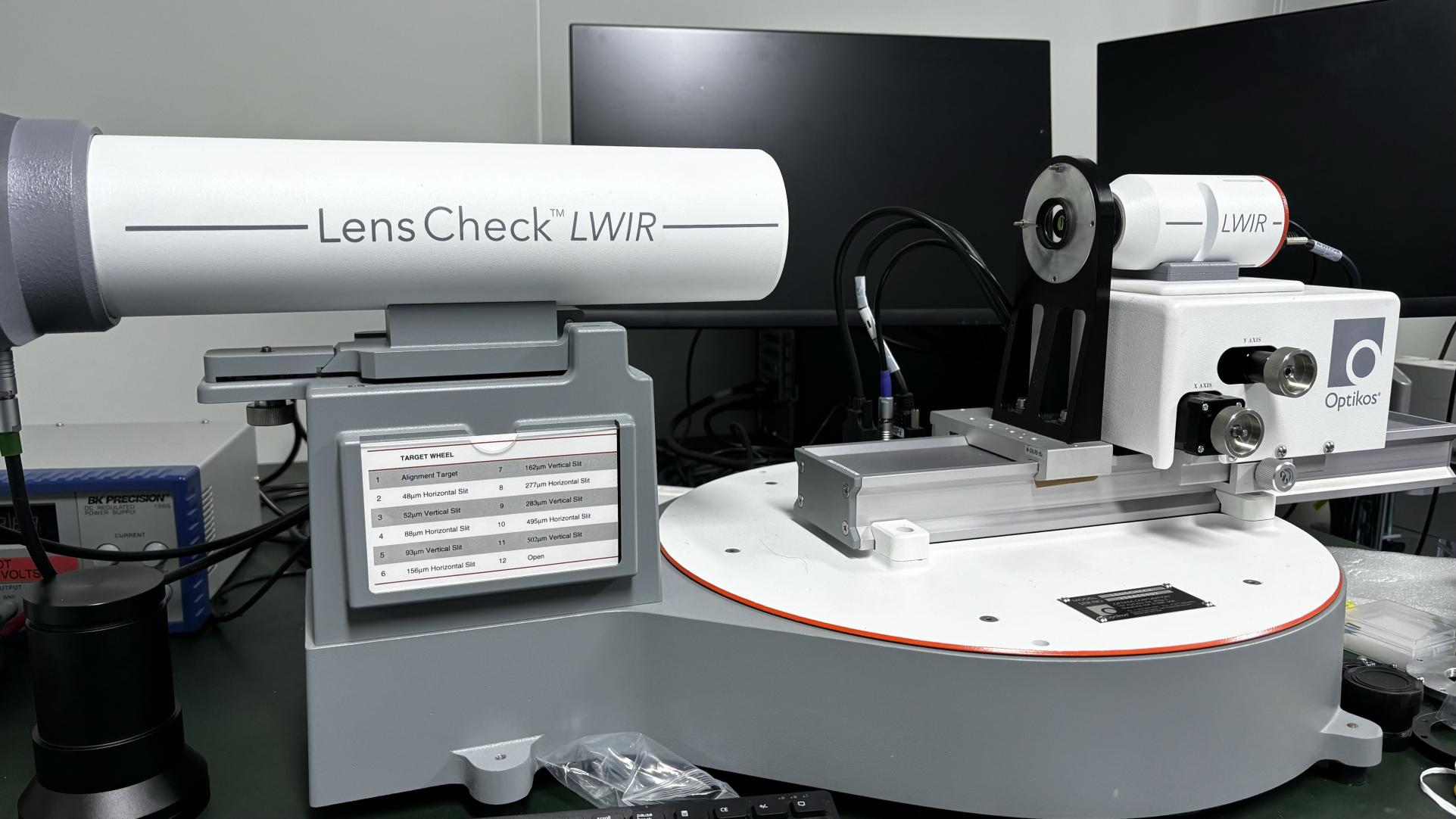
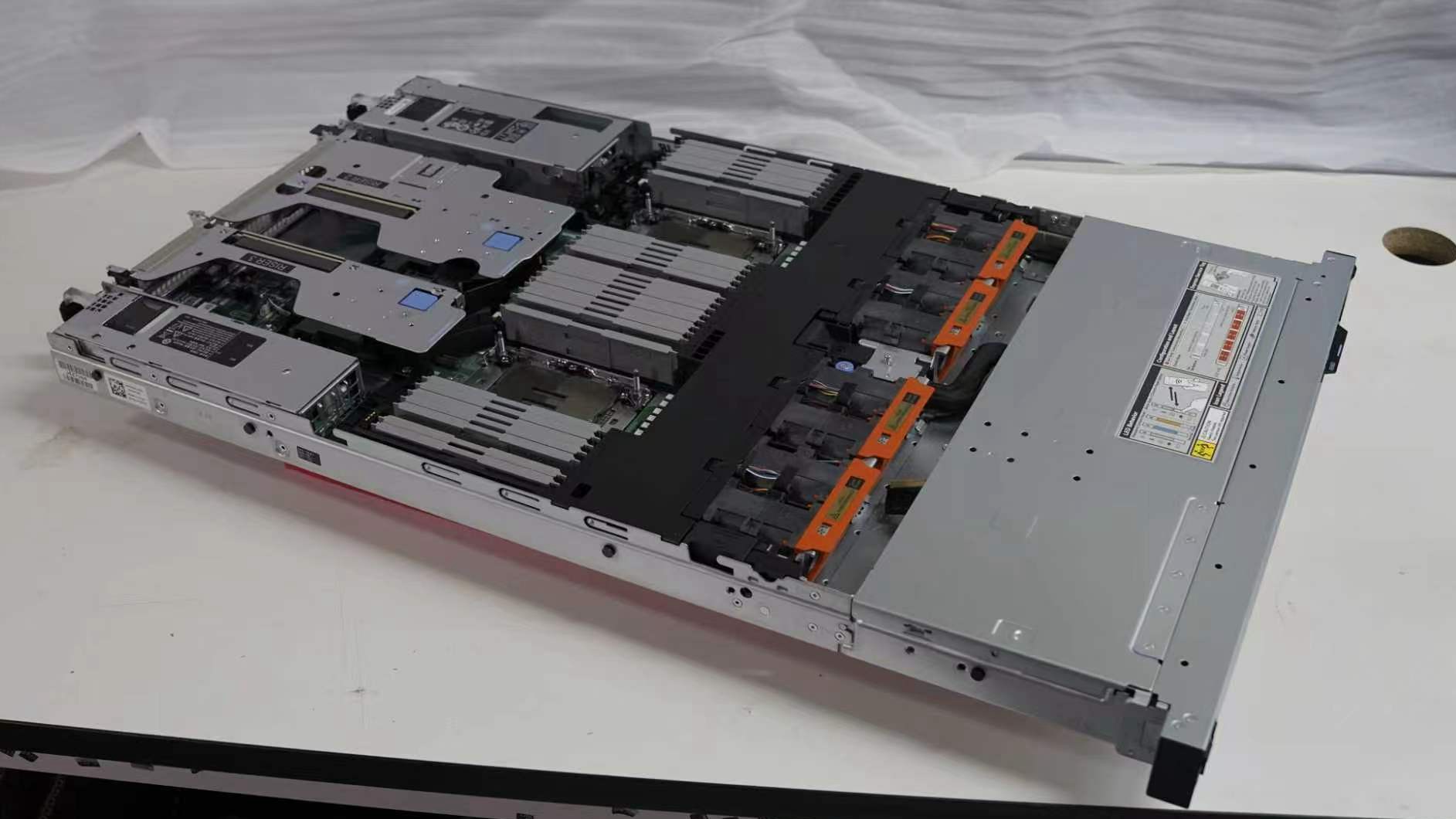
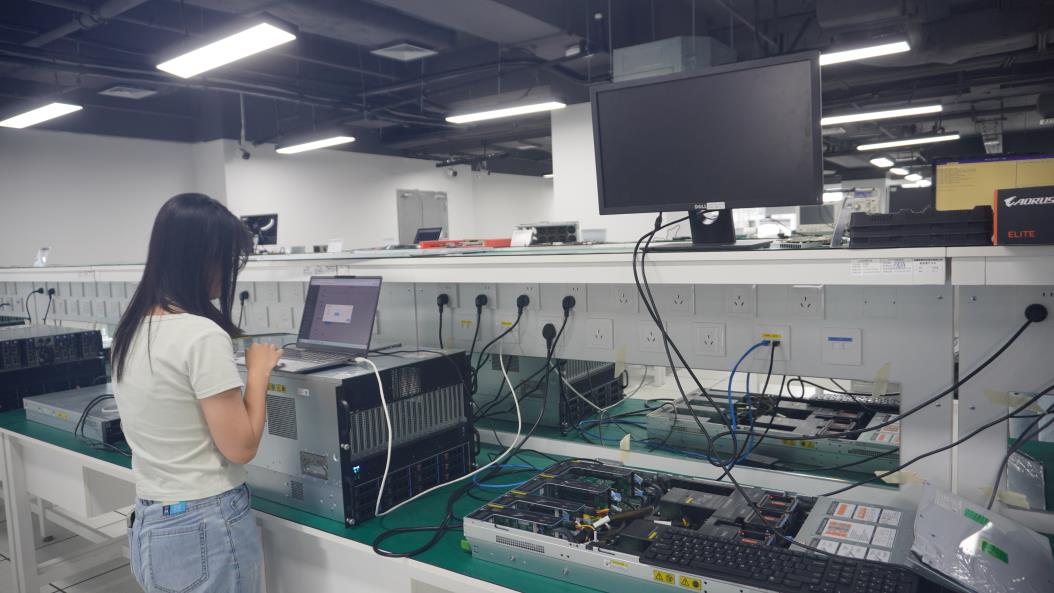
Located in a major global hub for optical technology, Fibronexa operates with structural supply chain advantages. We secure critical subcomponents, including TOSA (Transmitter Optical Sub-Assembly), ROSA (Receiver Optical Sub-Assembly), and Laser Diodes (FP and DFB models), from audited, tier-1 suppliers. This structured source management protects our clients from component shortages and pricing changes.
Our network of 1,200 strategic partners ensures reliable lead times. Whether fulfilling a custom order for a regional rail system or producing high volumes for telecom deployments, we maintain product quality and fast delivery. We keep stock of standard wavelengths (1310nm, 1550nm, and BiDi pairs) to ensure orders can ship quickly.
Our transceivers are built and certified to meet international safety and environmental regulations.
Fibronexa products comply with standard certification systems to ensure smooth import and deployment across different markets:
Additionally, Fibronexa provides localized technical support and post-sale compatibility configuration. If a firmware update on a Cisco or Hirschmann switch locks out generic modules, our support team can supply reprogrammed firmware profiles to restore connection stability instantly.
Get expert answers to common questions about 155M/622M SFP transceivers, compatibility, and custom production options.
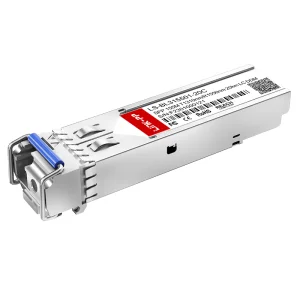
Our Single-Fiber Bidirectional (BiDi) transceivers help optimize fiber plant infrastructure by doubling transmission capacity over existing lines.