Fibronexa
Fibronexa
Fibronexa
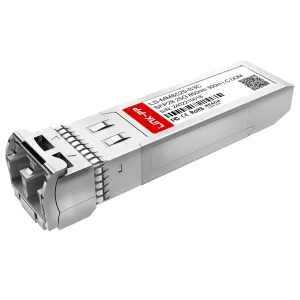
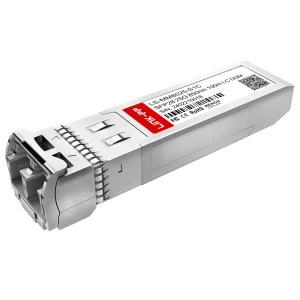
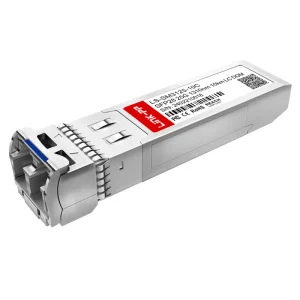
Industrial-grade optical transceivers engineered to support 25G Ethernet, 32G Fibre Channel, and CPRI/eCPRI architectures.
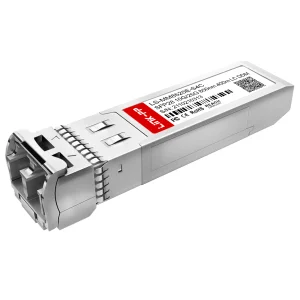
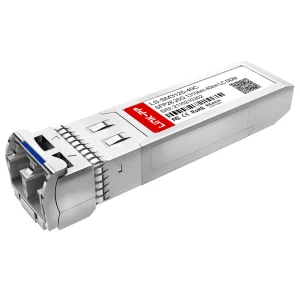
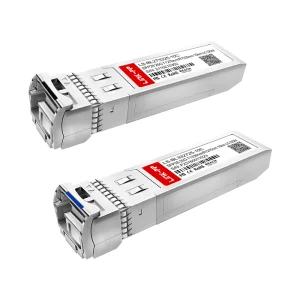
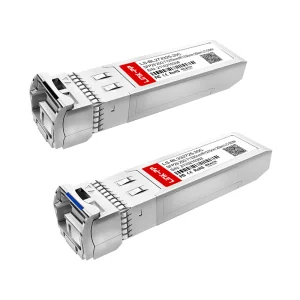
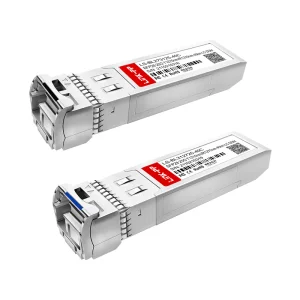
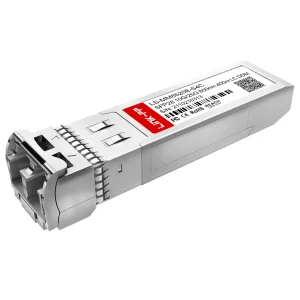
As next-generation global data traffic continues to skyrocket under the pressure of AI model training, hyperscale deployments, and 5G densification, network architects are facing an optimization crisis. Traditional 10G SFP+ links cannot handle current data throughput demands, while scaling directly to 40G QSFP+ or 100G QSFP28 requires significant structural expenditures, higher energy allocations, and complex physical reconfiguration.
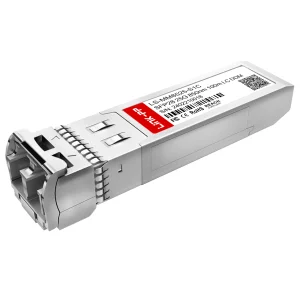
This is where SFP28 (Small Form-Factor Pluggable 28) becomes the critical evolutionary step. Operating on a single-lane 25Gb/s serial transmission rate, 25G SFP28 offers 2.5 times the bandwidth of 10G SFP+ while sharing the identical mechanical footprint. This allows network engineers to achieve a high-density, low-power transition path. Furthermore, the 32G SFP28 standard caters specifically to High-Performance Enterprise Storage Area Networks (SANs) utilizing Fibre Channel protocols, delivering unparalleled IOPS and low-latency storage access.
Global logistics, telecom carriers, and enterprise cloud centers are systematically phasing out legacy infrastructure. The adoption of 25G SFP28 transceiver modules represents a baseline standard rather than an optional upgrade. Major telecommunication operations rely heavily on 25G BiDi (Bidirectional) SFP28 modules for 5G fronthaul networks to maximize fiber capacity and lower structural costs.
In the industrial automation sector, real-time machine-vision and edge processing environments require highly reliable, industrial-temperature range (-40°C to 85°C) 25G transceivers to guarantee zero-packet-loss operation under severe environmental stress. By selecting the correct wavelength—whether it be CWDM, DWDM, LWDM, or standard 1310nm Single-Mode—enterprises are future-proofing their investments with high reliability.
A comparative overview of 25G/32G SFP28 module types and their functional performance matrices.
| Transceiver Type | Fiber Type | Wavelength (nm) | Max Distance | Laser Source | Typical Applications |
|---|---|---|---|---|---|
| 25G SFP28 SR | Multi-Mode (MMF) | 850nm | 100m (OM4) | VCSEL | Intra-rack connection, Top-of-Rack (ToR) switch links |
| Cisco SFP-10/25G-CSR-S Compatible | Multi-Mode (MMF) | 850nm | 400m (OM4) | VCSEL | Extended distance Multi-Mode backbone, Core switches |
| 25G SFP28 LR | Single-Mode (SMF) | 1310nm | 10km | DFB | Enterprise campus network, Carrier Metro Ethernet |
| 25G SFP28 ER | Single-Mode (SMF) | 1310nm / 1295-1310nm | 40km | EML / APD | Long-haul transmission, 5G mid-haul, Inter-office links |
| 25G SFP28 BiDi | Single-Mode (SMF) | Tx1270/Rx1310 or Tx1270/Rx1330 | 10km to 40km | DFB / EML | 5G Front-haul, single-fiber resource conservation links |
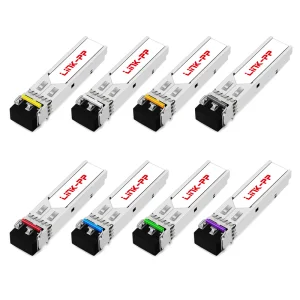
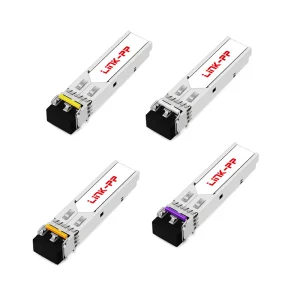
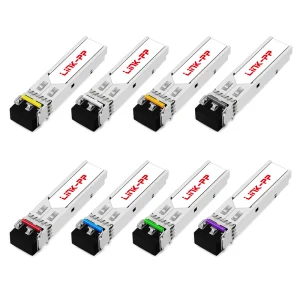
| 25G CWDM / DWDM / LWDM | Single-Mode (SMF) | Grid Wavelengths | 10km to 40km | EML / DFB | Wavelength Division Multiplexing networks, high-density backhaul |
Utilizing a standard SFF-8402 mechanical interface, SFP28 modules support transmission over both copper direct-attach cables (DAC), active optical cables (AOC), and optical fiber patch cords. The integrated Clock and Data Recovery (CDR) circuits ensure clean signal processing even in high-noise backplane configurations.
Every professional-grade SFP28 transceiver is equipped with a functional DDM/DOM interface compliant with the SFF-8472 standard. Real-time telemetry allows system engineers to monitor critical variables including laser temperature, supply voltage, bias current, and received optical power.
Many dual-rate transceivers (such as the SFP-10/25G-CSR-S) natively support fallback modes to 10G Ethernet. This allows network architects to purchase modules ahead of major infrastructure upgrades, deploying them on existing legacy equipment without operational disruptions.
How Fibronexa Communications leverages precision engineering, advanced production systems, and strict QA protocols.
Operating a state-of-the-art cleanroom production facility of approximately 320㎡, Fibronexa Communications Co., Ltd. (established in 2016) has built a robust and highly scalable optical transceiver fabrication line. By keeping assembly processes tightly controlled and utilizing advanced, automated optical testing arrays, we bridge the gap between high-volume manufacturing and zero-defect consistency.
With an annual export volume reaching USD 12 million and over 10 years of accumulated industry-specific domain expertise, Fibronexa serves telecommunication partners, enterprise data center system integrators, and OEM/ODM clients worldwide. Our strategic framework features more than 1,200 active upstream and downstream supply-chain partners, which ensures the priority procurement of high-performance optoelectronic chips (VCSEL, DFB, EML lasers) even during global component shortages.
To qualify as a highly trusted exporter, quality assurance must be backed by quantifiable metrics. At Fibronexa, our QA department consists of 45 trained QC professionals. We perform 100% component inspection and functional validation on every module shipped. This testing sequence includes:
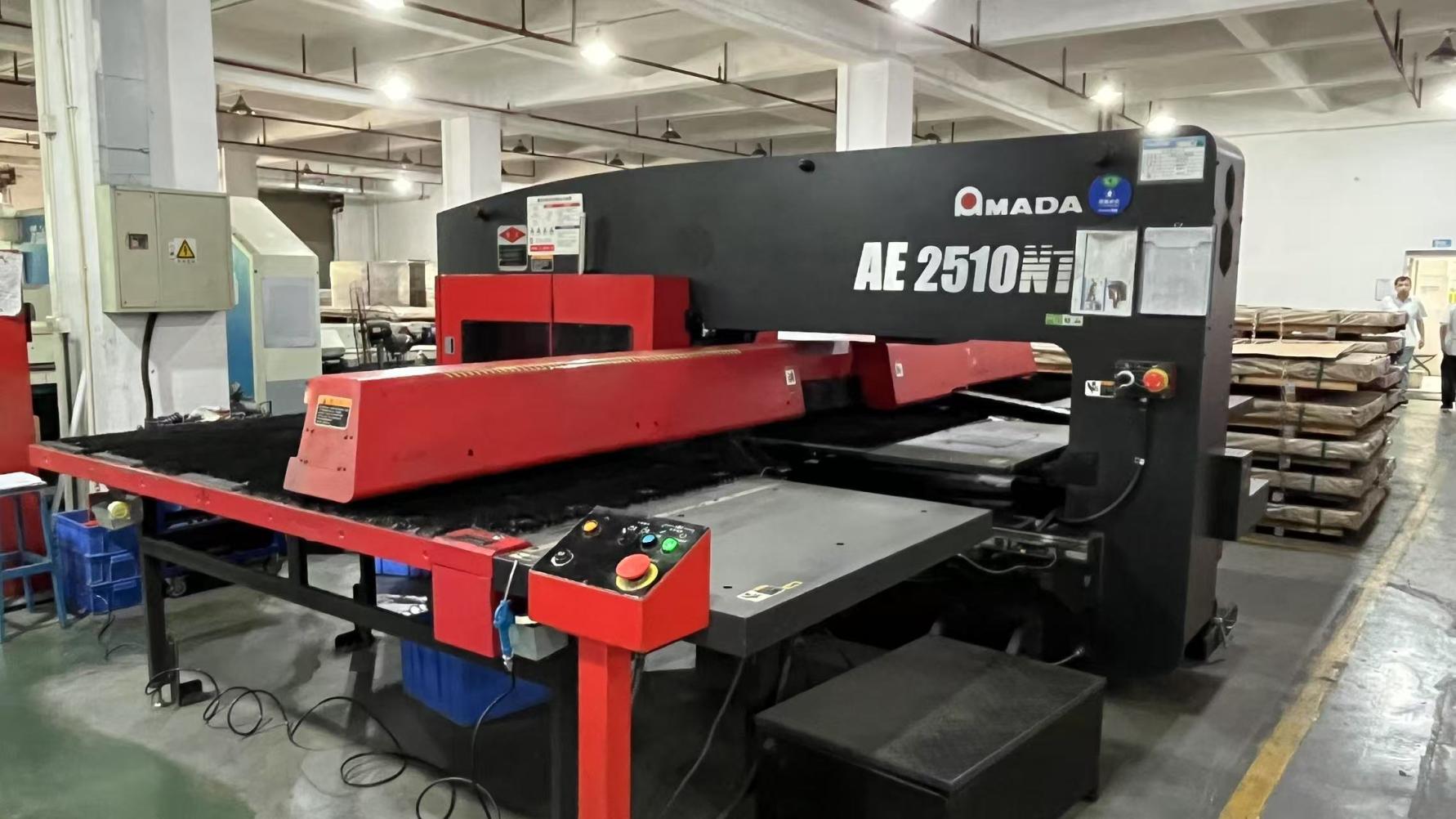
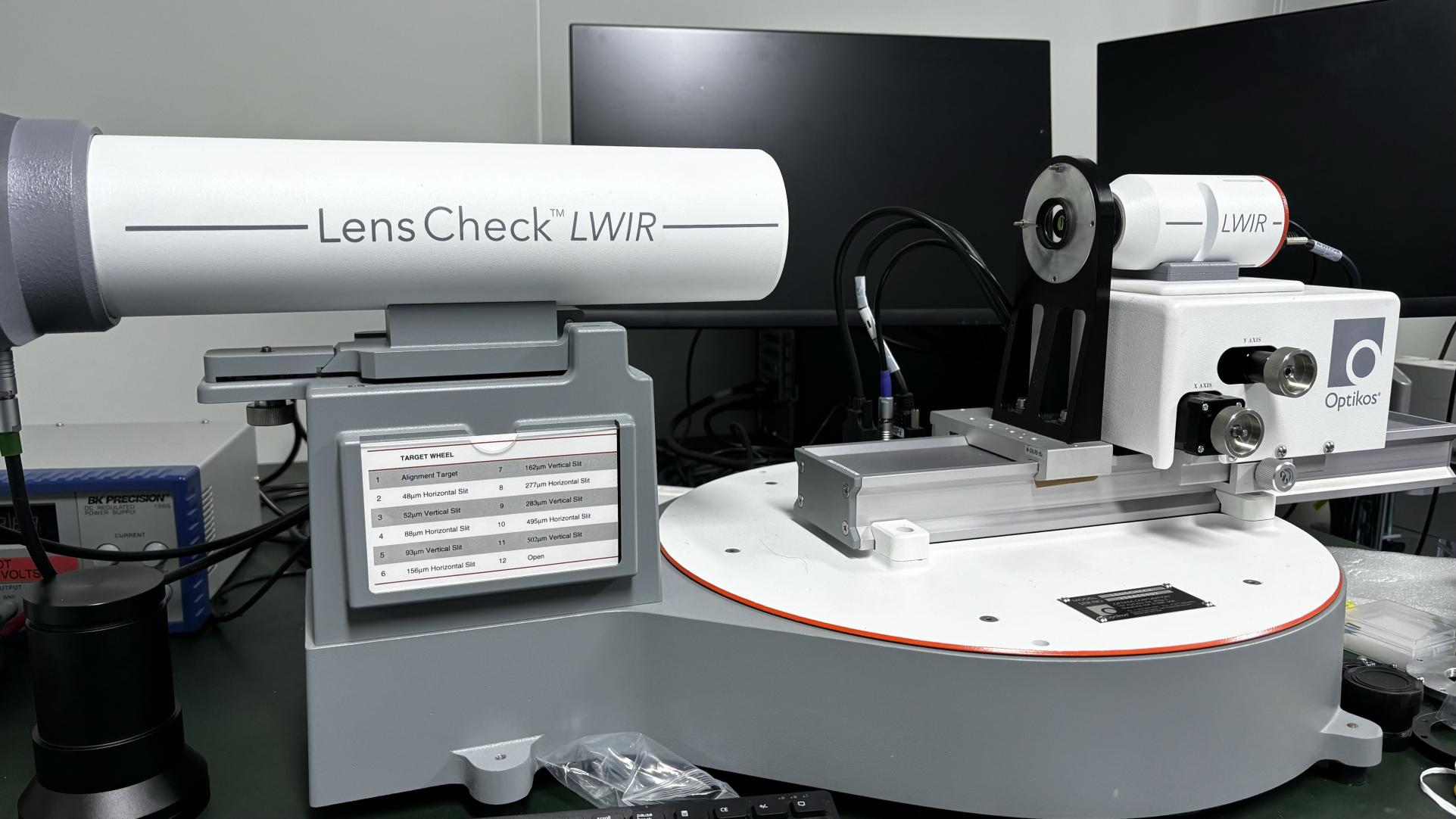
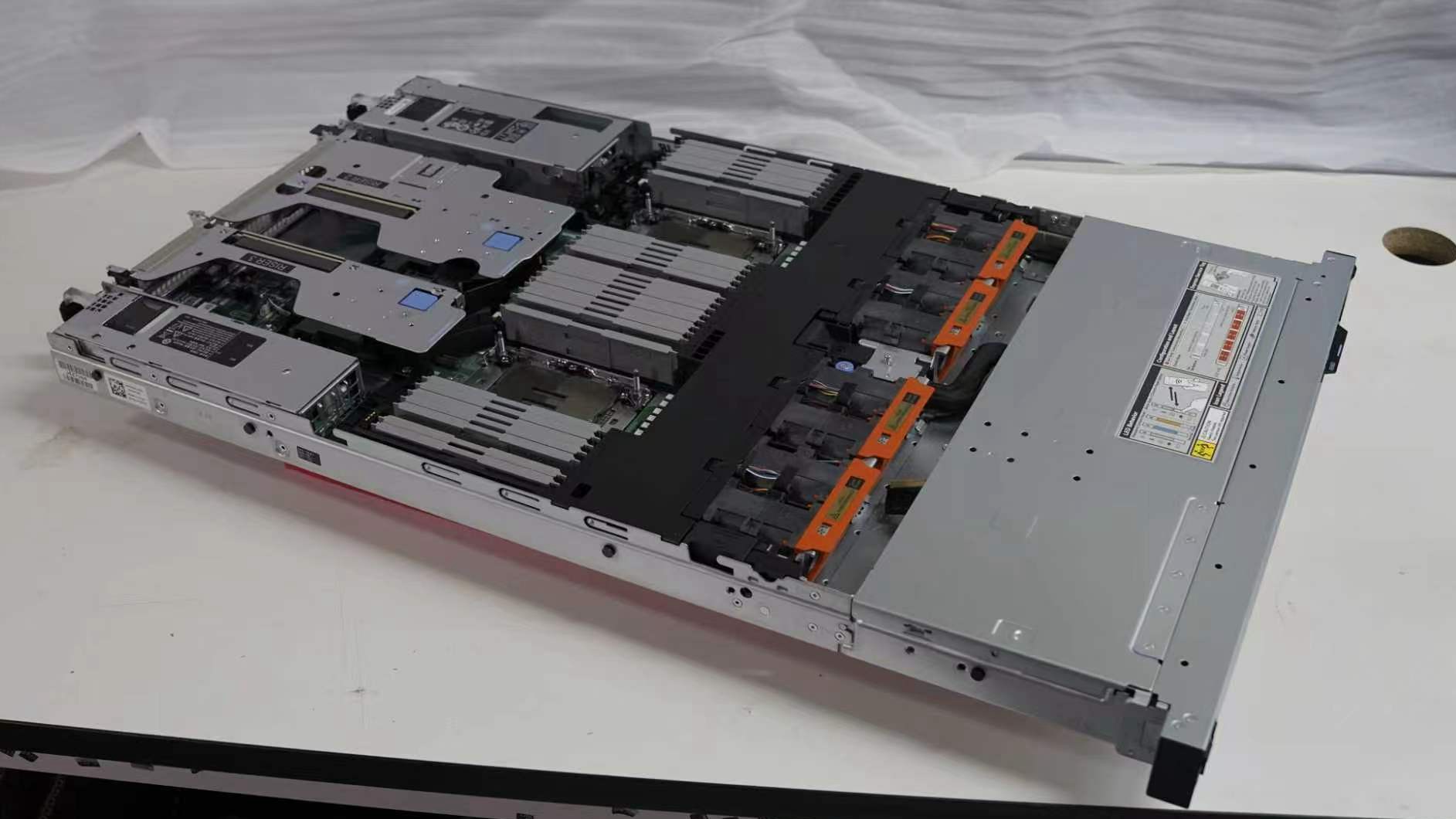
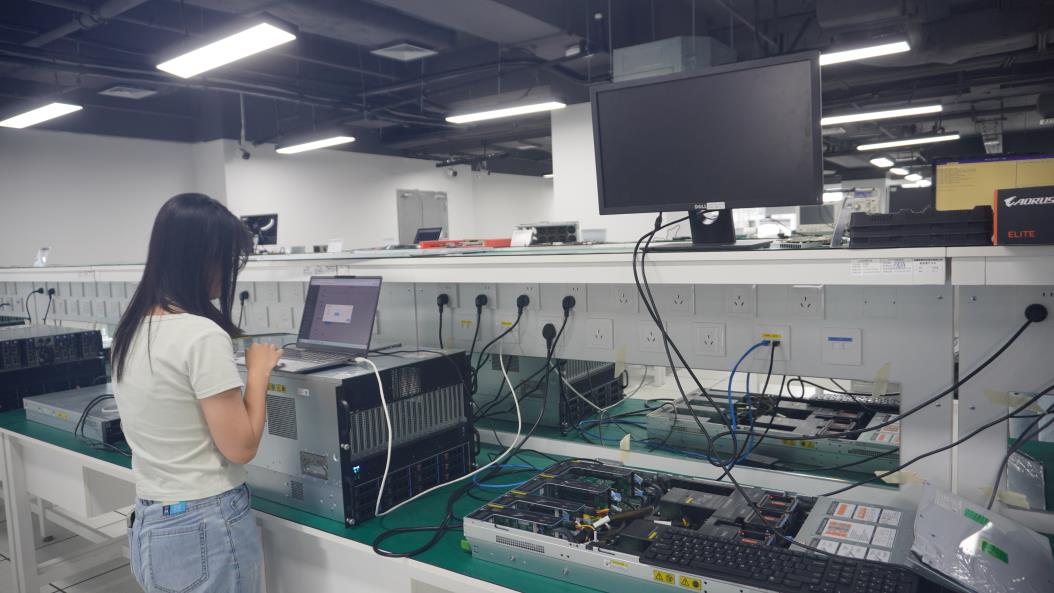
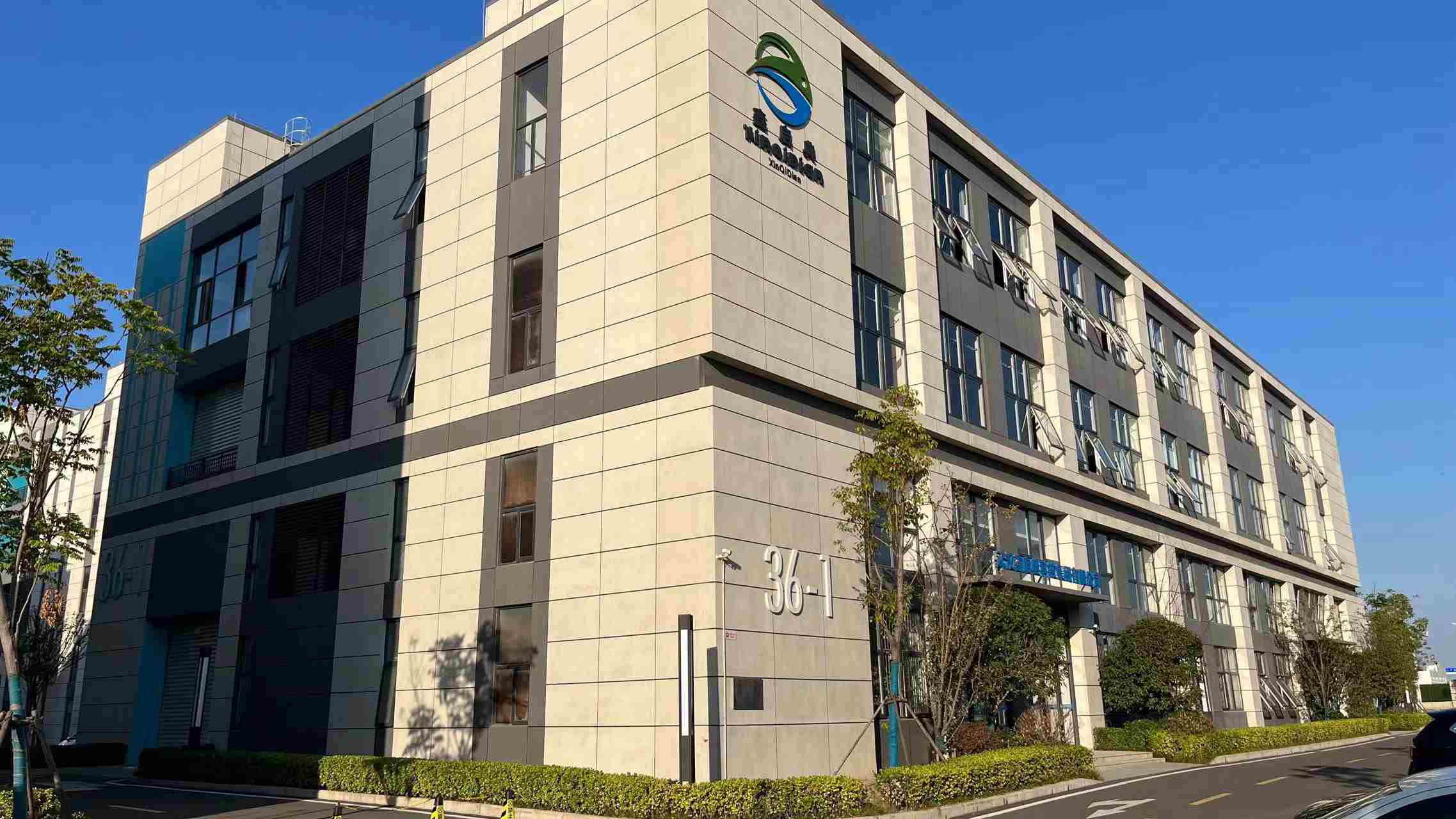
Visual evidence of Fibronexa’s production lines, automated testing gear, and engineering workspace.
Deploying SFP28 optical modules across telecom fronthaul networks, hyperscalers, and storage environments.
5G base station architectures require ultra-low latency and wide operating temperatures. Standard 25G SFP28 LR and BiDi transceivers are critical link elements between the Remote Radio Unit (RRU) and Baseband Unit (BBU). Opting for single-fiber BiDi transceivers cuts optical fiber deployment requirements by 50%, which reduces municipal right-of-way cost overheads.
Modern Leaf-Spine data center topologies utilize 25G SFP28 links connecting servers directly to top-of-rack switches. Upstream links aggregate into 100G or 400G backbone connections. The 25G interface enables 1:1 speed matching without requiring power-hungry gearboxes or optical splitting, maintaining overall network efficiency and low thermal output.
For high-frequency transaction databases and SAN storage arrays, bandwidth bottlenecks can lead to system-wide latencies. Deploying 32G SFP28 Fibre Channel modules allows enterprise infrastructures to access flash-based solid-state arrays (NVMe-oF) at full wire speed. This provides low latency, reduced packet loss, and robust transmission integrity.
Key criteria to consider when auditing global suppliers and managing fiber optic components.
Modern enterprises actively avoid vendor lock-in. Choosing compatible SFP28 modules built to MSA standards ensures seamless operation alongside OEM hardware. Our customized EEPROM coding capabilities allow Fibronexa modules to mimic Cisco, Arista, or Juniper firmwares. This ensures error-free initialization and bypasses software locking routines, saving up to 70% in capital costs compared to OEM-branded accessories.
When importing transceivers into regions such as North America, Europe, or the Middle East, compliance is a prerequisite. Fibronexa transceivers meet all safety and environmental directives including CE, FCC, and RoHS. Our manufacturing plants maintain tight quality controls to eliminate hazardous substances, which guarantees smooth customs processing and hassle-free global importing.
With an agile product engineering cycle and an output of 120+ newly developed models yearly, our standard lead times are highly optimized. By maintaining physical raw component reserves, we prevent delays during market surges, giving our global logistics networks a competitive edge.
Need specialized solutions? Our R&D engineering crew (comprising 85 dedicated engineers) design custom configurations: extreme thermal configurations (-40°C to +85°C), custom wavelength grids, non-standard fiber lengths, and specialized labeling or packaging for OEM partners.
To assure long-term reliability and partner confidence, we provide a comprehensive warranty program on our SFP28 products. If a module suffers hardware failure under normal operations, we supply quick replacement units to prevent operational downtime.
While 25G and 32G SFP28 remain popular options for top-of-rack deployments and 5G networks, global bandwidth demands continue to grow. Industrial research is paving the way for 50G SFP56, 100G DSFP (Dual Small Form-Factor Pluggable), and PAM4-encoded high-density architectures.
By implementing a unified physical cage infrastructure that supports SFP28, engineers can transition legacy 10G infrastructure directly to 25G today, while keeping their network layouts ready for future high-speed standards. Implementing these transitions correctly requires partnering with experienced suppliers who understand both current standards and emerging optical developments.
Expert technical insights to clarify common integration questions for 25G/32G SFP28 modules.
Yes, physically the modules are compatible because SFP28 uses the identical SFP form factor. However, whether it functions depends on the switch's configuration and its operating firmware. Many 25G SFP28 transceivers (such as the Cisco SFP-10/25G-CSR-S Compatible module) natively support dual-rate 10G/25G operations. You must configure the host switch port to negotiate at 10G speed via CLI to make the link active.
The primary difference is the targeted application protocol and internal transmission rates. 25G SFP28 is designed for Ethernet protocols and operates at a serial line rate of 25.78 Gb/s (and 5G eCPRI at 24.33 Gb/s). In contrast, the 32G SFP28 module is optimized for Fibre Channel (FC) storage area networks, operating at 28.05 Gb/s to support 32GFC requirements. They are usually not cross-compatible unless the hardware specifically supports multi-protocol configurations.
Under IEEE 802.3by standards, Forward Error Correction (FEC) is used to control transmission errors over high-speed links. In 25G copper and extended-distance optical fiber configurations, signal dispersion can cause transmission errors. Activating RS-FEC (Reed-Solomon FEC) or Base-R FEC on host switches corrects single-bit errors, improving overall link stability and performance.
BiDi (Bidirectional) SFP28 modules should be selected when physical optical fiber links are limited or expensive to deploy. Because BiDi modules use separate wavelengths (typically Tx1270nm/Rx1310nm and Tx1310nm/Rx1270nm) to transmit and receive signals over a single strand of fiber, they reduce fiber deployment requirements by 50%. This makes them a cost-effective choice for 5G fronthaul networks and campus links.
At Fibronexa, we maintain a comprehensive inventory of switches from leading global manufacturers (Cisco, Arista, Juniper, Dell, Huawei, etc.). Every module undergoes a hardware test loop where we program the configuration EEPROM with vendor-specific compatibility code. The module is then run on the physical switch port to verify DDM telemetry, check for errors, and ensure it registers correctly in the OS environment.
Standard Multi-Mode (SR) modules support distances up to 100m over OM4 fiber, while CSR modules can extend up to 400m. Single-Mode LR modules support distances up to 10km over standard 1310nm SMF. For long-haul links, 25G ER modules use highly sensitive APD receivers or EML lasers to support distances up to 40km without needing inline optical amplification.
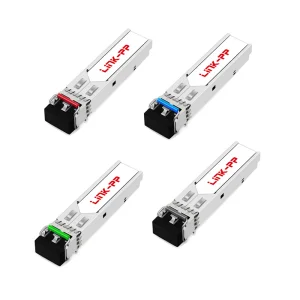
Advanced CWDM, DWDM, and Dual-Rate compatible transceivers for long-haul networks and telecommunications.