Fibronexa
Fibronexa
Fibronexa
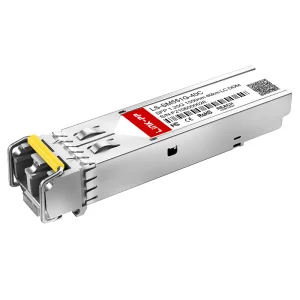
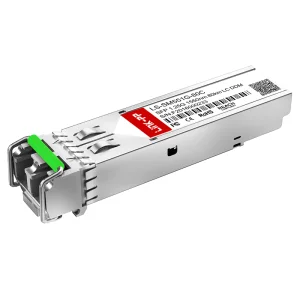
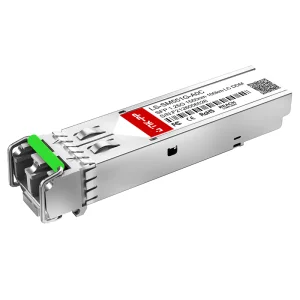
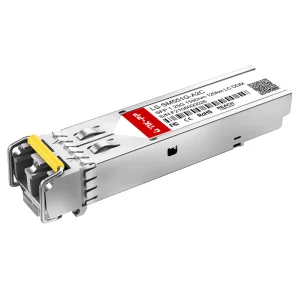
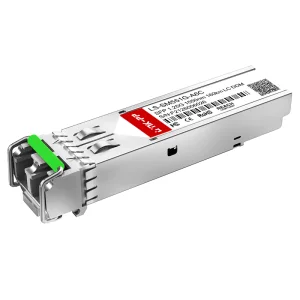
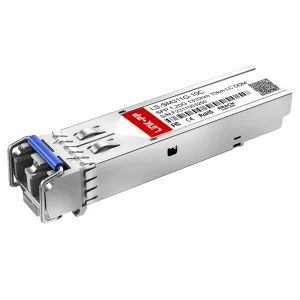
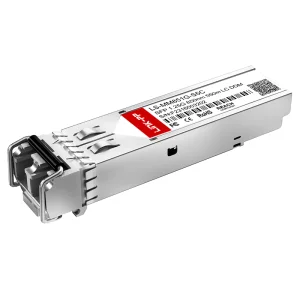
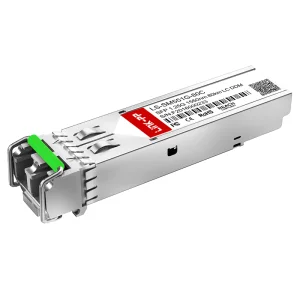
Explore our high-reliability Gigabit Small Form-Factor Pluggable (SFP) modules, meticulously optimized for link budgets ranging from 550m to 80km.
The structural backbone of resilient, multi-generational networks.
Despite the rapid rise of 10G, 40G, and 400G transceivers within hyperscale cloud computing centers, the legacy of 1.25G SFP transceivers remains irreplaceable. Across municipal utilities, metro networks, and manufacturing facilities, Gigabit SFP interfaces form the stable foundation of optical-to-electrical signal media conversion. Their reliability and low power footprints guarantee sustained market presence.
From smart grid architectures and process automation control boxes (SCADA) to transportation telemetry and base station backhauls, 1.25G SFPs deliver robust electro-magnetic interference (EMI) protection and predictable latency. These features are critical for localized control networks running protocols such as EtherNet/IP, Modbus TCP, and Profinet.
For rural FTTH (Fiber-to-the-Home) aggregations and enterprise edge deployments, upgrading to higher-speed optics is often cost-prohibitive and technically unnecessary. The 1.25G SFP platform provides a balance of low-cost hardware acquisition, minimal operating heat dissipation, and long deployment lifetimes.
Established in 2016, Fibronexa Communications Co., Ltd. has evolved into a premier designer, manufacturer, and supplier of advanced optical transceivers. We specialize in engineering and producing high-reliability fiber optic communication modules designed to support critical enterprise, telecom, and industrial networking topologies across the globe.
Operating a specialized manufacturing facility spanning 320m² of highly optimized, cleanroom-grade space, Fibronexa utilizes automated precision sub-assembly lines to achieve consistent optical alignment and structural reliability. Our manufacturing capabilities allow us to seamlessly serve telecom operators, systems integrators, and OEM distributors globally.
With 10 years of collective industry expertise and 6 active years of global export experience, we manage a secure, comprehensive supply chain built around more than 1,200 strategic upstream and downstream partners. This ensures component availability and enables us to adapt to shifting demand patterns with agility.
Decoupling wavelengths, media interfaces, and transmission distances to optimize link budgets.
Selecting the correct optical transceiver requires a deep understanding of standard specifications. Whether deploying over Multi-Mode Fiber (MMF) inside localized data centers or single-mode fiber (SMF) systems running up to 120km, selecting the precise physical layer interface is critical for matching link attenuation margins and maintaining a low Bit Error Rate (BER).
| Standard Designation | Fiber Type | Operating Wavelength | Connector Interface | Max Distance Rating | TX Laser Tech |
|---|---|---|---|---|---|
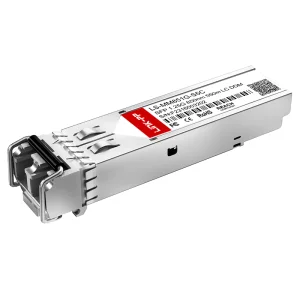
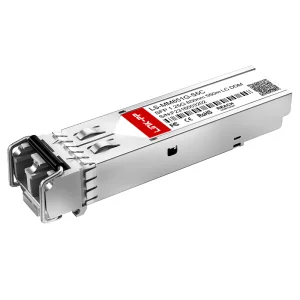
| 1000BASE-SX | Multi-Mode (OM2/OM3/OM4) | 850nm | Duplex LC | 550 meters | VCSEL |
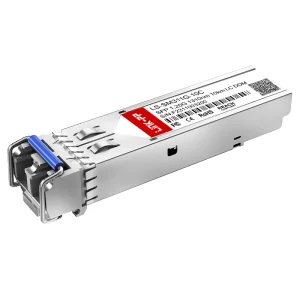
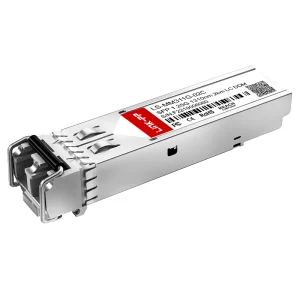
| 1000BASE-LX/LH | Single-Mode / Multi-Mode | 1310nm | Duplex LC | 10km - 20km | FP / DFB Laser |
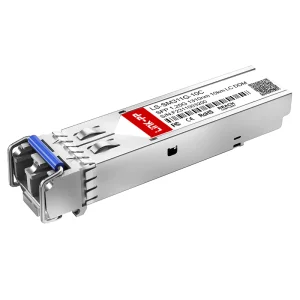
| 1000BASE-EX | Single-Mode (SMF) | 1550nm / 1310nm | Duplex LC | 40km | DFB Laser |
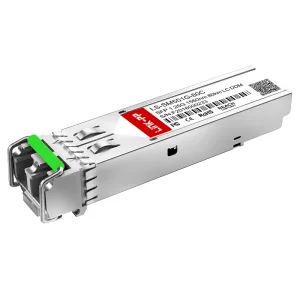
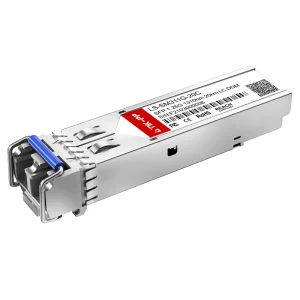
| 1000BASE-ZX | Single-Mode (SMF) | 1550nm | Duplex LC | 80km | DFB Laser / APD |
| 1000BASE-EZX | Single-Mode (SMF) | 1550nm | Duplex LC | 100km - 120km | DFB / APD Receiver |
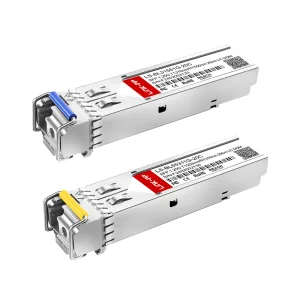
| 1G BiDi (Simplex) | Single-Mode (SMF) | TX1310nm / RX1550nm (or reverse) | Simplex LC | 20km - 80km | WDM Diplexer |
Digital Diagnostics Monitoring (DDM / DOM): Built-in DDM according to the SFF-8472 industry agreement allows operators to track vital operational characteristics in real time. This includes transmitter output power, received optical power, internal transceiver temperature, laser bias current, and module supply voltage. Having this capability enables real-time diagnostic reporting to predict transceiving degradation before field failure occurs.
Leveraging localized component ecosystems, vertical integration, and comprehensive automated testing.
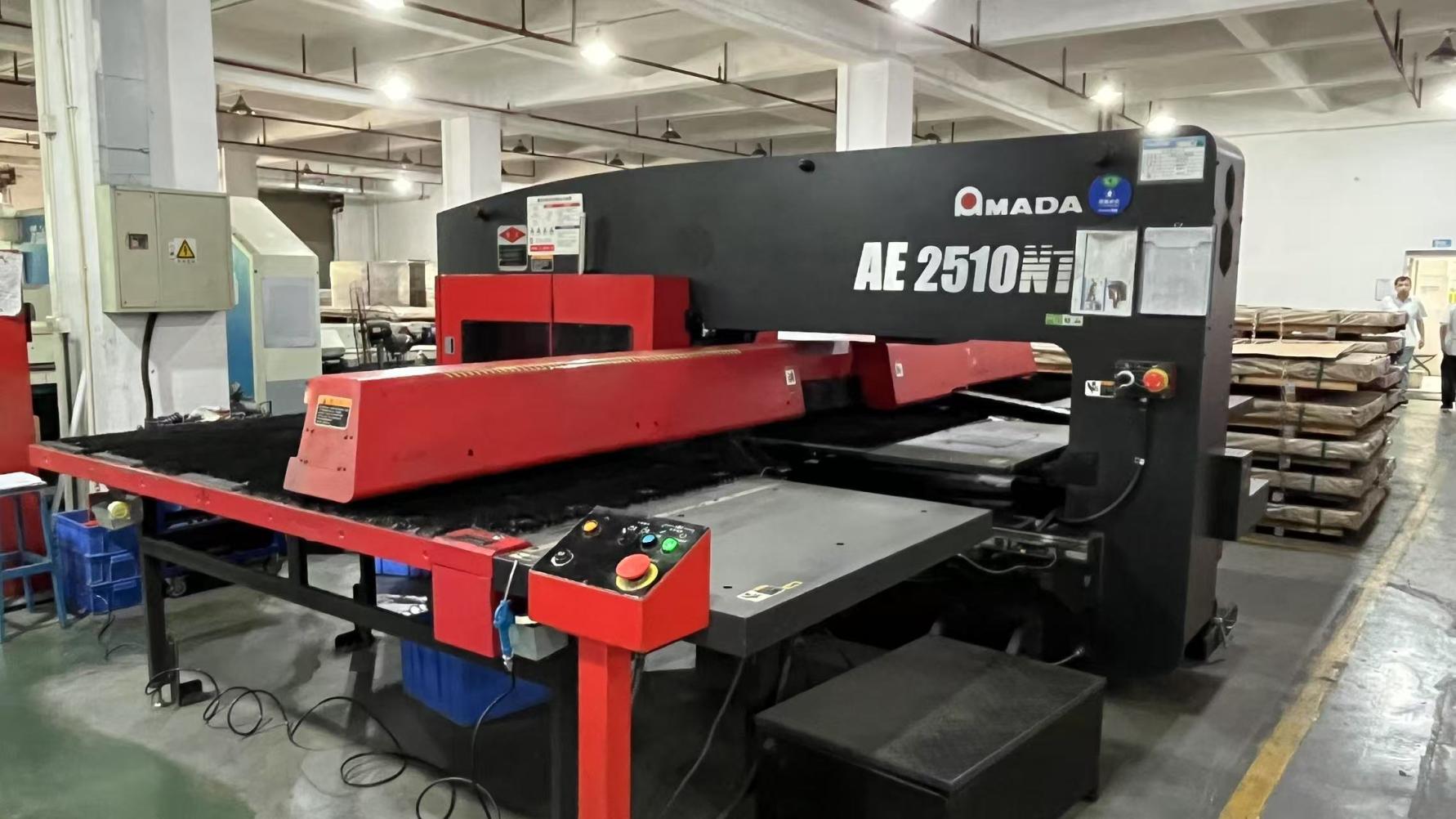
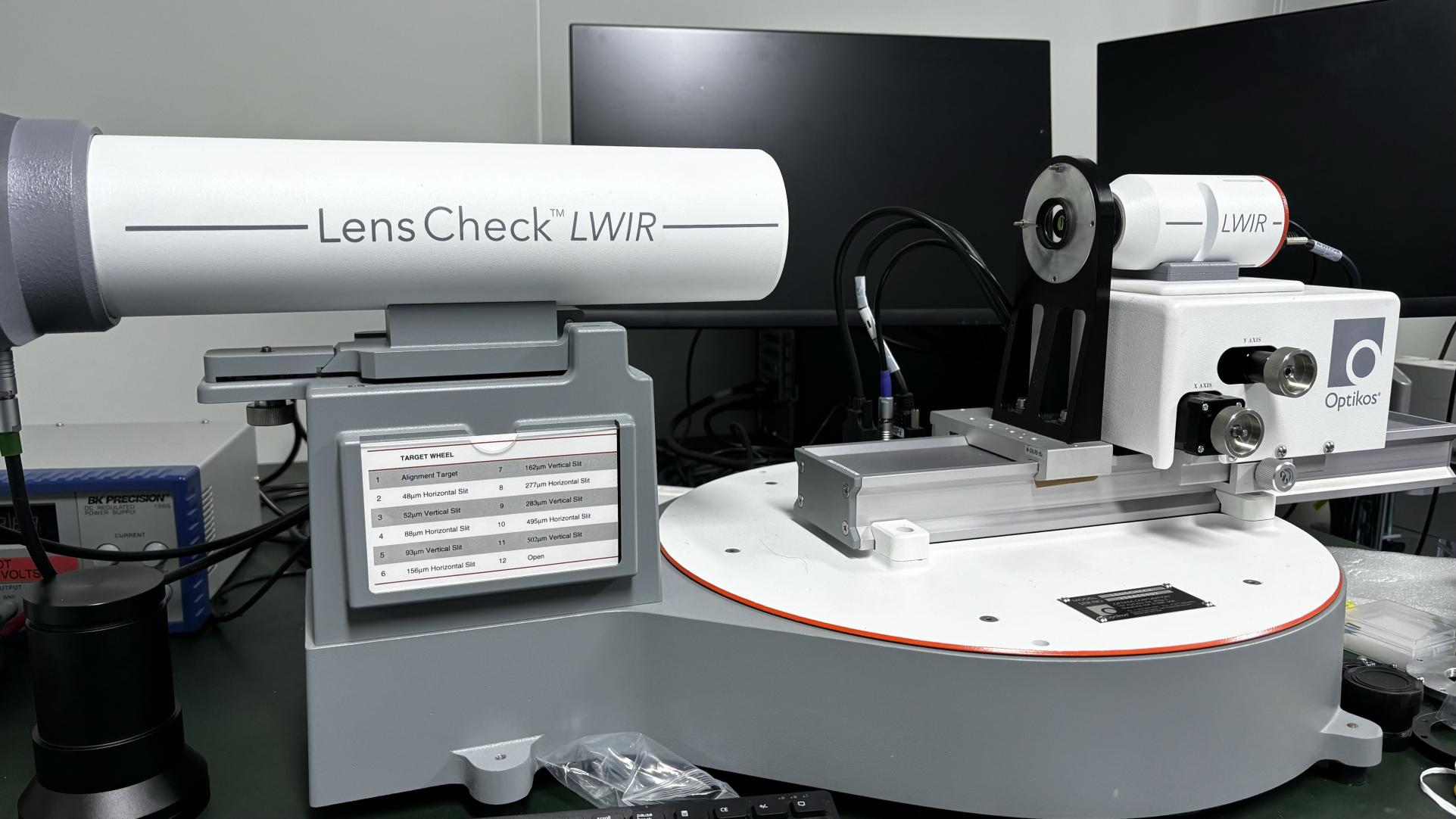
Our facility uses automated die bonding, active optical alignment (AOA), and computerized high-frequency test systems. By automating these delicate optoelectronic alignment steps, we eliminate human assembly errors and maintain excellent optical return loss figures.
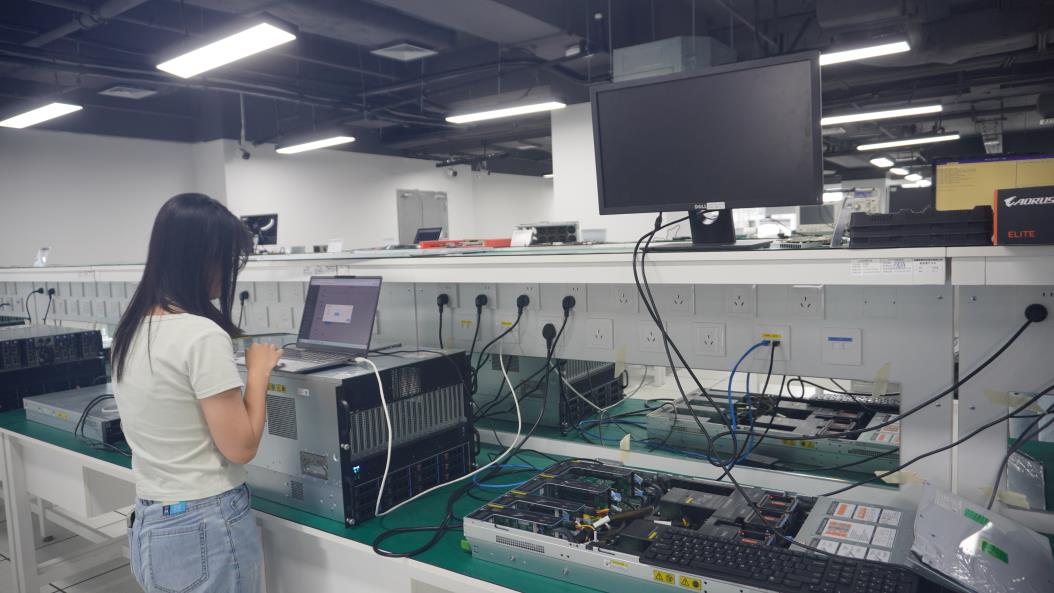
Every transceiver is subjected to real-world host switch simulations. We test for broad compatibility across leading networking platforms (including Cisco, Juniper, Arista, and Ubiquiti) to verify code compliance, link initialization, and low-latency performance before packaging.
With an ecosystem of over 1,200 component partners located near our facility, we secure lasers, photodetectors, PCBs, and metal housings with short lead times. This allows us to scale production quickly for large-volume international orders.
How engineering teams deploy 1.25G SFPs across demanding networking topologies.
1. Metro Ethernet Access & FTTH Aggregation: Within municipal networks and Passive Optical Network (PON) topologies, 1.25G SFP transceivers serve as the cost-effective link between subscriber-end optical network terminals (ONT) and central optical line terminals (OLT). These links are often configured using Bidirectional (BiDi) simplex modules to maximize existing fiber-plant capacity by transmitting and receiving over a single strand of fiber.
2. SCADA and Industrial Control Systems (ICS) in Power Plants: Heavy machinery environments generate intense electromagnetic interference that disrupts traditional copper-based ethernet cabling. Utilizing 1000BASE-SX (Multi-Mode) and 1000BASE-LX (Single-Mode) SFPs with ruggedized industrial switches guarantees noise-free, low-latency control loops for sub-station control panels and power distribution networks.
3. Enterprise LAN Uplinks & Campus Distribution: Classrooms, healthcare facilities, and offices utilize 850nm Duplex MMF connections to run 1G backbones between building closets up to 550 meters apart. This design maintains reliable performance and lowers initial hardware procurement costs.
Extended reach modules engineered for long-haul transport networks up to 160km.
Ensure long-term compatibility, robust warranties, and optimal cost of ownership.
Verify that your supplier conforms strictly to the Multi-Source Agreement (MSA) standard SFF-8472. This guarantees mechanical, electrical, and programming compatibility with all conforming host switch cages, preventing hardware lock-in.
Decide whether your environment demands Commercial Grade (0°C to 70°C) or Industrial Grade (-40°C to 85°C) modules. Standard enterprise networks operate reliably with commercial modules, whereas utility grids and roadside boxes require ruggedized industrial versions.
Demand optical power measurement data for each batch. Ensuring that transmitter output power margins and receiver sensitivities are fully tested avoids premature optical component failures and helps prevent intermittent link drops.
Get authoritative answers to common technical queries regarding Gigabit SFP design and deployment.
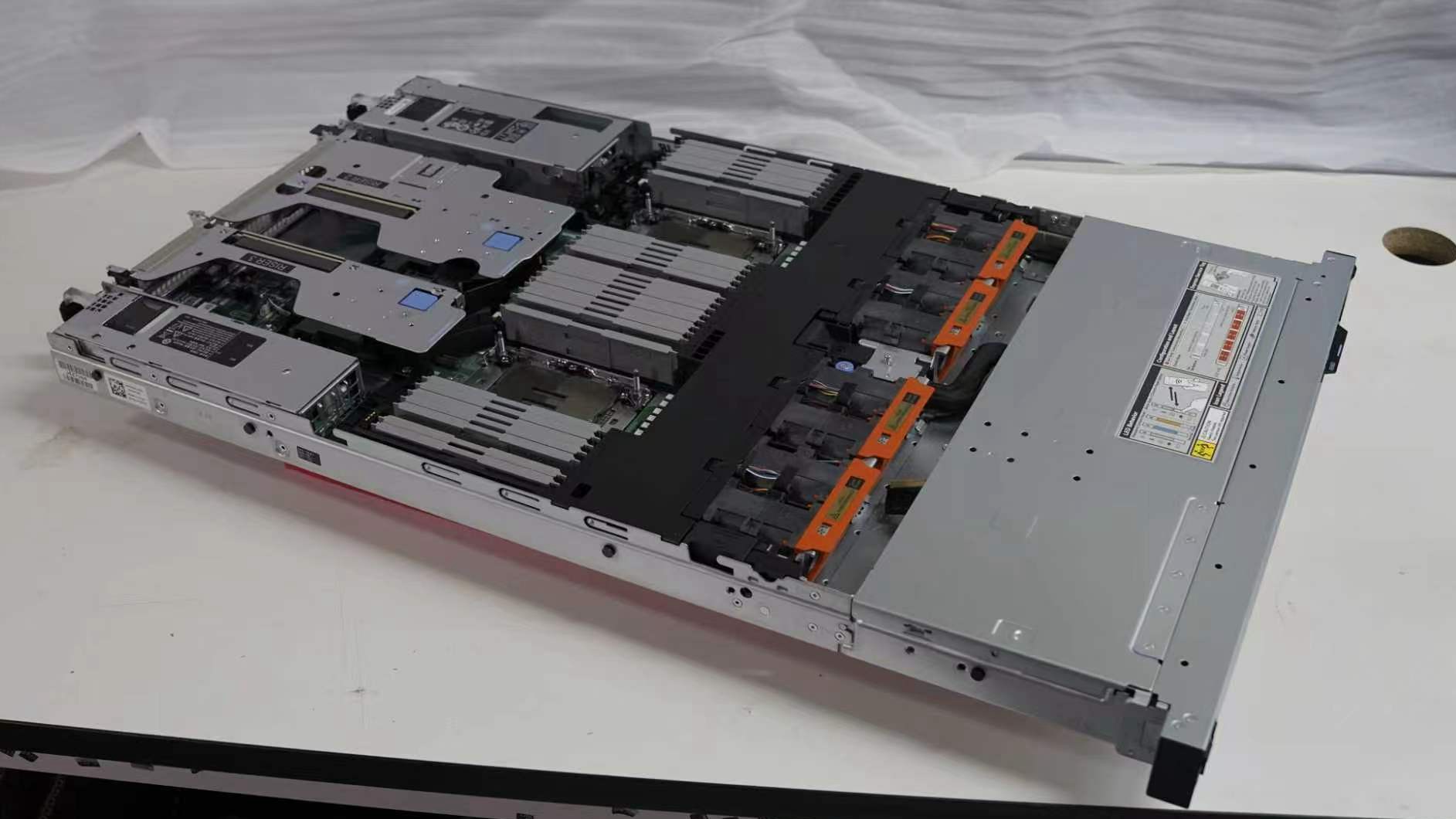
Inside Fibronexa's cleanroom assembly lines and automated validation labs.