Fibronexa
Fibronexa
Fibronexa
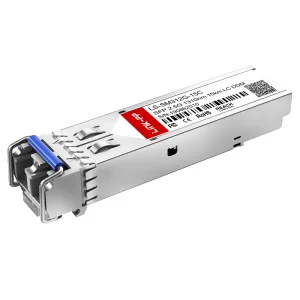
2.5GBASE-LX Single Mode 2.5G SFP 1310nm 15km Duplex LC SMF Optical Transceiver Module
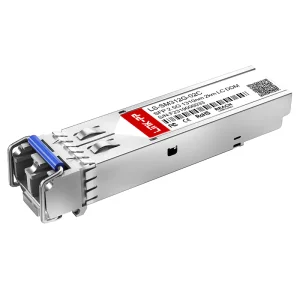
2.5GBASE-IX Duplex LC SMF Optical Transceiver Module Single Mode 1310nm 2.5G SFP Module 2km
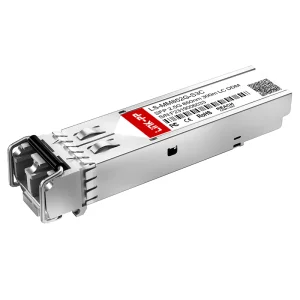
2.5GBASE-SX Multimode 850nm 2.5G SFP Module 300m Duplex LC MMF Optical Transceiver
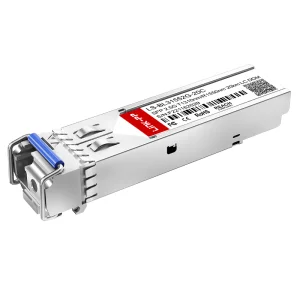
1310nm-TX/1550nm-RX Bidirectional Single Mode SFP 2.5G Bidi 20km LC Optical Transceiver Module
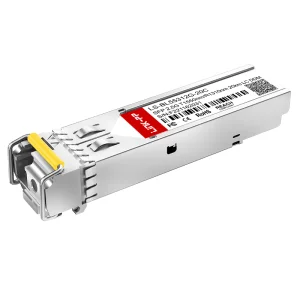
1550nm-TX/1310nm-RX Simplex LC SFP 2.5G Bidi 20km Single Mode Optic Transceiver Module
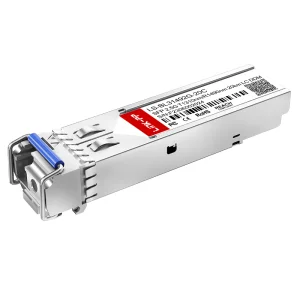
1310nm-TX/1490nm-RX Bidirectional 2.5G SFP Bidi 20km SMF LC Optical Transceiver Module
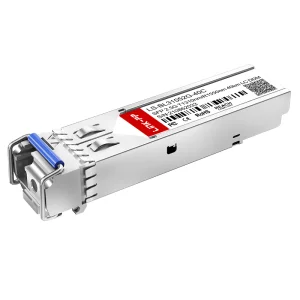
1310nm-TX/1550nm-RX Bidirectional SFP 2.5G Bidi 40km SMF LC Optical Transceiver Module
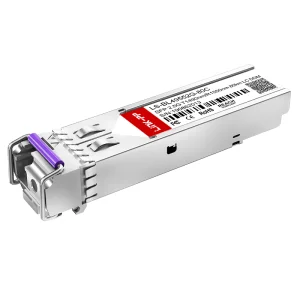
1490nm-TX/1550nm-RX Single Mode 2.5G SFP Bidi Transceiver 80km Simplex LC Optical Module
As the digital economy matures, the demand for bandwidth is no longer restricted to the 1G or 10G binary choice. The emergence of 2.5G and 5G/6G optical transceivers fills a critical gap in the networking ecosystem. Specifically, the adoption of Wi-Fi 6 (802.11ax) and Wi-Fi 7 has created a bottleneck at the traditional 1Gbps copper or fiber port. To solve this, enterprises and service providers are pivoting toward 2.5GBASE-T and 2.5G SFP modules as a cost-effective alternative that avoids the high power consumption and cost of 10G infrastructure while doubling throughput.
In the industrial sector, 2.5G to 6G SFP modules are predominantly utilized in 5G Fronthaul (CPRI/eCPRI) applications. While 10G and 25G are standard for new 5G builds, thousands of existing legacy LTE and 4G+ sites utilize 3G/6G CPRI rates. Maintaining and upgrading these networks requires highly reliable, industrial-temperature (-40°C to +85°C) modules. Furthermore, in industrial automation, high-resolution machine vision and real-time control systems are pushing beyond the limits of 1G, making 2.5G the new sweet spot for reliability and efficiency.
The future of 2.5G~6G modules lies in the integration of silicon photonics, which reduces the number of discrete components, enhances reliability, and lowers power consumption—a critical factor for dense data centers and outdoor 5G enclosures.
Current R&D is focused on reducing the "latency footprint" of the Digital Diagnostic Monitoring (DDM) interface, ensuring that for 6G CPRI rates, the timing jitter is minimized to nanosecond levels for synchronous mobile networks.
Bi-Directional (Bidi) technology is evolving to support longer distances (up to 80km and 120km) on a single strand of fiber, doubling the capacity of existing fiber plants without new cable installation costs.
Next-gen modules will feature predictive failure analysis, using the internal MCU to monitor laser health and predict "End of Life" scenarios before actual link failure occurs, minimizing downtime in critical infrastructure.
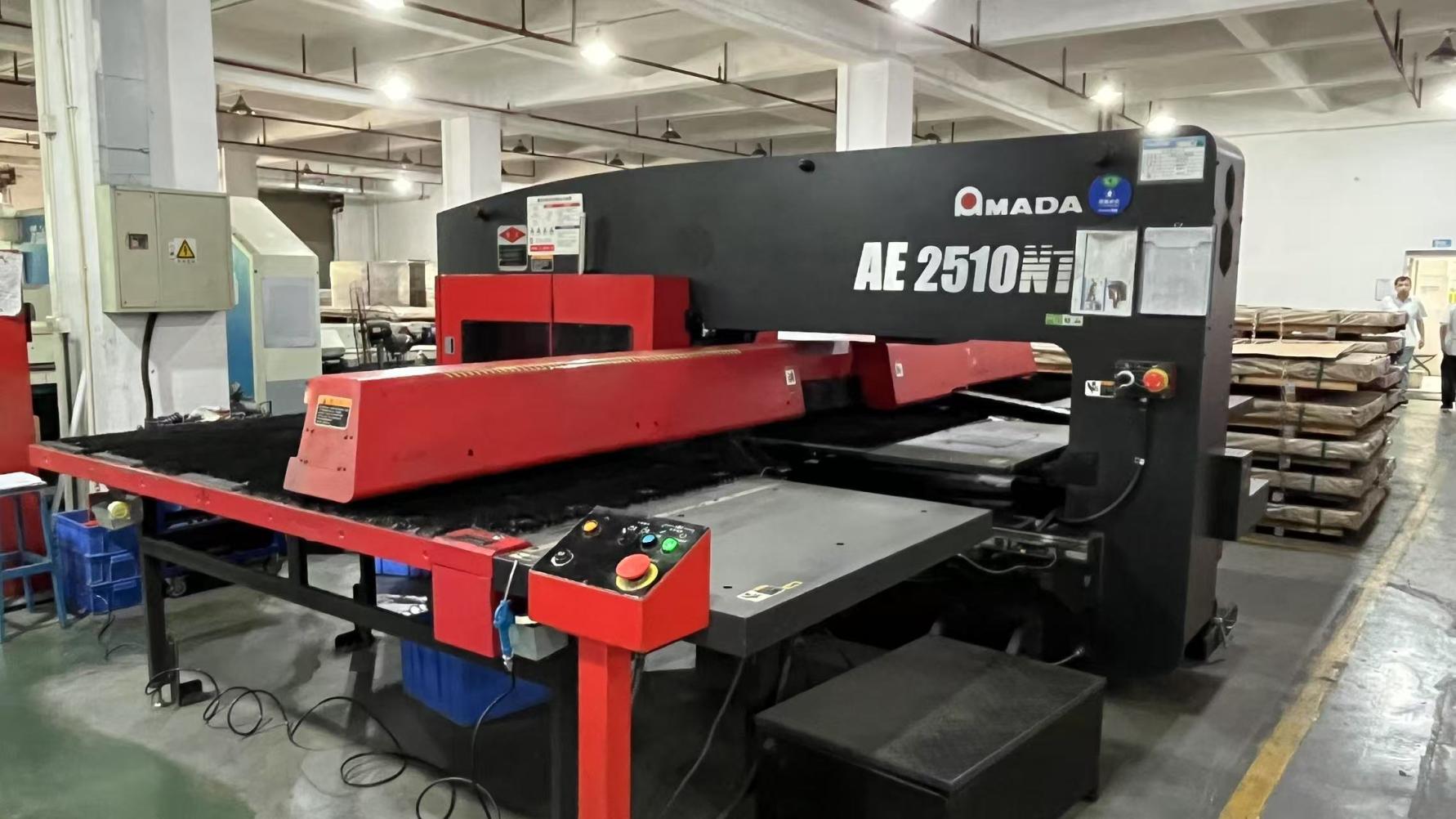
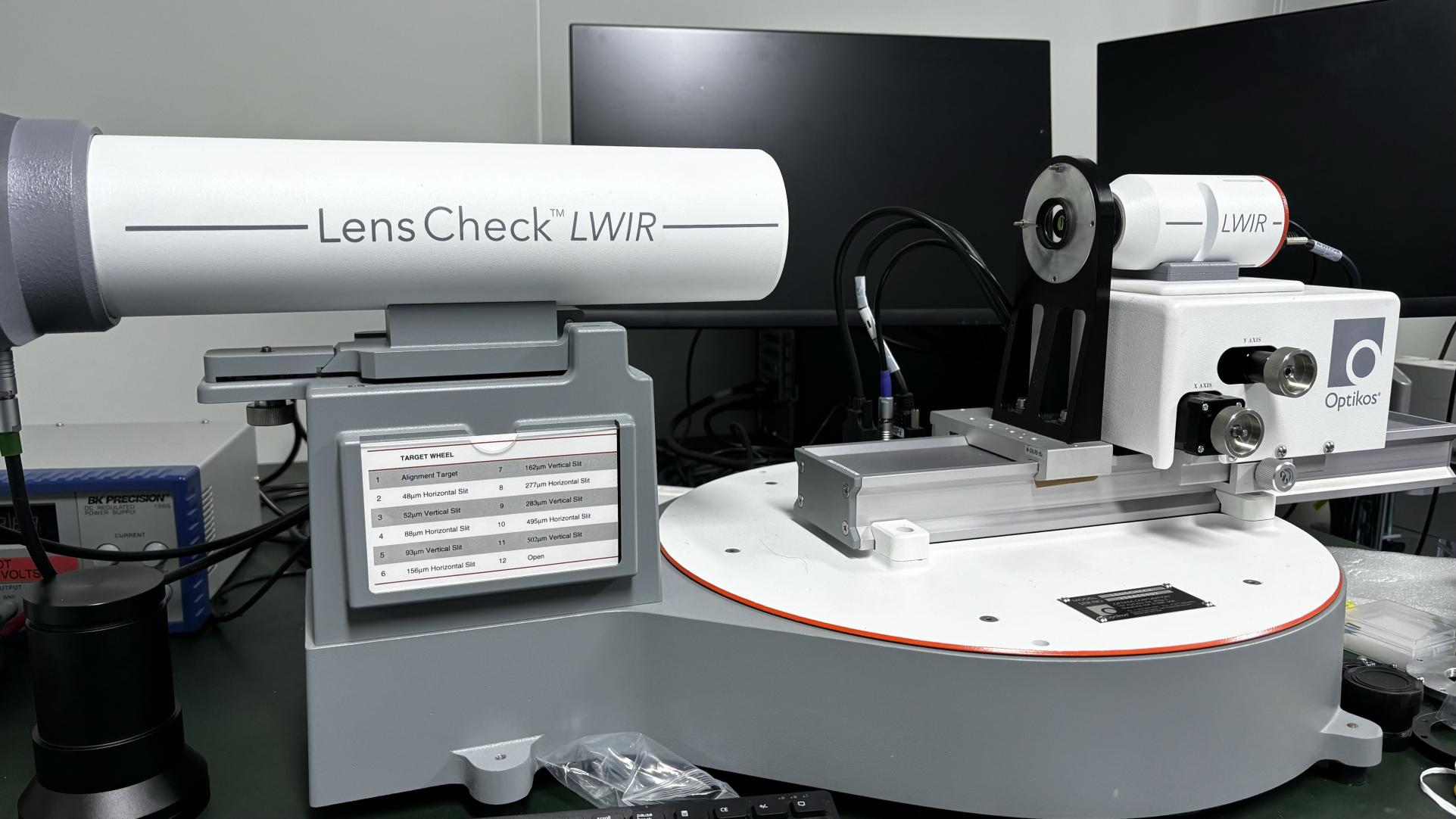
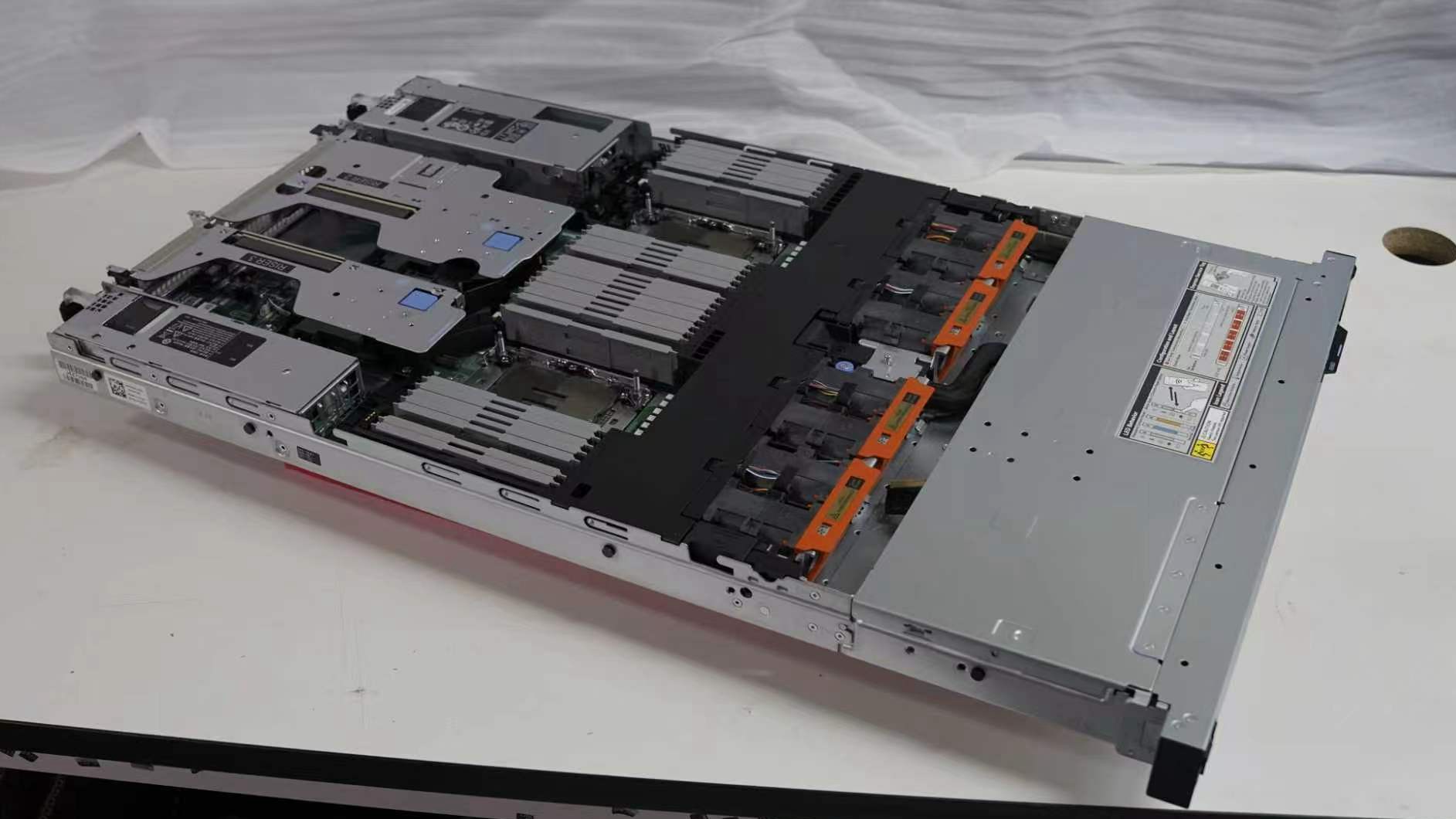
Fibronexa Communications Co., Ltd. is a professional optical transceiver manufacturer established in 2016. With a modern production facility covering 320㎡ and a team of 45 QC professionals, we ensure that every module—from 2.5G SFP to 800G solutions—meets the highest international standards of reliability (CE, FCC, RoHS).
Our 85-strong R&D team has successfully launched 120+ new products annually, focusing on solving the complex challenges of wavelength precision and distance scalability. Whether you are a telecom operator or an enterprise integrator, our 10 years of industry expertise provide the "Information Gain" necessary to stay ahead of the competition.
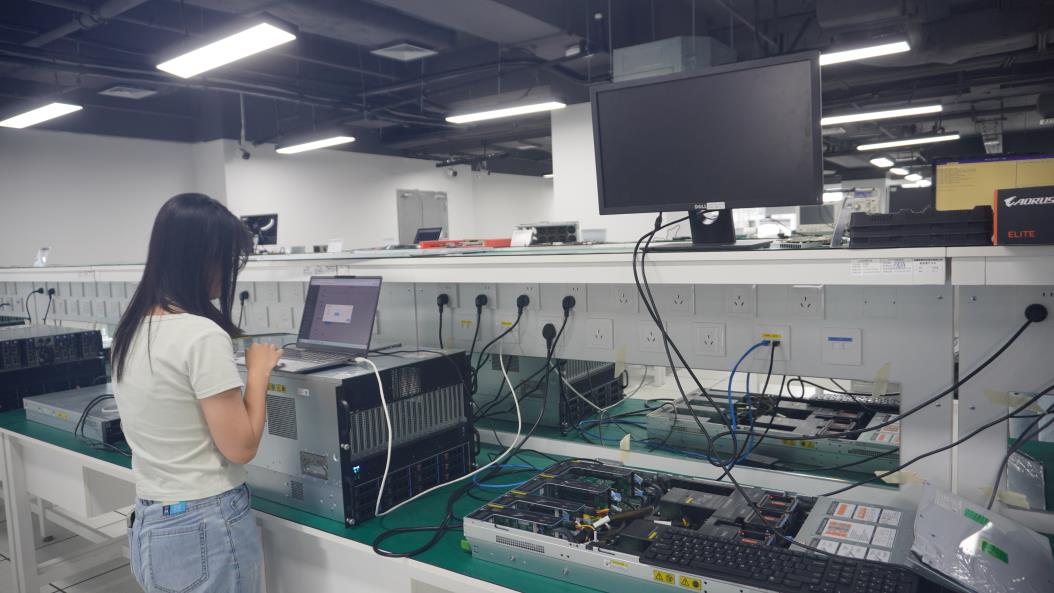
Supporting CPRI Option 3 to 6 (2.457Gbps to 6.144Gbps) with industrial-grade modules designed for outdoor RRU/BBU deployments. Our Bidi solutions reduce fiber leasing costs by 50%.
Enabling the transition from 1G to 2.5G/5G multi-gigabit speeds. Our SFP-T and SFP-LX modules provide the necessary bandwidth for high-density office environments without full-scale cable overhauls.
Deploying optical links in EMI-heavy environments like smart factories. Fiber provides total immunity to electromagnetic interference compared to copper, ensuring 99.999% uptime.
Interconnecting buildings with 2.5G links up to 80km. Ideal for school campuses or municipal surveillance systems where 10G is unnecessary but 1G is insufficient.
The primary difference is the baud rate and clock frequency. 2.5G SFP operates at 2.5Gbps, doubling the bandwidth of standard Gigabit SFP. While they often share the same physical form factor, the SERDES (Serializer/Deserializer) in the switch must support the higher rate.
In many cases, yes. Most 10G SFP+ ports are "multi-rate," meaning they can down-negotiate to 2.5G or 1G. However, this depends entirely on the switch's firmware and hardware capabilities. Always verify the compatibility matrix of your switch vendor.
Bidi modules use WDM (Wavelength Division Multiplexing) to transmit and receive on different wavelengths over a single fiber strand (e.g., 1310nm/1550nm). This is a strategic choice for service providers looking to double their existing fiber capacity without laying new cables.
Standard modules operate only up to 70°C. In outdoor 5G cabinets or industrial plants, internal temperatures can easily exceed this. Industrial-grade SFP modules use specialized lasers and components to ensure stability and prevent data loss in extreme heat or cold.
Yes. As a direct manufacturer, Fibronexa provides customization for specific wavelengths (CWDM/DWDM), distances (up to 120km), and customized EEPROM coding for compatibility with major brands like Cisco, Juniper, Arista, and HP.
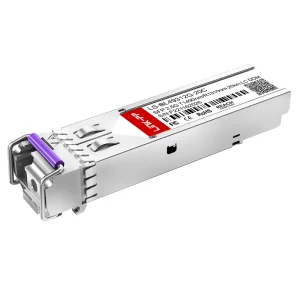
1490nm-TX/1310nm-RX Single Mode SFP 2.5G Bidi 20km Simplex LC Optic Transceiver Module
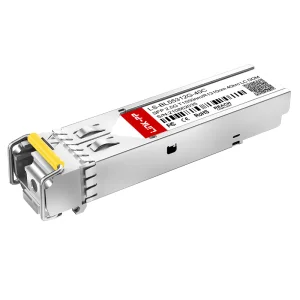
1550nm-TX/1310nm-RX Single Mode SFP 2.5G Bidi 40km Simplex LC Optic Transceiver Module
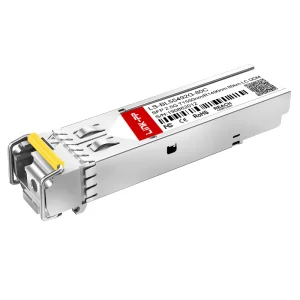
1550nm-TX/1490nm-RX Simplex LC SFP 2.5G Bidi 80km SMF Bidirectional Optical Transceiver Module
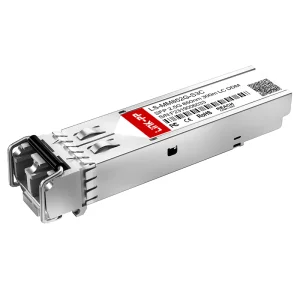
2.5GBASE-SX Multimode 850nm 2.5G SFP 300m Duplex LC MMF Optical Transceiver Module
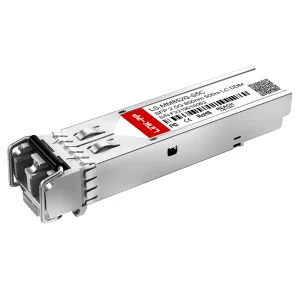
Multi Mode 850nm SFP 2.5G 550m MMF Duplex LC Optic Transceiver Module
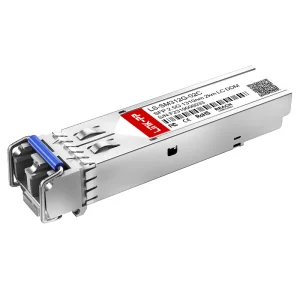
2.5GBASE-LX Single Mode 1310nm SFP 2.5G 2km Dual LC Optic Transceiver Module
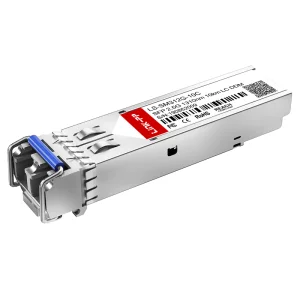
Single Mode 2.5G SFP 1310nm 10km DDM Duplex LC Optical Transceiver Module
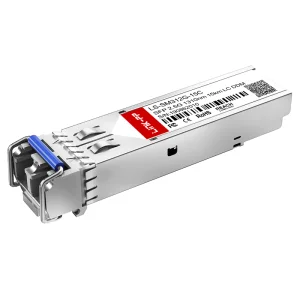
2.5GBASE-LX Single Mode 2.5G SFP 1310nm 15km SMF LC Optical Transceiver Module