Fibronexa
Fibronexa
Fibronexa
High-performance transceivers, standard modular jacks, and industrial optical interfaces engineered for mission-critical reliability.
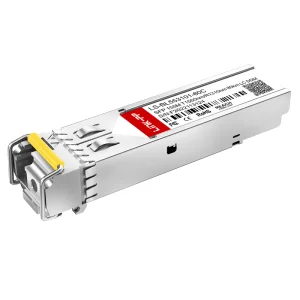
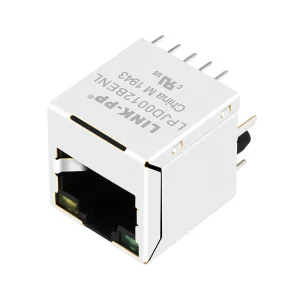
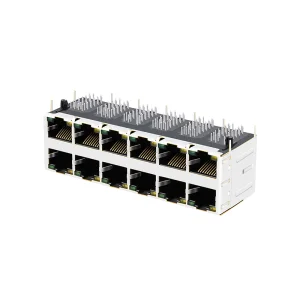
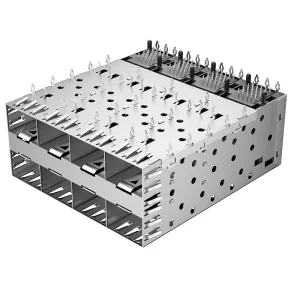
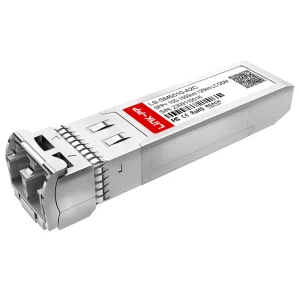
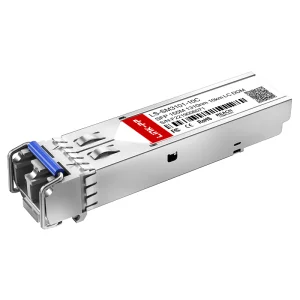
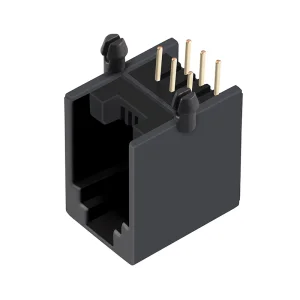
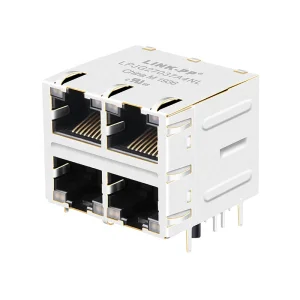
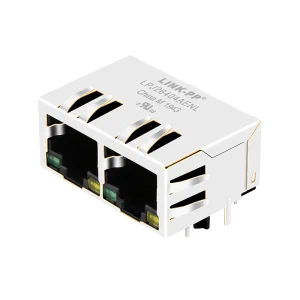
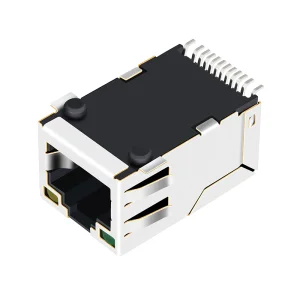
RJ45 female connectors, also known as modular jacks or 8P8C (Eight Position Eight Contact) receptacles, form the core structural backbone of wired local area networks (LANs). In the modern industrial and enterprise network environment, these physical interfaces must carry high-frequency signals with minimal loss while mitigating severe electromagnetic interference (EMI) and cross-talk.
Over the last decade, RJ45 design has evolved from basic Category 5 (Cat5) parameters up to sophisticated Category 6A (Cat6A) and Category 8 (Cat8) implementations, capable of transmitting data at speeds ranging from 10 Mbps up to 40 Gbps. As internet-of-things (IoT) ecosystems, high-performance edge computing, and high-density computing clusters proliferate, physical interconnect components are increasingly required to provide integrated magnetics (MagJacks) that incorporate filtering capabilities directly into the metal shielding shell.
Our global clients—ranging from telecom equipment installers to medical diagnostics manufacturers—rely on precision-engineered RJ45 components to guarantee sustained uptime, prevent pin corrosion, and withstand hundreds of insertion cycles under extreme operating temperatures.
Modern RJ45 female connectors frequently incorporate integrated isolation transformers and common-mode chokes. This integration minimizes PCB real estate footprint, improves EMI suppression, and provides high galvanic isolation (typically 1,500 Vrms) required by industry safety guidelines. By filtering high-frequency noise right at the port entrance, these units protect sensitive physical layer (PHY) transceiver silicon chips from transient surges.
Navigating the engineering trends and architectural parameters driving next-generation hardware designs.
High-power PoE applications (delivering up to 90W via IEEE 802.3bt) require RJ45 connector contacts that prevent spark erosion (arcing) during unmating under load. Modern alloys and 50u" gold-plated contact interfaces preserve structural integrity and prevent contact resistance increases over time.
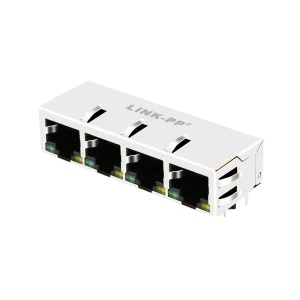
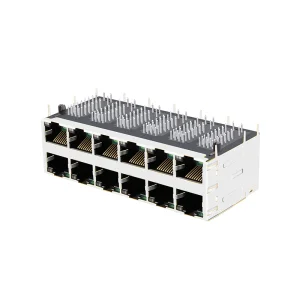
Stacked multi-port options, such as 2x6 or 2x2 modular layouts, enable telecom switch and server designers to maximize faceplate port density. When integrating these stacked connectors, crosstalk between adjacent ports must be heavily restricted through optimized internal routing and specialized ground shield contacts.
In high-EMI environments like smart factories and heavy machining halls, unshielded twisted pair connections fail. Advanced RJ45 connectors feature full brass-nickel plated alloy shields with multiple EMI grounding tabs to establish low-impedance paths to the chassis ground, ensuring complete protection from stray RF signals.
Fibronexa Communications Co., Ltd. (Fibronexa Optical Transceiver Manufacturer) is a professional optical transceiver and high-speed interconnect manufacturer established in 2016. The company specializes in high-speed fiber optic communication and modular interface solutions for global data centers, telecommunication carriers, and industrial network infrastructures.
Operating a modern, precision-engineered production facility covering approximately 320㎡, Fibronexa has built a highly stable, ISO-compliant manufacturing matrix supported by automated testing, high-speed SMT lines, and precision connector assembly cells. This localized and highly optimized footprint allows us to maintain strict quality metrics and scale production efficiently to serve clients worldwide.
Our annual export revenue sits at approximately USD 12 million, underpinned by more than 6 years of export expertise and a combined team history of 10 years in specialized optical communication engineering. Through key logistic nodes, we ship our network solutions to clients across North America, the European Union, Southeast Asia, and the Middle East.
Quality control at Fibronexa is maintained via rigorous automated optical testing systems coupled with comprehensive manual inspection steps. This process covers 100% loopback testing, signal eye diagram evaluations, and environmental thermal stress screening, guaranteeing zero-defect hardware delivery.
A visual tour through our advanced manufacturing plant, featuring high-speed optical module assembly, SMT line precision, and quality assessment laboratories.
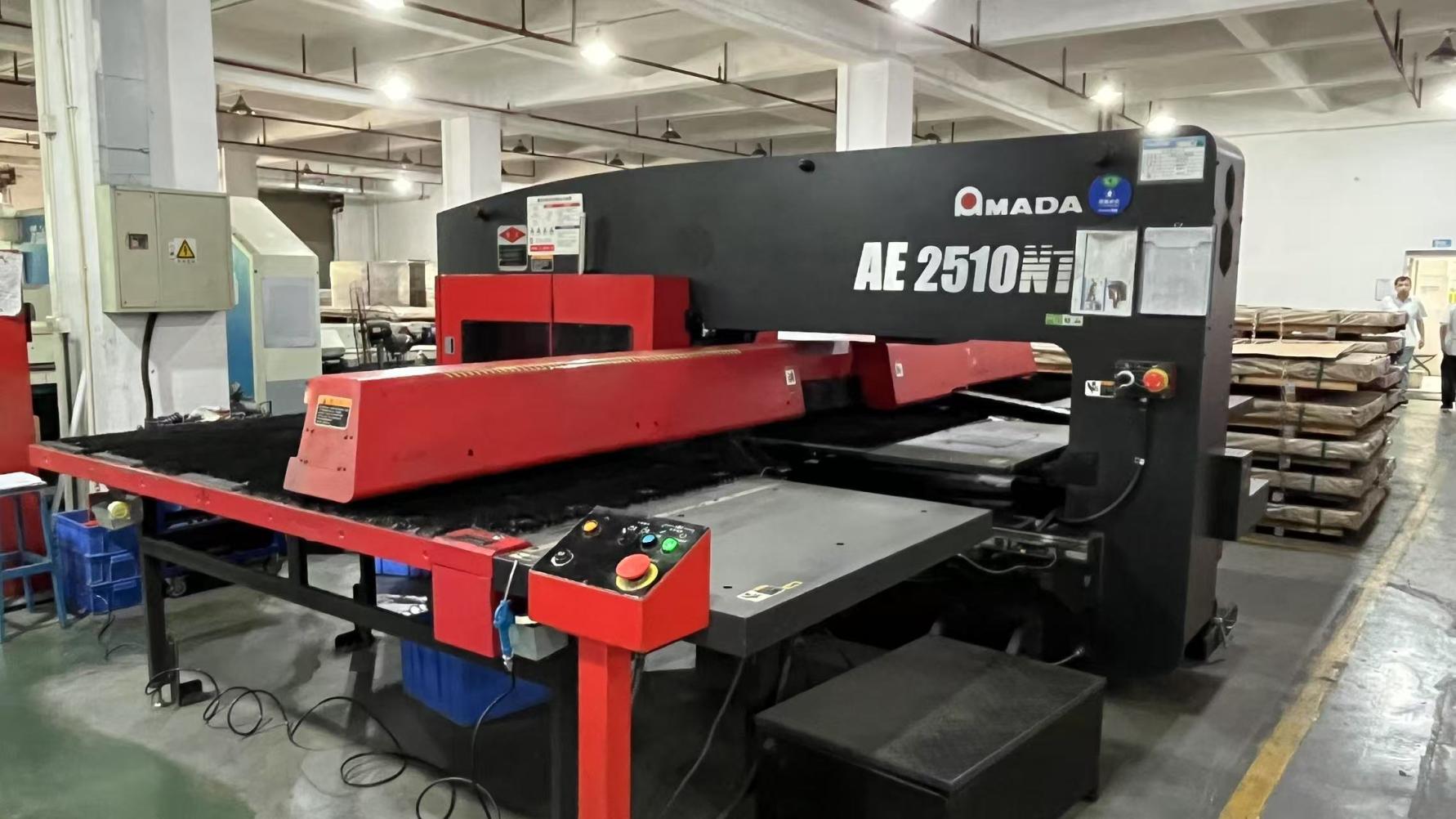
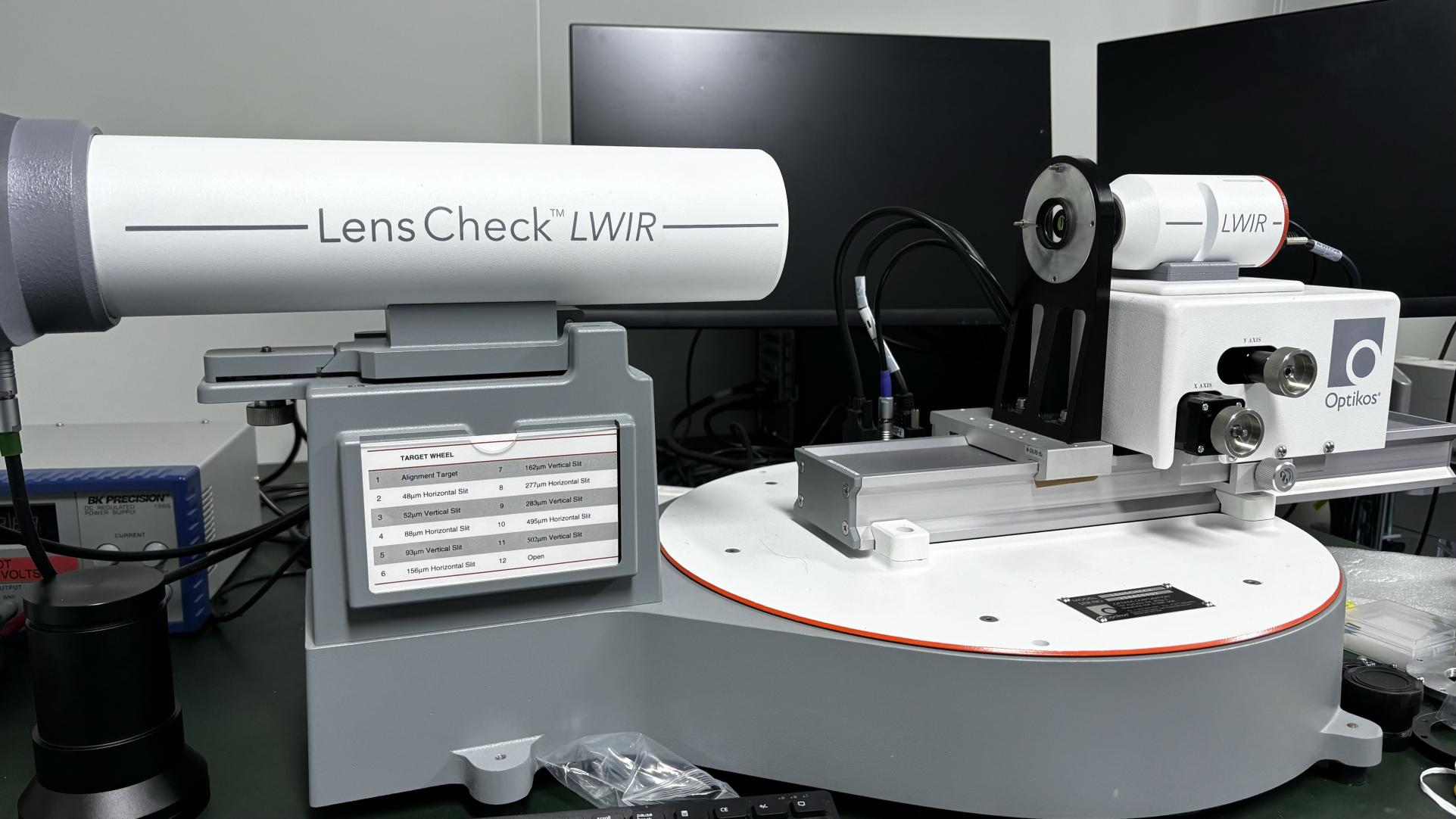
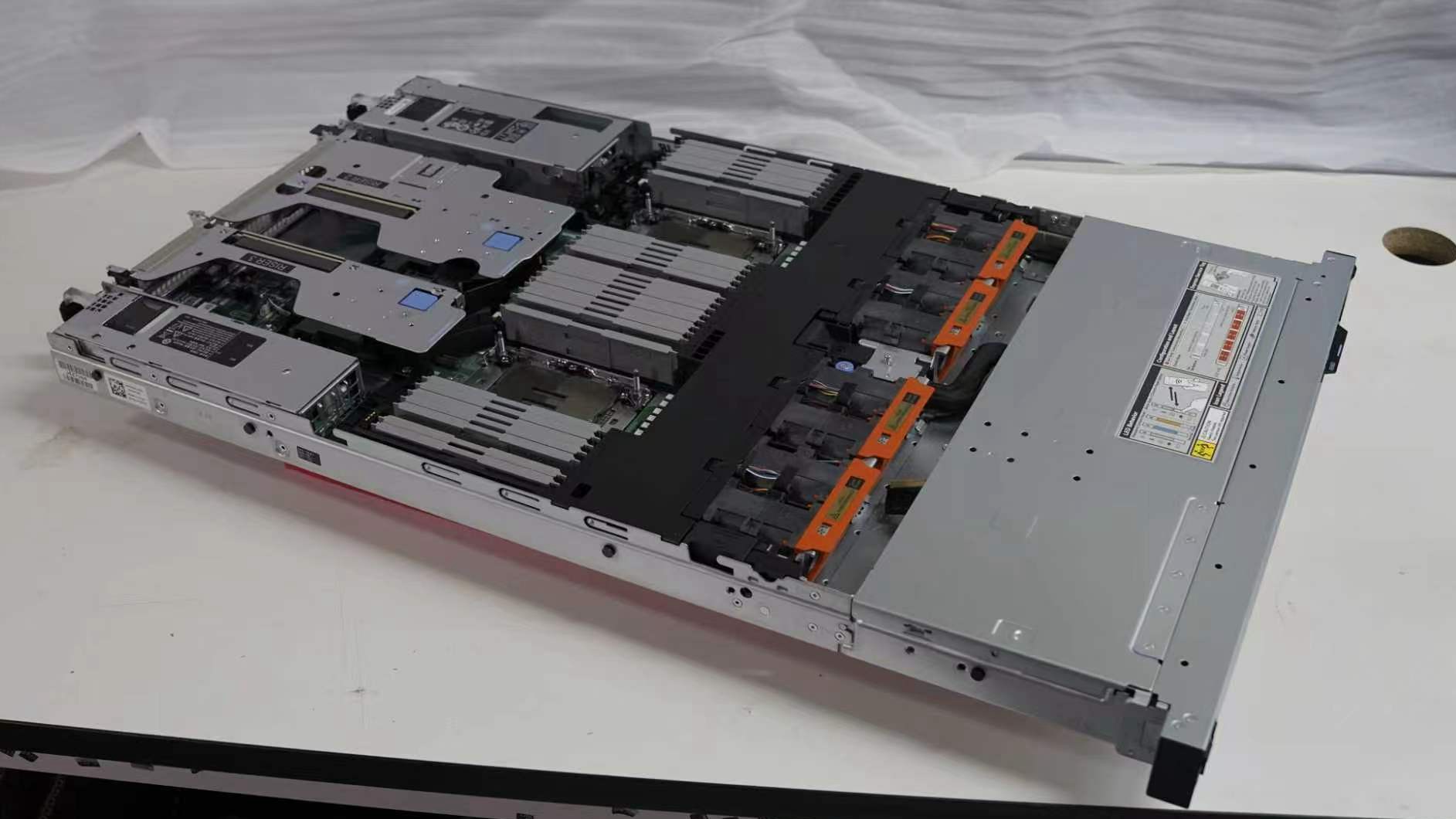
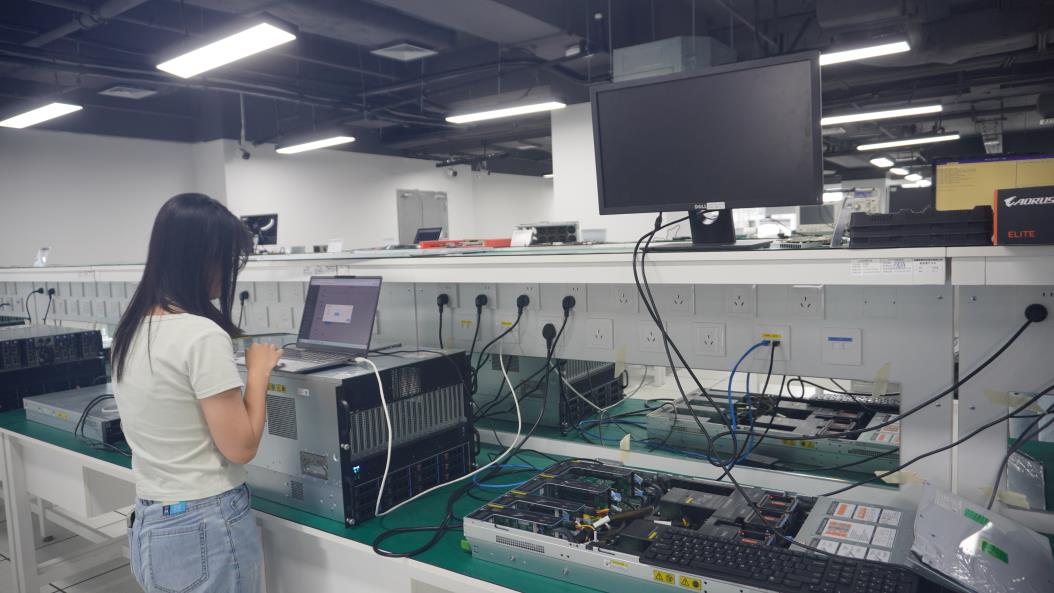

Our manufacturing workflow is designed around scalability and customization flexibility. Armed with an active engineering department of 85 R&D professionals, Fibronexa launched approximately 120 new products in the past year alone. This fast-paced cycle includes engineering support for wavelength configurations, transmission distances up to 120km, custom PCB layouts, and multi-protocol compatibility checks.
We work in close cooperation with over 1,200 strategic upstream and downstream supply partners. This strong network helps buffer our operations against sudden component shortages, ensuring that our core connectors, IC chips, and optoelectronic components are sourced from validated channels to maintain consistent production timelines.
Refer to this quick technical guide when selecting RJ45 and high-speed optical transceiver components for new product designs.
| Connector & Interface Type | Typical Data Rate | Key Shielding / Magnetics | Optimal Mating Life Cycle | Primary Industrial Standard |
|---|---|---|---|---|
| Vertical RJ45 (8P8C) Jack | 10 / 100 Base-T | Internal transformers, LED indicators | > 750 Insertions | IEEE 802.3u, UL 94V-0 |
| Stacked RJ45 (e.g. 2x6 Port) | 10/100/1000 Base-T | Full EMI Nickel-Brass alloy, LED | > 1,000 Insertions | IEEE 802.3ab, FCC Part 68 |
| PoE+ Integrated RJ45 Jack | 1000 Base-T (Gigabit) | High-isolation Magnetics, 30W-60W support | > 750 Insertions | IEEE 802.3at / 802.3bt |
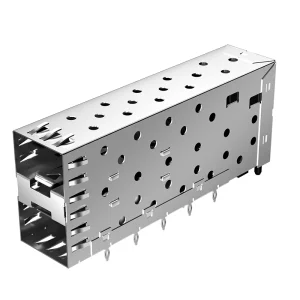
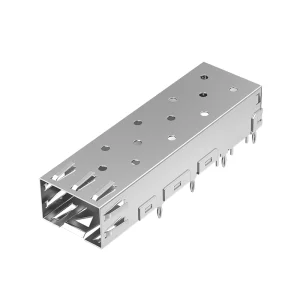
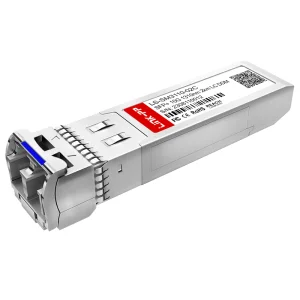
| SFP Receptacle Cage Assembly | Up to 10 Gbps (SFP+) | Full Metal Shell, Press-fit Ground Tabs | > 100 Insertions | SFF-8431, SFF-8432 MSA |
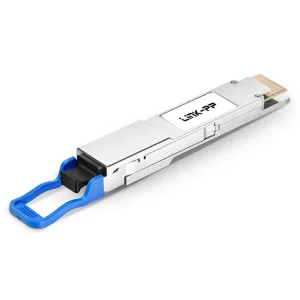
| QSFP-DD Receptacle Cage | Up to 400 Gbps | Inner elastomer gaskets, integrated heatsink | > 250 Insertions | QSFP-DD MSA, IEEE 802.3bs |
Selection Engineering Note: When implementing vertical RJ45 jacks (such as the SI-46001-F), thermal expansion differences between the plastic housing material (often thermoplastic glass-filled polyester or High-Temp LCP) and the FR4 PCB substrate must be taken into profile calculations for wave soldering processes. Standard engineering practices demand that connectors withstand up to 260°C for 10 seconds to survive lead-free reflow or wave soldering lines without body deformation.
Answers to critical questions regarding design, sourcing, compatibility, and reliability of RJ45 female connectors and optical components.
Precision hardware solutions, including multi-port optical cages and integrated magnetic modular connectors.