Fibronexa
Fibronexa
Fibronexa
High-performance transceivers and modular components optimized for telecom nodes and enterprise networks across Algeria.
Algeria is undergoing a rapid digital transformation, driven by massive national investments in broadband connectivity, mobile data infrastructure, and smart city implementations. Key public operators such as Algérie Télécom, Mobilis, Ooredoo, and Djezzy are aggressively expanding their fiber optic transmission networks (FTTH/FTTB) and rolling out robust 4G/LTE-Advanced while actively planning for 5G trials. Consequently, the demand for highly reliable hardware interfaces that link active optoelectronic devices to physical backplane networks has soared.
In addition to core telecom infrastructure, Algeria's vital industrial sectors—notably oil and gas giants like Sonatrach—are modernizing their control centers and telemetry architectures. From the desert processing facilities in Hassi Messaoud to the refinery complexes along the Mediterranean coast in Oran, robust industrial networking components are required. Devices operating in these rugged Saharan environments are subject to severe dust storms, extreme high-temperature swings, and localized electromagnetic interference (EMI). Under these conditions, the performance of physical cage structures like SFP cages determines whether optical transceivers function properly or suffer early thermal and signal failures.
Technical Insight: SFP cages designed for Saharan installations must feature specialized copper alloy matrices with nickel-underplated finishes, preventing corrosion from fluctuating humidity and micro-particulate infiltration.
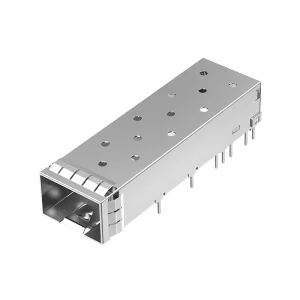
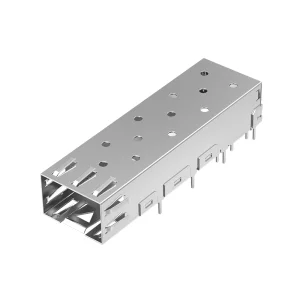
Small Form-factor Pluggable (SFP) cages serve as the mechanical interface and electrical ground path between optical transceivers and a system's printed circuit board (PCB). For system architects developing network switches, routers, and host channel adapters, selecting a premium SFP cage is essential to minimize EMI, manage thermal loads, and ensure physical compatibility across multi-vendor transceiver modules. As network speeds scale from 1Gbps up to 10G SFP+, 25G SFP28, and even 100G QSFP28, the mechanical integrity of the cage assembly directly affects signal attenuation, insertion loss, and crosstalk parameters.
Robust interconnect components designed to optimize board space and prevent network down-time.
Globally, SFP and optical module packaging have transitioned toward ultra-dense, multi-lane solutions. As the industry advances from SFP+ (10G) and SFP28 (25G) to QSFP28 (100G) and QSFP-DD (400G/800G), thermal management becomes the primary engineering constraint. A typical 400G optical module can dissipate up to 12 watts, requiring advanced heat-sink configurations integrated directly into the SFP/QSFP cage housing.
Furthermore, structural shielding remains a major design focus. Advanced manufacturing techniques utilize elastomeric EMI gaskets or integrated metal spring fingers to close off gaps around the cage opening. This ensures compliance with global electromagnetic emission standards such as FCC Part 15 and EN 55022. For systems operating in complex environments like Algeria's industrial plants or coastal telecommunications stations, robust shielding maintains data link integrity amidst high electromagnetic noise levels.
When routing SFP cages on system boards, engineers generally choose between Through-Hole Technology (THT) and Press-Fit (compliant pin) mounting methods:
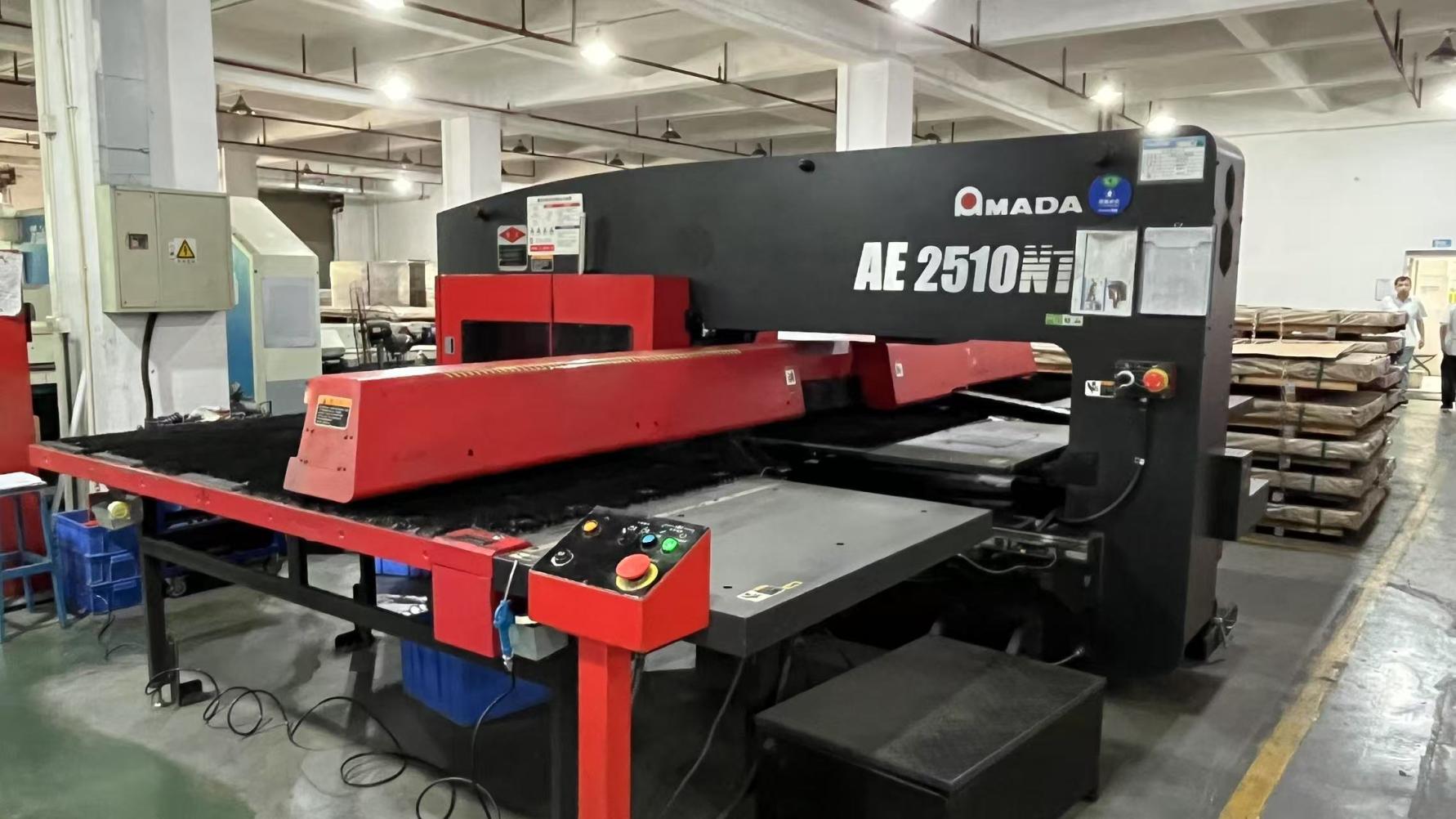
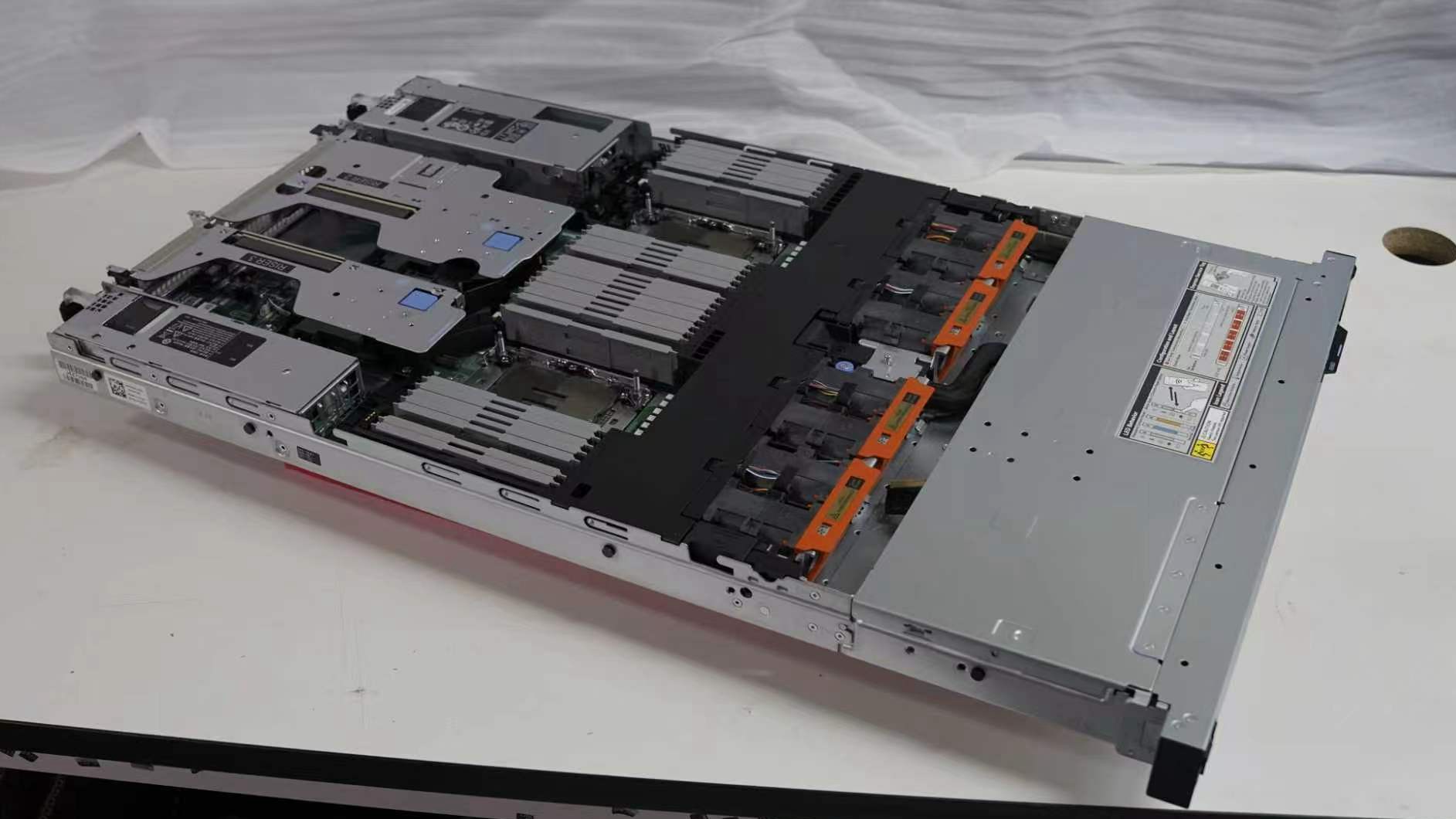
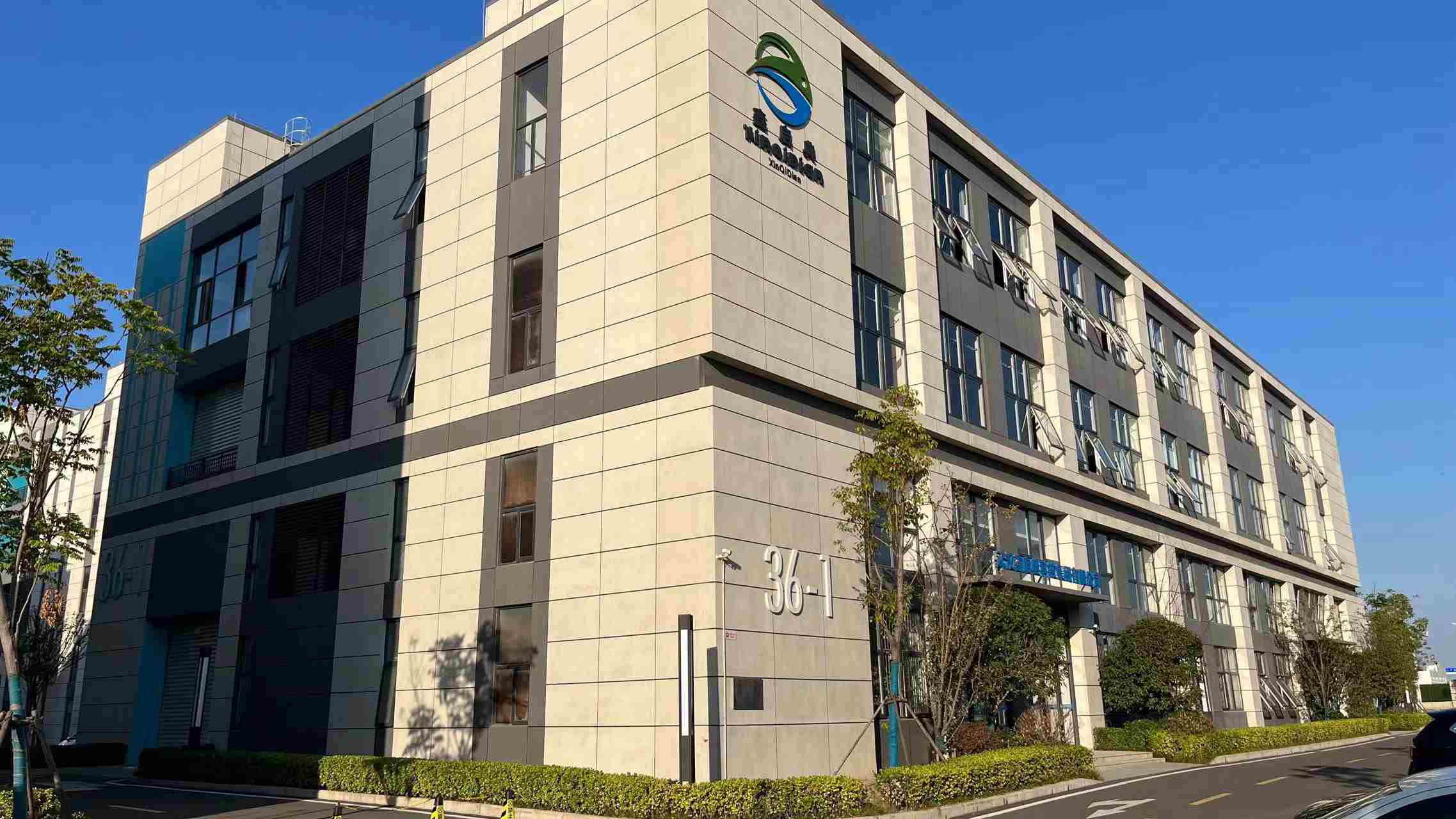
Fibronexa Communications Co., Ltd. (Fibronexa Optical Transceiver Manufacturer) is a professional manufacturer established in 2016. We specialize in high-speed fiber optic communication solutions for global telecommunications and enterprise data center networks. With a production facility optimized for advanced automation, we maintain high manufacturing precision and quality controls across our product lines.
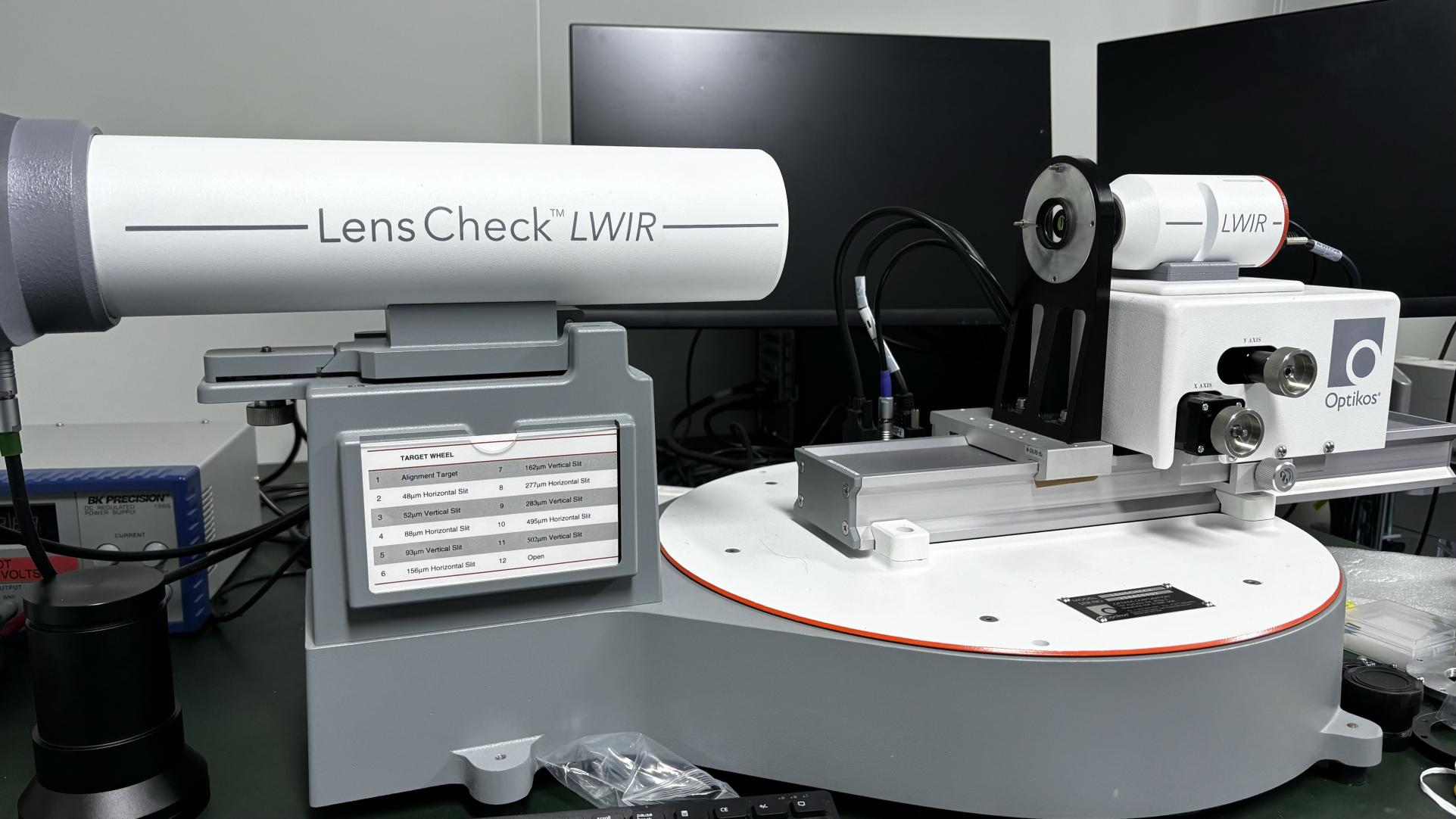
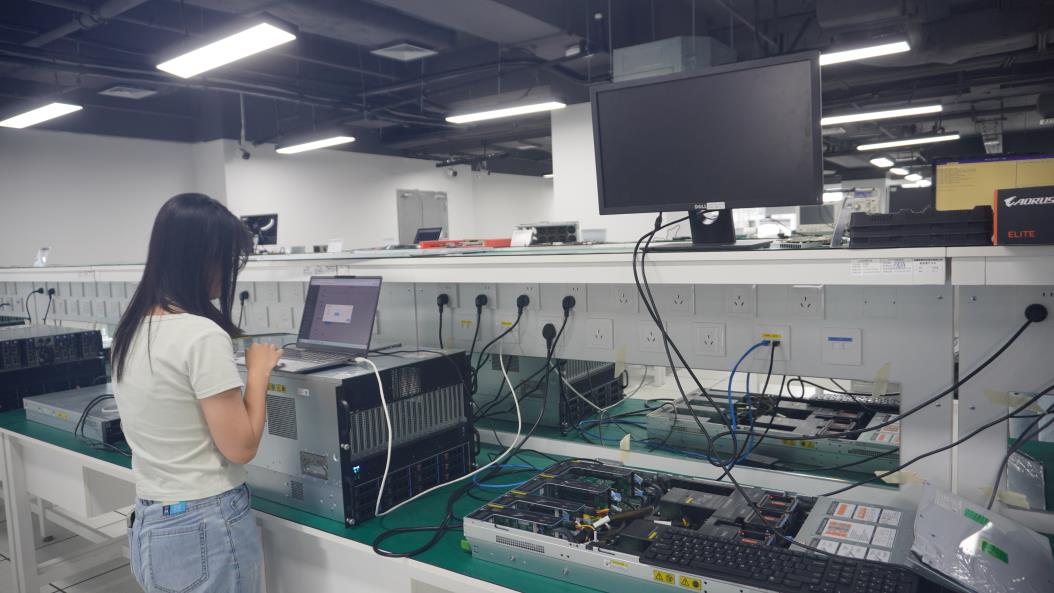
Supported by 10 years of industry experience and over 6 years of international trade history, Fibronexa serves a global customer base across Europe, North America, Southeast Asia, and the Middle East, generating an annual export revenue of approximately USD 12 million. Our quality assurance system leverages automated optical testing, manual inspection, and environmental stress screening. Our QC team of 45 trained professionals verifies that every component meets rigorous reliability standards.
Our supply chain network includes more than 1,200 partners, ensuring stable raw material sourcing and scale-up capabilities. Supported by an R&D team of 85 engineers, Fibronexa develops high-speed optical module technologies ranging from 1.25G to 400G and 800G. We introduced approximately 120 new products over the past year, offering customization options for wavelengths, transmission distances, packaging configurations, and protocol compatibilities to meet diverse deployment needs.
As networks expand throughout Algeria, reliable physical layer components are critical for key application scenarios:
In municipal hubs like Algiers, Oran, Constantine, and Annaba, network switches are undergoing density upgrades to support rising FTTH subscriber numbers. Using multi-port SFP cages (e.g., 1x2, 1x4, or 2x4 ganged configurations) allows operators to double or quadruple port densities on core distribution switches without increasing the footprint of line cards. Proper EMI shielding prevents channel-to-channel crosstalk, maintaining packet delivery rates and low latency.
Industrial networks linking Saharan processing facilities require high physical resilience. Equipment in these environments is often exposed to extreme thermal cycling and industrial vibrations. Through-Hole Soldered (THT) SFP cages provide the mechanical stability needed to withstand vibration, while industrial-grade transceivers ensure optical link performance remains stable under fluctuating temperatures.
With smart city programs and localized content delivery networks growing, edge data center deployments are rising. These installations require compact, high-efficiency equipment. SFP and SFP+ cages designed with integrated thermal interface materials and heat sinks allow system designers to manage component temperatures and improve hardware longevity.
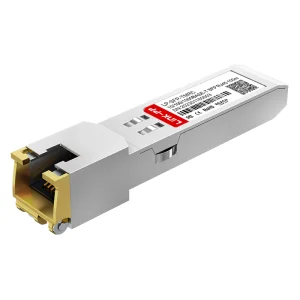
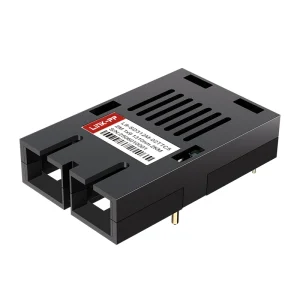
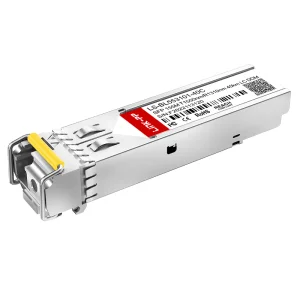
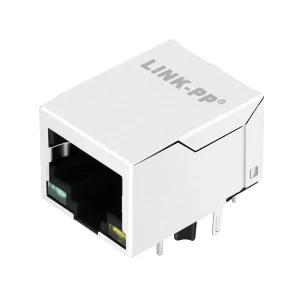
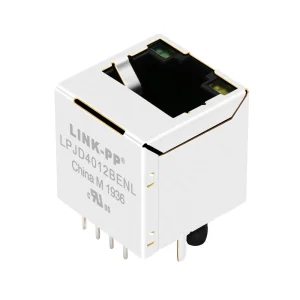
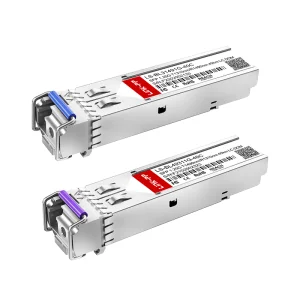
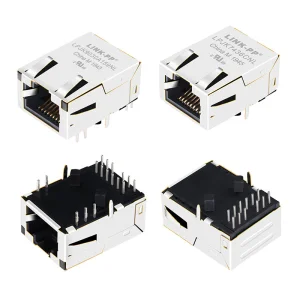
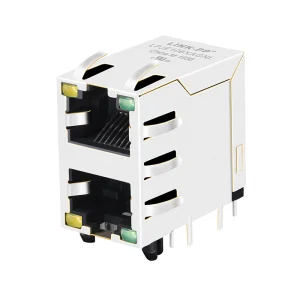
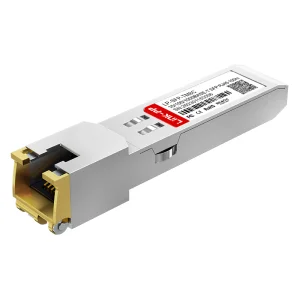
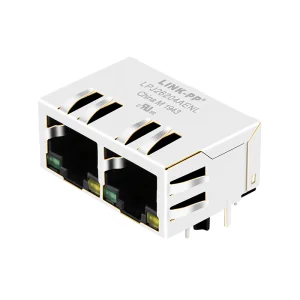
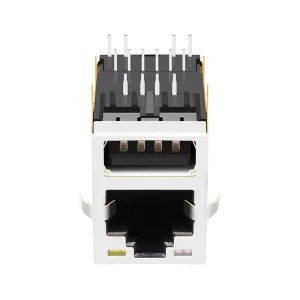
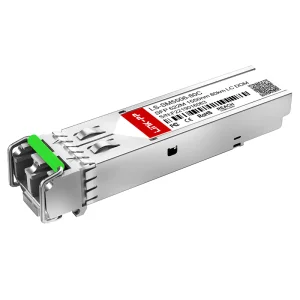
Explore our full line of network components, including EMI shielded cages, industrial RJ45 modules, and optical transceivers.
Essential insights regarding SFP cage selection, compatibility, and Algerian distribution support.
Contact our sales and engineering team for custom configurations, technical drawings, sample kits, and volume pricing tailored for the Algerian market.
Send Inquiry Now