Fibronexa
Fibronexa
Fibronexa
Deploying secure, high-density enterprise Wireless Access Points requires top-tier physical layer connectivity. Explore our essential RJ45 magnetic modules, transceivers, and optical components designed to sustain multi-gigabit speeds and support PoE+ standard execution.
As global corporations transition toward Wi-Fi 6E and Wi-Fi 7 protocols, physical constraints in network infrastructure have emerged as major system bottlenecks. To avoid packet dropping, signal loss, and system down-time, procurement officers must look beyond simple specifications and focus on the integrity of underlying components.
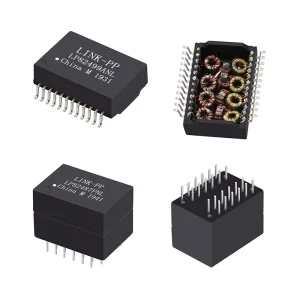
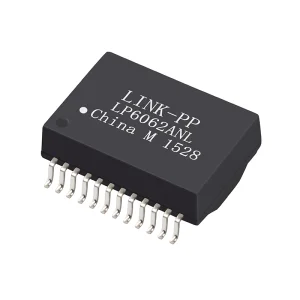
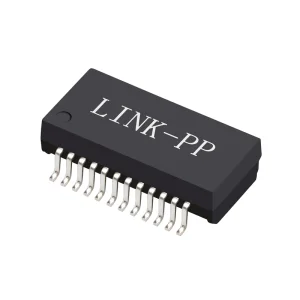
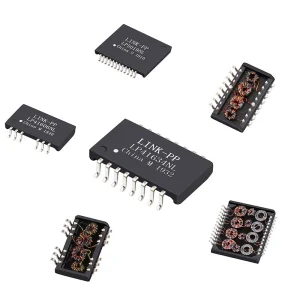
High-capacity enterprise WAPs rely on PoE/PoE+ input to eliminate dedicated electrical runs. Our H6062NL PoE+ Magnetic Transformers support robust current handling up to 600mA per pair, protecting silicon controllers against sudden line transients.
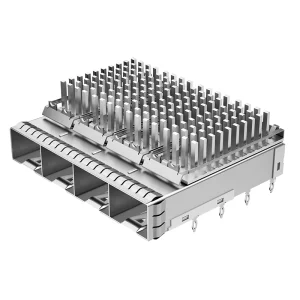
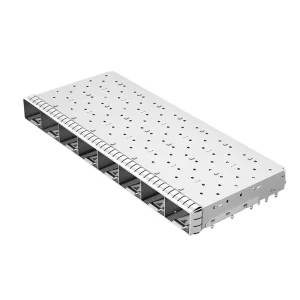
High-density deployment environments present severe cross-talk issues. Employing products like the 2170191-1 TE Compatible EMI Shielded Cage prevents external electromagnetic noise from degrading signal-to-noise ratios (SNR).
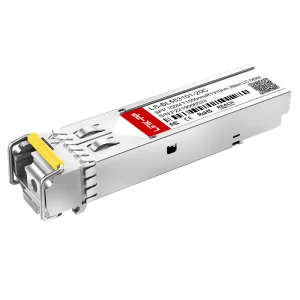
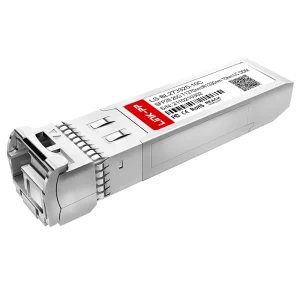
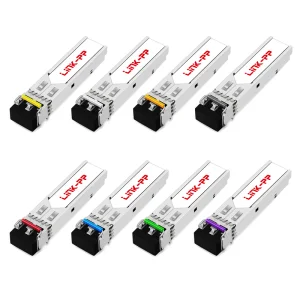
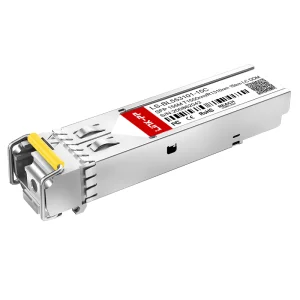
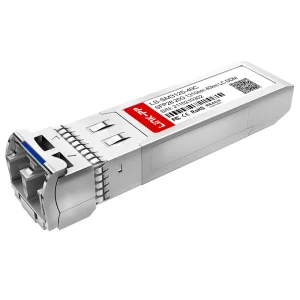
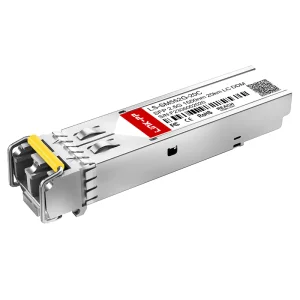
Copper wiring reaches limits at 100 meters. For campus deployments, SFP28 25G BiDi Transceivers extend high-bandwidth, single-mode fiber links up to 40km, ensuring the AP's backhaul matches multi-gigabit wireless capacities.
Every deployment vertical faces distinct connectivity hurdles. We match high-tier components to critical challenges, ensuring optimal operation for system integrators, telecom operators, and enterprise IT managers.
In distributed telecom sites, Wireless Access Points and 5G small cells must process dense bandwidths over extreme temperatures. Our optical modules (e.g., 25G SFP28 40km Transceivers) are designed with advanced Distributed Feedback (DFB) lasers and high-sensitivity APD receivers, supporting wide thermal profiles without signal decay.
Recommended Core Component: Single-Mode BiDi and CWDM SFP modules that run on simplex LC networks to maximize fiber strand investments.
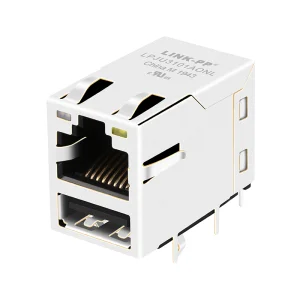
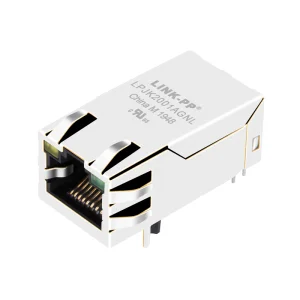
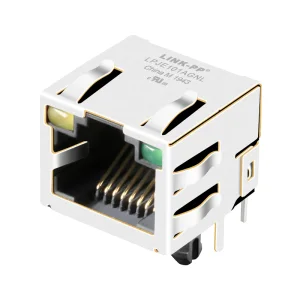
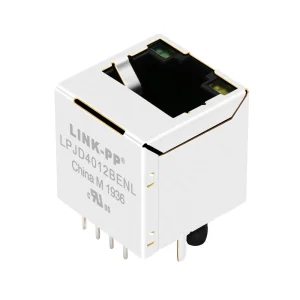
When hundreds of client devices run video conferencing, access points run hot and handle heavy workloads. To sustain throughputs, the access point requires robust PCB-to-cable interfaces. The Tab up 10/100 Base-t RJ45 Magjack with USB and integrated vertical top entry RJ45 connectors provide space-saving layouts on the internal PCB board while filtering out switching noise.
Key Parameter: Integrated common-mode chokes for noise suppression and built-in LEDs for onsite status diagnostics.
The wireless transmission industry is rapidly shifting toward Wi-Fi 7 (IEEE 802.11be), utilizing channels as wide as 320 MHz and 4096-QAM modulation. These advancements require the underlying physical layer (PHY) components to handle unprecedented data densities.
Gigabit copper backhaul, 1G SFP links, 802.3at PoE+ (30W). Base components focus on standard RJ45 connectors with standard shielding.
Multi-Gigabit ports (2.5G/5G/10G copper, 10G/25G SFP+ fiber backhaul), PoE++ (60W-90W). Demands magnetic transformers with higher DC current capacities to prevent core saturation.
High-frequency band coordination, low-latency target wake times, smart antenna integration. Transceivers require low dispersion under extended usage cycles.
Ruggedized, fully-shielded ganged SFP+ cages and vertical entry RJ45 jacks for vibration-heavy manufacturing floors.
Quality is not an afterthought; it is engineered into our daily operations. Operating from our advanced facility in Shenzhen, China, Fibronexa utilizes automated optical test systems, environmental stress testing, and strict manual QA inspection to meet demanding telecom standards.
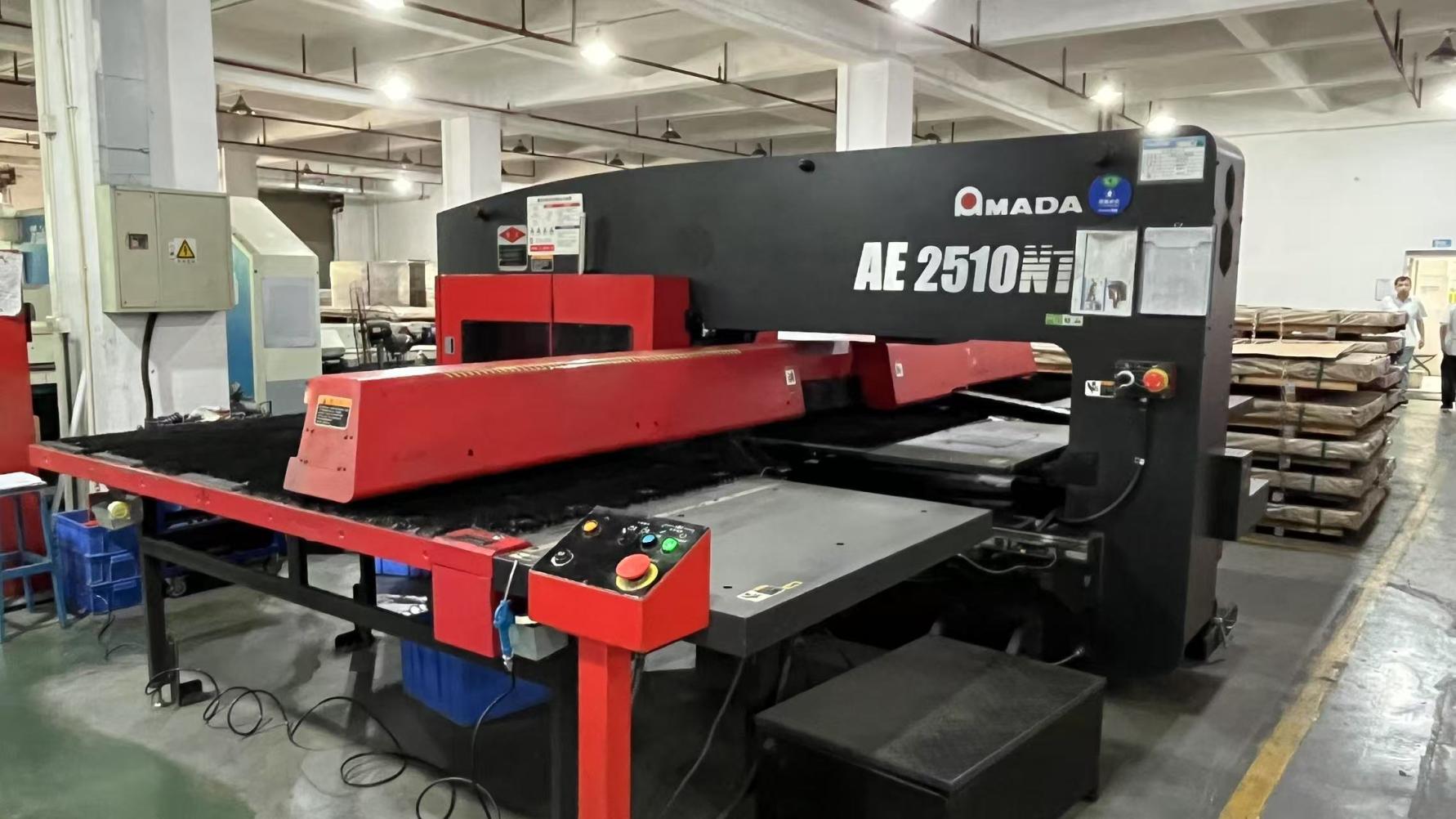
Automated PCB Mounting Area
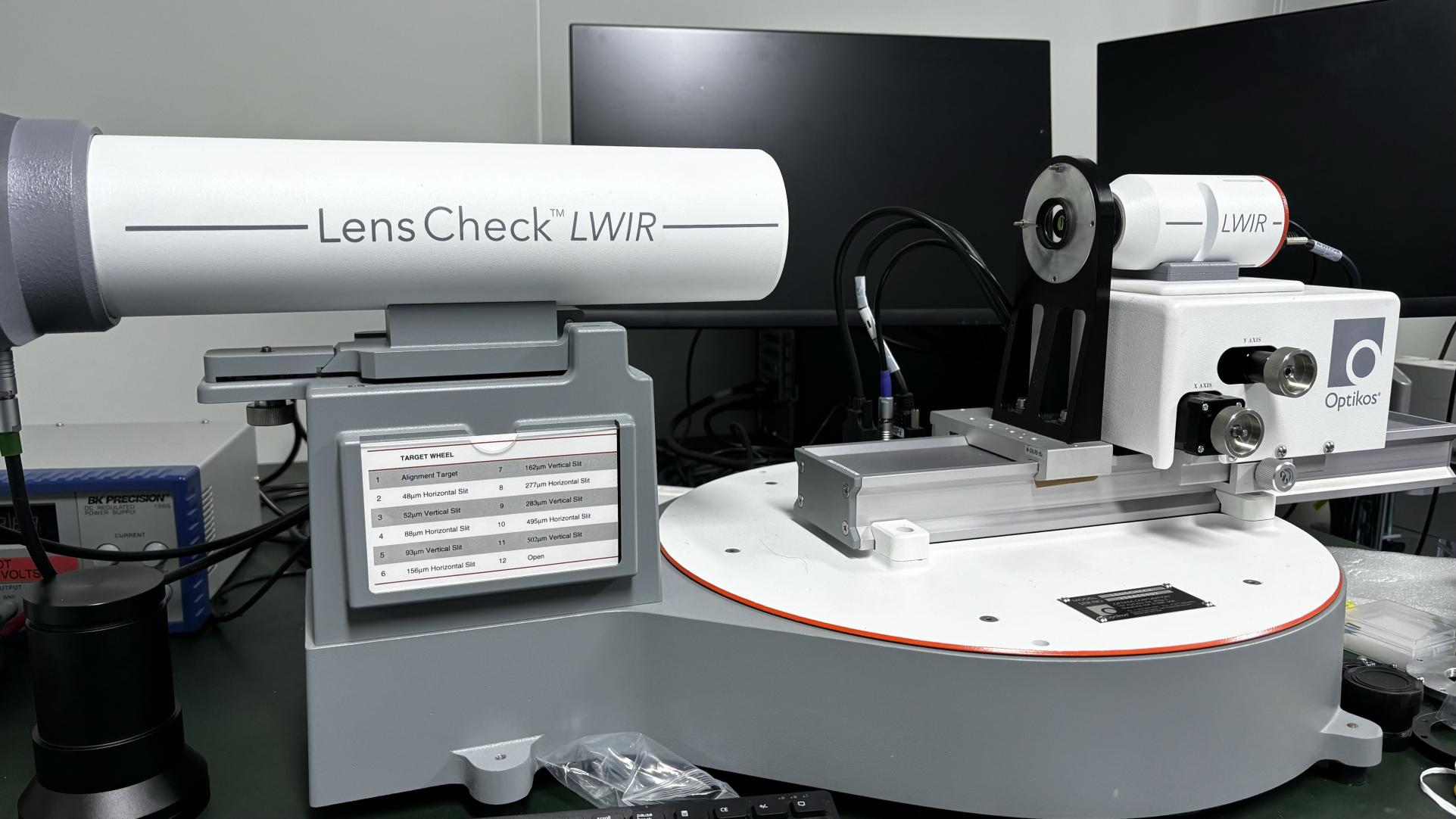
High-Frequency Test Laboratory
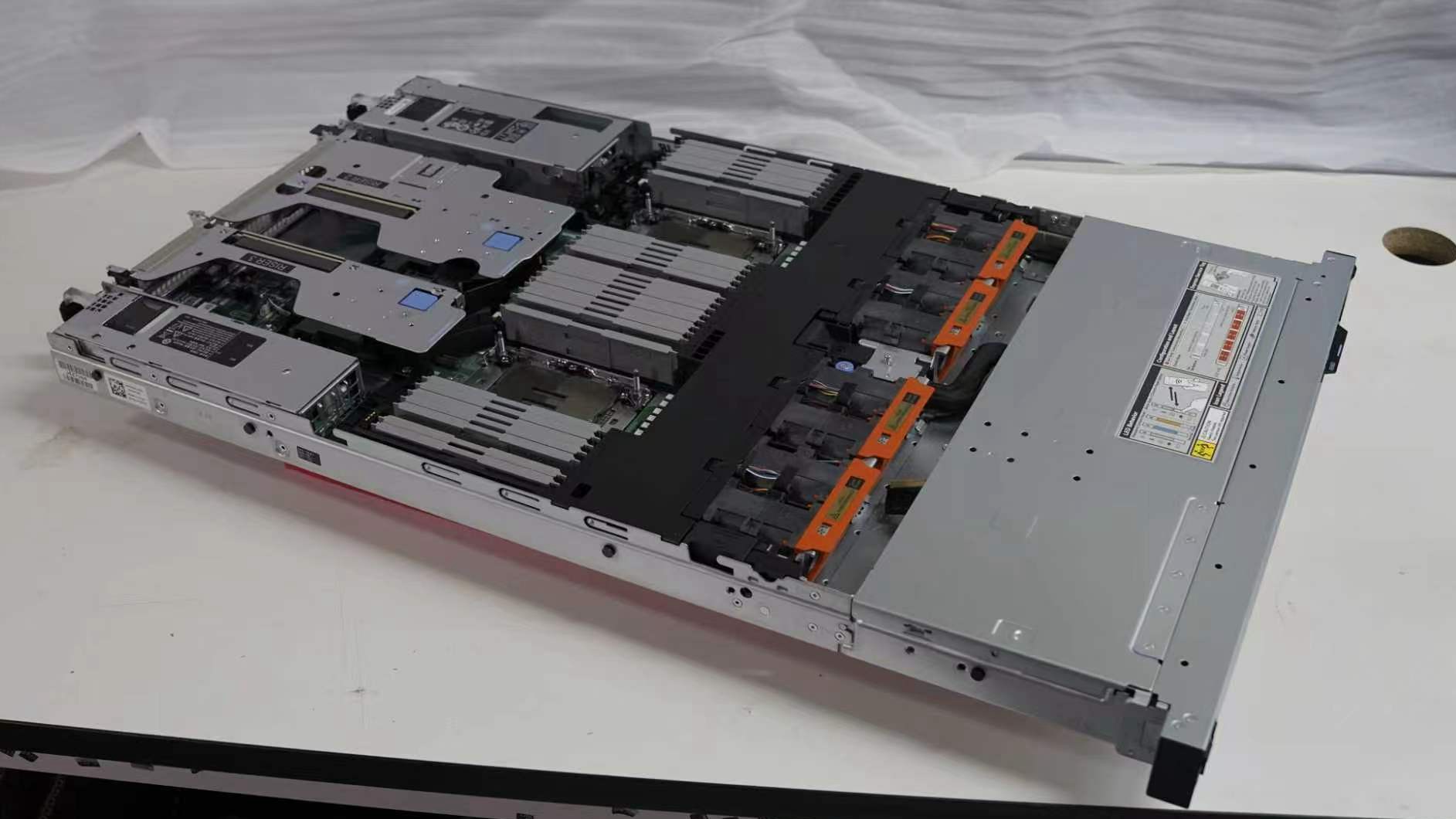
Precision Cleanroom Workshop
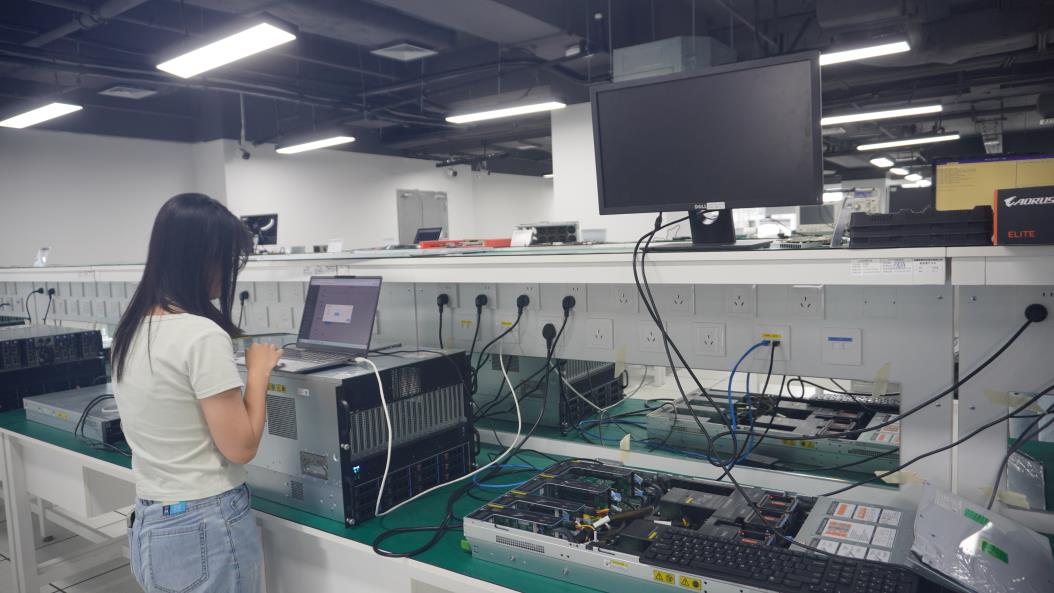
Automated Optoelectronic Diagnostics

100% Quality Screening Facility
Exporting globally requires rigorous adherence to local regulations. Fibronexa manages certifications and logistical pipelines to ensure risk-free onboarding for international enterprises.
Our networking transceivers, RJ45 jacks, and magnetic transformers comply fully with the following standards:
Fibronexa works with over 1,200 strategic supply partners to maintain raw material inventory. This protects our buyers from manufacturing delays due to silicon or magnet wire shortages.
We provide localized engineering support, offering Custom Design (ODM) modifications for specific PCB pinouts, tailored magnetic parameters, and custom firmware coding for third-party host switches.
Complete your equipment deployment with our secondary line of high-speed SFP cages, vertical RJ45 jacks, and long-range optical transceivers.