Fibronexa
Fibronexa
Fibronexa
Explore our state-of-the-art optical interfaces and RJ45 assemblies tailored for robust enterprise deployments.
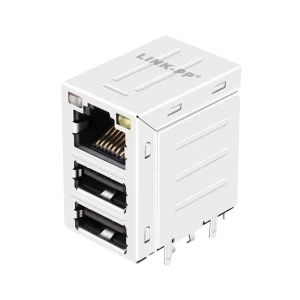
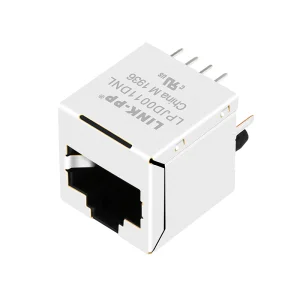
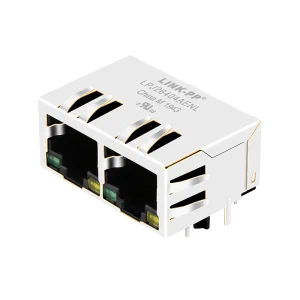
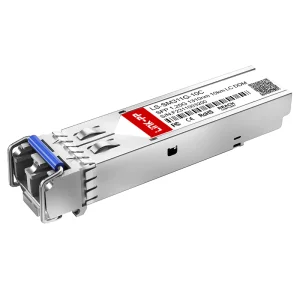
Empowering the infrastructure behind High-Performance Computing, Industrial IoT, and Edge Networking.
The global network infrastructure landscape is undergoing a monumental transition driven by the proliferation of Artificial Intelligence (AI), Machine Learning (ML) workloads, and 5G telecommunication networks. At the center of this transformation is the physical interconnect tier. Ethernet port connectors, ranging from legacy RJ45 jacks with integrated magnetics to high-density SFP+ cages and multi-gigabit transceivers, serve as the vital gateways for data exchange.
According to recent market research, the global market for Ethernet connectors and media converters is expanding at a CAGR of 6.8%, projected to cross billions in valuation. As bandwidth demands escalate from 1 Gbps to 10 Gbps and onwards to 400 Gbps/800 Gbps, the mechanical and electromagnetic tolerances required of physical ports have reached nanoscale precision. Signal integrity must be preserved across critical paths in hyper-scale data centers, automated factories, and smart city nodes.
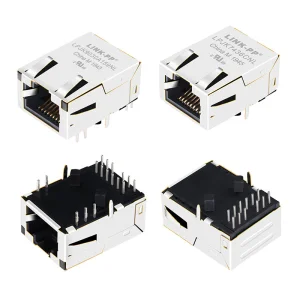
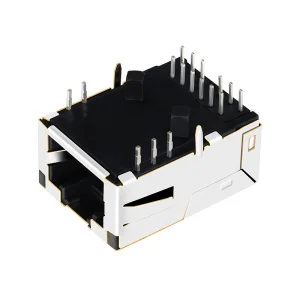
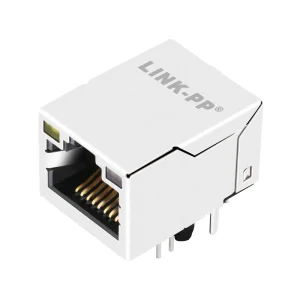
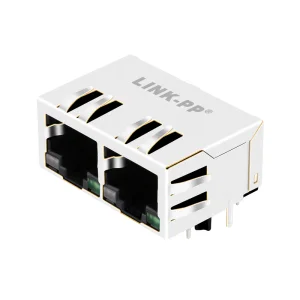
Today's physical layer components are no longer simple plastic housings. They are complex electromagnetic subsystems. Integrated magnetic connectors (often referred to as MagJacks) now incorporate common-mode chokes, isolation transformers, and ESD suppression capacitors directly inside the RJ45 housing. This saves board space, reduces electromagnetic interference (EMI), and prevents high-frequency noise from degrading signal lines.
Understanding why the world's leading brands rely on advanced production hubs for physical layer components.
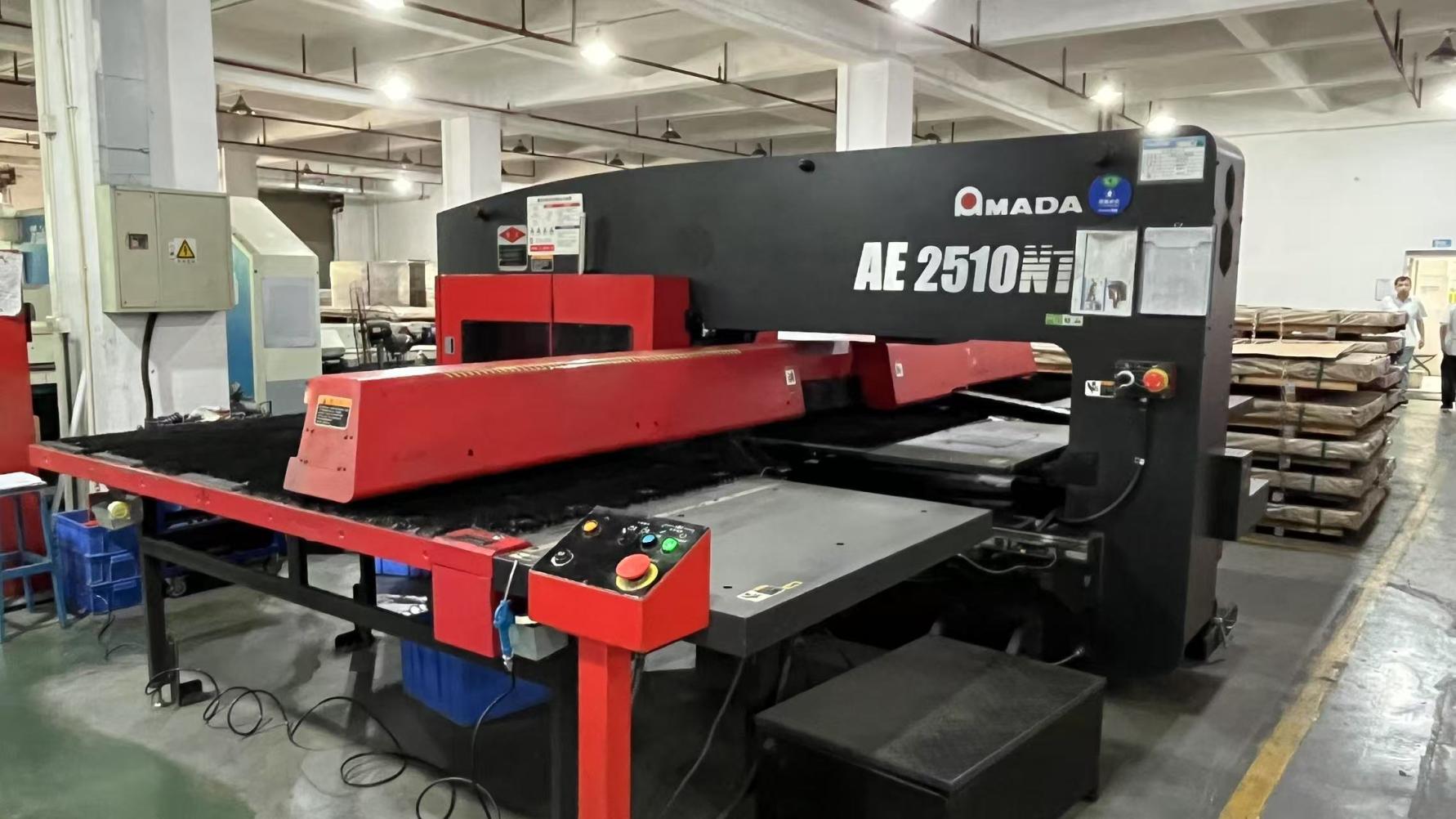
Modern Chinese component manufacturing facilities leverage high-speed stamping, insert molding, and automated winding for magnetic components. This reduces human error, increases yield consistency, and drives unit costs down by over 30% compared to Western manufacturing hubs.
By positioning plants within tight-knit industrial clusters, manufacturers gain immediate access to local copper refineries, gold-plating facilities, high-temperature plastic compounders, and metal shield suppliers, minimizing logistical delays.
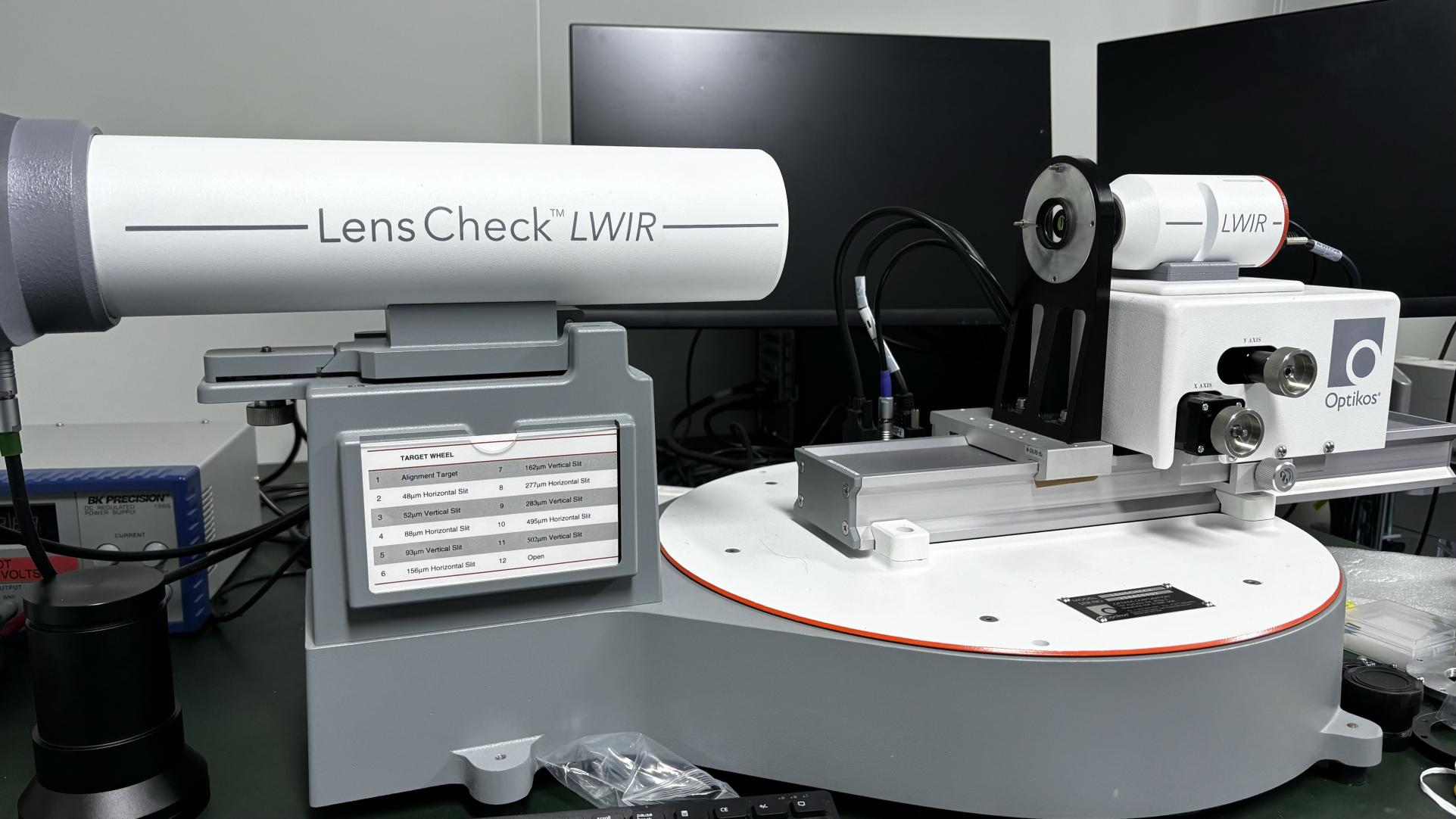
Leading Chinese exporters comply strictly with international qualifications including UL, CE, FCC, RoHS, and REACH. Advanced testing rigs evaluate contact resistance, dielectric strength, mating cycles (up to 750 insertions), and solderability before shipping.
Combining optical transceiver engineering, high-volume production, and customized engineering services.
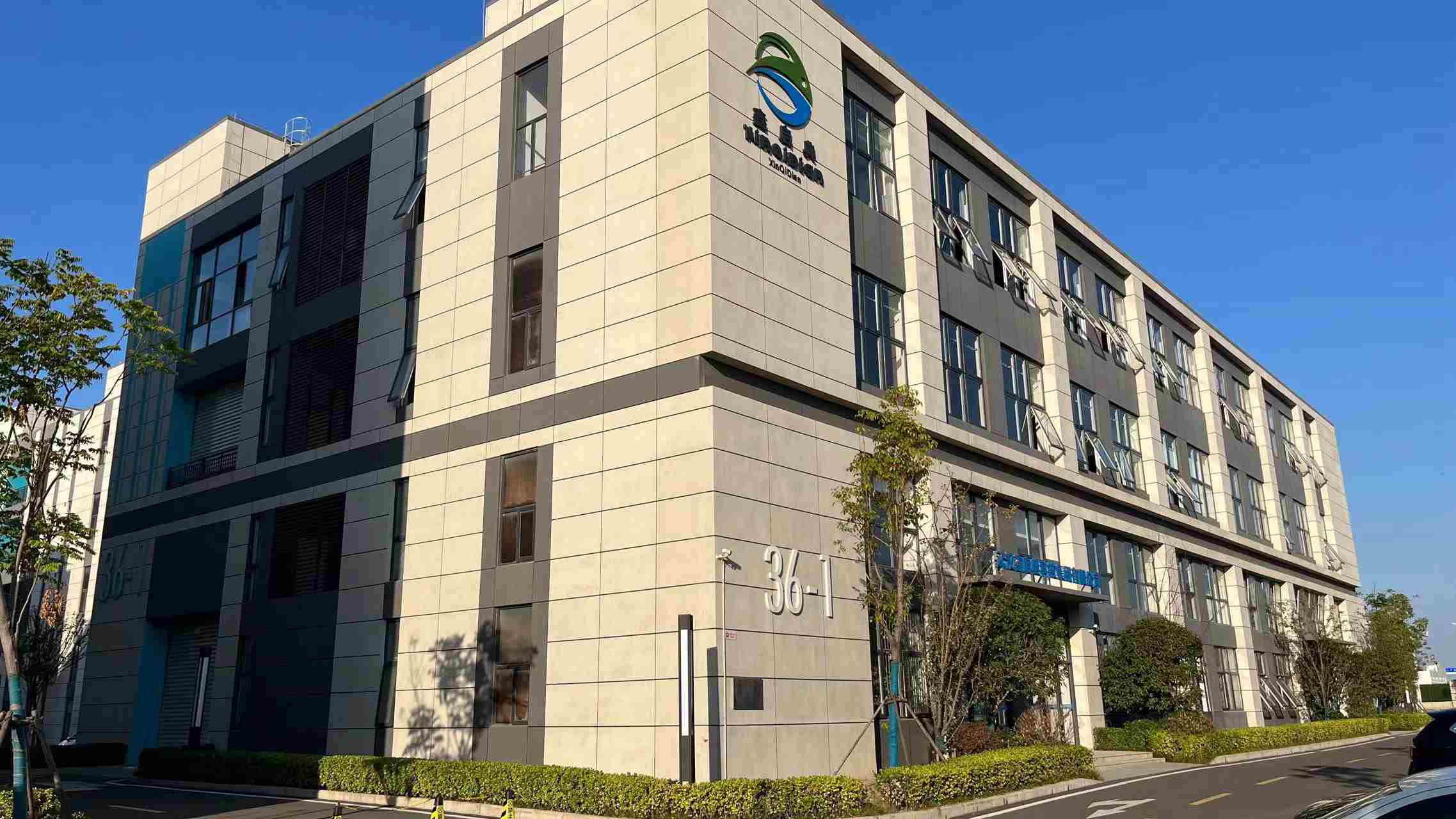
Fibronexa Communications Co., Ltd. (Fibronexa Optical Transceiver Manufacturer) is a professional optical transceiver manufacturer established in 2016, specializing in high-speed fiber optic communication solutions for global data center and telecom infrastructure markets. With a modern production facility covering approximately 320㎡, Fibronexa has built a stable and efficient manufacturing system supported by advanced automation and precision assembly processes.
The company generates an annual export revenue of around USD 12 million, with over 6 years of export experience and 10 years of accumulated industry expertise in optical communication technology. Fibronexa has developed strong global trade capabilities, serving customers across North America, Europe, Southeast Asia, and the Middle East.
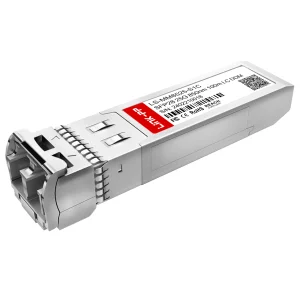
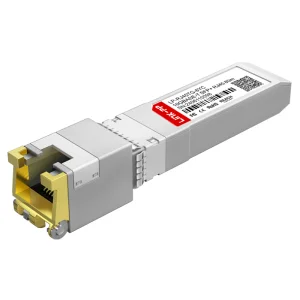
Driven by strong engineering capabilities, Fibronexa operates with a R&D team of around 85 engineers, focusing on high-speed optical modules, including 10G, 25G, 100G, 400G, and emerging 800G solutions. The company launched approximately 120 new products in the past year, with flexible customization options available for wavelength, distance, packaging, and protocol compatibility.
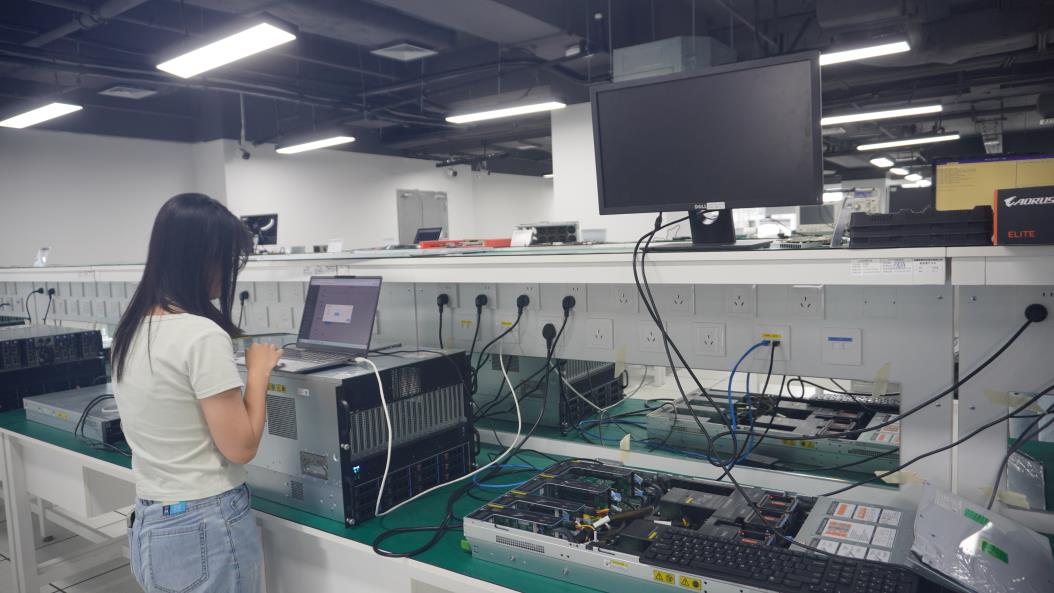
Quality is strictly controlled through a combination of automated optical testing systems and manual inspection processes, including 100% performance testing and environmental stress screening. The quality assurance team consists of approximately 45 trained QC professionals, ensuring every product meets international standards for reliability and performance.
Fibronexa maintains a robust supply chain network with more than 1,200 strategic upstream and downstream partners, enabling stable component sourcing and fast production scalability. The company primarily serves telecom operators, data center integrators, enterprise network solution providers, and OEM/ODM customers worldwide. Fibronexa continues to invest in innovation and product reliability, positioning itself as a trusted global partner in next-generation optical communication infrastructure.
A detailed breakdown of key global players leading the interconnect market in reliability, R&D capacity, and scalability.
| Manufacturer Name | Headquarters | Core Product Focus | Target Industries / Strengths |
|---|---|---|---|
| TE Connectivity | Switzerland / US | Industrial RJ45, SFP Cages, Heavy-Duty M12/M8 Connectors | Aerospace, Automotive, Heavy Industry, Enterprise Computing |
| Molex | United States | Integrated Magnetics, High-Speed Backplanes, Micro-pitch Connectors | Data Centers, Consumer Electronics, Telecom, Industrial IoT |
| Amphenol | United States | Ruggedized Ethernet, Fiber Optic Transceivers, High-Speed Cabling | Military, Telecom Infrastructure, Mobile Devices, Railways |
| Pulse Electronics | United States | Ethernet Magnetic Jacks (MagJacks), Power Inductors, RF Antennas | Networking Routers, Base Stations, Industrial Controllers |
| Fibronexa Communications Co., Ltd. | China | High-Speed Optical Modules (10G to 400G), Compatible Transceivers, RJ45 Solutions | Telecom Operators, Cloud Data Centers, Agile OEM/ODM Customization |
| Bel Magnetic Solutions | United States | MagJack® Integrated Connector Modules (ICMs), Power Supplies | Consumer Electronics, Industrial automation, High-density Switches |
| Harting Technology Group | Germany | Single Pair Ethernet (SPE), Heavy Industrial Connectors (Han®), RJ45 | Smart Factories, Locomotive Systems, Machine Tooling |
| Hirose Electric | Japan | Precision Micro-Connectors, Compact RJ45 Jacks, Coaxial Interfaces | High-Density PCBA, Automotive infotainment, Robotics |
| Foxconn Interconnect Technology (FIT) | Taiwan | High-Speed Backplane Connectors, SFP/QSFP Transceivers, Copper Cabling | Hyper-Scale Cloud Servers, AI Computing Clusters, Telecom Gear |
| Würth Elektronik | Germany | EMC Components, Integrated RJ45 Transformers, Inductors | Power Electronics, Automotive Grade Systems, Prototyping Kits |
How engineering designs evolve to meet the distinct environments of different industries.
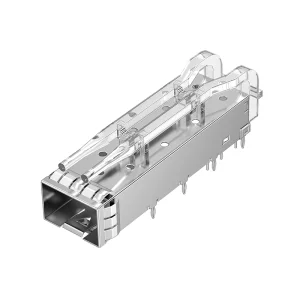
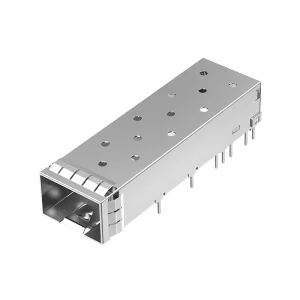
In data centers, minimizing latency and maximizing port density is paramount. Engineers specify SFP+ or SFP28 metallic cages with integrated EMI fingers to stack ports tightly on top-of-rack (ToR) switches. These cages isolate high-frequency electromagnetic noise, allowing high-performance copper or fiber modules to run error-free at speeds up to 25G per channel.
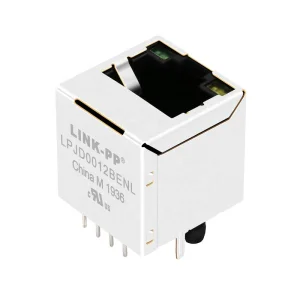
Factory floors present severe EMI from high-voltage motors and physical stress from moving robot arms. Standard plastic RJ45 jacks fail under these conditions. Designers opt for shielded right-angle RJ45 female connectors with heavy metallic shielding and gold plating (up to 50 micro-inches) to resist oxidation and vibrations.
Outdoor equipment must operate reliably under extreme temperatures (-40°C to +85°C) and voltage surges from lightning. Connectors are deployed with integrated TVS diodes and high-dielectric transformers, allowing them to withstand voltages up to 1,500 Vrms while preventing spikes from frying internal PHY chips.
Where the physics of high-speed transmission meet physical constraints.
As Ethernet protocols advance toward higher frequencies, the industry is witnessing several massive structural trends:
To achieve these engineering milestones, developers are refining their mechanical simulation workflows. Advanced Finite Element Analysis (FEA) is used to simulate insertion force and mechanical wear, while signal integrity simulation tools map out eye diagrams and cross-talk behaviors prior to physical manufacturing. This guarantees that connectors can endure the standard 750 mating cycles while preserving excellent signal integrity.
How professional procurement departments mitigate supply chain risks and verify technical specifications.
Always verify if the supplier provides direct cross-references for major brands like TE Connectivity, Molex, or Pulse. For instance, obtaining a drop-in replacement part that matches foot-print, pinouts, and LED color mapping can save months of PCB redesign.
Verify that components are tested using Network Analyzers to measure insertion loss, return loss, and near-end crosstalk (NEXT) up to 250 MHz or higher depending on whether they are Cat5e, Cat6, or Cat6a rated.
Examine the supplier's raw material buffer levels. A manufacturer backed by a broad network of over 1,000 supply chain partners can sustain stable output and provide flexible lead times even during global shortages.
Technical answers to typical design and procurement questions from network hardware designers.
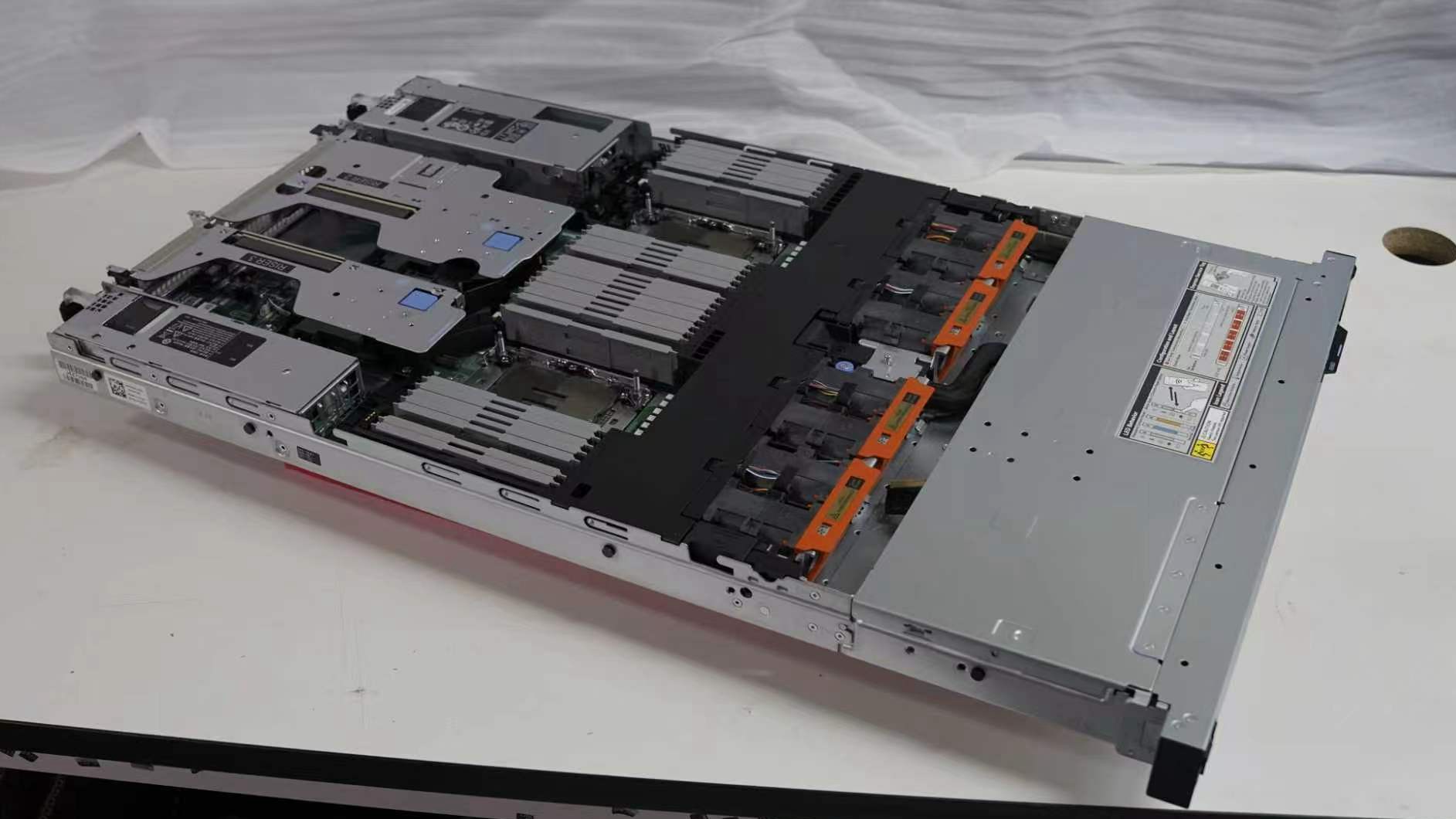
Visual insights into our production standards, quality inspections, and state-of-the-art manufacturing floors.
High-bandwidth components designed to support multi-gigabit routing and data transmission.