Fibronexa
Fibronexa
Fibronexa
In modern telecommunications, high-performance cabling architectures stand as the physical foundation of global data flow. As enterprises transition from Gigabit copper to ultra-fast 10G, 40G, and even 100G multi-mode and single-mode optical systems, the critical challenge shifts from simple physical deployment to continuous, low-latency performance verification. Operating at these extreme spectral bandwidths requires highly precise connectors, low-insertion-loss modular transceivers, and robust testing mechanisms.
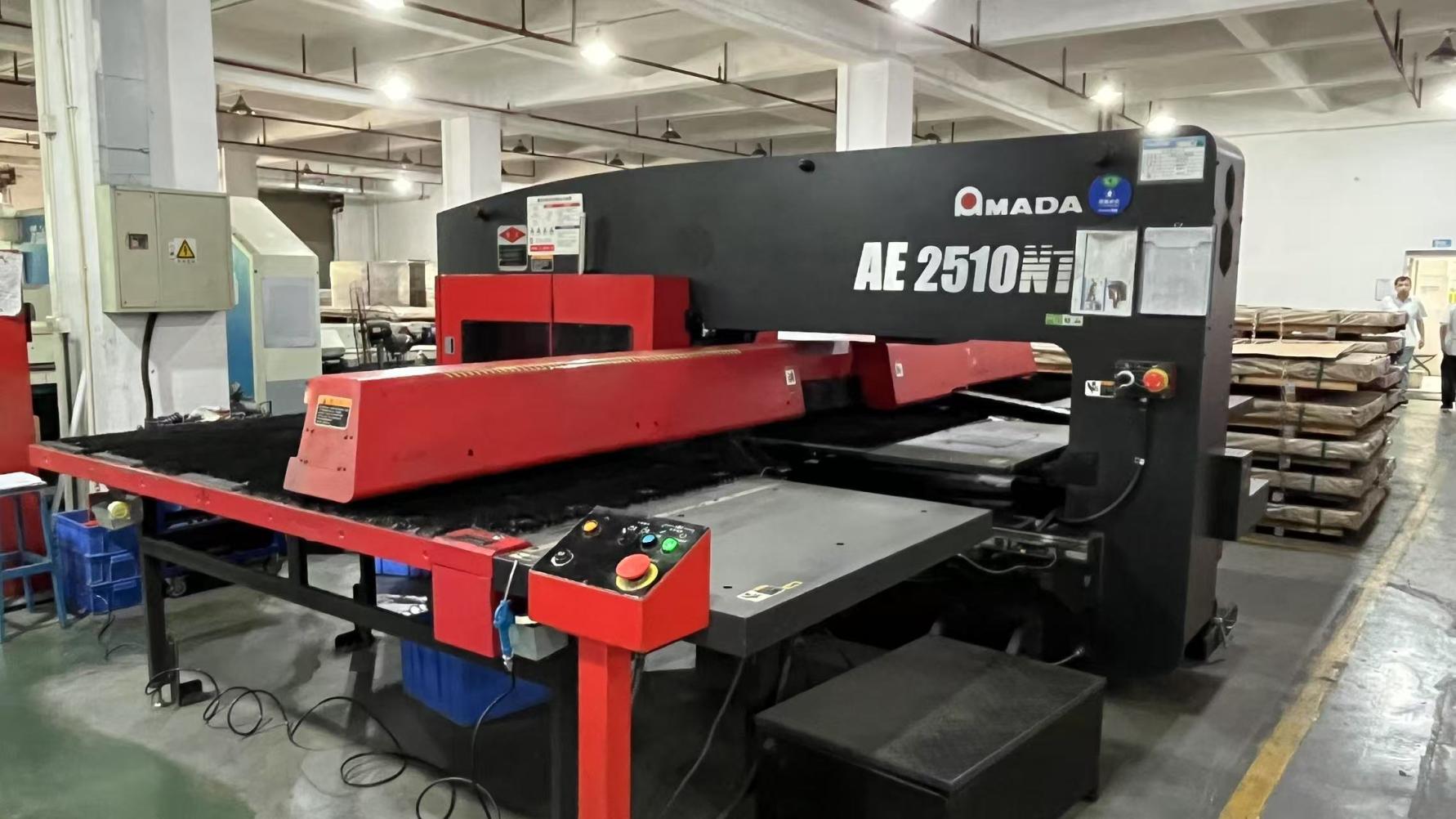
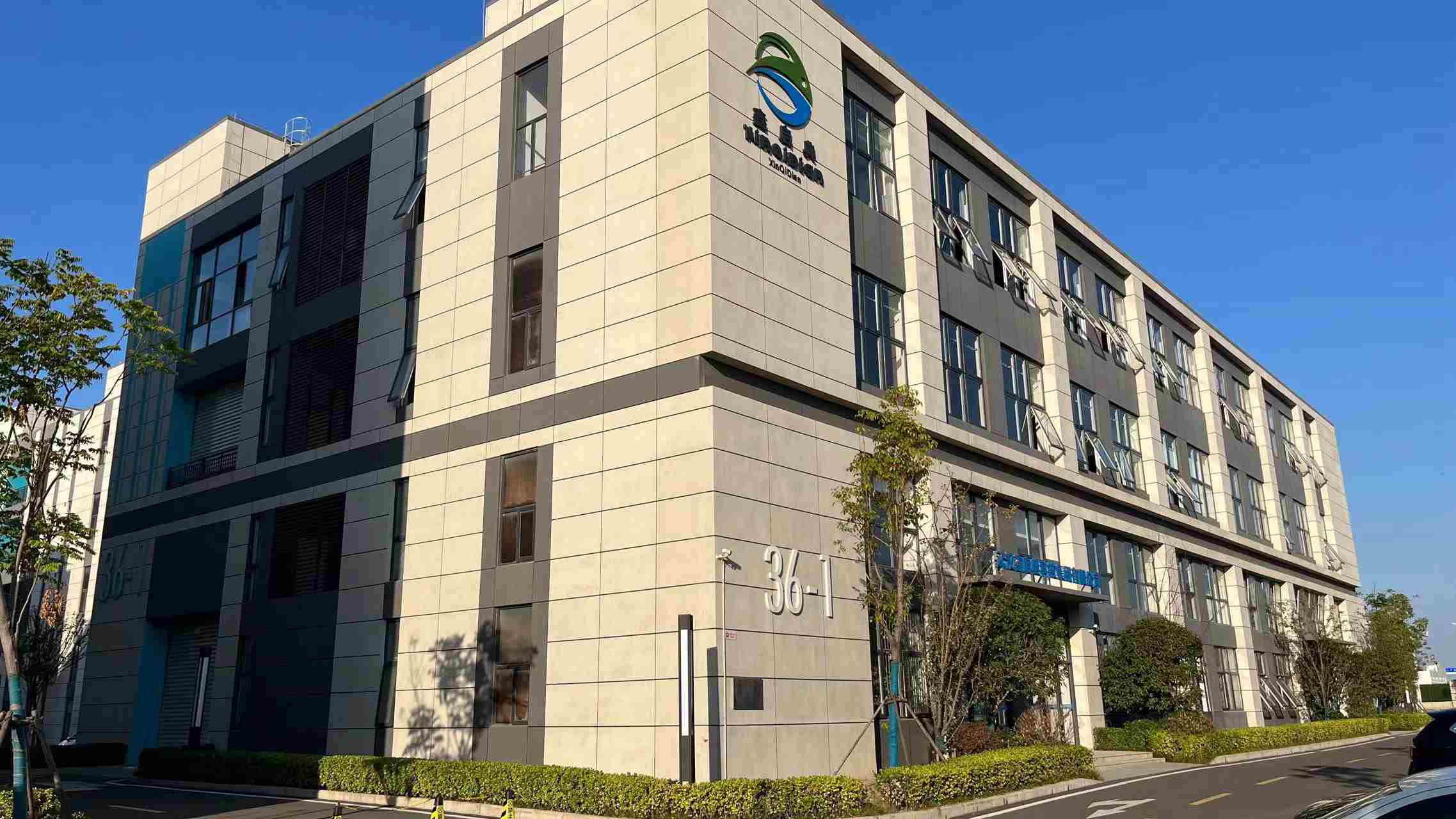
Fibronexa Communications Co., Ltd. (Fibronexa Optical Transceiver Manufacturer), established in 2016, represents the pinnacle of Chinese high-tech manufacturing, specializing in high-speed fiber optic communication solutions and complex network infrastructure components. Operating from a highly optimized, state-of-the-art facility designed for advanced automation, Fibronexa has bridged the gap between passive hardware interconnects (such as SFP cages, RJ45 modular jacks, and high-frequency connectors) and high-speed active transceivers.
Understanding the end-to-end signal path is key: a network cable tester is only as effective as the mechanical connectors, shielding modules, and transceivers it validates. By operating at the boundary of active hardware development and passive link termination, Fibronexa provides deep engineering insight into what defines a certified, zero-failure structural network installation. With an annual export volume reaching approximately USD 12 million and over 10 years of accrued technical expertise, Fibronexa drives the testing standardizations that global integrators rely on to verify structured cabling compliance.
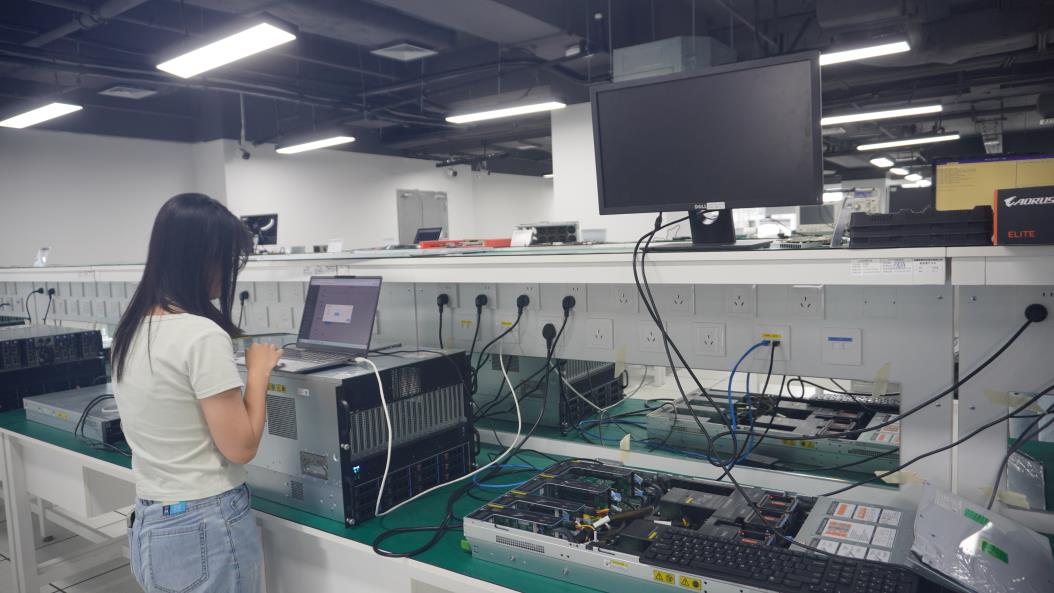
All manufacturing processes undergo 100% performance validation, utilizing advanced automated optical test beds and environmental stress screening (ESS) to guarantee unmatched MTBF (Mean Time Between Failures) ratings.
The evolution of copper and optical testing tools mirrors the exponential growth of enterprise bandwidth requirements and complexity.
Category 8 cabling operates at 2000 MHz frequencies, demanding extremely precise testing algorithms. Modern network cable testers must isolate crosstalk (NEXT, FEXT) and return loss at high spectral frequencies, ensuring 25GBASE-T and 40GBASE-T networks operate without packet degradation.
With the proliferation of Type 4 PoE (802.3bt, delivering up to 90W), testing is no longer just about continuity. Modern cable testers must measure DC resistance imbalance within pairs to prevent cable overheating and local signal distortion at the RJ45 interface.
Enterprise field engineers require immediate cloud synchronization for certification records. Up-to-date testing devices export automated CSV/PDF reports via Wi-Fi direct to remote infrastructure managers, speeding up large-scale system handovers.
Enterprise procurement managers face a complex balancing act when selecting Chinese network cable testing and connectivity suppliers. The decision matrix must extend beyond unit cost to encompass complete reliability metrics.
High-tier buyers demand testing instrumentation calibrated to international laboratory standards. Top manufacturers ensure their hardware adheres to ISO/IEC 17025 standards, offering traceable NIST calibration certificates. This is critical for data center integrators who must guarantee performance parameters to tier-1 hyperscalers.
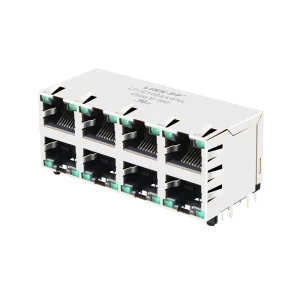
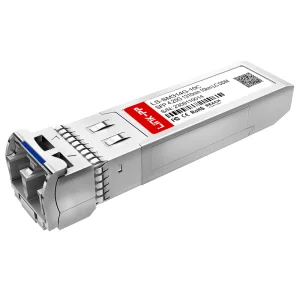
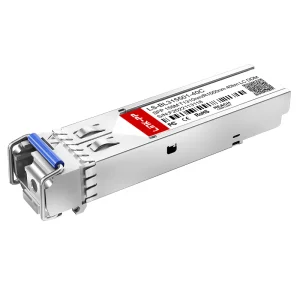
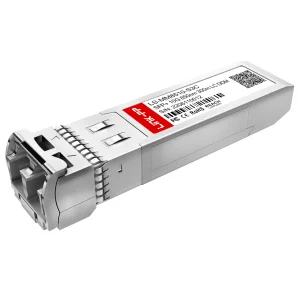
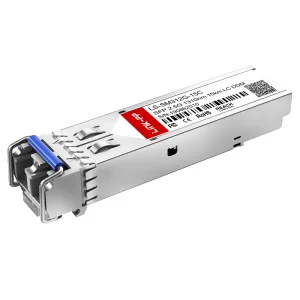
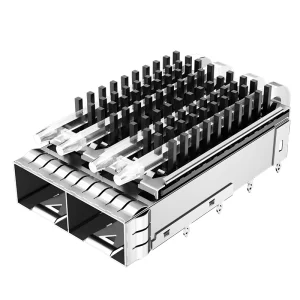
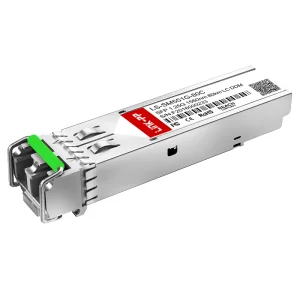
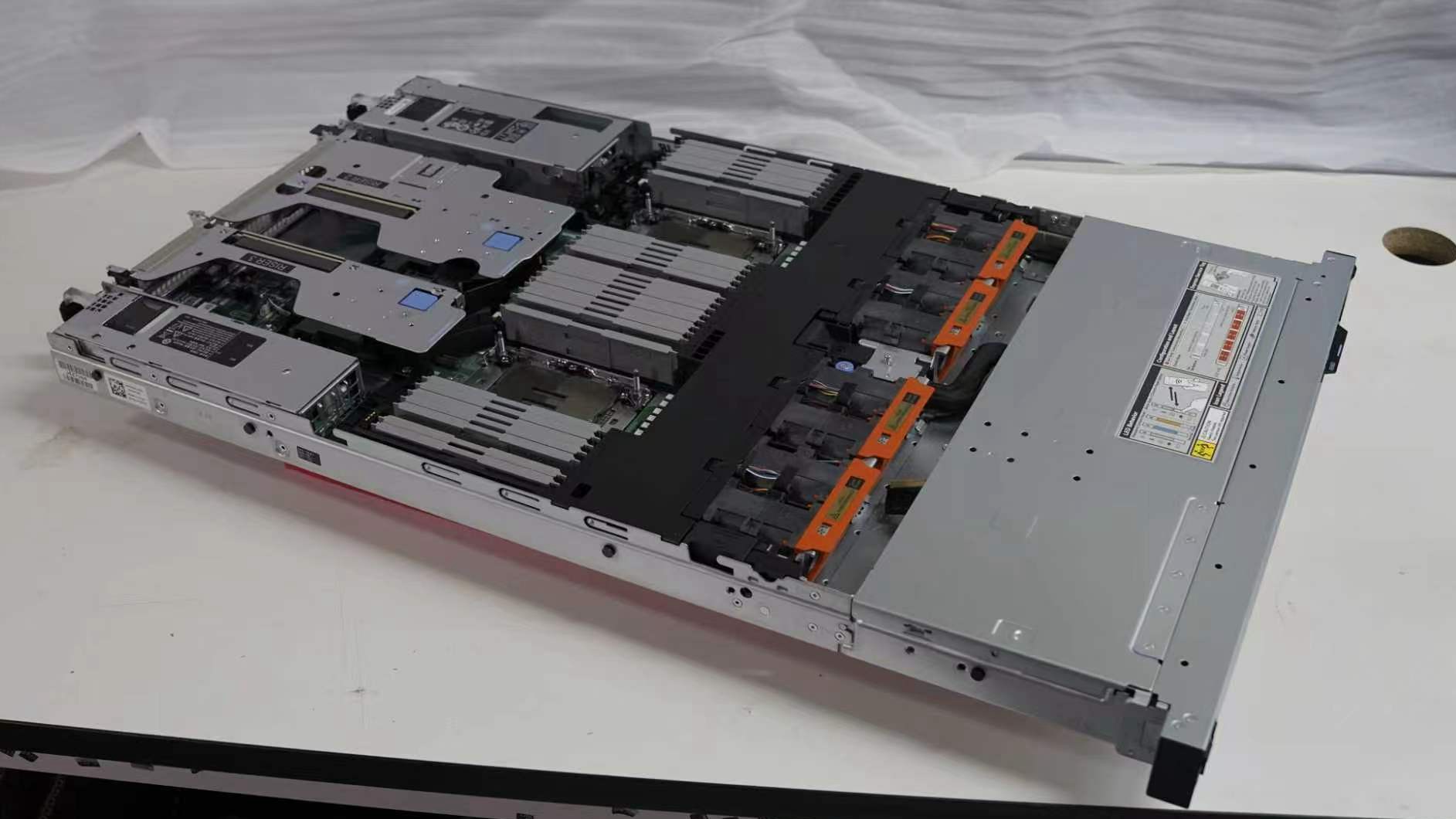
A cable tester does not operate in isolation. It verifies patch cords, horizontal runs, and high-density termination components. Procurement strategies prioritize partners who understand both testing instrumentation and physical layer hardware, such as RJ45 modular jacks, SFP+ cages with heatsinks, and duplex LC optical modules. This integrated vision guarantees that the physical contact resistance inside modular connections remains within sub-milliohm limits.
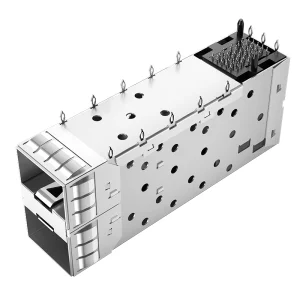
Modern telecom rollouts require massive component allocations with minimal lead times. With an ecosystem of over 1,200 strategic partners, industry leaders like Fibronexa offer high-volume production scalability. This agility extends to rapid prototyping—delivering custom-molded SFP cages with varying light-pipe configurations, or specialized cable testers designed to withstand harsh outdoor field environments.
Exporting network hardware to the European Union and North America requires strict compliance with environmental and electrical directives. Products must carry RoHS, REACH, CE, and FCC certifications, ensuring that toxic fire-retardant plastics are excluded from insulation and that active components operate safely within legal EMI limits.
Enterprise networks require a comprehensive, end-to-end framework that bridges physical connections, active transceivers, and verification tools.
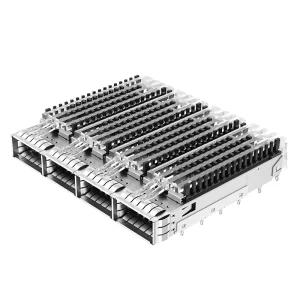
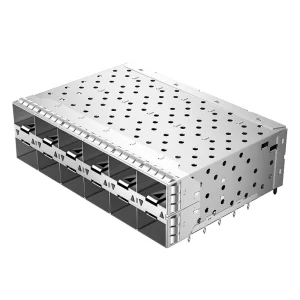
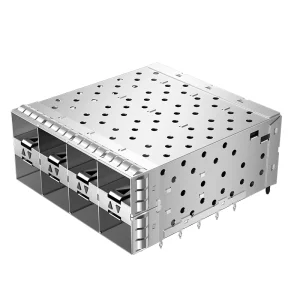
In environments containing thousands of optical links and 10G/45G copper switch configurations, structural integrity is paramount. Deploying premium components such as the 2180640-1 TE Replacement 2x6 Port SFP+ Cage with integrated connectors, paired with advanced cable testing strategies, prevents high-frequency return loss and keeps packet loss rates near zero.
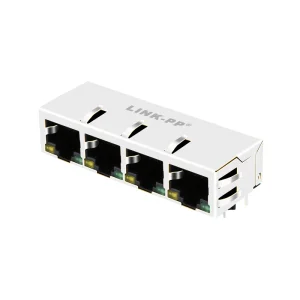
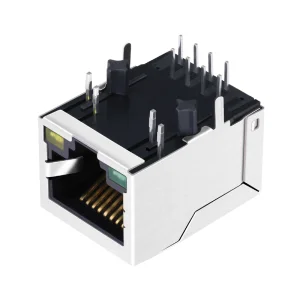
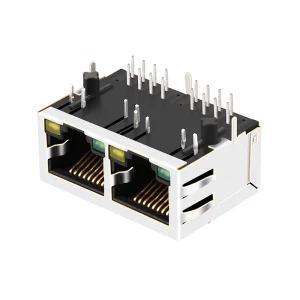
Broadband carriers require reliable physical connections at critical distribution nodes. Utilizing premium components like the HFJ12-E2450ER-L12RL Tab Down 1x2 Port Magnetic RJ45 Connectors ensures robust signal isolation, protecting sensitive network interfaces from local voltage surges and electromagnetic interference.
Smart manufacturing lines require ruggedized, noise-shielded cabling structures. Field-testing these networks with advanced wiremappers verifies that shielded RJ45 modules are correctly grounded and protected against high electromagnetic interference (EMI) typical of industrial environments.

As we move beyond traditional networking configurations toward co-packaged optics (CPO) and AI-driven automated infrastructure, our verification tools and modular interconnects must evolve in tandem.
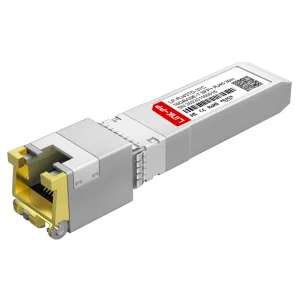
Tomorrow's network cable testers will incorporate dual-domain technology, validating both multi-gigabit copper Ethernet and high-speed fiber links through a single interface. Handheld systems will measure optical power budgets, transceiver diagnostic telemetry (DDM/DOM), and copper loop resistance simultaneously. This integration is crucial for maintaining hybrid infrastructures, where fiber-to-the-desk (FTTD) and traditional copper co-exist.
Furthermore, testing tools must adapt to specialized single-pair Ethernet (SPE) standards (10Base-T1L), which are becoming the norm for long-distance building automation and industrial sensing networks, replacing legacy fieldbus setups.
Legacy wiremappers only indicate simple open or short circuits. Next-generation diagnostic instruments utilize advanced machine-learning algorithms to interpret complex Time-Domain Reflectometry (TDR) graphs. By analyzing reflection patterns and impedance anomalies, testers can pinpoint exact physical damage—such as a crimped cable or a corroded RJ45 contact point—down to the centimeter.
This diagnostic intelligence will soon reside directly on high-speed network switches. By integrating micro-TDR chips into SFP+ cages and RJ45 modular jacks, future networks will monitor physical layer degradation in real-time, alerting administrators before a packet loss occurs.
Exporting complex networking hardware globally requires deep knowledge of international trade regulations, customs clearance procedures, and local standardizations. Leading Chinese manufacturers address these needs through localized support systems and strict compliance frameworks.