Fibronexa
Fibronexa
Fibronexa
Explore our CE-certified interconnect assemblies, SFP transceivers, and industrial RJ45 components engineered for zero packet loss, high-density data centers, and enterprise edge endpoints.
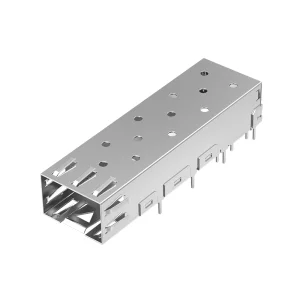
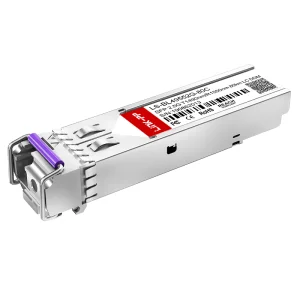
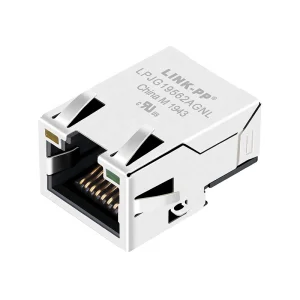
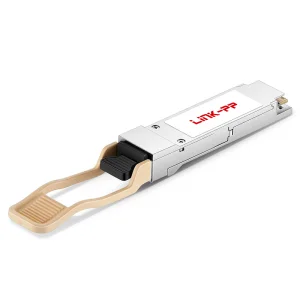
Understanding signal integrity, electromagnetic compatibility (EMC), and hardware-level protocol conversion in modern B2B, industrial, and enterprise deployment scenarios.
As modern enterprise laptops, ultrabooks, and industrial edge computers strip away legacy legacy physical interfaces to achieve sleeker Z-heights, the reliance on high-performance USB to Ethernet Adapters (USB-C / USB-A to RJ45) has shifted from a peripheral convenience to a mission-critical infrastructure necessity. Modern corporate environments, high-security financial trading floors, and automated manufacturing lines demand physical copper connectivity due to its inherent superiority over wireless networks in latency stability, security isolation, and immunity to RF interference.
However, converting high-speed USB packet streams (USB 3.2 Gen1 / Gen2 protocol layers) into IEEE 802.3 Ethernet MAC/PHY frames requires sophisticated silicon design. A CE-certified adapter ensures that high-frequency clock oscillators and integrated magnetics do not pollute the RF spectrum, avoiding disruption to nearby wireless infrastructure or critical industrial sensors.
For global procurement managers, purchasing an uncertified or poorly shielded USB to Ethernet dongle introduces substantial financial and operational risks. Non-compliant adapters frequently suffer from thermal throttling, packet drops under sustained multi-gigabit throughput, and severe electromagnetic emissions that violate European Union standards.
A true enterprise-grade CE Certified USB to Ethernet Adapter strictly conforms to European Union Directives including EMC Directive 2014/30/EU (EN 55032 for Radiated/Conducted Emissions and EN 55035 for Immunity) and LVD Directive 2014/35/EU (EN 62368-1 for Electrical Safety). Furthermore, strict compliance with RoHS (2011/65/EU) and REACH guarantees hazardous substance restriction across global supply chains.
Inside enterprise-grade USB-to-Ethernet hardware: Micro-architecture, magnetics isolation, and signal processing efficiency.
Our OEM/ODM manufacturing processes deploy top-tier silicon controllers such as Realtek (RTL8153B, RTL8156B for 2.5GbE) and ASIX (AX88179A). These ICs feature integrated 802.3az Energy Efficient Ethernet, hardware IPv4/IPv6 checksum offload engines, and native support for PXE boot, Wake-on-LAN (WOL), and MAC address pass-through for managed corporate fleets.
High-end network adapters require multilayer PCB layouts (4-layer minimum) with dedicated ground planes and differential signal routing. We integrate TVS diode arrays offering up to 15kV air discharge and 8kV contact discharge protection, safeguarding system mainboards against transient voltage spikes and static buildup in high-density rack setups.
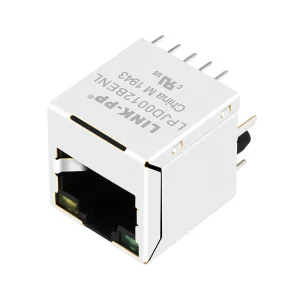
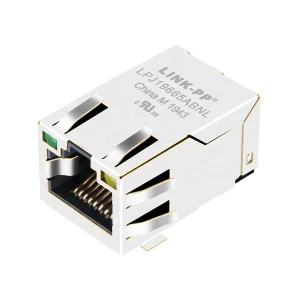
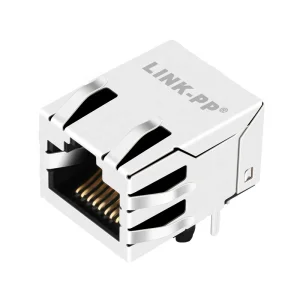
Instead of standard cheap discrete transformers, our adapters utilize advanced MagJack modular connectors or specialized discrete magnetics modules (1000Base-T / 2.5GBase-T standard) delivering superior common-mode noise suppression, insertion loss control, and 1500V RMS galvanic isolation between copper networks and attached computers.
| Feature / Parameter | USB 2.0 Fast Ethernet | USB 3.0 Gigabit (1GbE) | USB 3.2 Gen1 Multi-Gig (2.5GbE) | USB4 / Thunderbolt 10GbE |
|---|---|---|---|---|
| Max Theoretical Bandwidth | 100 Mbps | 1000 Mbps (1 Gbps) | 2500 Mbps (2.5 Gbps) | 10,000 Mbps (10 Gbps) |
| Primary Controller Chipset | AX88772 / RTL8152B | RTL8153 / AX88179 | RTL8156B / AX88179A | Aquantia AQC107S / Marvell |
| Host Interface Connection | USB Standard-A | USB-A / USB Type-C | Native USB Type-C | USB-C (Thunderbolt 3/4) |
| Power Consumption (Peak) | ~0.8 Watts | ~1.4 Watts | ~1.8 Watts | ~4.2 Watts (Requires Heatsink) |
| EMC Emission Rating | Class B | Class B / CE Certified | Class B / Industrial CE | Industrial Class A/B |
| Ideal Enterprise Use-Case | Legacy IoT Devices | Corporate Laptops & Docks | NAS & High-Res Workstations | Data Center Maintenance / AV |
Deploying CE certified network adapters across enterprise IT infrastructure, financial sectors, healthcare, and smart industrial automation.
Modern corporate security frameworks rely heavily on 802.1X Network Access Control (NAC) and MAC Address Pass-Through to restrict unauthorized devices. In hot-desking and BYOD environments, CE-certified USB-C adapters with customized firmware allow IT administrators to pass the host computer's unique BIOS MAC address directly to the switch port.
This eliminates authentication bottlenecks, ensures audit compliance, and prevents unauthorized rogue adapters from bridging internal subnets.
Field network engineers servicing server racks and blade enclosures require reliable, high-speed physical diagnostics links. A ruggedized USB-to-Ethernet conversion tool featuring hardware-level packet buffering allows field technicians to perform wire-speed PCAP traffic analysis, firmware flashing, and out-of-band management without risking driver crashes or dropped frames on Windows, macOS, and Linux field units.
On automated factory lines, high-resolution GigE Vision cameras transmit massive uncompressed video frames to edge AI inference boxes. Standard wireless links lack the necessary throughput and determinism. Custom USB to Ethernet modules integrated into industrial controller chassis provide low-latency transmission while surviving harsh electromagnetic environments generated by heavy motor drives and high-voltage switches.
Hospitals and surgical suites require strict electromagnetic compatibility so that peripherals do not cause interference with sensitive ECG monitors, MRI machines, or life-support units. CE LVD/EMC compliant adapters ensure reliable, galvanic-isolated transfers of DICOM medical images between portable diagnostic carts and central hospital PACS servers.
A frequently overlooked factor in B2B procurement is long-term thermal stability. Continuous 2.5GbE transfer generates significant thermal dissipate within compact dongle housings. Inferior suppliers use cheap plastics that trap heat, leading to IC junction temperatures exceeding 85°C, triggering thermal throttling down to 100Mbps or causing complete packet loss. Premium CE-certified suppliers utilize precision extruded aluminum alloy casings with conductive thermal pads directly contacting the primary IC, keeping operational temperatures below 45°C during 72-hour full-load stress testing.
Why leading global OEMs and distributors partner with high-precision Chinese manufacturing ecosystems for network connectivity products.
China's Guangdong technology corridor houses the world's most dense cluster of high-frequency connector manufacturers, SMT precision placement lines, custom mold fabricators, and certified compliance testing facilities. This proximity reduces component sourcing lead times from months to days, allowing rapid iteration of custom PCB layouts and shell designs.
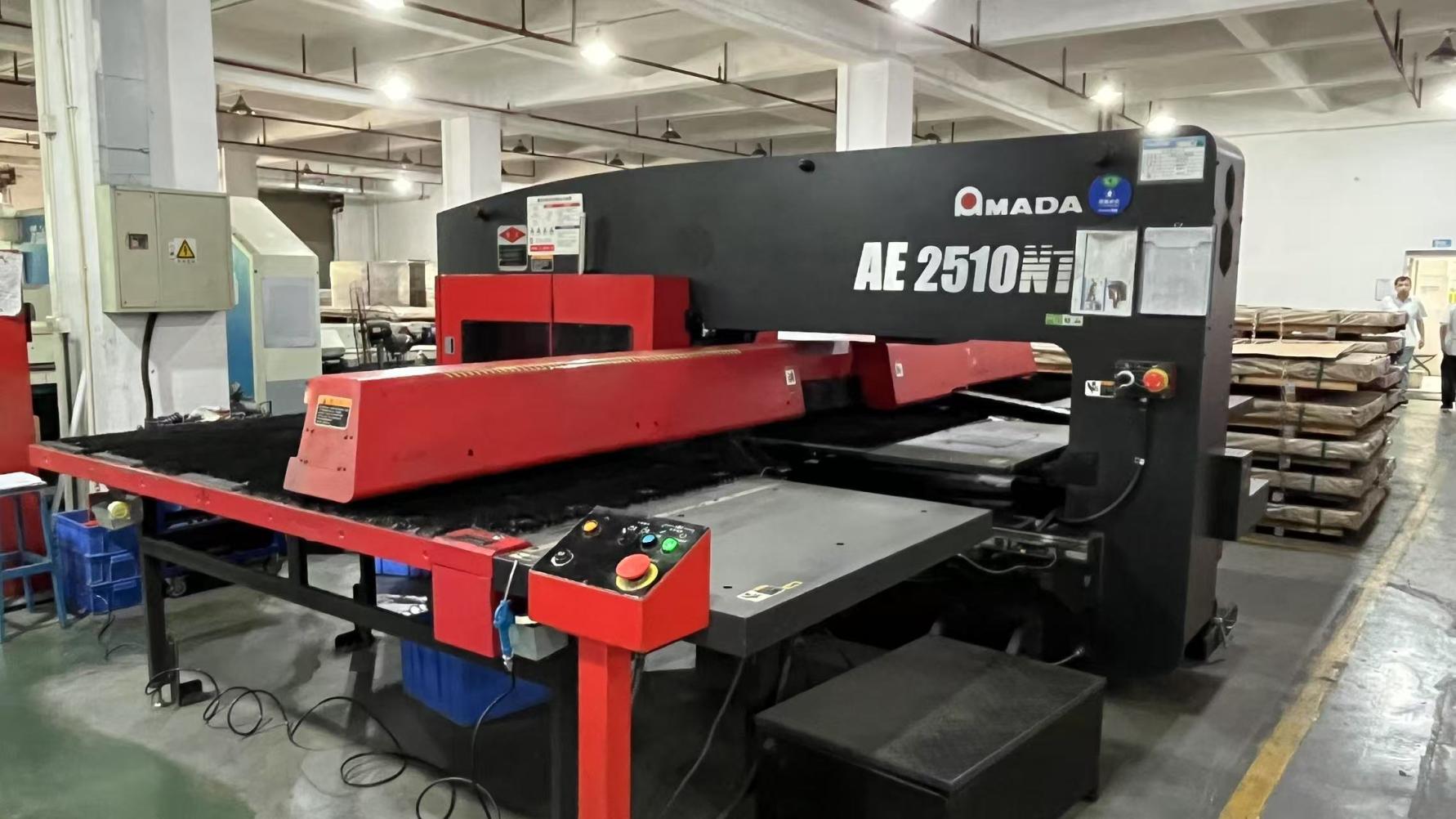
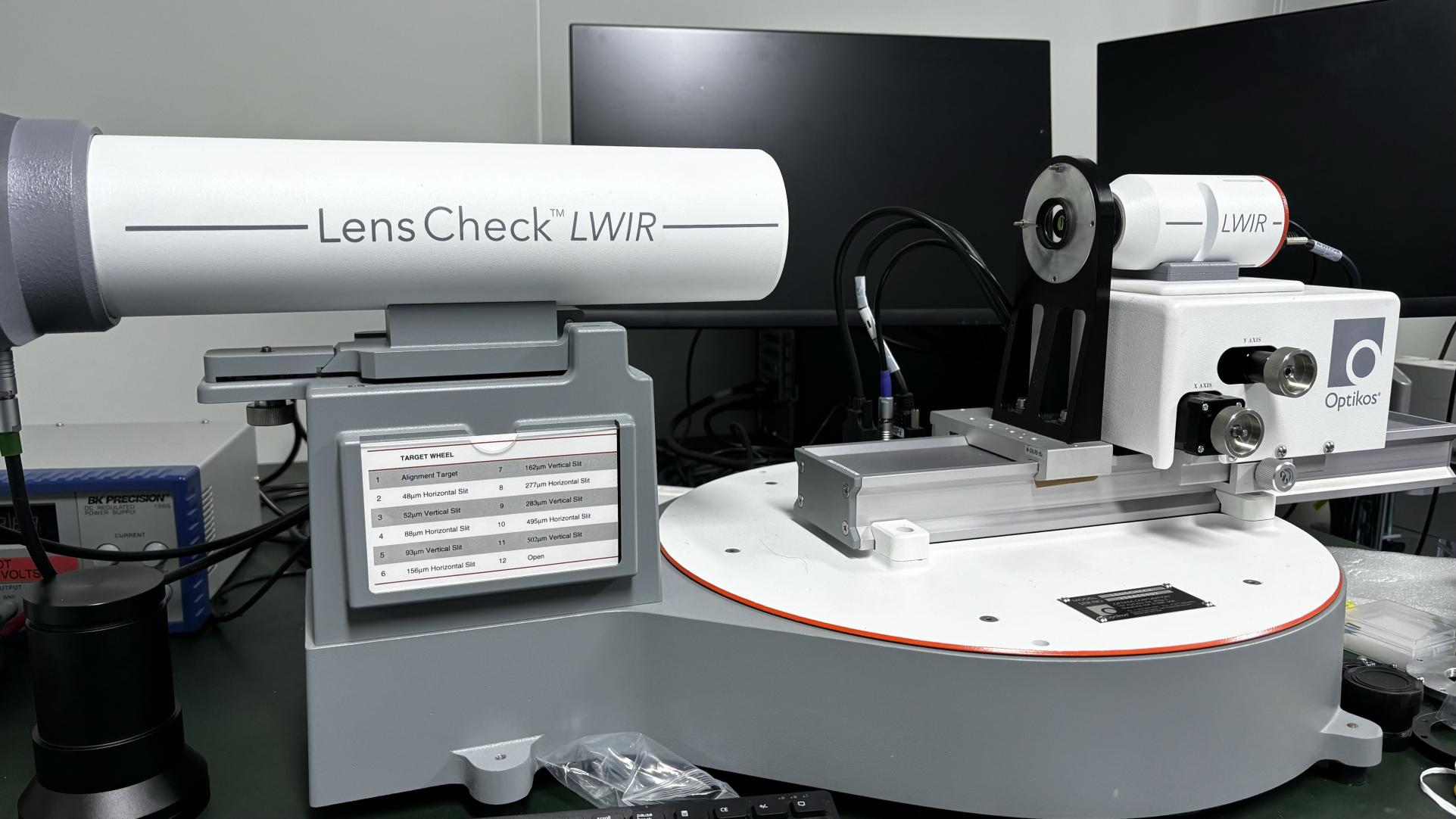
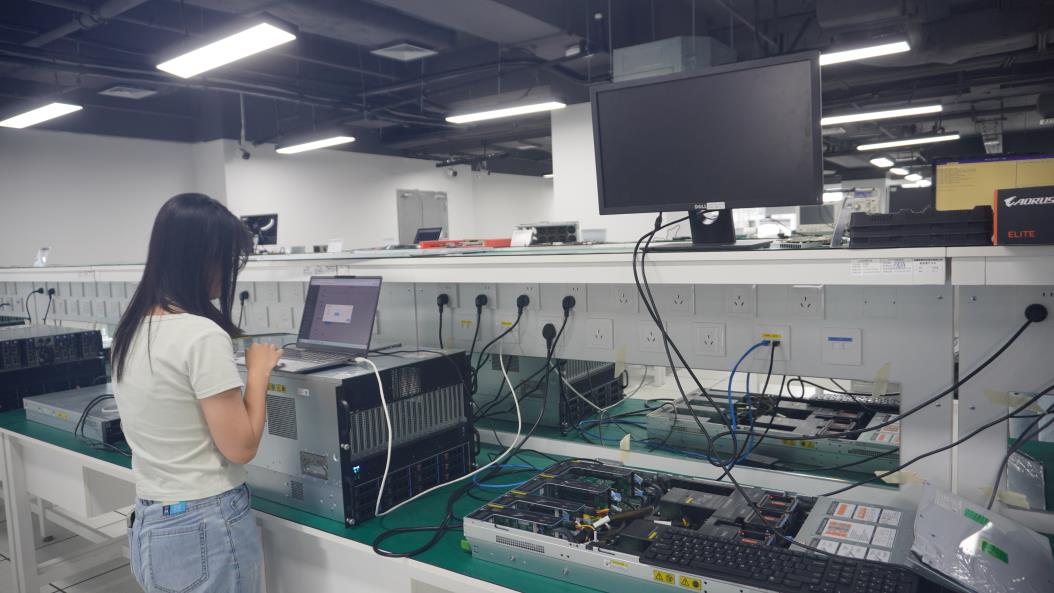
Tier-1 Chinese factories deploy automated optical inspection (AOI), X-ray solder joint verification, 100% bit-error-rate testing (BERT), and environmental stress screening (ESS). Temperature/humidity cycling ensures that every batch shipped to Europe or North America performs flawlessly under tough real-world operating conditions.
From custom firmware VID/PID identification codes, MAC address block allocation, and vendor-specific packaging to customized aluminum shell anodization and laser engraving, top Chinese manufacturers offer complete OEM/ODM turnkey solutions tailored to enterprise brand requirements.
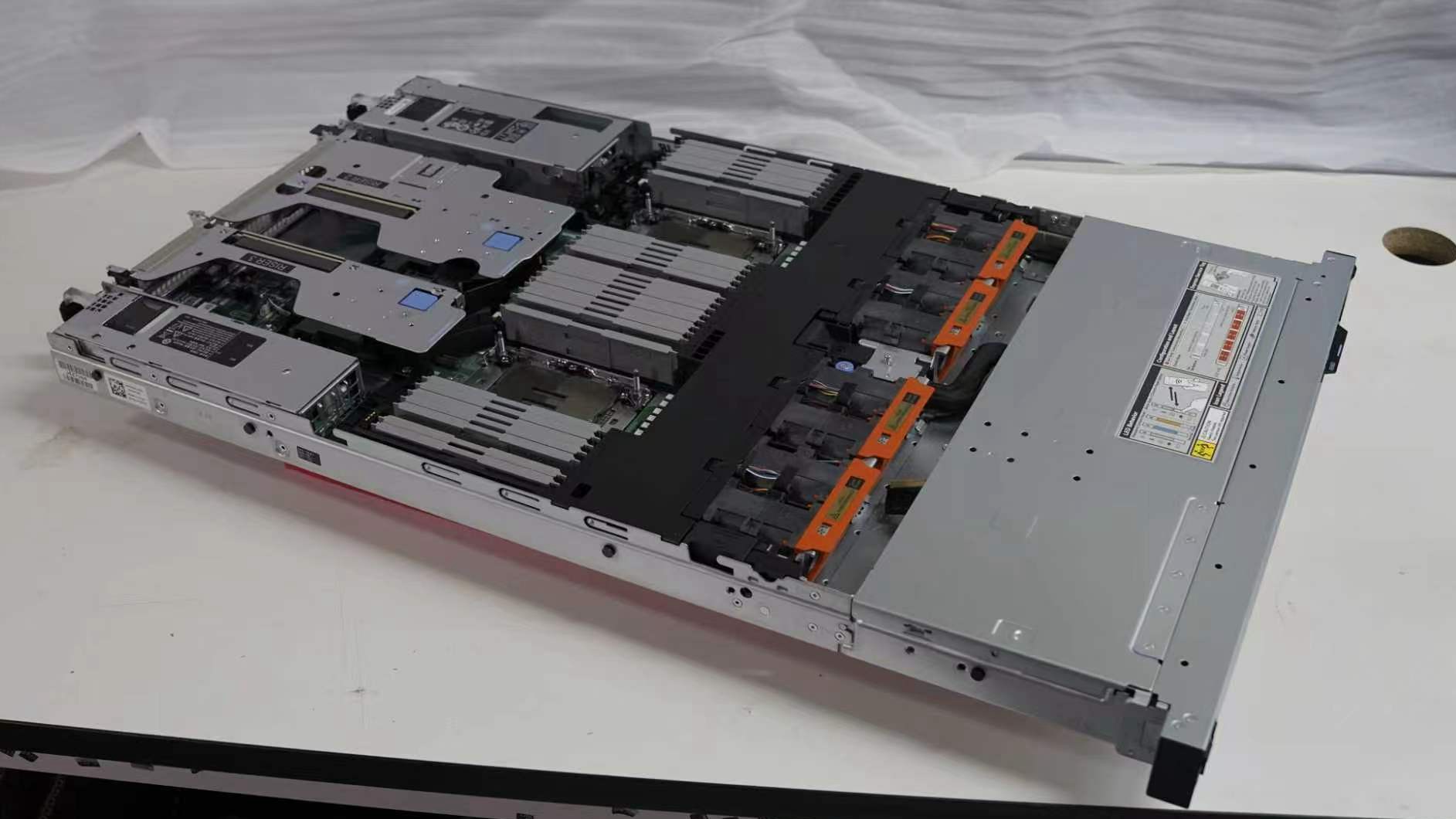
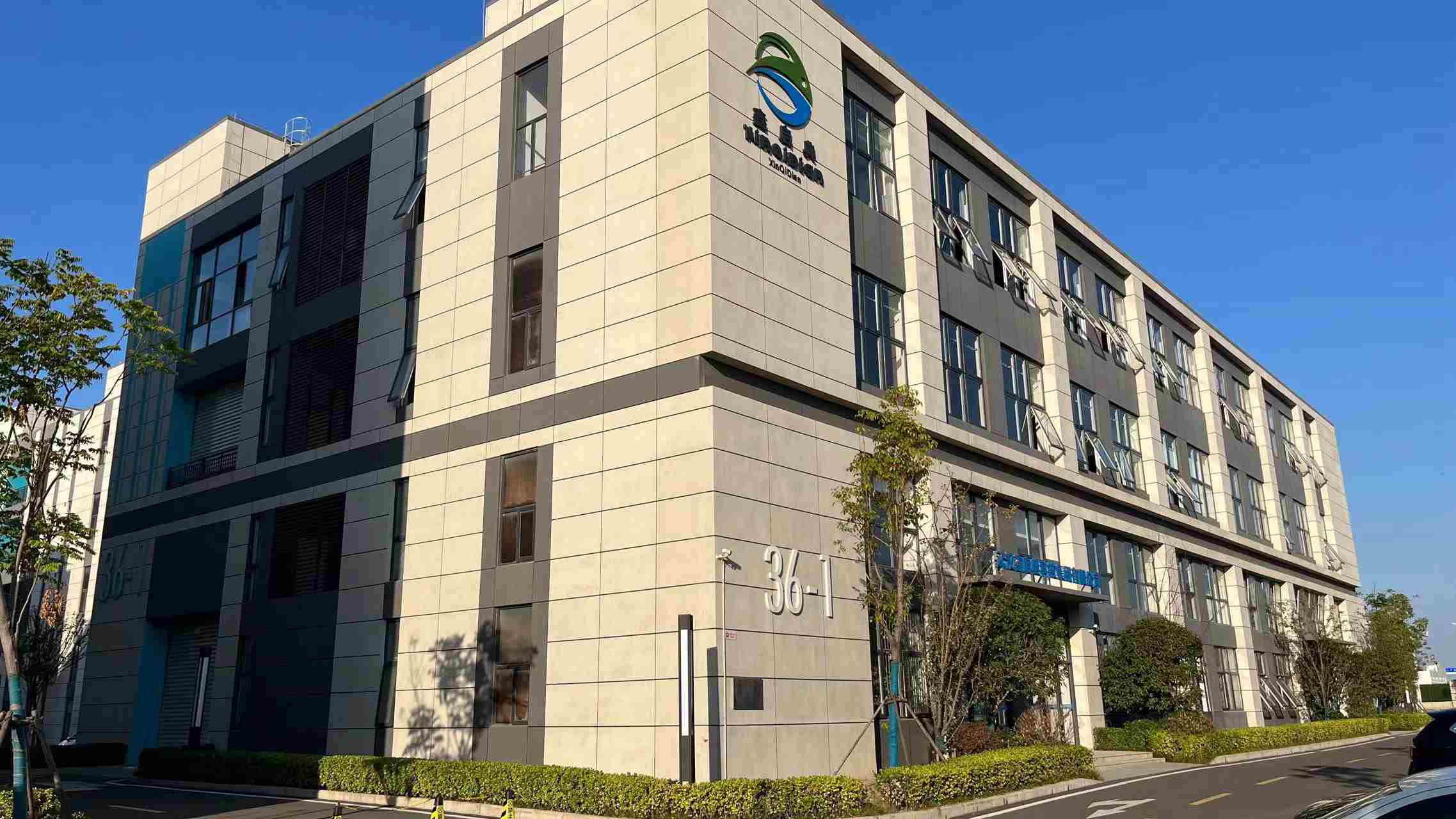
Established in 2016, Fibronexa Communications Co., Ltd. stands as an industry-leading optical transceiver and high-speed networking component manufacturer. Operating out of a state-of-the-art 320㎡ precision production facility, Fibronexa has built a stable, highly efficient manufacturing ecosystem powered by modern automation, precision assembly, and rigorous quality control protocols.
With an annual export revenue reaching approximately USD 12 million, supported by over 6 years of international trade execution and 10+ years of accumulated technological R&D, Fibronexa serves telecom operators, data center integrators, enterprise network providers, and OEM partners across North America, Europe, Southeast Asia, and the Middle East.
Key technological transformations impacting USB network interfaces, enterprise mobility, and multi-gigabit copper interconnects.
With Wi-Fi 6E/7 enterprise APs delivering multi-gigabit wireless bandwidth and local NAS devices adopting 2.5G/10G interfaces as standard, traditional 1GbE adapters are rapidly becoming bandwidth bottlenecks. Next-gen USB-C adapters are transitioning to low-power 2.5GbE/5GbE silicon (e.g. Realtek RTL8156B) to meet rising throughput needs.
Modern adapters are increasingly expected to function as multifunctional pass-through devices. Integrating USB PD 3.1 pass-through charging (up to 100W/240W) directly alongside high-speed Ethernet allows ultra-thin laptops to maintain network connectivity while drawing full power over a single USB-C port.
As security shifts closer to the physical endpoint, future enterprise USB adapters will incorporate hardware-level MACsec (IEEE 802.1AE) encryption engines, securing layer-2 traffic between user endpoints and access switches without consuming laptop host CPU cycles.
Technical and commercial clarifications for enterprise buyers, hardware engineers, and supply chain managers.
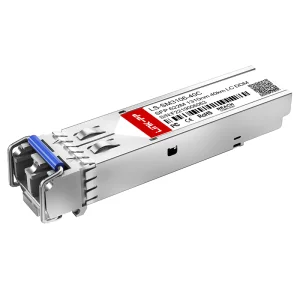
Complete your network infrastructure with our certified SFP transceivers, magnetic connectors, and multi-port modular assemblies.