Fibronexa
Fibronexa
Fibronexa
An Industry Whitepaper on Market Dynamics, Technical Evolution, and Manufacturing Excellence
In the era of Industry 4.0, the demand for "Industrial-Grade" transceivers has skyrocketed. Unlike commercial modules, industrial transceivers are engineered to operate in extreme environments ranging from -40°C to +85°C. They are the essential synapses in smart grids, railway signaling, oil & gas automation, and marine communications. The global market is currently pivoting towards high-speed 400G and 800G modules to support the massive data influx from AI-driven edge computing.
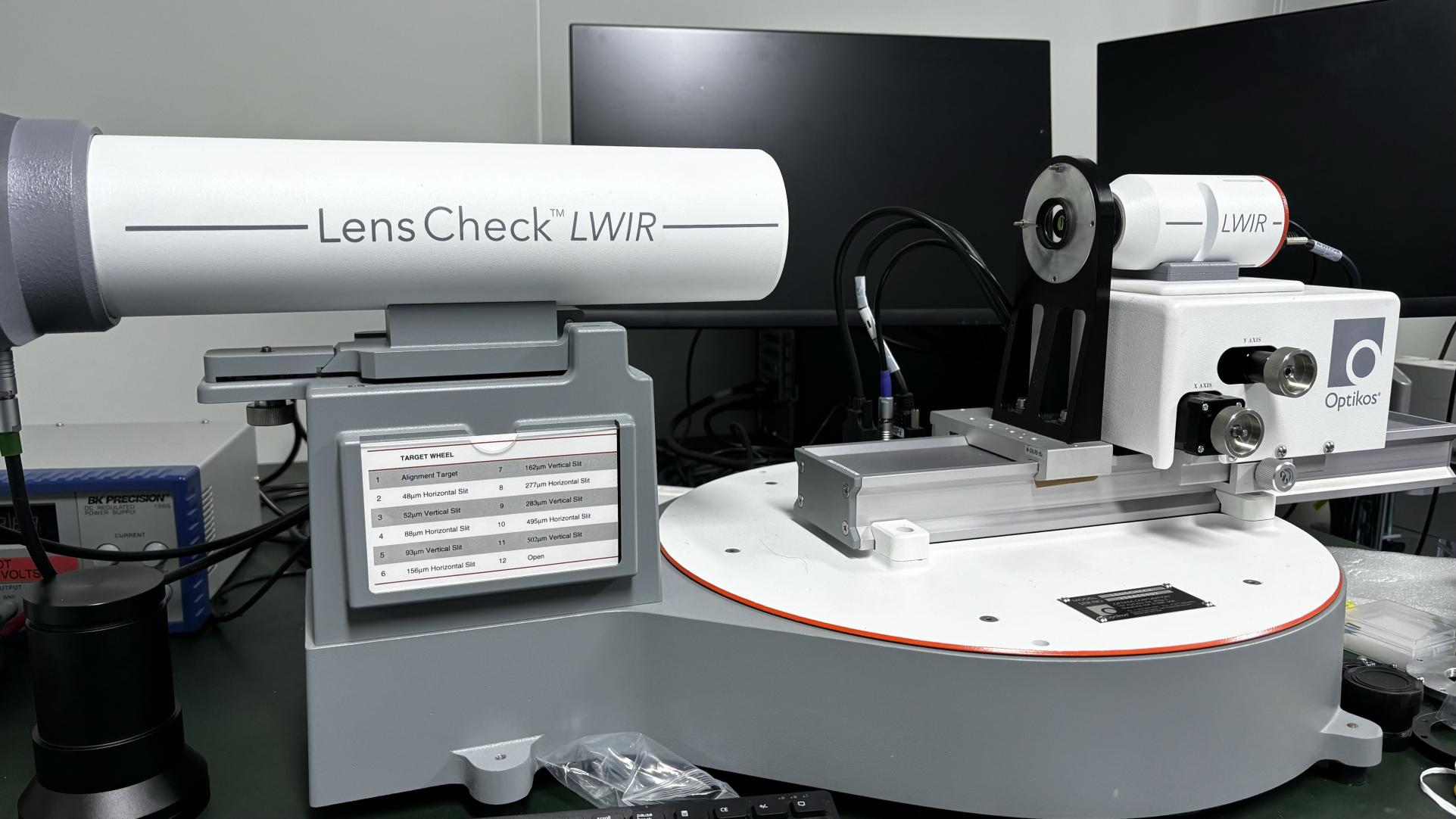
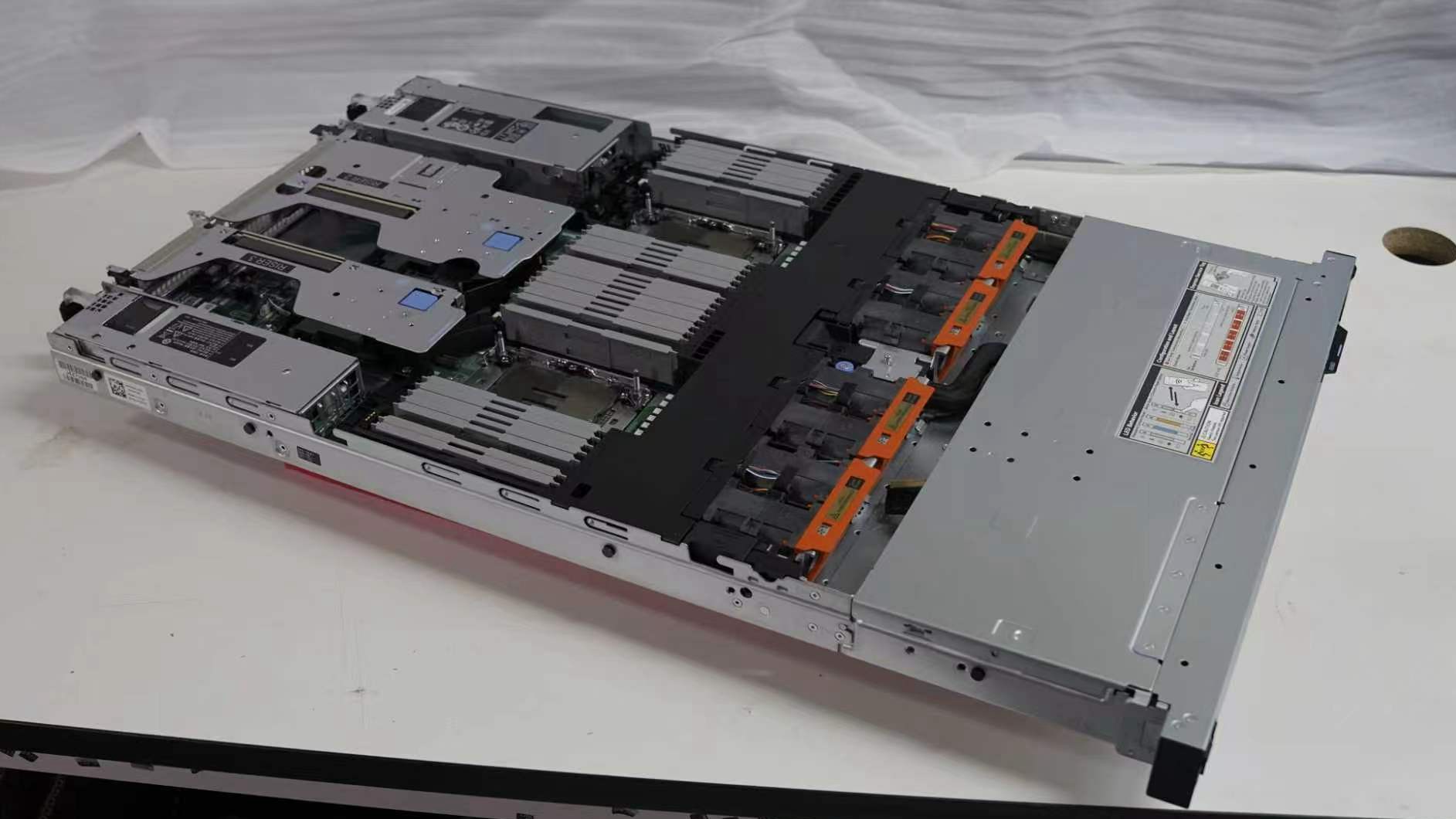
China has solidified its position as the world's premier manufacturing hub for optical transceivers. Fibronexa Communications exemplifies this by integrating the complete supply chain—from precision optical sub-assembly (OSA) to final testing. This vertical integration allows for a 30-40% reduction in lead times and significant cost efficiencies compared to Western counterparts, without compromising on stringent CE and RoHS certifications.
Localized deployment requires specific engineering. In Southeast Asian smart cities, humidity-resistant coatings are vital. In European data centers, energy efficiency (low power consumption per Gbps) is the primary KPI. North American telecom operators focus on interoperability—ensuring modules are compatible with legacy Cisco, Juniper, or Arista hardware. Fibronexa addresses these via custom EEPROM coding and rigorous multi-vendor testing.
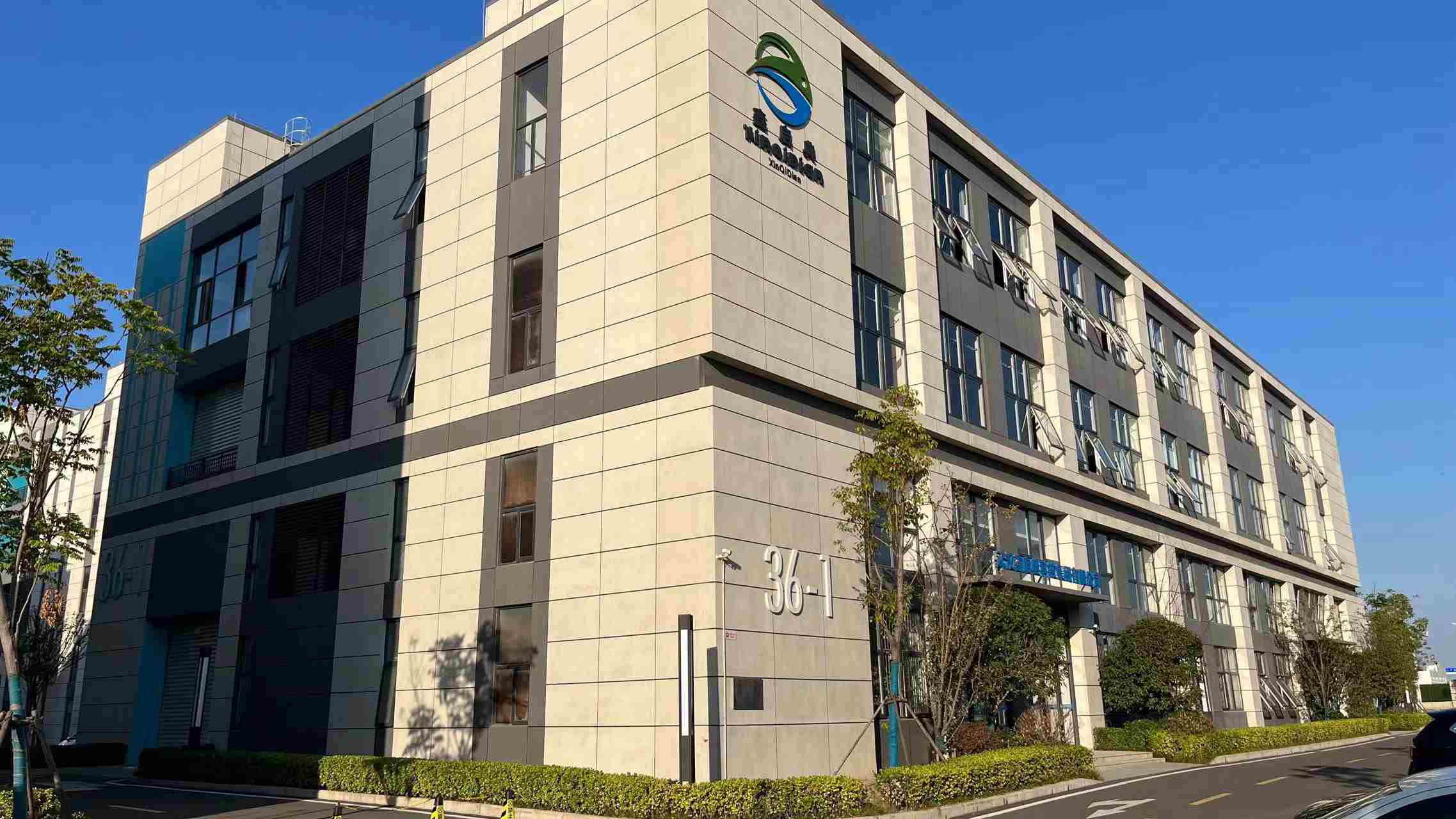
Fibronexa Communications Co., Ltd. is a professional optical transceiver manufacturer established in 2016, specializing in high-speed fiber optic communication solutions for global data center and telecom infrastructure markets. With a modern production facility covering approximately 3200㎡, Fibronexa has built a stable and efficient manufacturing system supported by advanced automation and precision assembly processes.
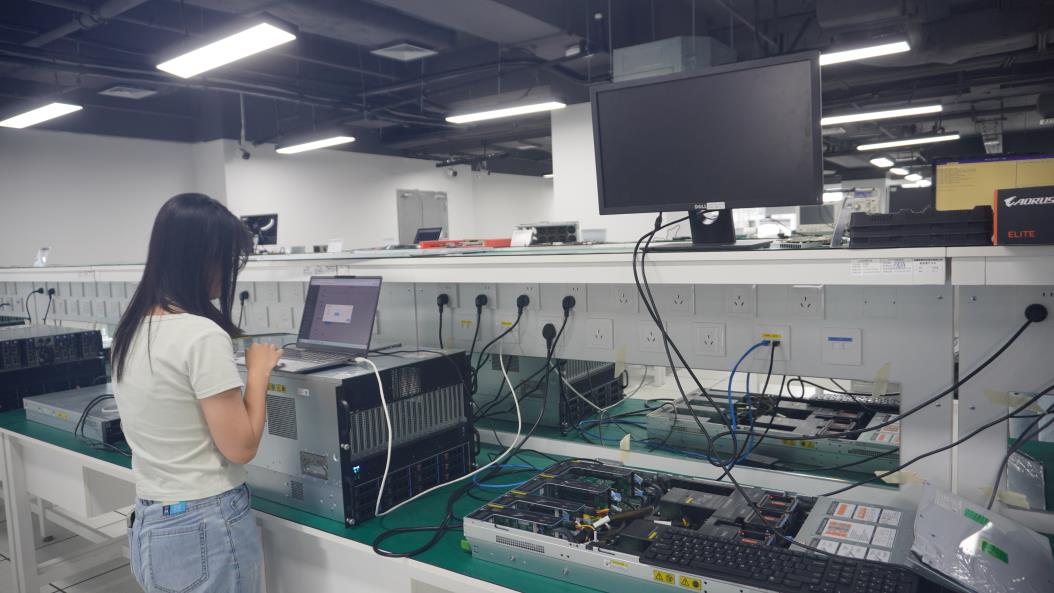
Quality is strictly controlled through a combination of automated optical testing systems and manual inspection processes, including 100% performance testing and environmental stress screening. The quality assurance team consists of approximately 45 trained QC professionals, ensuring every product meets international standards for reliability and performance. Fibronexa maintains a robust supply chain network with more than 1,200 strategic upstream and downstream partners.
Navigating the Future of Optical Interconnects
As we approach the physical limits of pluggable transceivers, CPO is emerging as a trend to reduce power consumption by bringing the optics closer to the switch silicon. Fibronexa is actively researching silicon photonics to stay ahead of this curve.
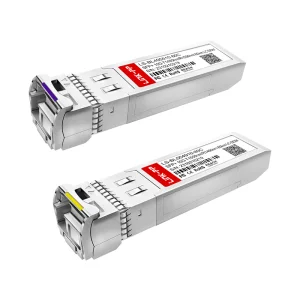
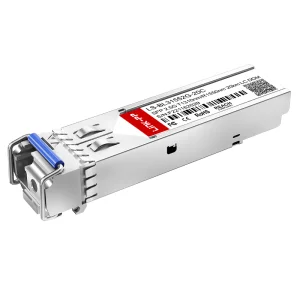
With fiber-laying costs rising, Bi-Directional (Bidi) and Wavelength Division Multiplexing (WDM) allow operators to double or quadruple capacity on existing fiber strands. Our 10G 80km Bidi modules are top-tier choices for long-haul industrial links.
Global enterprises now prioritize "Just-in-Time" procurement. We offer safety stock programs and localized logistics support to ensure that critical network expansions are never delayed by component shortages.