Fibronexa
Fibronexa
Fibronexa
High-grade optical transceivers custom-configured for heavy industrial communication networks across Osaka Metropolitan Area
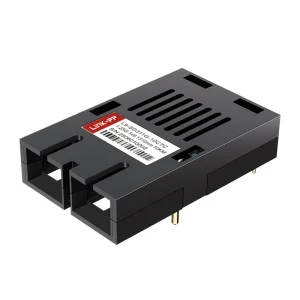
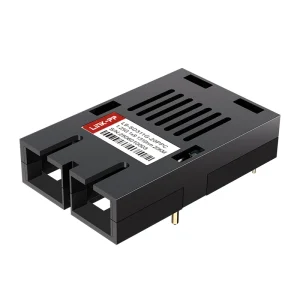
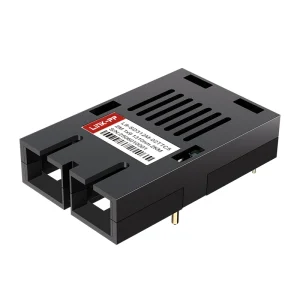
Osaka has historically stood as the commercial powerhouse and industrial heartland of Japan. Within the massive Hanshin Industrial Zone, stretching across Osaka and Hyogo prefectures, industries have continuously transformed themselves by integrating advanced factory automation (FA), chemical processing, steel manufacturing, and complex municipal networks. As factories upgrade to meet Japan's "Society 5.0" standards, the underlying physical communications infrastructure demands unmatched stability.
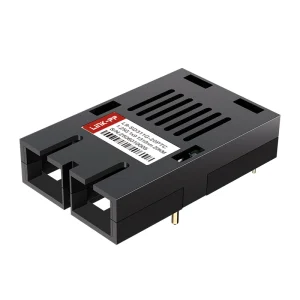
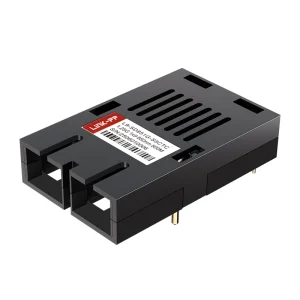
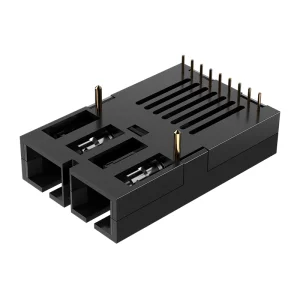
While standard consumer-grade transceivers are highly susceptible to physical shocks, vibrations, and severe electromagnetic interference (EMI), the classic 1x9 optical transceiver remains the industrial workhorse. Its single-row 9-pin layout is permanently soldered to the host PCB, providing structural integrity that modern hot-pluggable modules cannot match. In steel mills in Sakai-Senboku and robotics production plants in Kadoma, 1x9 transceivers act as critical lifelines, keeping mission-critical machinery connected in conditions where thermal fluctuations and mechanical stress are daily occurrences.
Evaluating the electrical, mechanical, and optical parameter differences that determine long-term operating viability in harsh environments
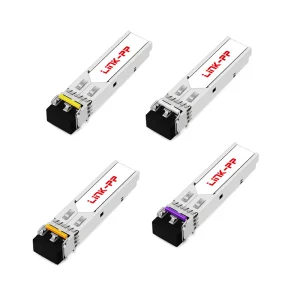
For procurement managers and system integrators in Osaka, selecting the correct optical architecture involves understanding trade-offs. While SFP, SFP+, and QSFP form factors offer hot-swappable convenience and extremely high bandwidth for data centers, they introduce mechanical failure points. The 1x9 optical interface relies on a robust pin-through-hole soldering architecture, which guarantees continuity even under intense seismic activity or heavy vibrations common in manufacturing bays.
| Feature Parameter | 1x9 Industrial Transceiver | SFP (Small Form-factor Pluggable) | Industrial Application Benefit |
|---|---|---|---|
| Mechanical Mounting | Soldered directly via 9-pin single row (PTH) | Card-edge connector sliding into a cage | 1x9 provides superior vibration/shock proofing. |
| Signaling Interfaces | TTL / PECL / LVPECL (DC/AC Coupled) | CML (Current Mode Logic) via I2C interface | Simpler circuitry integration for legacy controllers. |
| Operating Temperature | Wide Temperature Range: -40°C to +85°C | Typically Commercial (0°C to +70°C) | Maintains signal integrity in non-climate-controlled zones. |
| Fiber Connector Options | Duplex SC, Simplex SC (BiDi), FC, ST | Duplex LC, Simplex LC (BiDi) | SC/FC/ST offers dust-tolerant, heavy-duty mating. |
| System Lifespan | Up to 15+ years MTBF reliability | Typically 3-5 years (Data center cycles) | Reduces long-term operational maintenance cost. |
A major design consideration for Osaka’s electric utility operators and automated assembly lines is Electromagnetic Interference (EMI). Electrical motors, solenoids, generators, and induction heaters emit severe radio frequency signals. Standard copper Ethernet (RJ45 CAT5e/CAT6) lines act as antennas, picking up high-frequency noise that leads to packet loss and network dropouts. By utilizing 1x9 optical modules running over single-mode (SMF) or multimode fiber (MMF), networks gain galvanic isolation, ensuring flawless data transfer between control consoles and edge machines.
Discovering how Fibronexa’s automated optical testing and deep R&D ensure zero-defect integration for Japan's high-spec procurement
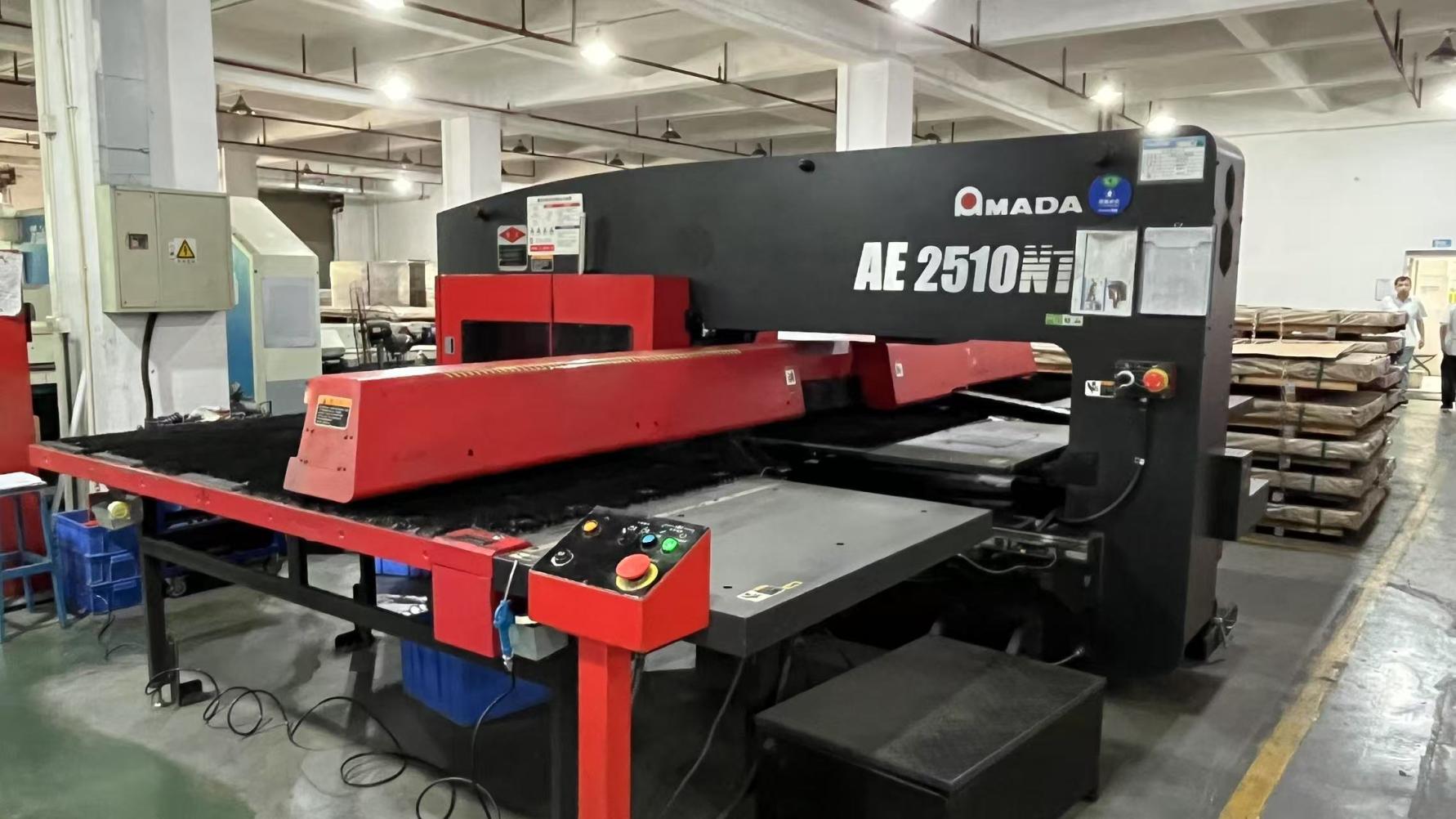
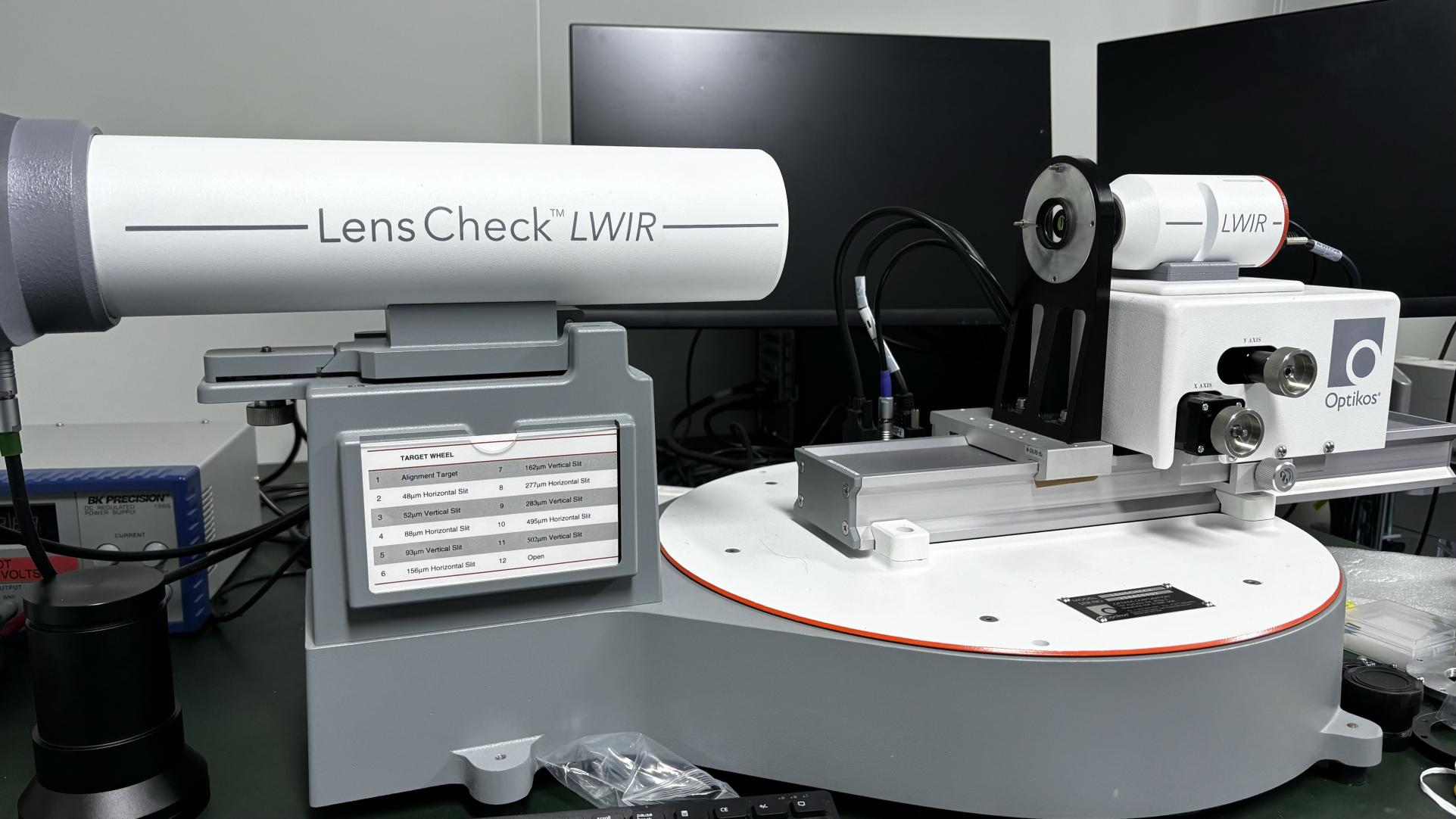
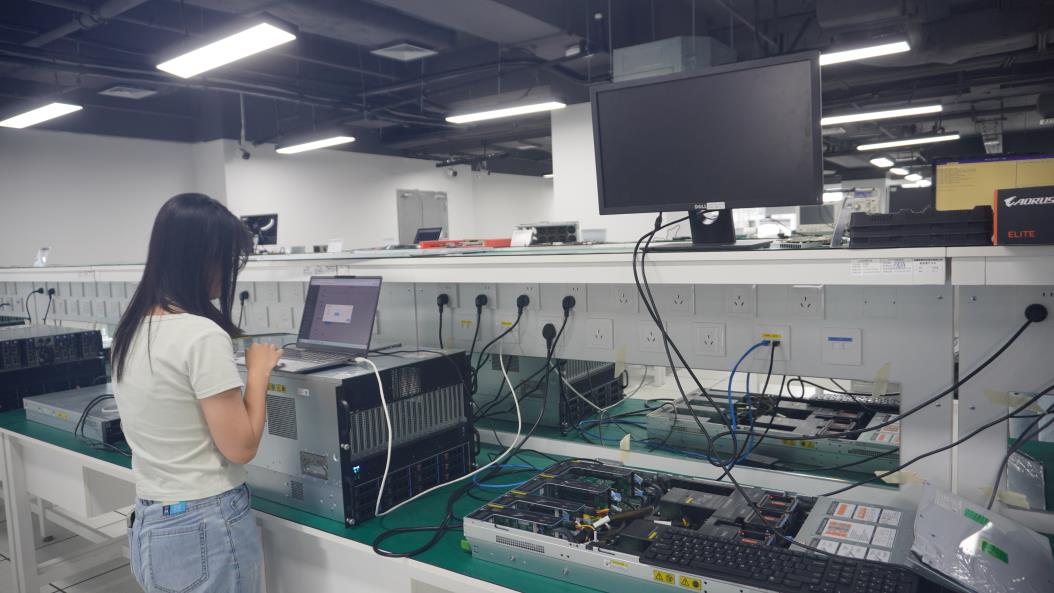
At Fibronexa Communications Co., Ltd., we recognize the stringent quality expectations of the Japanese market. Our manufacturing facilities utilize state-of-the-art automation and advanced alignment machinery to produce high-performance optical transceiver modules. Every batch of 1x9 transceivers undergoes 100% rigorous optical and electrical performance evaluation. We run automated temperature-cycling and environmental stress screening to detect and isolate any infant mortality failures prior to shipment.
Our R&D team of approximately 85 engineers continually refines our manufacturing technology, launching more than 120 new fiber optic communication products annually. With custom options for wavelengths (from 850nm to 1550nm), optical power budgets, pin patterns, and transmission distances (ranging from 500m up to 80km), we offer the flexibility needed for Osaka's unique system architectures. Our mature ecosystem of over 1,200 strategic suppliers secures consistent material sourcing, insulating Japanese clients from global supply chain disruptions.
Integrating next-generation 25G pipelines and vertical magnetic connectors for robust network control boards
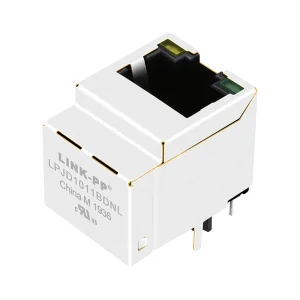
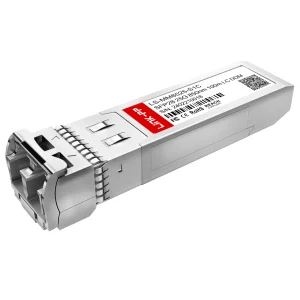
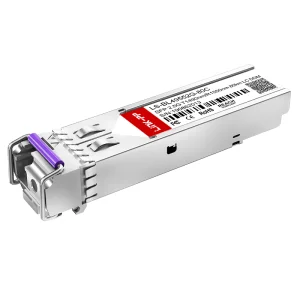
Deploying field-proven optical solutions in energy, mass transit, and heavy chemical processing facilities
In high-temperature steel rolling and chemical manufacturing plants across Sakai-Senboku, electrical noise from massive induction motors disrupts copper data streams. Fibronexa’s 1x9 transceivers provide galvanic isolation, protecting controllers from damage and maintaining data flow without interference.
Railway signaling networks require long-term stability under continuous vibrations from moving trains. Fibronexa's 1x9 transceivers, soldered directly to local circuit boards, prevent mechanical disconnects, keeping the railway control loop safe and reliable.
Water treatment networks span several kilometers and are exposed to high humidity and temperature changes. Deploying 1310nm single-mode 1x9 transceivers ensures long-distance data transmission, bridging the distance between reservoirs and control centers without signal loss.
Key technical considerations, standard compliance, and deployment best practices for Japanese network engineers
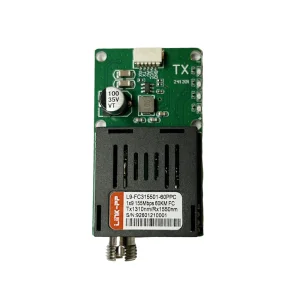
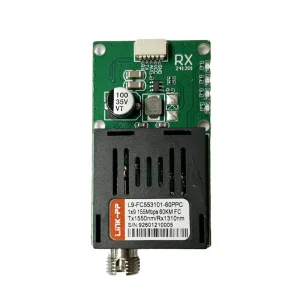
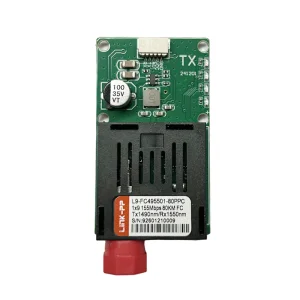
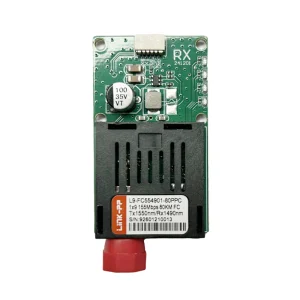
Browse our complete range of high-performance 1x9 optical modules featuring SC and FC connections, optimized for long-distance and industrial installations
Your Trusted Global Partner in High-Reliability Optical Transceiver Manufacturing
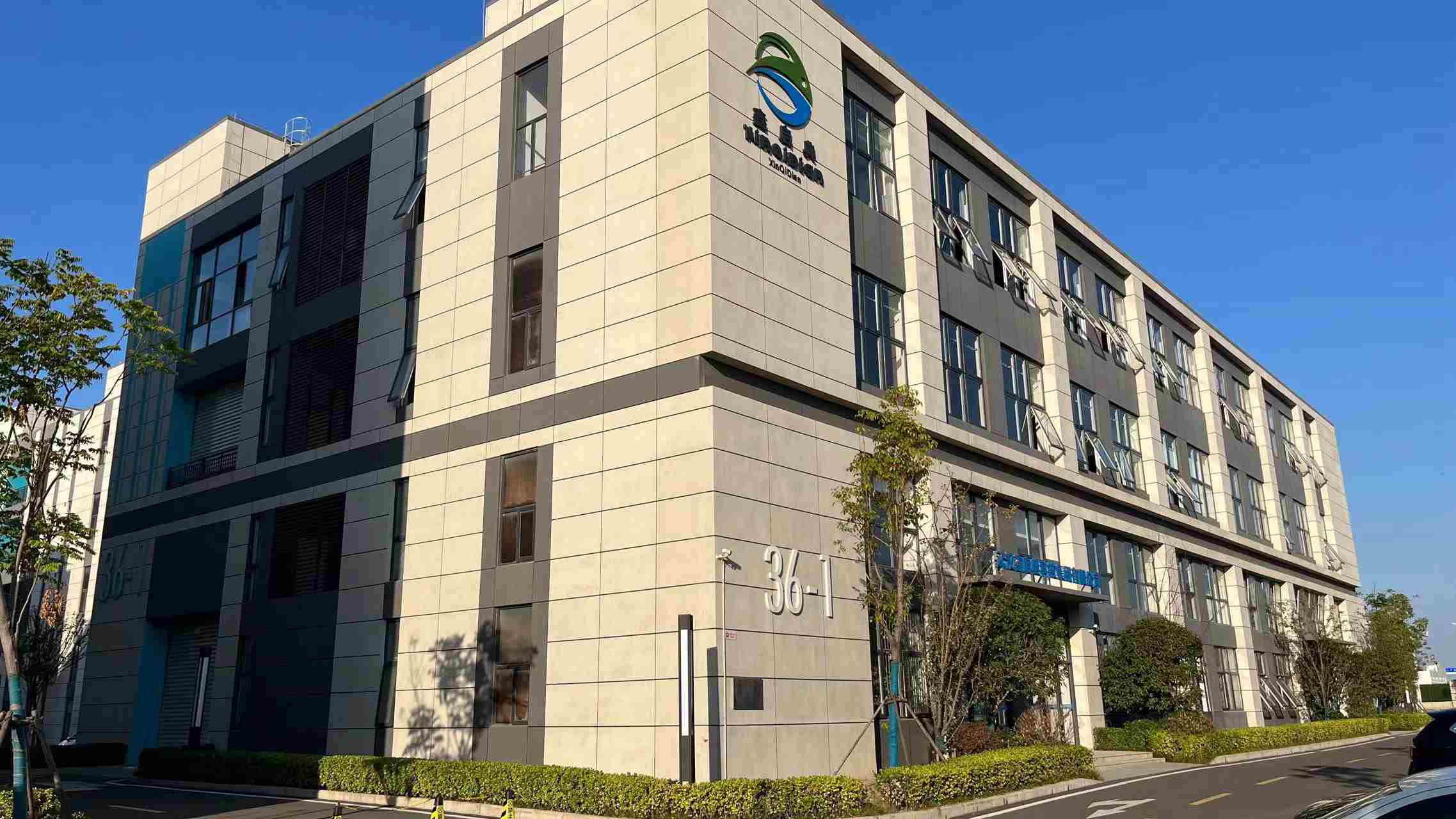
Established in 2016, Fibronexa Communications Co., Ltd. specializes in advanced fiber optic communication solutions for global data center, industrial network, and telecom infrastructure markets. Operating from a modern production facility of approximately 320㎡, Fibronexa has built an efficient manufacturing system supported by automated assembly and precise testing setups.
With over 6 years of export experience and 10 years of accumulated industry expertise in optical communication technology, we generate an annual export revenue of around USD 12 million. We maintain strict quality control through automated optical testing and manual inspections, with a dedicated team of 45 QC professionals verifying that every module meets international requirements. Supported by an 85-engineer R&D department, we continuously adapt to new standards, providing custom wavelengths, distances, packages, and protocol options for partners in Osaka and across the globe.