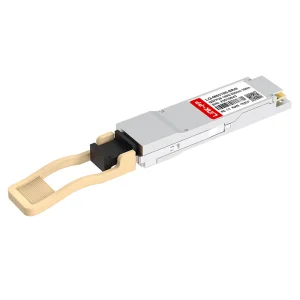
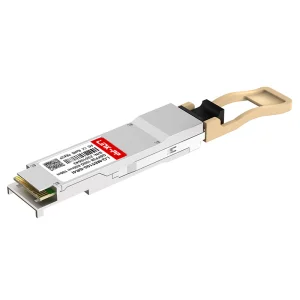
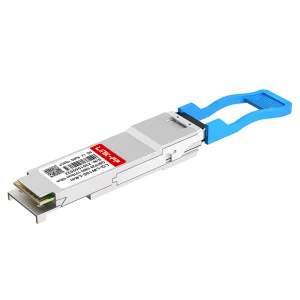
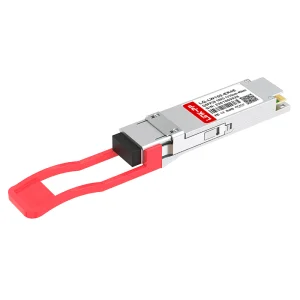
Fibronexa
Fibronexa
Fibronexa
Deploy robust 100G/200G/400G transceiver architectures optimized for extreme thermal efficiency, matching Norway's leading low-carbon operational targets.
As the digital heart of Europe transitions towards absolute sustainability, Norway has positioned itself as the premier global hub for green data centers. Enabled by 100% renewable hydroelectric power and natural low-ambient cooling, Norway's data center market capacity is projected to scale exponentially. However, operating supercomputing hubs inside mountain vaults and sub-sea enclosures presents strict environmental demands on network component resilience.
High-performance computing (HPC) nodes, national AI grids, and dense metro edge configurations across Oslo, Stavanger, and Bergen rely on high-capacity 100G, 200G, and 400G optical links to execute petabyte-scale transactions. High-density transceivers must deliver lower power dissipation metrics, minimal thermal footprints, and robust physical tolerance under zero-error conditions.
Transceivers deployed in mountain vaults and deep underground facilities must resist rapid humidity changes and cold startups while maintaining signal integrity at 100m to 80km spans.
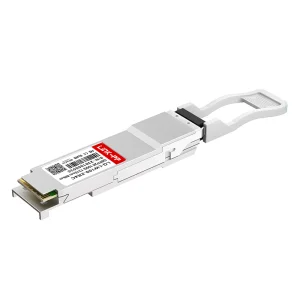
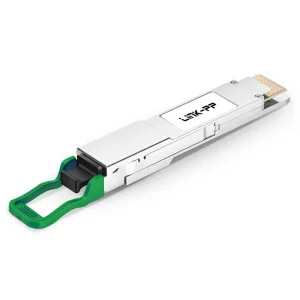
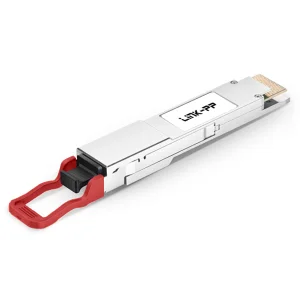
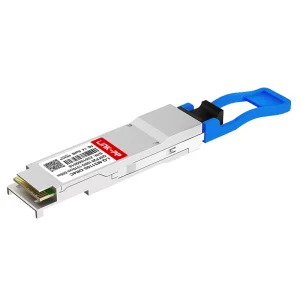
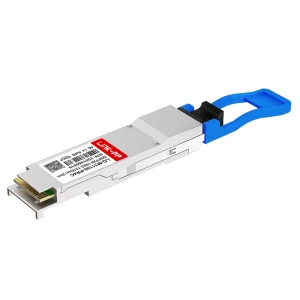
Our 400G DR4/FR4 PAM4 modules are engineered using custom DSP platforms designed to minimize power draw per gigabit, reducing overall facility PUE metrics.
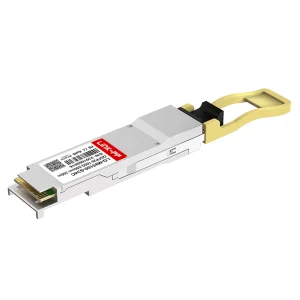
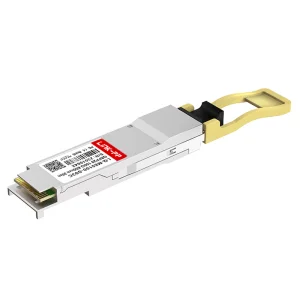
Backbone networks for smart maritime operations and offshore wind platforms require ruggedized single-mode fiber links operating over QSFP28 and QSFP-DD interfaces.
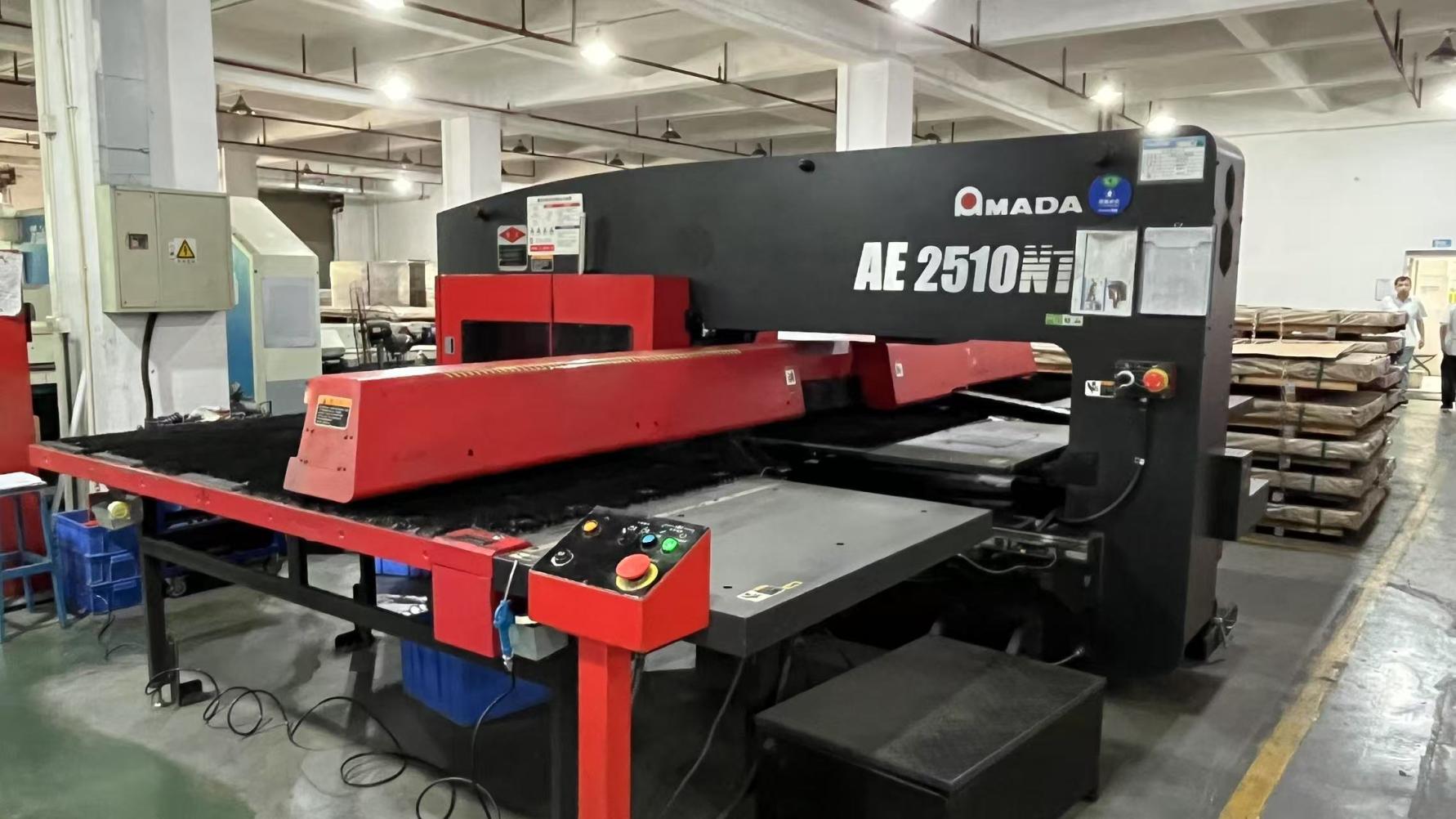
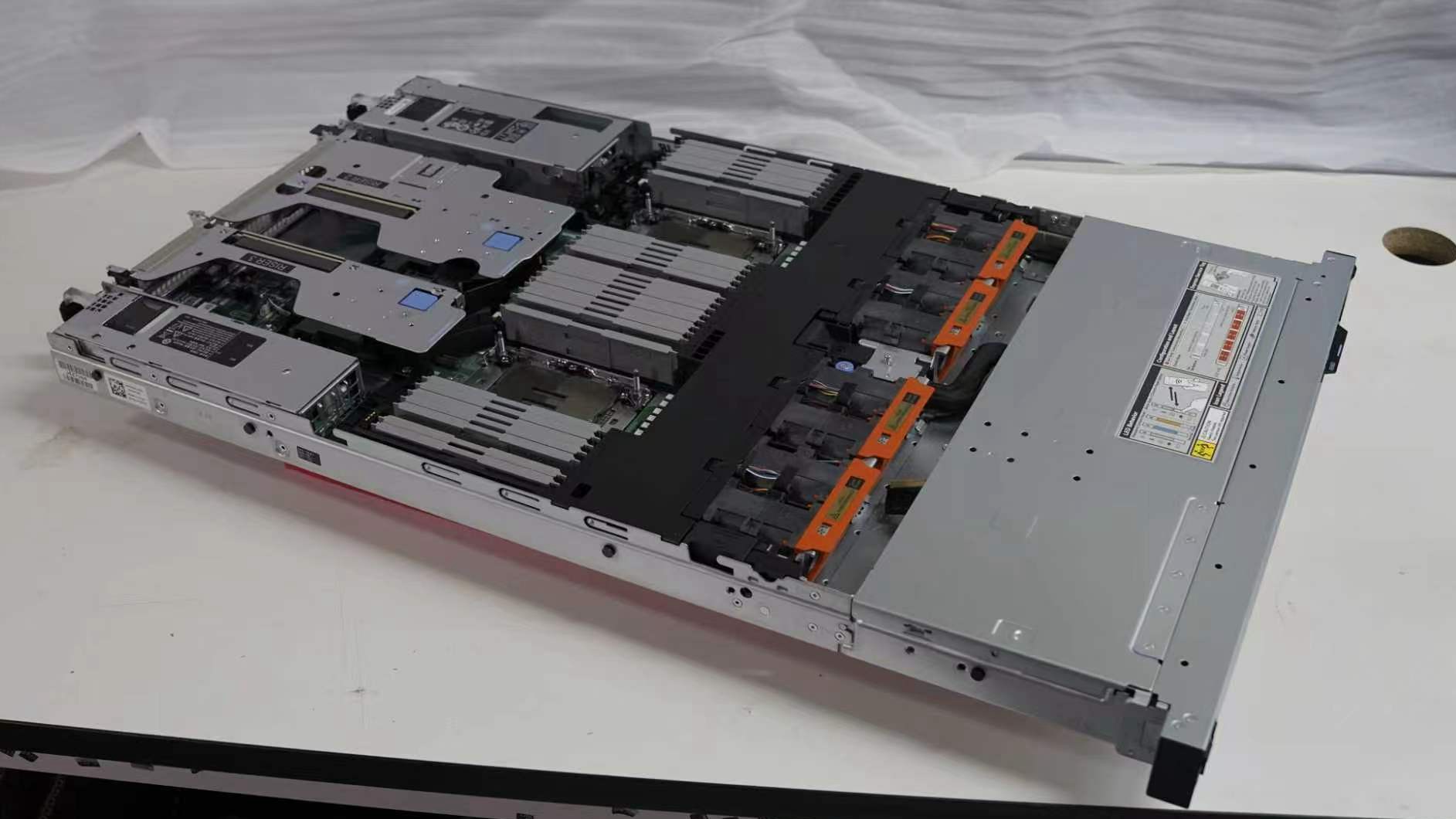
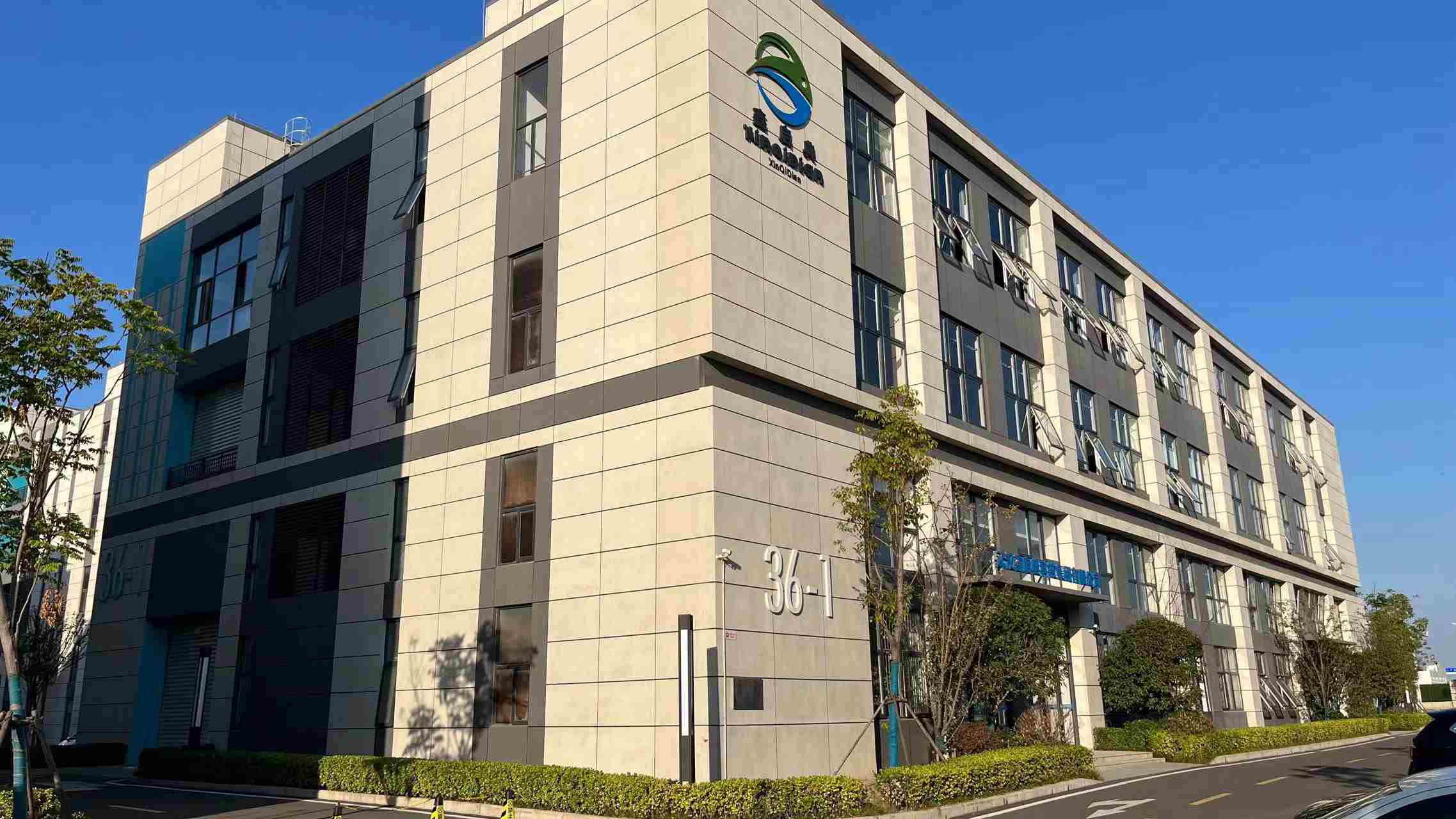
Fibronexa Communications Co., Ltd. is a professional optical transceiver manufacturer established in 2016, specializing in high-speed fiber optic communication solutions for global data center and telecom infrastructure markets. With a modern production facility covering approximately 320㎡, Fibronexa has built a stable and efficient manufacturing system supported by advanced automation and precision assembly processes.
The company generates an annual export revenue of around USD 12 million, with over 6 years of export experience and 10 years of accumulated industry expertise in optical communication technology. Fibronexa has developed strong global trade capabilities, serving customers across North America, Europe, Southeast Asia, and the Middle East.
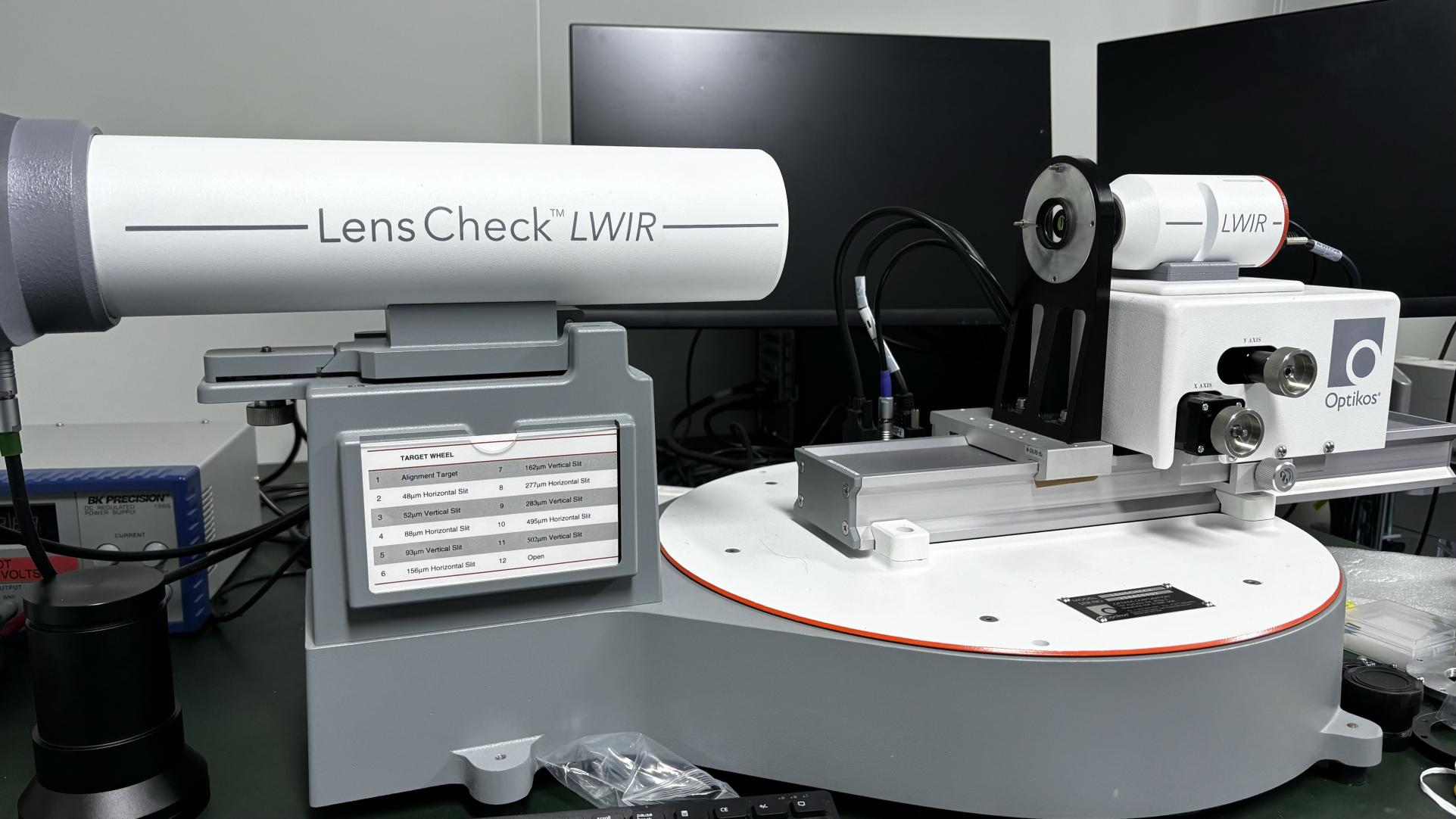
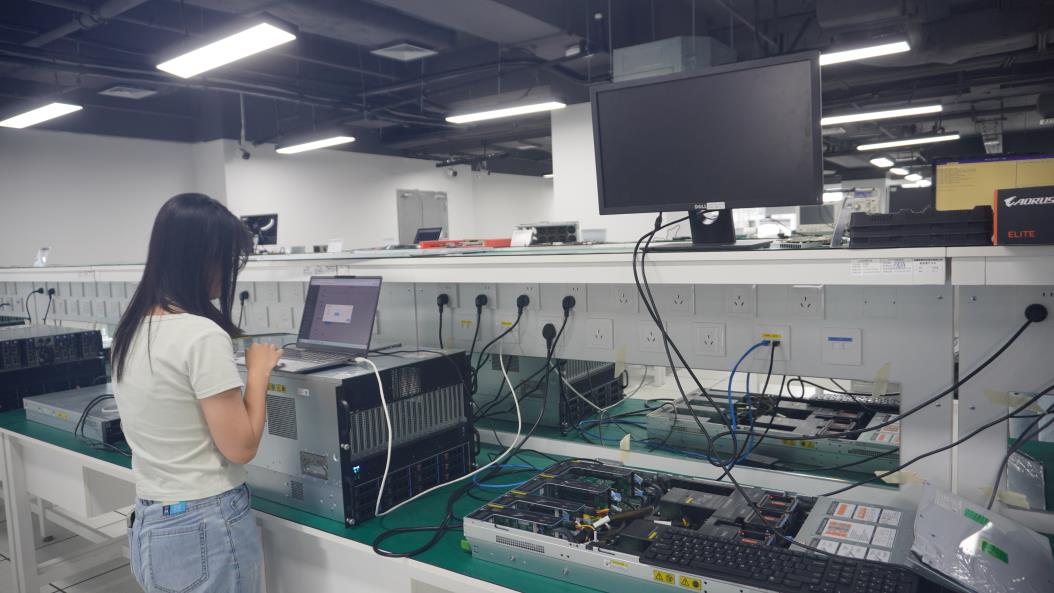
Quality is strictly controlled through a combination of automated optical testing systems and manual inspection processes, including 100% performance testing and environmental stress screening. The quality assurance team consists of approximately 45 trained QC professionals, ensuring every product meets international standards for reliability and performance.
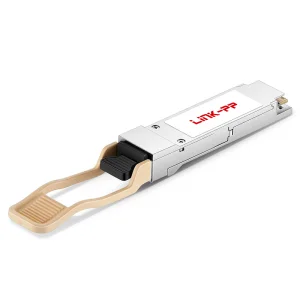
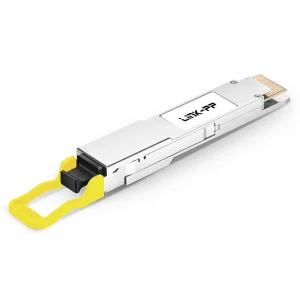
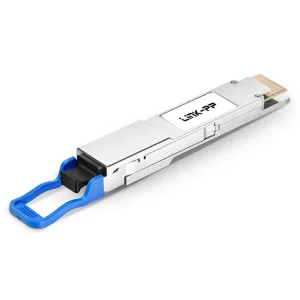
Understanding the evolution of transceivers is critical for long-term topology planning. Our technology roadmap spans QSFP28, QSFP56, and QSFP-DD form factors utilizing advanced NRZ and PAM4 modulation formats.
Compatible with major network OS brands, engineered for zero packet loss, and featuring Digital Diagnostic Monitoring (DDM).
Fibronexa operates with a robust supply chain network consisting of more than 1,200 strategic upstream and downstream partners, enabling stable component sourcing and fast production scalability. The company primarily serves telecom operators, data center integrators, enterprise network solution providers, and OEM/ODM customers worldwide.
Our direct factory shipping channel to Norway ensures rapid lead times. Through established trade hubs, we guarantee customs-compliant, duty-optimized shipping to major hubs in Norway.
Building trustworthy connections means complying with strict European regional regulations. Our transceivers comply with CE, FCC, RoHS, and WEEE standards, facilitating zero-friction imports for EEA (European Economic Area) businesses.
Our 85-engineer R&D team customizes EEPROM coding parameters to guarantee flawless compatibility with mainstream switches from Cisco, Arista, Juniper, Mellanox, and other top-tier vendors.
With our direct-air cargo channels, ready-to-ship stock modules typically reach Norwegian destinations within 5-7 business days, backed by real-time tracking.
We employ automated optical test benches to confirm optical spectrum, eye-diagram parameters, and error rates, followed by environmental stress screening inside temperature-controlled chambers.