 Fibronexa
Fibronexa
Fibronexa
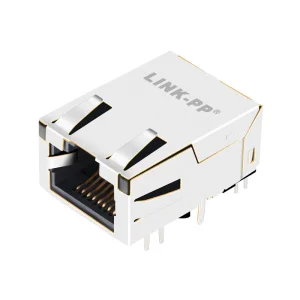
Compact design optimized for high-density space integration. Reliable performance for modular structured cabling.
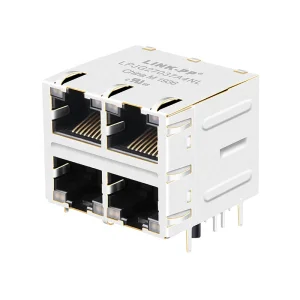
Gigabit transmission rates with built-in LED indicators. Robust EMI shielding for harsh electromagnetic noise.
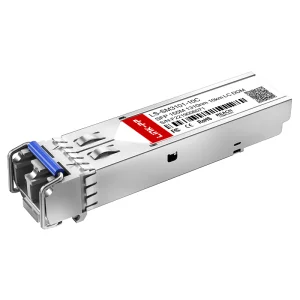
Dual LC connector interface, single mode fiber compatibility, 10km long-reach optical link stability.
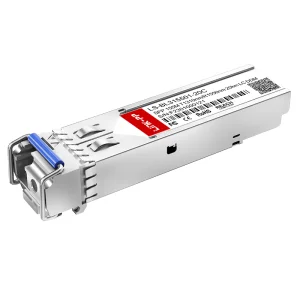
Bi-directional transceivers saving fiber plant costs. Ideal for FTTH access and metropolitan ring networks.
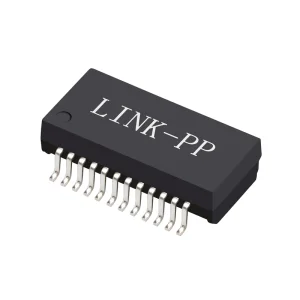
Power over Ethernet (PoE) standard magnetic interface designed for robust data and power transmission.
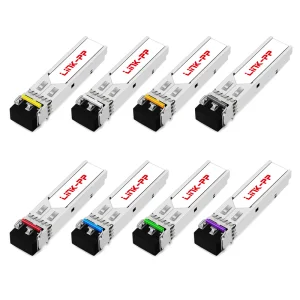
Coarse wavelength division multiplexing supporting up to 25 Gbps for 5G fronthaul applications.
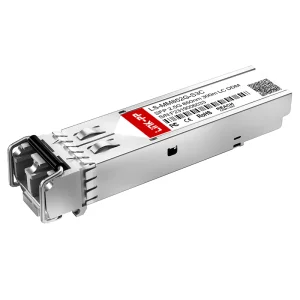
Short-wavelength multimode SFP. High reliability over 300 meters, ideal for enterprise core networks.
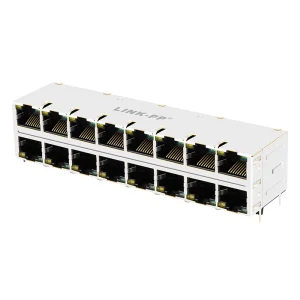
High-density stacked connector module with robust shielding and precise terminal contact alignments.
In the era of hyper-scale computation, 5G densification, and AI-dominated workloads, the physical layer infrastructure of data centers and metropolitan networks faces unprecedented demands. A Fiber Optic Patch Cord, often overlooked as a commoditized cable, serves as the vital lifeline ensuring signal integrity, minimal latency, and zero data packet drop rates across high-speed optical transceivers.
Modern telecommunication demands have shifted from standard gigabit speeds to 100G, 400G, and pioneering 800G/1.6T environments. In these hyper-density environments, physical connection parameters like Insertion Loss (IL) and Return Loss (RL) directly impact active equipment performance. Minor variations in connector polishing, fiber core alignment (concentricity), and optical end-face geometry can compromise entire communication loops. Global procurement offices must move beyond purely pricing-driven metrics to focus on structural engineering, raw materials provenance (e.g., Corning, Prysmian cores), and factory automation grades.
High-frequency trading architectures and massive generative AI training matrices require single-mode OS2 and high-end multimode OM4/OM5 patch cables to operate at sub-microsecond latencies without error correction overhead.
As rack space becomes premium, standard duplex LC and SC connectors are increasingly complemented by high-density MTP/MPO and MDC multi-fiber arrays, demanding absolute precision in array polishing.
Safety regulations call for LSZH (Low Smoke Zero Halogen), OFNP (Plenum), and OFNR (Riser) rated outer jackets, preventing toxic gas emissions in enclosed spaces during thermal accidents.
The manufacturing ecosystem for optical components is globally distributed but concentrated in specific regions that offer specialized technological capacities and material supply lines. While North American and European enterprises lead in R&D and architectural standards setting, East Asia—particularly China's advanced manufacturing hubs—remains the backbone of high-volume, precision-engineered patch cord production.
Procuring raw fiber cores, ceramic ferrules, and plastic components requires structured supply chains. Low insertion loss depends directly on the concentricity of the ceramic ferrules. High-end manufacturers source premium zirconia ferrules from Japan or specialized domestic suppliers that achieve sub-micron concentricity tolerances. Industry 4.0 automation allows factories to integrate real-time 3D interferometer testing for every patch cord produced, certifying the end-face curvature, apex offset, and fiber height to guarantee reliability in field installations.
From an enterprise risk mitigation perspective, diversification is key. Many leading developers look for manufacturers with robust multi-port international export capabilities, comprehensive regulatory profiles (RoHS, REACH, UL, Telcordia GR-326), and adaptive supply networks capable of shielding clients from volatile freight and raw material shifts.
Evaluating patch cord manufacturers requires analyzing criteria beyond pricing: manufacturing capacity, R&D agility, equipment pedigree, and Quality Assurance (QA) compliance. Below is the comprehensive ranking of the world's leading manufacturers driving innovation in high-speed optical infrastructure.
The pioneer in glass sciences. Corning continues to set the benchmark for low-bend-loss fiber cores (ClearCurve) and MTP/MPO ultra-high-density assemblies. A primary choice for strategic military, telecom trunking, and enterprise data centers globally.
Renowned for its SYSTIMAX cabling systems, CommScope is a market leader in structured cabling design. Their manufacturing facilities utilize high-speed robotic terminations to deliver standardized performance across global enterprise projects.
As one of the world's largest cable makers, Prysmian delivers telecom infrastructure solutions built on in-house glass manufacturing. They specialize in high-fiber-count assemblies and ruggedized outdoor patch solutions.
Established in 2016, Fibronexa is an emerging technological force specializing in high-speed optical modules and precision connectivity. Operating from a state-of-the-art facility, Fibronexa features a highly integrated supply chain with over 1,200 partners. Supported by a robust R&D force of 85 engineers, the factory has launched approximately 120 new products over the past year, catering to customized telecommunication, cloud network, and enterprise cabling profiles.
Known for metallurgical and optical material expertise, Furukawa produces premium zirconia ceramic ferrules and fiber cores. Their patch cords are highly valued in environments requiring superior physical connection repeatability.
A leading Japanese conglomerate providing high-performance fiber optic ribbon cables, patch cords, and fusion splicers. Their products excel in extreme thermal stability and precision concentricity.
A high-end manufacturer focusing on optical connectivity for defense, space, industrial, and hyper-scale data center environments. Their MasterLine and LISSA series highlight Swiss engineering standards.
A global leader in physical infrastructure and network management. Panduit's QuickNet cabling assemblies and custom patch cords are optimized for easy routing and thermal management inside server cabinets.
A leading manufacturer of high-frequency and fiber optic connection systems. Specializes in custom solutions for telemetry, industrial automated grids, and telecom base stations requiring robust outdoor housings.
As a global supplier of optical preforms and optical fibers, YOFC offers vertically integrated manufacturing capabilities. They supply high-volume patch cords for massive FTTH installations globally.
Fibronexa Communications Co., Ltd. (Fibronexa Optical Transceiver Manufacturer) is a professional optical transceiver and connectivity manufacturer established in 2016, specializing in high-speed fiber optic communication solutions for global data center and telecom infrastructure markets. With a modern production facility covering approximately 320㎡, Fibronexa has built a stable and efficient manufacturing system supported by advanced automation and precision assembly processes.
The company generates an annual export revenue of around USD 12 million, with over 6 years of export experience and 10 years of accumulated industry expertise in optical communication technology. Fibronexa has developed strong global trade capabilities, serving customers across North America, Europe, Southeast Asia, and the Middle East.
Quality is strictly controlled through a combination of automated optical testing systems and manual inspection processes, including 100% performance testing and environmental stress screening. The quality assurance team consists of approximately 45 trained QC professionals, ensuring every product meets international standards for reliability and performance.
Fibronexa maintains a robust supply chain network with more than 1,200 strategic upstream and downstream partners, enabling stable component sourcing and fast production scalability. The company primarily serves telecom operators, data center integrators, enterprise network solution providers, and OEM/ODM customers worldwide.
Driven by strong engineering capabilities, Fibronexa operates with a R&D team of around 85 engineers, focusing on high-speed optical modules, including 10G, 25G, 100G, 400G, and emerging 800G solutions. The company launched approximately 120 new products in the past year, with flexible customization options available for wavelength, distance, packaging, and protocol compatibility.
Fibronexa continues to invest in innovation and product reliability, positioning itself as a trusted global partner in next-generation optical communication infrastructure.
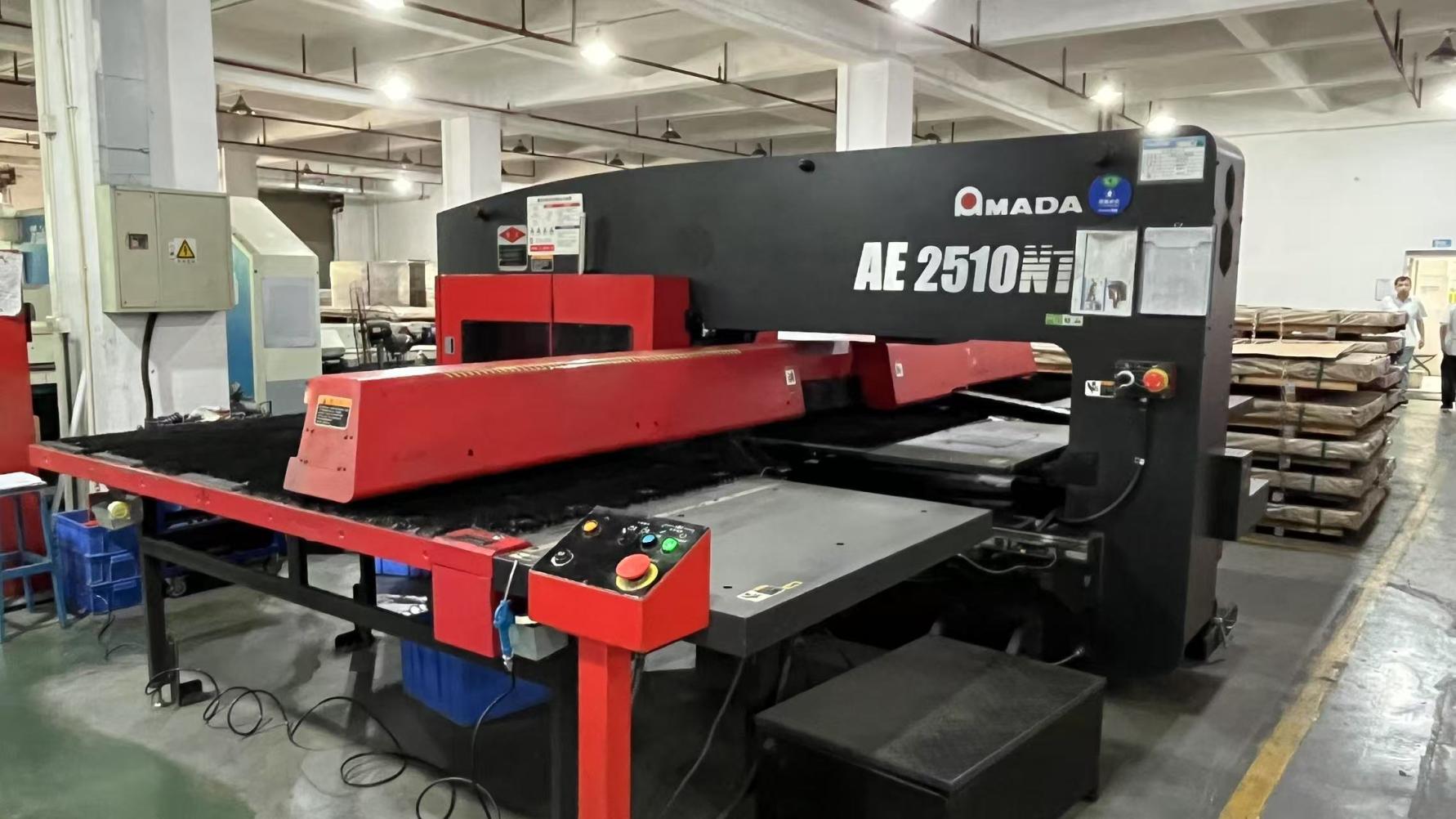
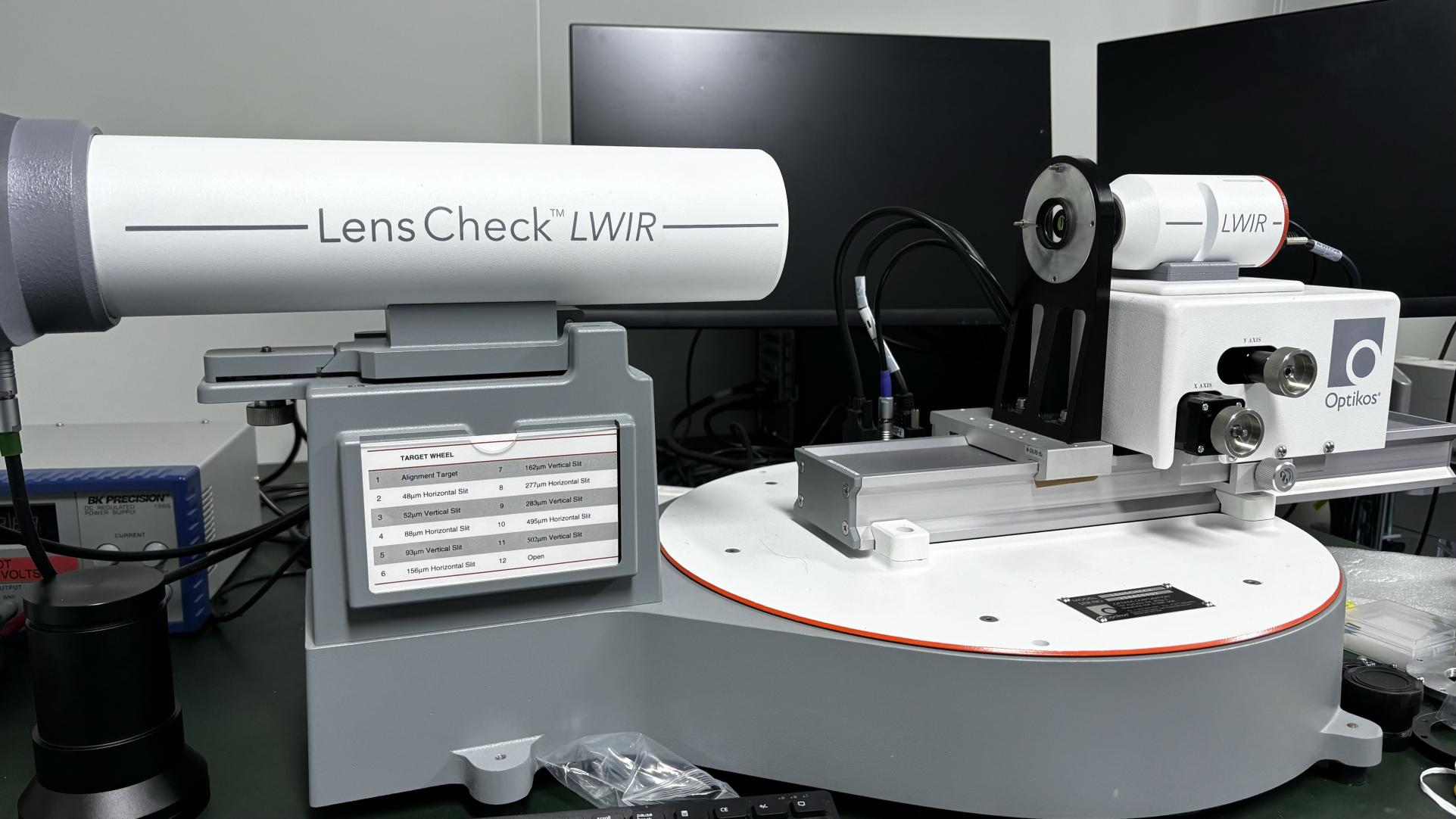
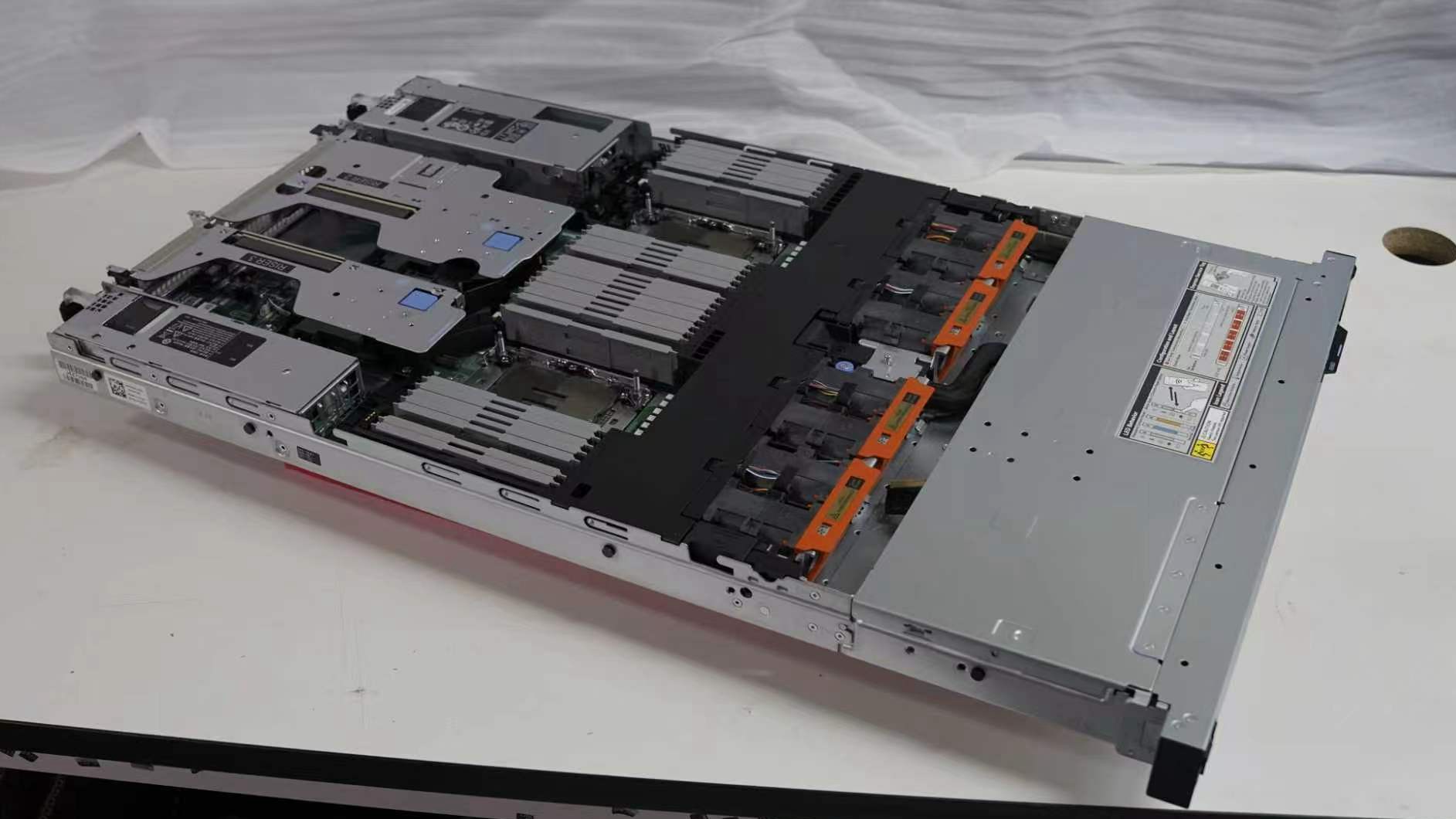
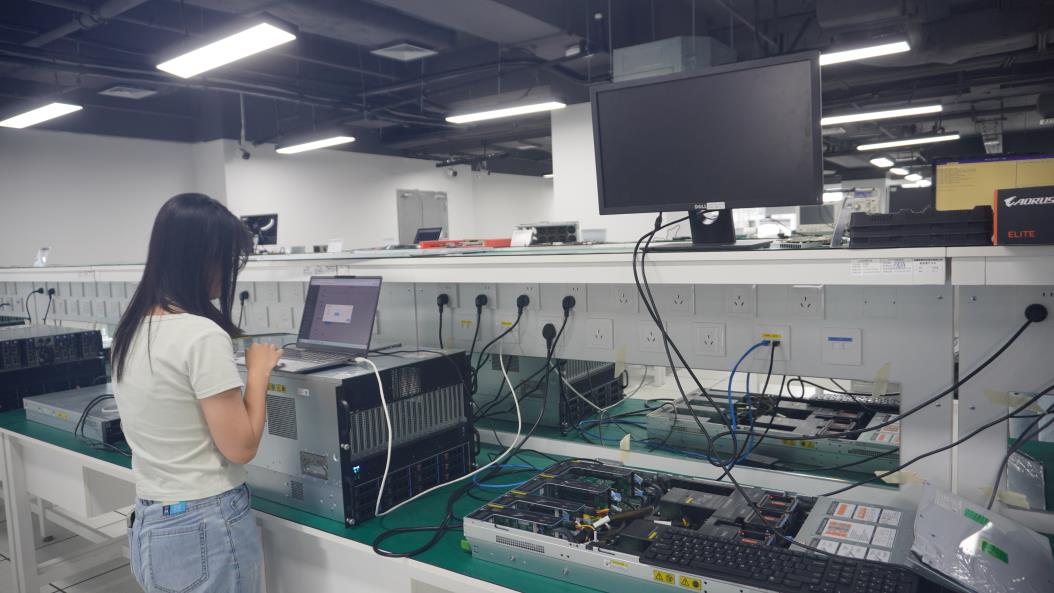
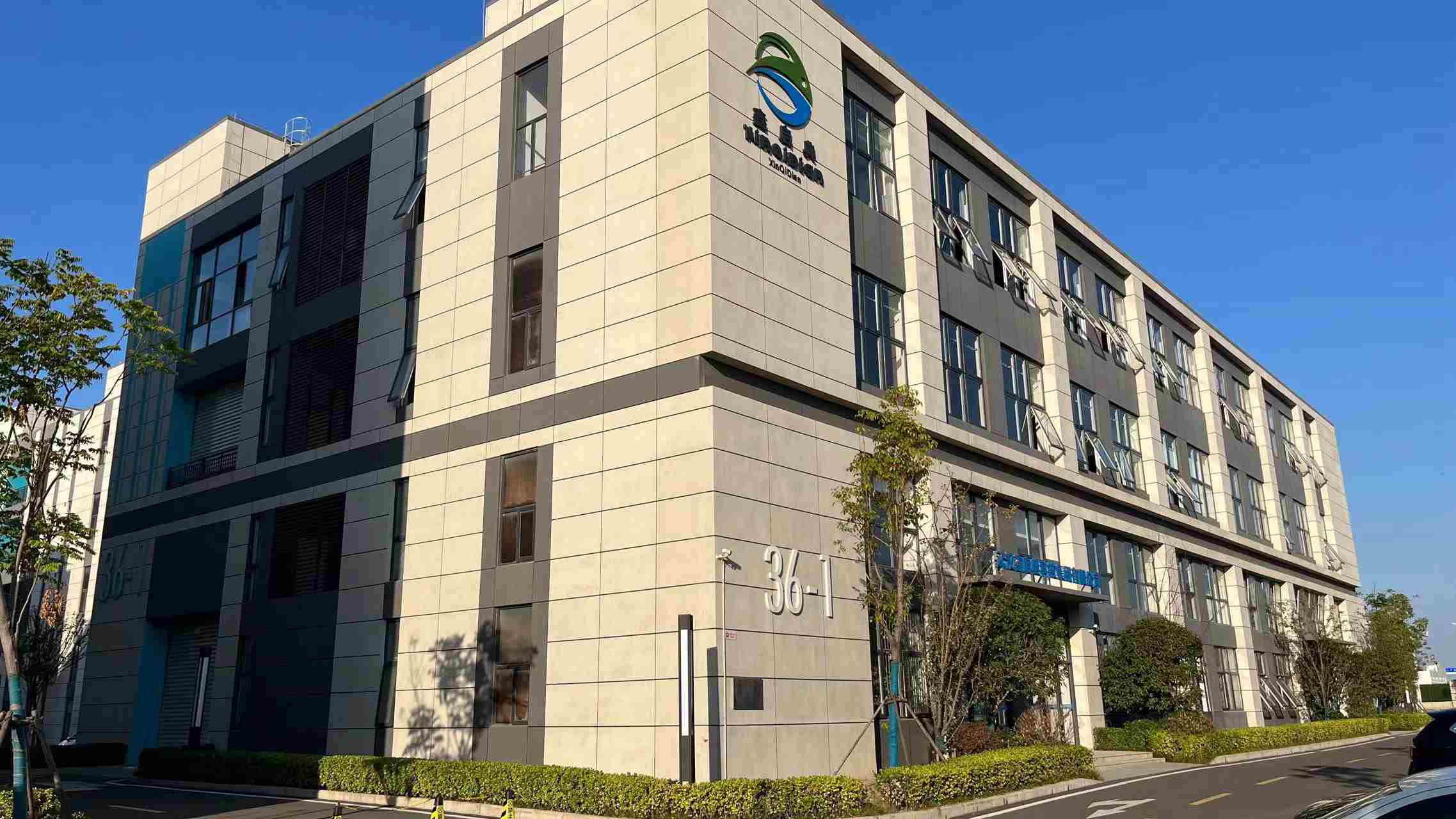
The transition of Chinese optical factories from high-intensity manual assembly shops to advanced Industry 4.0 facilities has reshaped global component procurement. Modern operations incorporate automated stripping, crimping, and high-frequency laser polishing machinery. Robotic arms handle precision optical fiber sorting, significantly minimizing human error and enhancing product consistency.
Furthermore, China's extensive internal ecosystem for structural components—ranging from optical resins to advanced LSZH compound formulations—ensures unmatched manufacturing speed and volume flexibility. While external raw material shortages can stall production elsewhere, localized clusters in Jiangsu, Zhejiang, and Guangdong maintain vast component reserves. This structural setup enables factories to process large orders with short lead times, stabilizing the supply chain for international operators facing tight project deployment deadlines.
A: OS2 is designed for long-range transmission (up to 40km or more) using a narrow 9µm core with a wavelength of 1310nm/1550nm. OM4 and OM5 are multimode fibers with a 50µm core optimized for short ranges (up to 400m for 10G/40G) using 850nm VCSELs. OM5 specifically supports SWDM (Shortwave Wavelength Division Multiplexing) across the 850-953nm range, enabling higher bandwidth over fewer fibers.
A: UPC (Ultra Physical Contact) connectors are polished with a flat end-face. They exhibit a return loss of roughly -50dB. APC (Angled Physical Contact) connectors feature an 8-degree angle on the end-face, directing back-reflections into the fiber cladding to achieve a return loss of >-65dB. APC is critical in high-power analog links, CATV, and single-mode long-haul systems to prevent active transceiver degradation.
A: 3D geometry testing measures key parameters: Radius of Curvature, Apex Offset, and Fiber Height. If these metrics fall outside strict tolerances, physical contact between fiber cores inside mating adapters will degrade over time, leading to micro-gaps, increased insertion loss, and elevated return loss.
A: OFNP (Plenum) features the highest fire retardance and low smoke production, suitable for air ducts and dropped ceilings. OFNR (Riser) is rated for vertical shafts. LSZH (Low Smoke Zero Halogen) is designed to release no toxic halogens in the event of a fire, making it the standard choice in many European structures, subway systems, and densely populated public spaces.
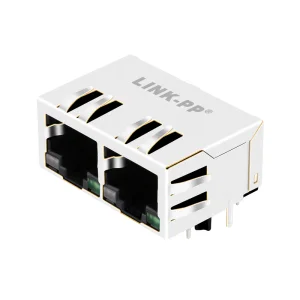
Integrated status LEDs for visual diagnostic validation. Gold-plated contacts for long-term insertion durability.
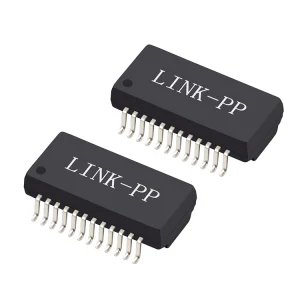
Optimized magnetic shielding to eliminate cross-talk and common-mode noise in gigabit communication cards.
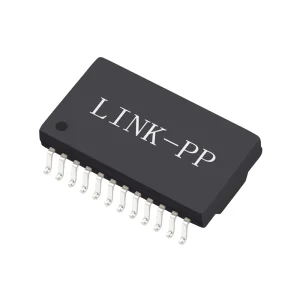
Designed in compliance with IEEE standards. High isolation voltage protects downstream equipment from transients.
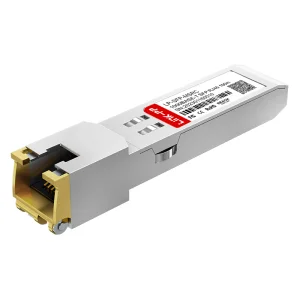
Allows fiber transceiver slots to host standard copper connections over distances up to 100 meters.
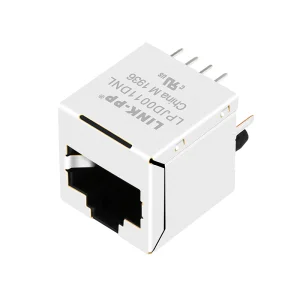
Vertical entry connector configuration saving board space. Excellent mechanical anchoring properties.
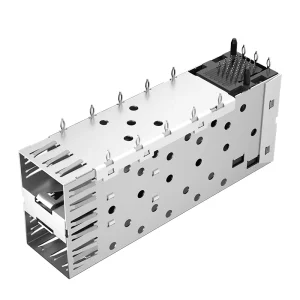
Robust press-fit design with EMI shielding spring fingers, preventing high-frequency noise emissions.
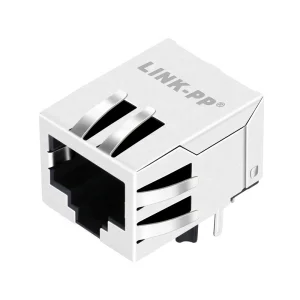
Industrial-grade standard RJ45 jack. Engineered for millions of insertions without signal degradation.
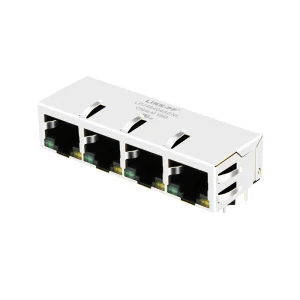
Multi-port configuration ideal for network routers, switches, and patch panels requiring high channel density.