Fibronexa
Fibronexa
Fibronexa
Precision-engineered optical and copper transceivers for data centers, industrial gateways, and telecommunications networks.
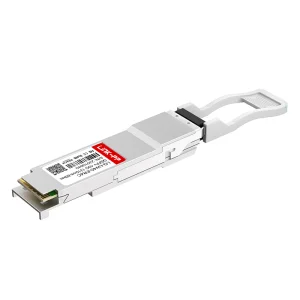
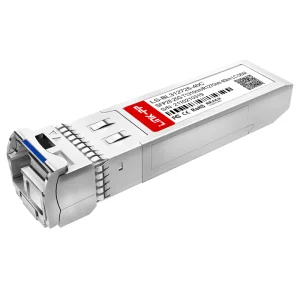
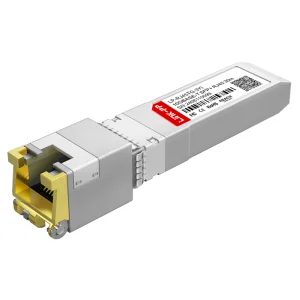
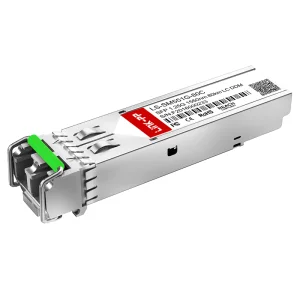
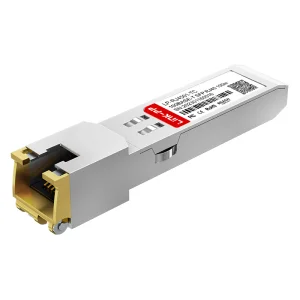
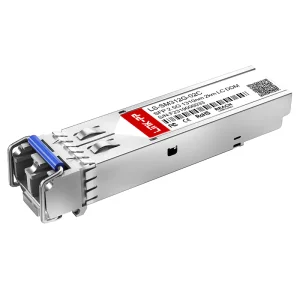
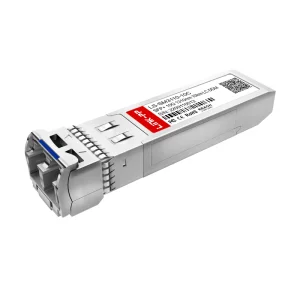
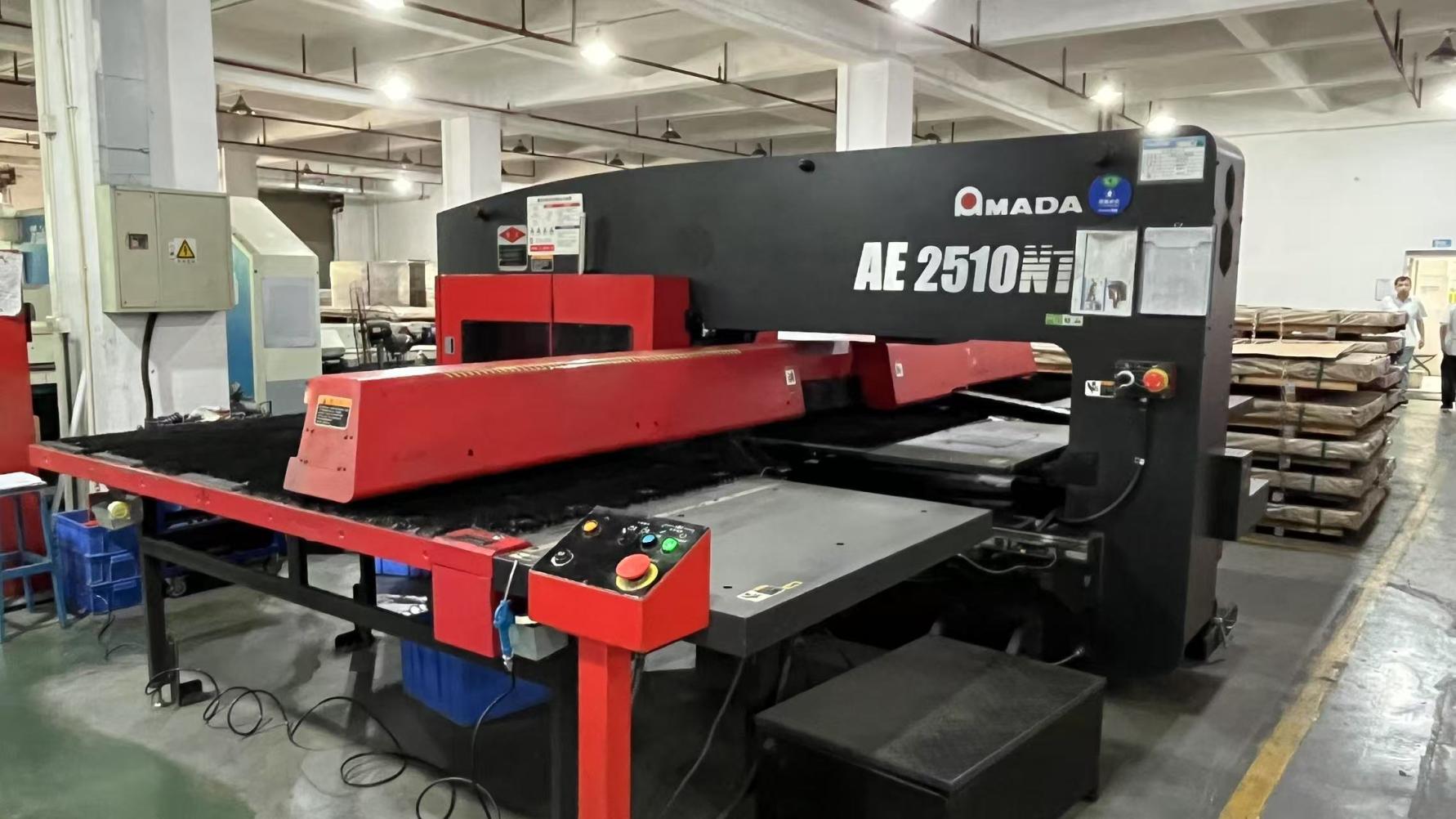
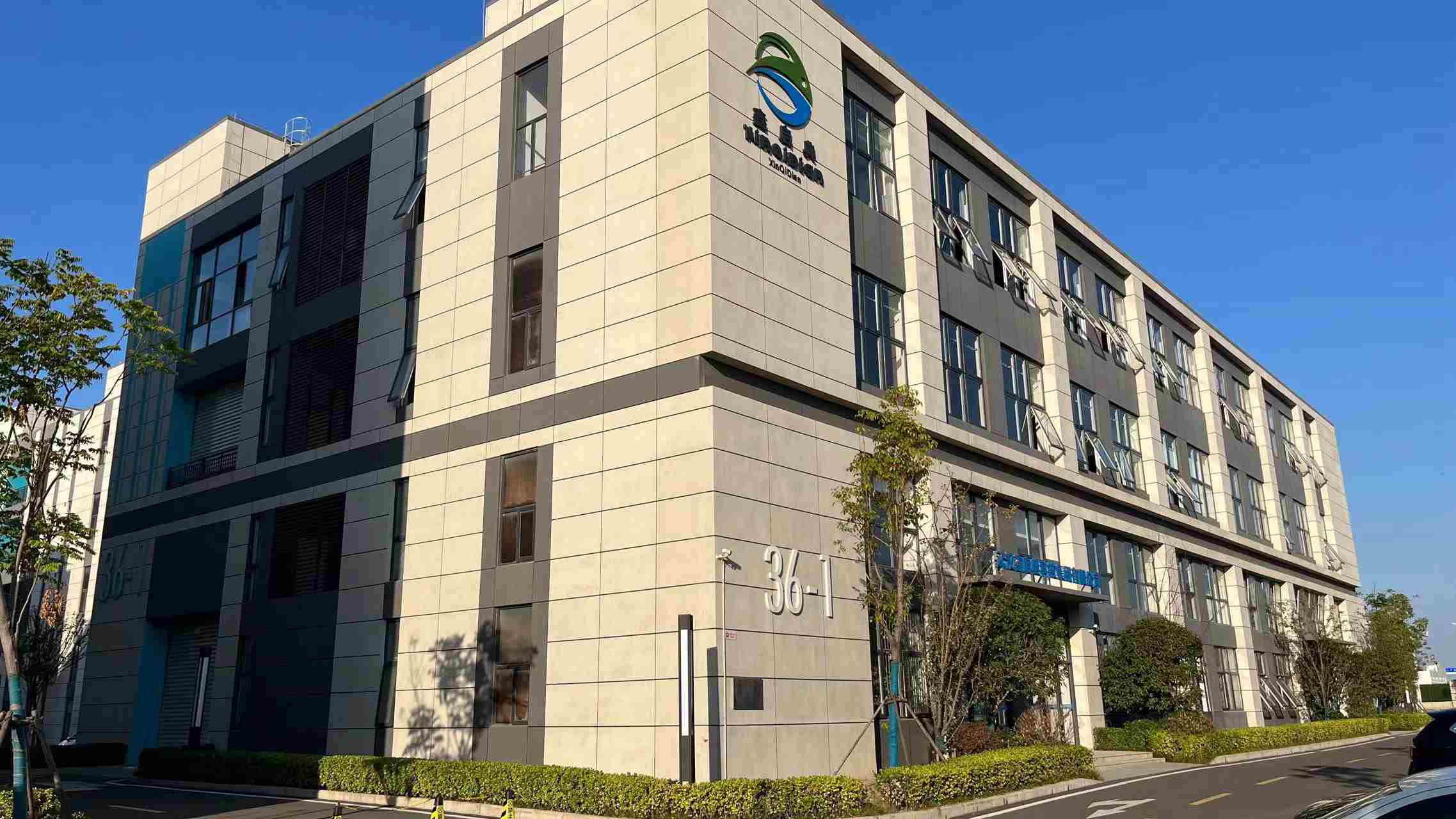
Fibronexa Communications Co., Ltd. (Fibronexa Optical Transceiver Manufacturer) is an elite industrial-grade connectivity and optical transceiver manufacturer established in 2016. We specialize in high-performance physical-layer conversion interface solutions, serial port adapters, and optical-electrical transceivers for global data centers, smart grids, and telecommunication infrastructures. With an advanced, modern production facility covering approximately 320m², Fibronexa operates a highly integrated, automated manufacturing environment optimized for high-yield, low-tolerance component assembly.
We generate an annual export revenue of approximately USD 12 million, supported by over 6 years of direct global export operations and 10 years of accumulated hardware design expertise. Our trade routes span across North America, Europe, Southeast Asia, and the Middle East, allowing us to maintain strategic, real-time insights into regional deployment regulations and electrical interface compliance standardizations.
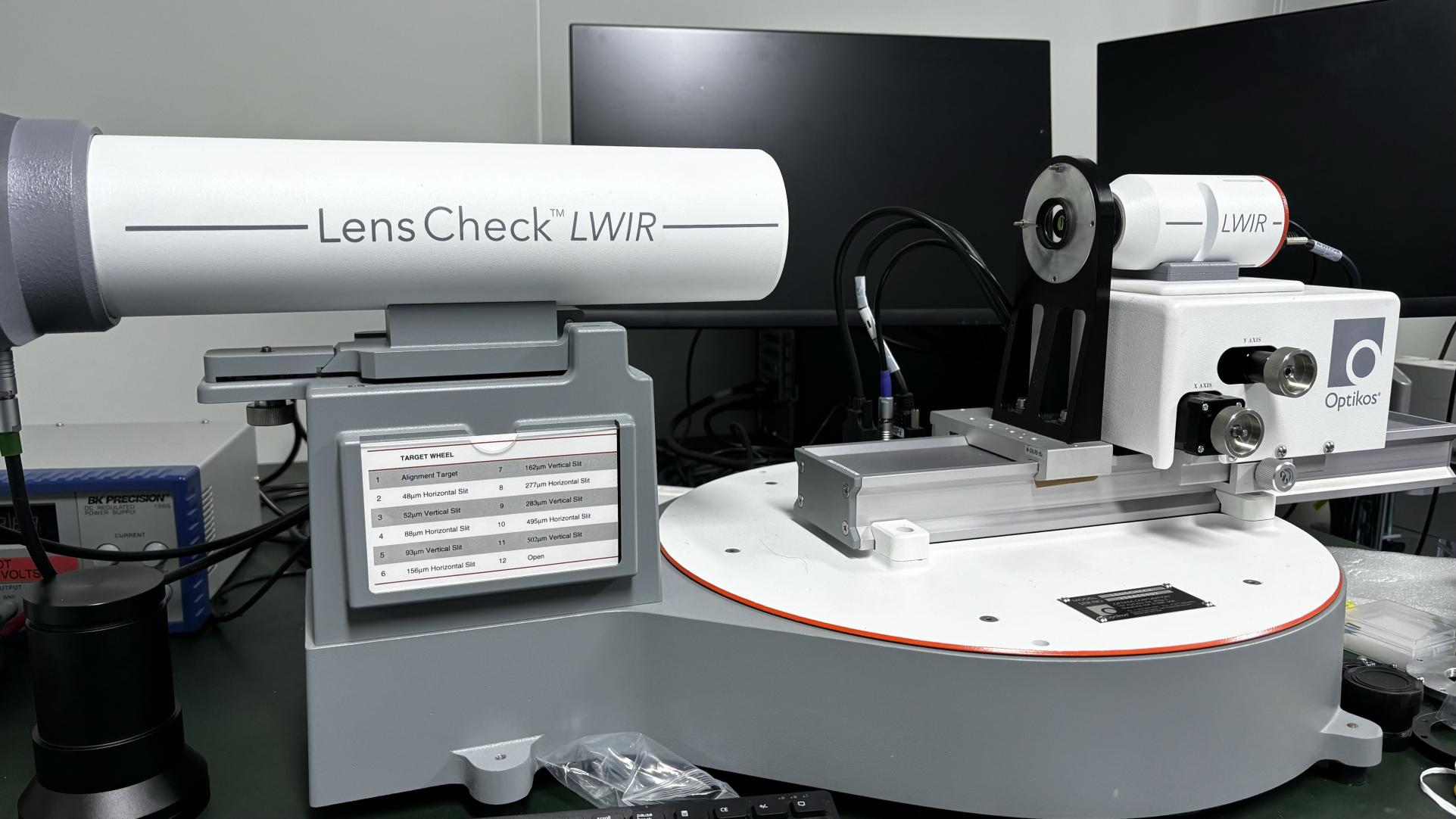
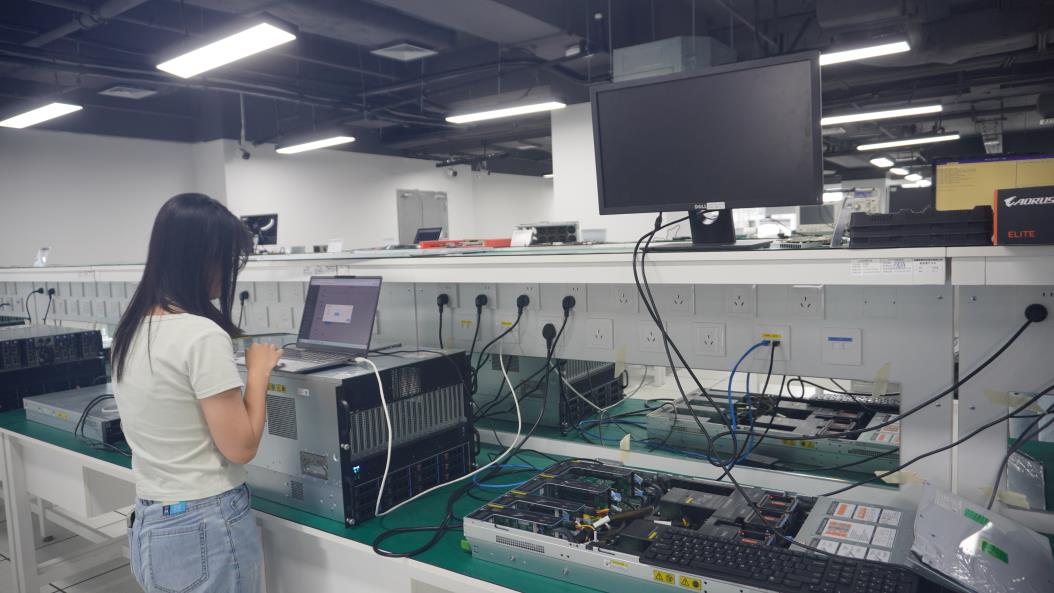
Quality and stability are managed via stringent, end-to-end testing cycles. Utilizing a robust division of 45 highly specialized Quality Control (QC) technicians, our laboratory executes 100% optical-electrical parameter diagnostics, Bit Error Rate (BER) analysis, and automated optical testing. Our engineering capability is led by an R&D department of approximately 85 veteran hardware designers, structure technicians, and firmware engineers, focusing on high-speed interfaces, electro-magnetic compatibility (EMC) isolation, and high-frequency digital signal integrity. Having launched approximately 120 new products over the past fiscal year, we offer robust OEM/ODM pipelines that cover mechanical housing design, custom PCB layout, custom wavelengths, distance configurations, and Multi-Source Agreement (MSA) software cross-compatibility profiling.
Across global industrial automation, power distribution networks, and transport infrastructure, legacy serial protocols (RS-232, RS-422, and RS-485) remain the foundation of operational technology (OT). However, the rise of Industry 4.0, real-time edge analytics, and cloud-connected telemetry requires these interfaces to bridge smoothly into high-speed TCP/IP networks. Modern industrial communication interfaces act as the primary translator, converting low-voltage differential serial signals into packetized Ethernet or light-wave streams.
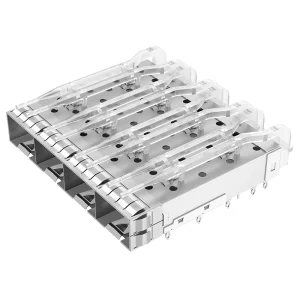
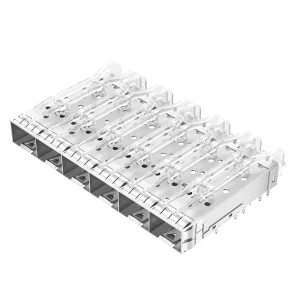
This physical-layer transition involves several challenges, including high electromagnetic interference (EMI), voltage surges, transmission range limits, and grounding loops. For example, standard copper RS-485 links are limited to 1200 meters at low baud rates and are highly susceptible to lightning strikes or high-voltage cross-talk in industrial settings. To resolve this, OEM/ODM solutions integrate optical transceivers and isolated RJ45 interfaces with high-density SFP shielding cages. This prevents signal distortion and protects sensitive processing units at the edge of the network.
"The convergence of industrial OT and enterprise IT requires physical-layer hardware that can convert serial datastreams into high-bandwidth optical channels, ensuring long-distance transmission without data loss or signal degradation."
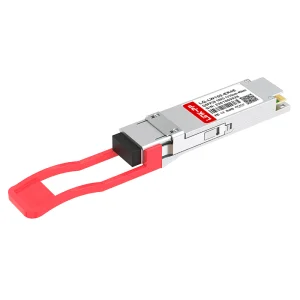
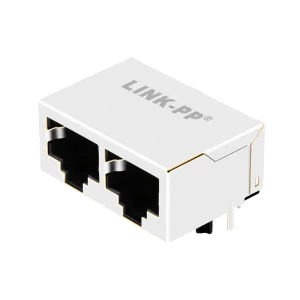
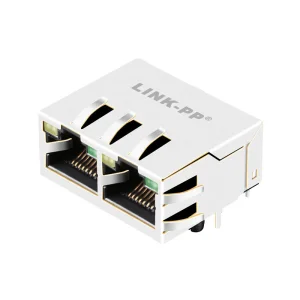
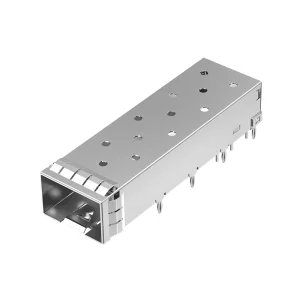
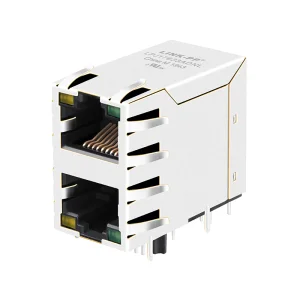
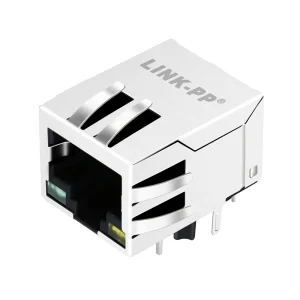
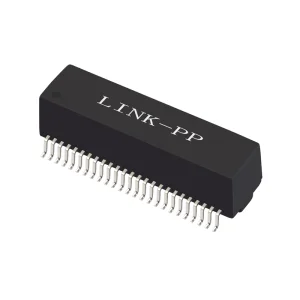
Our OEM/ODM solutions address these issues by combining passive and active connectivity components. Our design process matches custom-engineered RJ45 connectors (incorporating high-performance magnetics for galvanic isolation) with EMI-shielded SFP+ cages and multi-rate transceiver modules. This ensures stable operation across wide temperature ranges, high vibration environments, and areas with severe electrical noise.
Our OEM/ODM technical roadmap focuses on three main engineering priorities: signal integrity, structural shielding, and protocol adaptability.
How our custom physical-layer and optical components perform in demanding real-world industrial systems.
Substations experience severe electromagnetic fields and transient voltage spikes. Legacy RS-485 connections between meters and RTUs are converted to fiber optic signals using our Duplex LC SMF SFP modules. Press-fit, EMI-shielded SFP+ cages prevent electromagnetic noise from disrupting the converter's internal processor, ensuring continuous uptime.
Automated manufacturing floors require low-latency communication between centralized PLCs and remote I/O blocks. Our SMT vertical RJ45 jacks and 10GBASE-T SFP+ copper modules enable high-speed Ethernet data transfer directly through legacy copper wiring, bypassing the cost of installing new fiber runs in tight cable trays.
Railways utilize serial sensors to track trackside status and signal controls. Our high-reliability optical converters transmit this data over 40km using SFP28 25G BiDi modules. This setup isolates the devices from track-generated electrical noise and provides long-distance telemetry transmission back to central control centers.
For network hardware deployed across different regions, compliance with global standards is essential to guarantee safety, compatibility, and environmental responsibility. Fibronexa maintains complete control over the manufacturing supply chain, ensuring that every passive connector, cage, and active transceiver meets rigorous international specifications.
Our products comply with the RoHS (Restriction of Hazardous Substances) directive and the REACH (Registration, Evaluation, Authorization and Restriction of Chemicals) regulation. This guarantees that all solders, platings, and plastics are free of hazardous substances such as lead, cadmium, and polybrominated biphenyls. For electrical safety and electromagnetic compatibility, our systems are certified under CE and FCC Class B requirements. This ensures that our SFP cages, RJ45 ports, and transceivers operate within strict electromagnetic emission limits and are resistant to external electrostatic discharges (ESD).
Additionally, our production lines follow the ISO 9001:2015 quality management standard. Our quality control team subjects every batch of optical modules to automated thermal cycle testing (-40°C to +85°C), optical eye diagram analysis, and insertion loss evaluation. This testing ensures that our devices maintain signal integrity over their entire operational lifespan, reducing field failures and maintenance costs.
Key technical considerations for network engineers and procurement managers selecting physical-layer and conversion components.
Highly durable interfaces, shielded SFP cages, and isolation transformers designed for robust industrial PCB layouts.
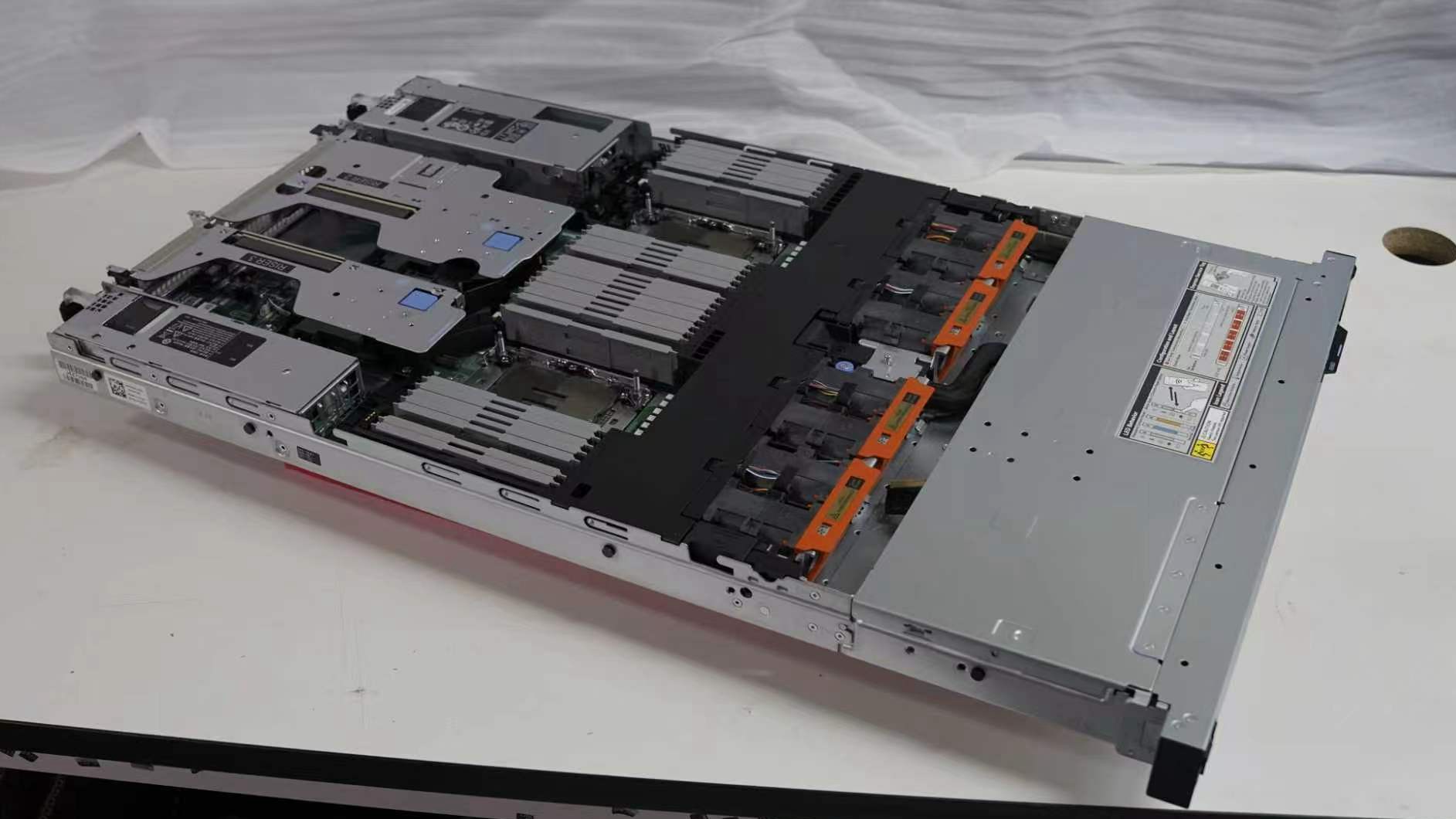
Visual representation of our manufacturing quality control, modern assembly machinery, and testing floor.