Fibronexa
Fibronexa
Fibronexa
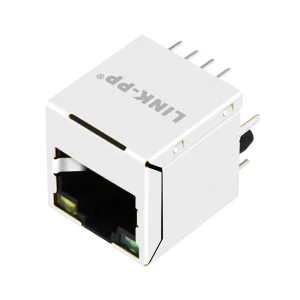
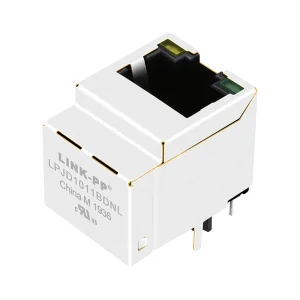
Engineered for minimal PCB space footprint and high electromagnetic compatibility in rugged heavy-duty port systems.
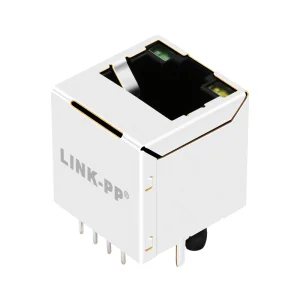
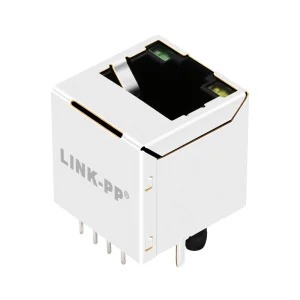
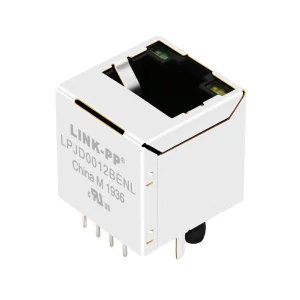
Busan, South Korea's primary economic gateway, stands as a powerhouse for heavy-duty shipbuilding, automated container terminals, and complex automotive electronics supply chains in the Noksan and Sasang Industrial Complexes. Electronics deployed in these marine and heavy-industrial fields must operate reliably under persistent vibrations, ambient high-frequency noise from high-voltage electric motor drives, and corrosive saline atmospheres.
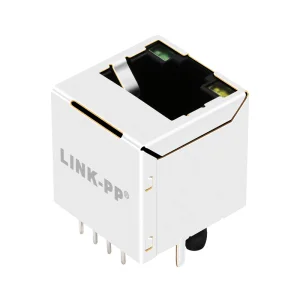
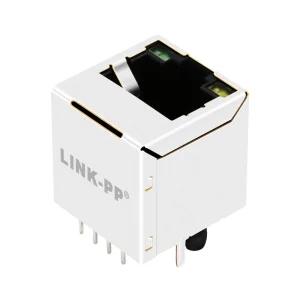
Standard right-angle RJ45 connectors frequently expose PCBs to mechanical load-stress during vertical assembly insertions. In response, engineering teams in Busan's marine radar and autonomous factory control lines are pivoting to vertical (top-entry) RJ45 connectors. This orientation offers two key benefits:
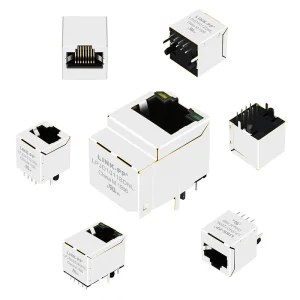
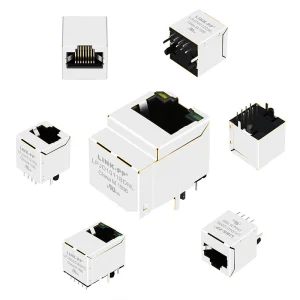
As a leading designer and exporter of networking interfaces, our production lines are calibrated to supply high-reliability top-entry RJ45 jacks meeting these precise conditions.
When routing differential pairs under extreme environmental constraints, physical layout options dictate long-term system survivability.
| Design Element | Right-Angle Style | Vertical (Top-Entry) |
|---|---|---|
| PCB Trace Length | Longer (Requires turns) | Ultra-Short (Straight drop) |
| Vibration Immunity | Moderate (Cantilever force) | High (Coaxial load alignment) |
| Mechanical Stress | Shear stress on pins | Compression stress (Ideal) |
| Thermal Venting | Obstructed airflow | Clear peripheral air circulation |
For data rates pushing past 1000Base-T (Gigabit Ethernet) toward 10G networks, crosstalk and impedance mismatches represent significant engineering hurdles. Solder tails of vertical RJ45 jacks present a shorter, perpendicular path to the grounding plane than right-angle pins, reducing parasitic capacitance and optimizing differential mode impedance.
Furthermore, our integrated magnetic jacks (MagJacks) feature internal toroid cores wound in high-permeability manganese-zinc ferrite. This architecture ensures common-mode rejection rates (CMRR) exceeding -30 dB from 1 MHz to 100 MHz, shielding your PHY chips from electromagnetic noise originating from adjacent machinery and high-speed variable frequency drives (VFDs) common in shipboard environments.
For operations requiring Power over Ethernet (PoE/PoE+/PoE++ up to 100W under IEEE 802.3bt), our vertical connectors utilize heavy-gauge phosphor bronze contacts with specialized plating to minimize contact resistance, avoiding thermal degradation at high current densities.
Integrating global-scale optical and physical layer Ethernet capabilities to deliver robust industrial-grade solutions.
Established to supply high-reliability physical layers, Fibronexa Communications Co., Ltd. operates state-of-the-art production environments dedicated to next-generation high-speed connectivity products. Backed by a versatile 320㎡ advanced assembly facility, Fibronexa achieves consistent component quality through specialized process engineering and precision automated assembly systems.
With an annual export volume reaching approximately USD 12 million and over 10 years of combined technological experience, Fibronexa supports diverse clients across Europe, North America, Southeast Asia, and the maritime networks of Busan. Quality assurance is managed by a team of 45 quality control specialists executing 100% automated optical inspection (AOI), return loss testing, and thermal aging sweeps.
Driven by an 85-person R&D team, we continuously prototype new products to keep pace with emerging designs, releasing over 120 new component configurations annually. From customized pin lengths and specialized LED indicators to high-performance magnetics, we offer tailored configurations to meet your specific engineering requirements.
Explore our complete range of top-entry, unshielded, shielded, PoE, and magnetic RJ45 connectors engineered for industrial applications.
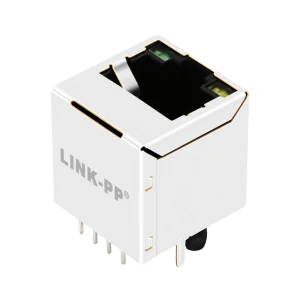
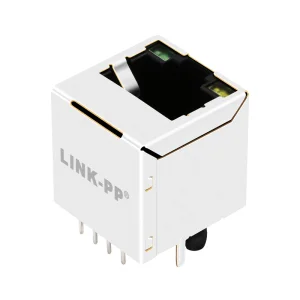
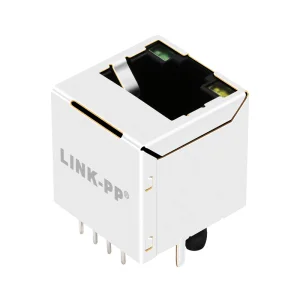
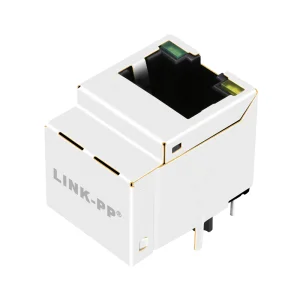
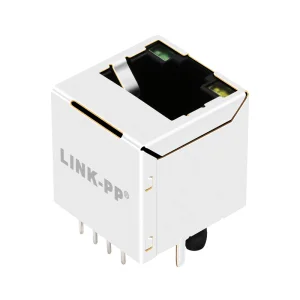
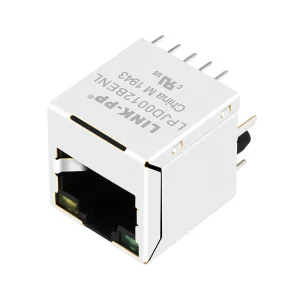
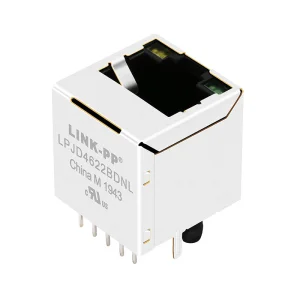
For operations located in coastal centers like Busan, atmospheric salinity accelerates standard copper oxidation, leading to connection failures. To combat this, we use premium materials throughout our connector range:
This design helps minimize signal degradation and maintains integrity over hundreds of mating cycles, ensuring consistent network performance in demanding marine and industrial automation applications.
| Physical Property | Standard Specification | Performance Level |
|---|---|---|
| Insulation Resistance | MIL-STD-202 Method 302 | > 500 MΩ Min |
| Dielectric Strength | IEC 60603-7 Isolation | 1500 V AC contact-to-shield |
| Durability | EIA-364-09 Testing | 750+ Mating Cycles |
| Operating Temperature | Industrial standard | -40°C to +85°C |
Developing physical layer systems that support transition pathways to emerging IIoT specifications.
The industrial networking sector is transitioning from isolated protocols toward unified Ethernet architectures. The adoption of Single Pair Ethernet (SPE) under IEEE 802.3cg introduces compact form factors to edge deployments, but RJ45 interfaces remain the primary choice for backbone high-bandwidth networks.
Our R&D roadmap focuses on adapting vertical RJ45 layouts for automated assembly, reducing manual assembly requirements for motherboard manufacturers. We continue to optimize shielding designs to minimize high-frequency signal degradation, ensuring reliable performance in demanding environments.
By using advanced simulation models, our engineering team refines contact layouts before tooling, helping shorten developmental cycles for custom projects deployed in Busan and international industrial markets.
Technical details regarding design compatibility, electromagnetic shielding, and environmental performance.
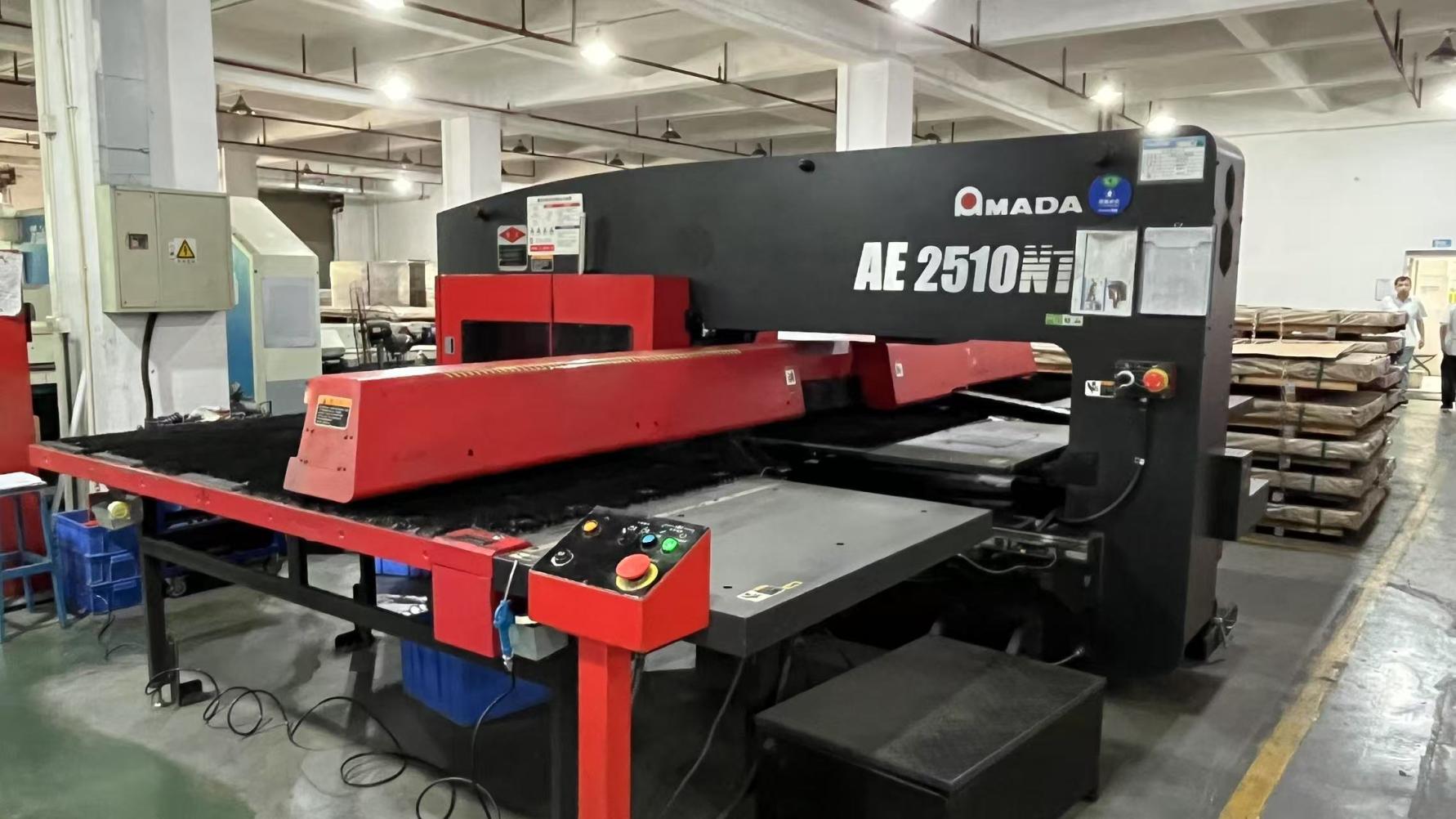
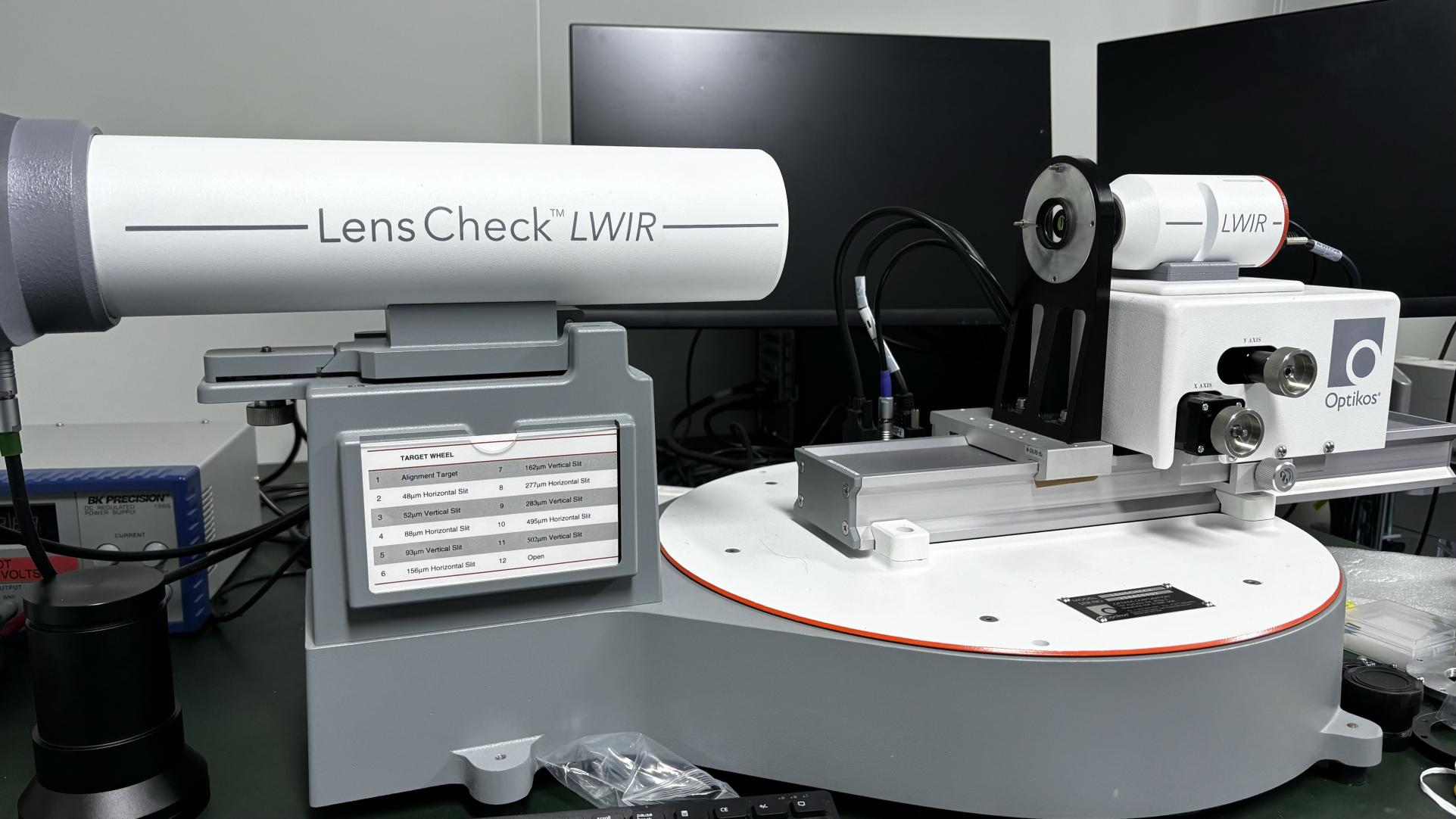
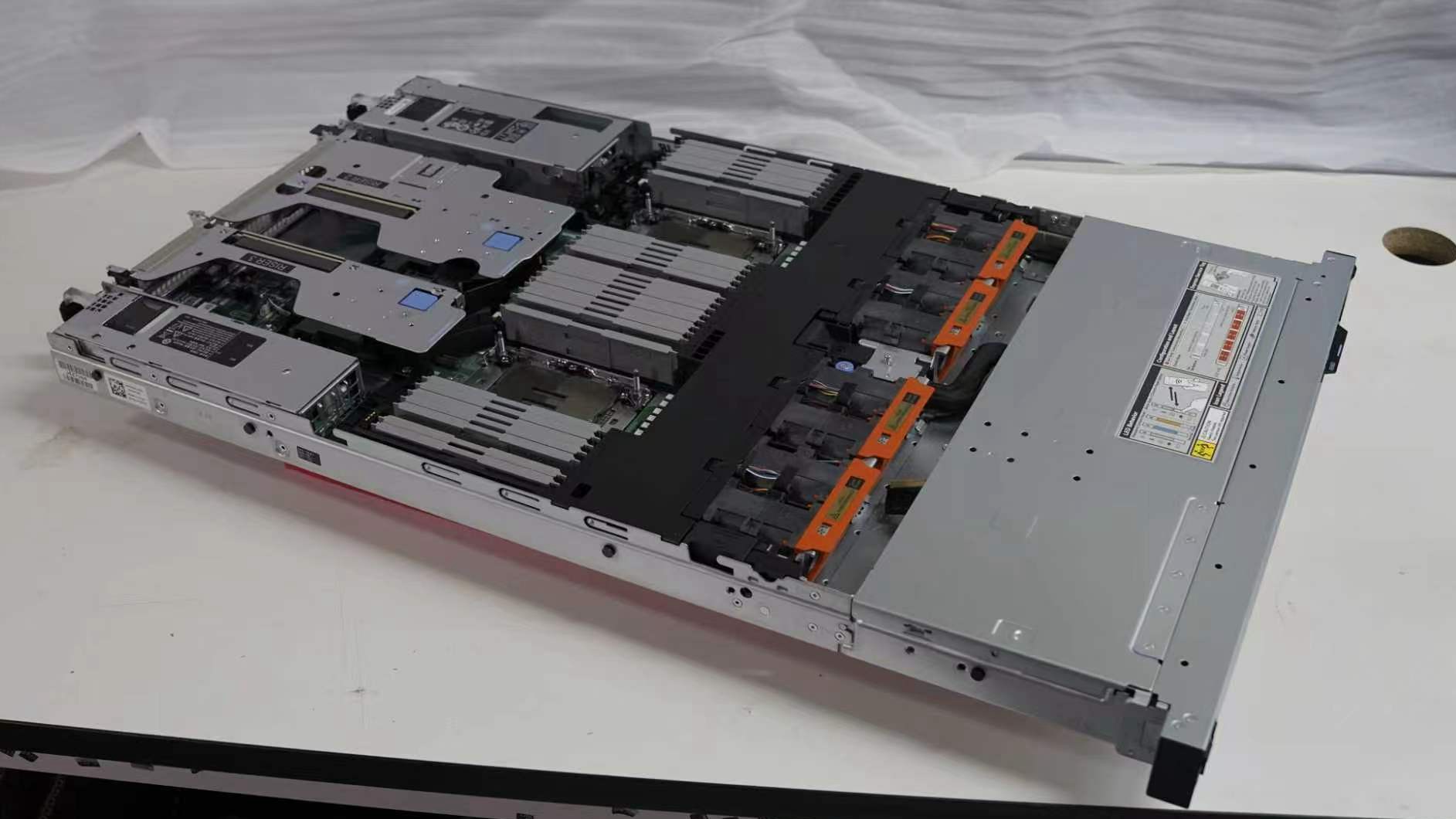
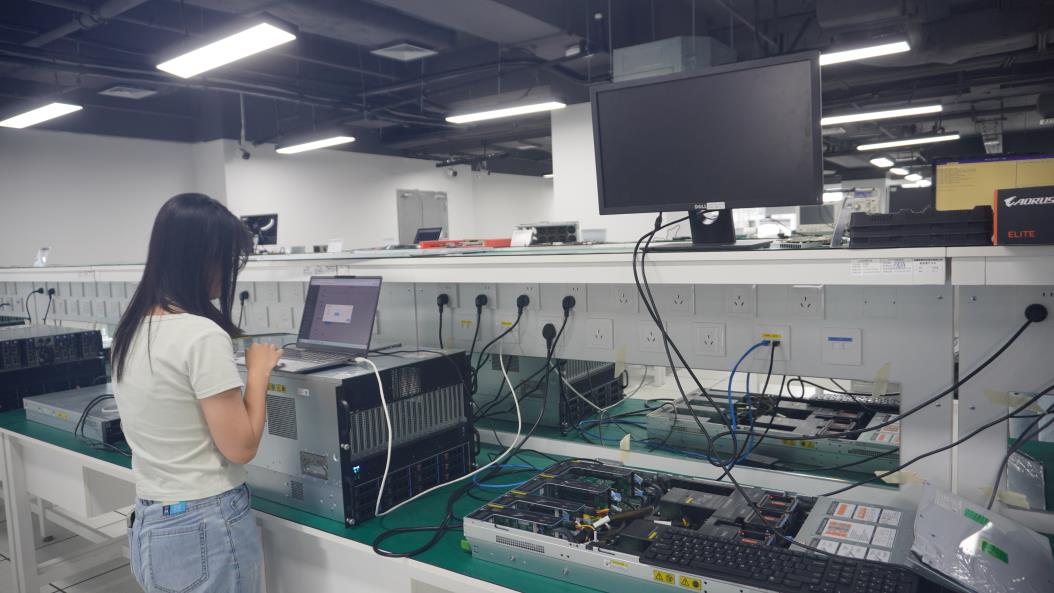
A look at our automated production lines and testing facilities, ensuring consistent performance for industrial deployments.

Get in touch for technical datasheets, free samples, or custom layout consulting for your industrial projects.
Send Inquiry Now