 Fibronexa
Fibronexa
Fibronexa
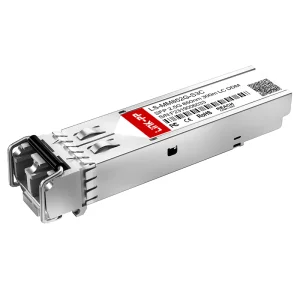
Standard-compliant 2.5G & 6G optical transceivers, fully compatible with local backhaul and enterprise switches.
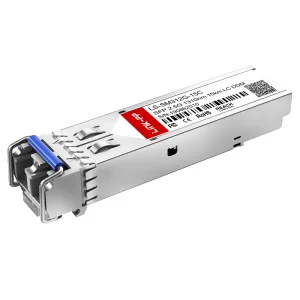
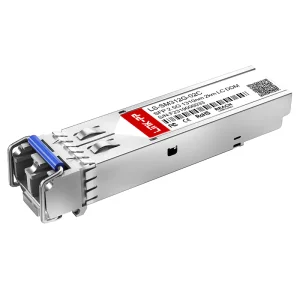
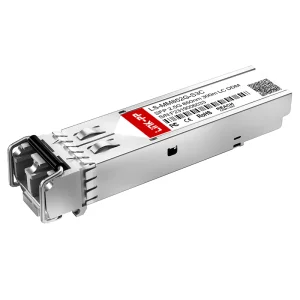
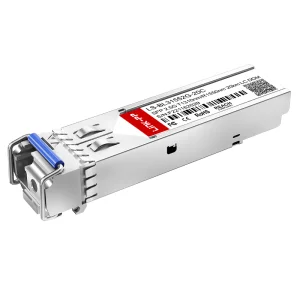
Lesotho, geographically defined by its high-altitude topography, is rapidly modernizing its digital footprint. With major cities like Maseru, Teyateyaneng, and Maputsoe demanding high-performance telecommunication backbones, the country's operators—such as Vodacom Lesotho and Econet Telecom Lesotho (ETL)—are actively scaling their LTE-A and early-stage 5G infrastructures. High-speed, robust base station configurations rely on CPRI and eCPRI optical links to link Remote Radio Heads (RRH) to Baseband Units (BBU).
Our line of 2.5G to 6G SFP optical transceiver modules serves as the critical link in this infrastructure. Operating in environments where altitudes regularly exceed 1,400 meters—and in the Maloti Mountains, over 3,000 meters—optical hardware is subject to extreme physical constraints. Rarefied air decreases thermal cooling efficiency, making standard commercial-grade transceivers highly susceptible to premature failure. As a leading manufacturer and supplier, Fibronexa provides optimized solutions designed specifically to withstand these environmental challenges while maintaining compliance with international standards.
From connecting corporate networks in the Maseru district to providing reliable optical transport for mining operations at the Letšeng Diamond Mine, our transceivers guarantee zero packet loss, ultra-low latency, and high-temperature tolerance. They bridge the gap between regional networks and South Africa’s terrestrial fiber backbones, ensuring seamless regional routing.
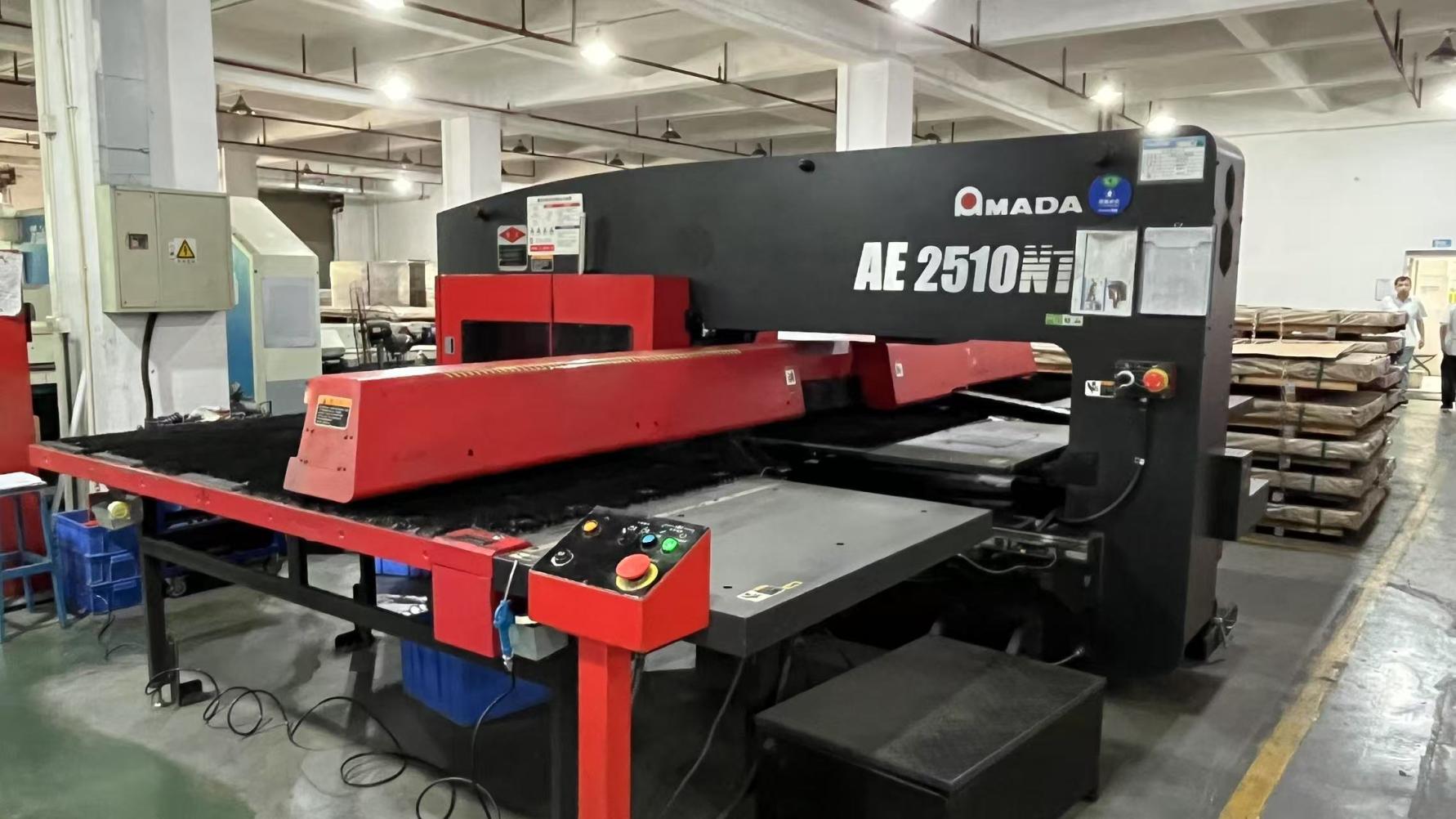
Decoding data rates, optical performance, and environmental compliance parameters for African network deployments.
Optical networks in transition zones require flexible hardware that handles multiple protocols on a single physical SFP layout. Our 2.5G~6G SFP transceivers support a diverse matrix of standards, including:
In remote highland environments, onsite physical troubleshooting is both logistically challenging and expensive. Our entire SFP module catalog features DDM capability in strict accordance with the SFF-8472 MSA. DDM enables local network operations centers (NOCs) to query real-time diagnostics parameters, including optical output power, receiver input power (RSSI), transceiver internal temperature, laser bias current, and module supply voltage. By tracking deviations in laser bias current, engineers can proactively predict laser degradation and replace modules before a hard link failure occurs.
Modern telecommunication deployments are multi-vendor. Fibronexa transceivers are configured to break down proprietary barriers. We write custom EEPROM microcode to match the identification requirements of global hardware brands, including Cisco, Huawei, Juniper, ZTE, Ericsson, Nokia, and MikroTik. This enables hot-pluggability and plug-and-play installation without triggering vendor lock-in errors or invalid transceiver warning codes.
| Parameter Group | Specification Ranges (2.5G to 6G) | Applicable Application Focus |
|---|---|---|
| Wavelength Profiles | 850nm (MMF), 1310nm (SMF), 1550nm (SMF), CWDM, DWDM | Short-reach link to long-haul backhaul transport networks |
| Connector Type | Duplex LC, Simplex LC (Bidir / BiDi models) | High-density switch ports, single-fiber resource savings |
| Link Length Target | 300m, 2km, 10km, 15km, 20km, 40km, 80km, 120km | Metro access rings and cross-district fiber connections |
| Laser Core Emittance | VCSEL (850nm), DFB (1310nm/1550nm), EML (Long-range 80km+) | High-performance high-temperature stability |
| Operational Range | Commercial: 0°C to +70°C | Industrial: -40°C to +85°C | Alpine tower sites (Maloti Mountains) and urban centers |
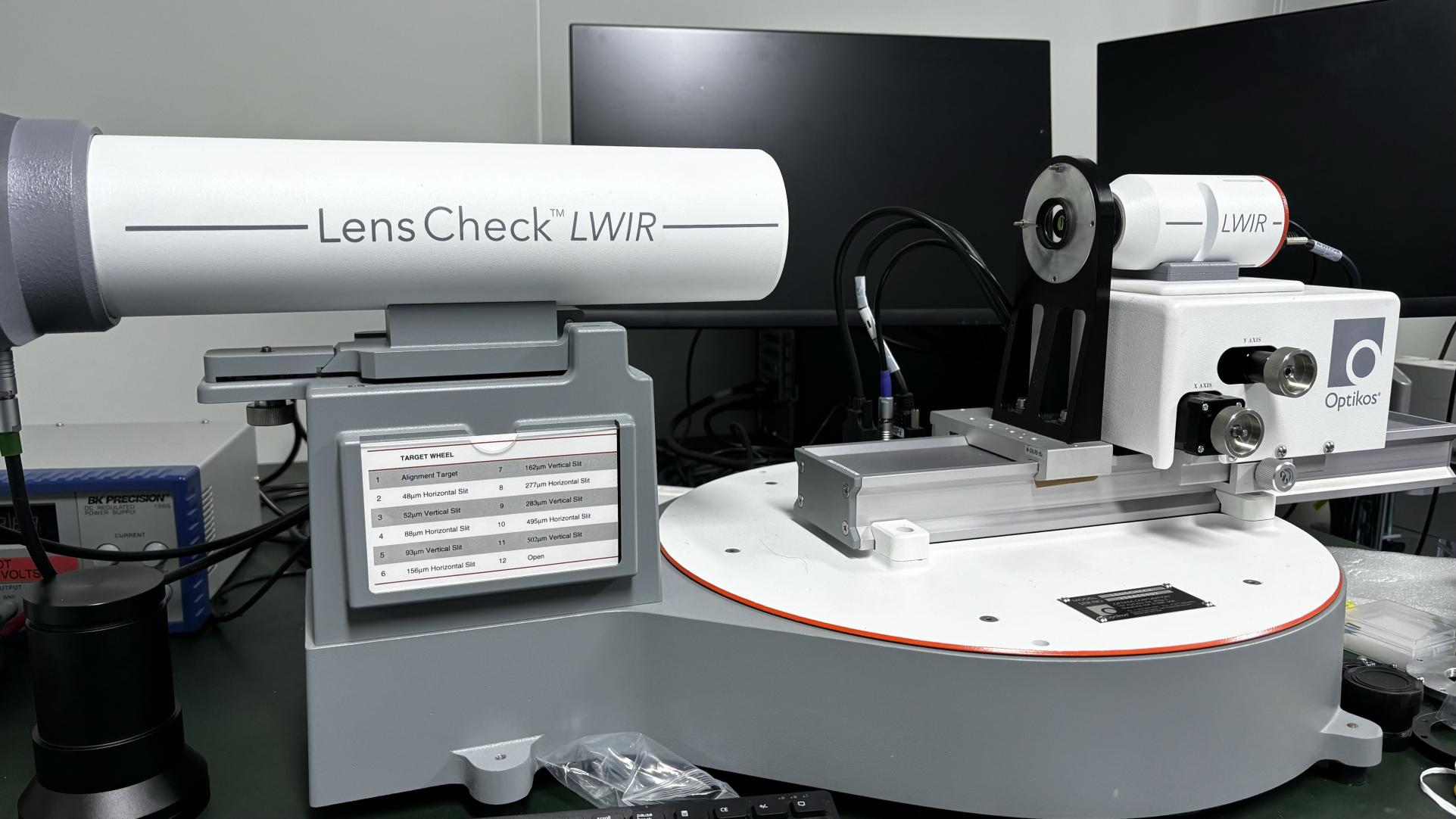
Standard networking gear often operates in temperature-regulated, indoor environments. However, in Lesotho, rural towers and street-side outdoor terminals must endure hostile weather systems. The winter season regularly drops temperatures to sub-zero levels in towns like Mokhotlong and Qacha's Nek, while summer brings intense thermal radiation.
Our Industrial Temperature Grade (-40°C to 85°C) SFP modules are designed for these exact conditions:
Delivering state-of-the-art manufacturing capacity, rigorous QC systems, and unmatched industry expertise.
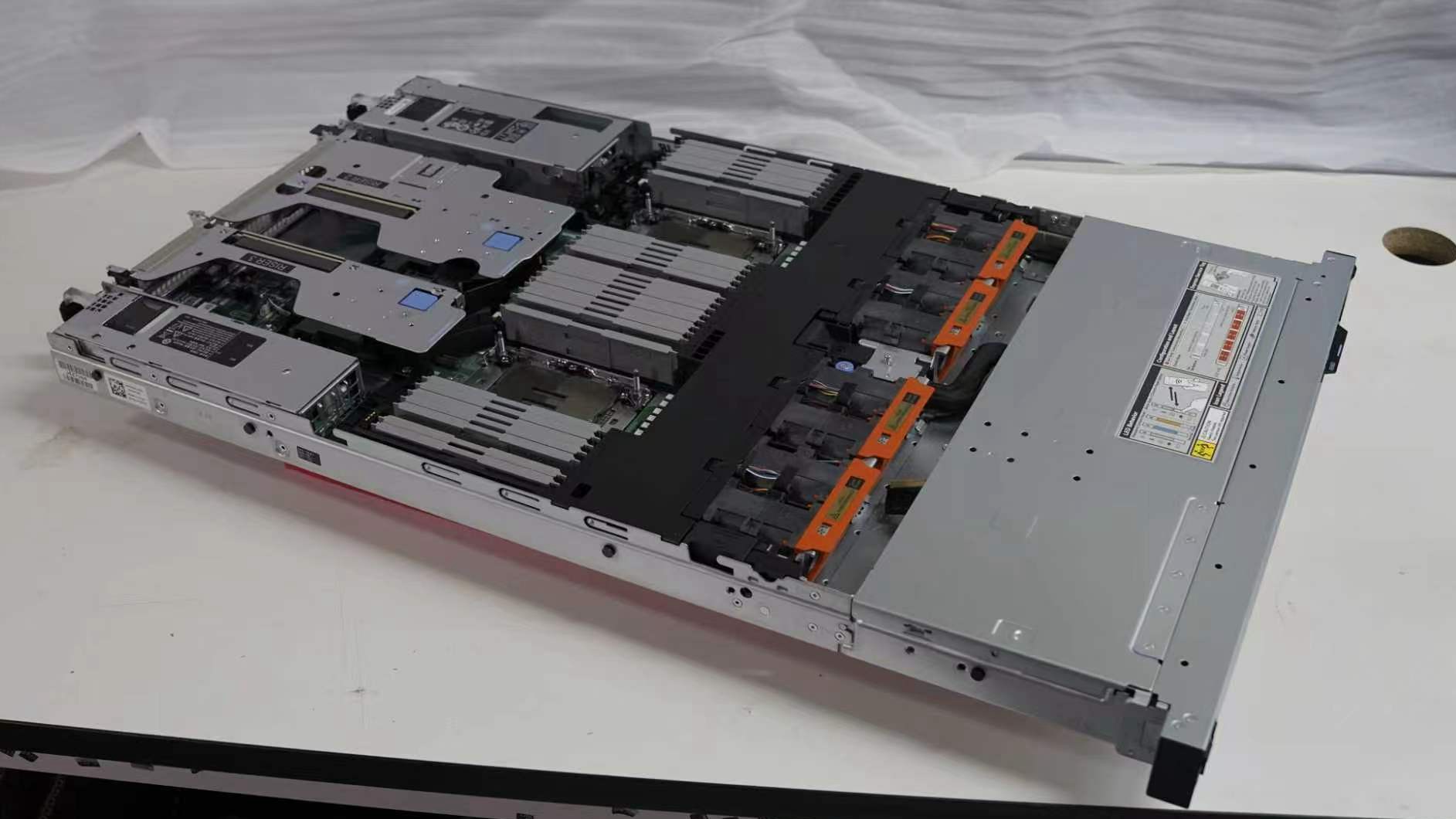
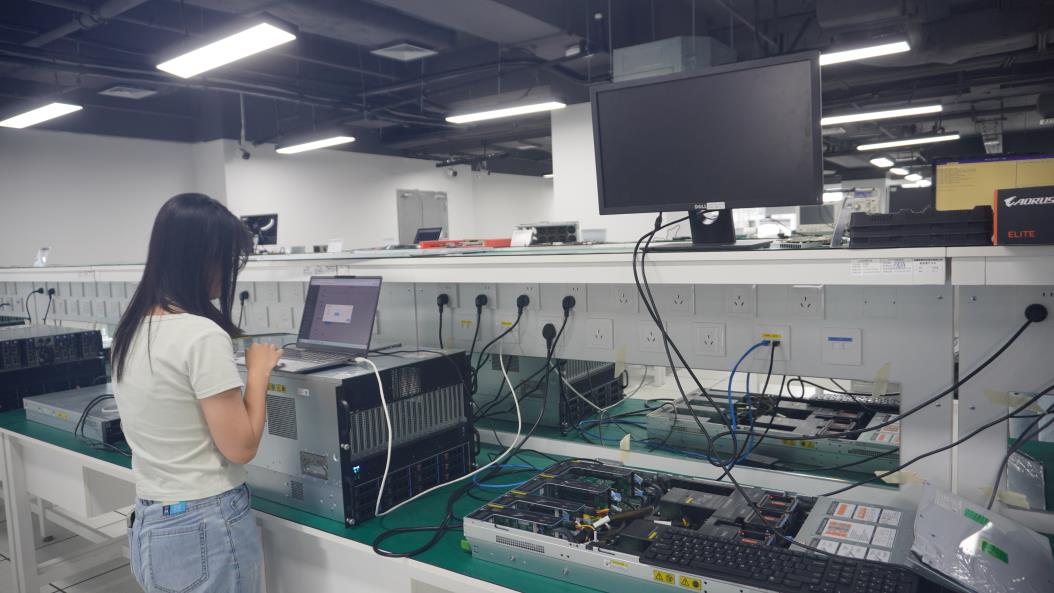
Established in 2016, Fibronexa Communications Co., Ltd. has established itself as an innovative force in the fiber optic communication sector. Serving global data centers, national telecom operators, and enterprise system integrators, we deliver an annual export volume of USD 12 million. With a modern 320㎡ production footprint, we utilize cleanroom manufacturing methods and automatic testing equipment to scale our capacities seamlessly.
Our foundation rests on strong technical capability. With a dedicated team of 85 R&D engineers and 45 Quality Assurance specialists, we maintain a robust innovation pipeline, launching approximately 120 new products each year. Our partner ecosystem comprises over 1,200 strategic upstream and downstream suppliers, securing critical components like lasers and photodetectors even during market shortages.
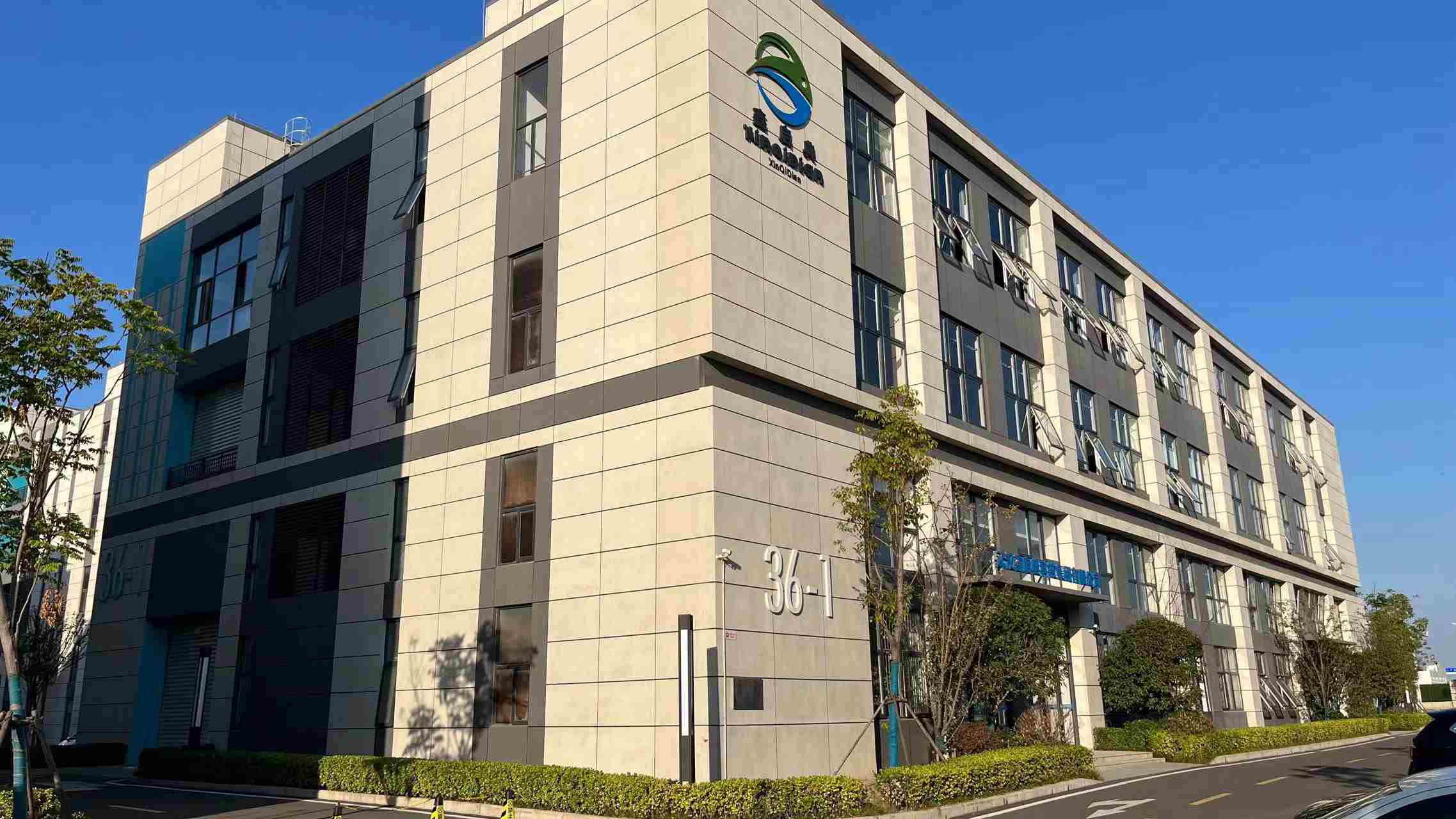
Navigating the supply chain within the Southern African Customs Union (SACU) requires structured customs compliance and logistics. As a seasoned exporter, Fibronexa provides seamless door-to-port or door-to-door delivery models to Lesotho. We coordinate transit points via OR Tambo International Airport in Johannesburg, facilitating overland clearance through major borders such as Maseru Bridge, Ficksburg Bridge, or Maputsoe Bridge.
Every product batch is accompanied by comprehensive documentation: Certificates of Origin, CE/FCC certificates, RoHS compliance letters, and precise customs valuation reports. We collaborate with local system integrators and telecom contractors, offering flexible MOQ limits and credit options for verified regional operators.
Browse our selection of specialized long-haul, single-fiber BiDi, and high-performance modules for network expansions in Lesotho.
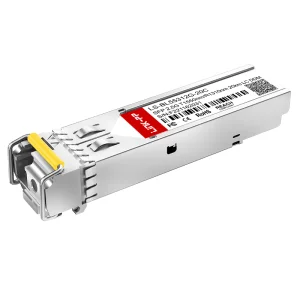
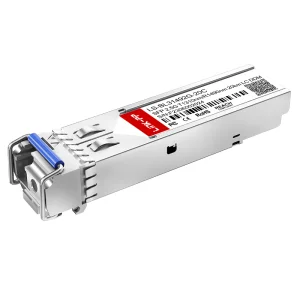
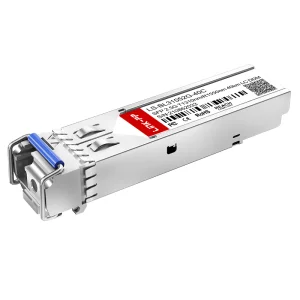
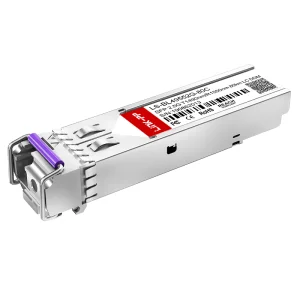
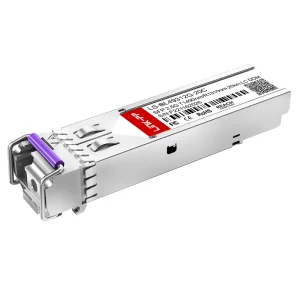
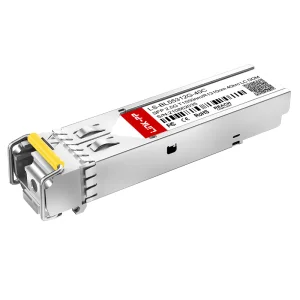
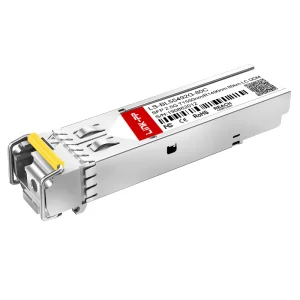
Optimizing existing fiber investments while planning the leap to 10G, 25G, and 100G edge architectures.
In telecommunication planning, scalability defines cost efficiency. While 2.5G to 6G SFP transceivers form the core operational fabric for existing LTE systems and regional backhaul circuits, operators must deploy hardware with an eye toward future demands. As user consumption grows in urban districts like Leribe and Berea, the transition to high-speed fronthaul interfaces is accelerating.
Fibronexa designs all 2.5G~6G SFP lines using structural layouts compatible with next-generation SFP+ configurations. This means line cards and cage arrays can step up to 10G or 25G transceivers when the processing backplane is upgraded. Through our forward-compatible designs, Lesotho operators can scale without replacing existing fiber assets, maximizing return on investment.
Get in touch with our system engineers today to request technical sheets, vendor compatibility configuration matrices, and bulk pricing schedules for Lesotho and the wider Southern African region.
Direct answers to the most common configuration and engineering questions regarding SFP transceivers.
Lesotho's high-altitude climate experiences dramatic temperature variations, dropping below freezing in winter while rising in outdoor metal cabinets exposed to summer sun. Standard commercial transceivers (0°C to 70°C) will overheat or fail in cold weather. Industrial-grade modules (-40°C to +85°C) use internal temperature compensation circuits to ensure steady optical output in extreme environments.
Our engineers program the transceivers' EEPROM with manufacturer-specific identifiers, serial formats, and security check codes. This allows our modules to plug into proprietary hardware from vendors like Huawei, Cisco, ZTE, and Juniper without triggering warnings or being disabled by the host switch.
In high-altitude areas like Lesotho, lower air density reduces heat convection efficiency. To counter this, Fibronexa uses high-performance thermal pads and optimized alloy housings to transfer heat efficiently from the optical sub-assembly to the host card cage, preventing internal thermal buildup.
For standard configurations, orders ship within 3–5 working days. Shipping via global couriers (DHL, FedEx, UPS) to Maseru typically takes 5–8 business days, including customs clearance through South African entry points.
Yes, our R&D team can customize firmware, optical wavelengths, and transmission distances to match the specific physical layer parameters of your older systems.