Fibronexa
Fibronexa
Fibronexa
Elevating legacy and industrial network reliability across Sydney. High-performance, customizable 1x9 optical modules engineered for high-noise utility systems, defense electronics, and Sydney's transit frameworks.
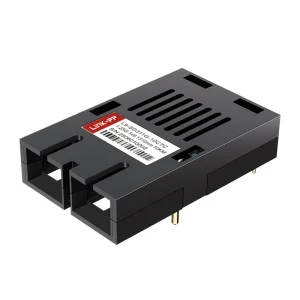
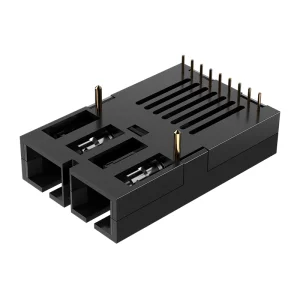
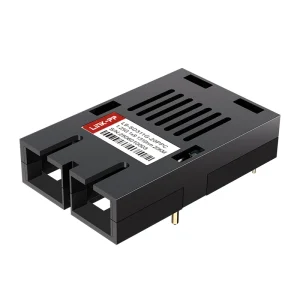
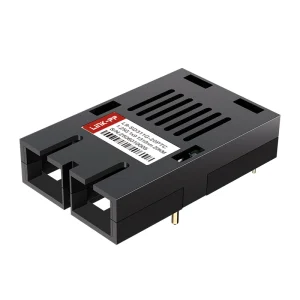
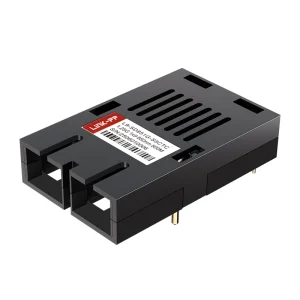
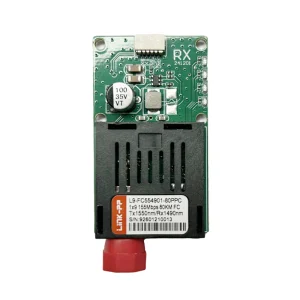
Our primary single-mode duplex 1x9 optoelectronic transceiver modules. Specially tested and optimized for local Sydney metro network compliance and critical telemetry applications.
As the primary financial and industrial engine of Australia, Sydney hosts an extensive array of transport networks, power grids, and defense infrastructure. Large-scale public developments, such as the Sydney Metro expansion, the upgrading of the WestConnex highway SCADA networks, and water treatment operations overseen by Sydney Water, rely heavily on deterministic, low-latency, and electro-magnetically immune communications. While hot-pluggable modules like SFP, SFP+, and QSFP dominate corporate data centers in Macquarie Park, the ruggedized terrain of heavy industry demands the mechanical reliability of 1x9 optical transceivers.
The 1x9 footprint is a classic, through-hole pin configuration soldered directly onto the printed circuit board (PCB). This architecture provides structural stability far exceeding that of pluggable interfaces. In environments characterized by constant vibrations—such as Sydney Trains' signaling cabins, deep underground mining setups in regional New South Wales, and high-voltage substations managed by Ausgrid and Endeavour Energy—a typical pluggable module risks contact-friction wear and micro-disconnections. The permanent physical connection of a 1x9 transceiver completely eliminates these vulnerabilities, guaranteeing continuous transmission over decades.
Moreover, the electro-magnetic interference (EMI) profile in industrial Sydney sites is severe. Substation power grids run extreme voltages that generate huge transient electromagnetic fields. Fibronexa’s 1x9 modules, encapsulated in robust metal shells with shielded optical sub-assemblies (OSA), exhibit superior EMI/ESD performance compared to newer, high-density pluggables. This protective barrier ensures that signal integrity remains unaffected, preventing packet loss and protecting critical safety systems.
Standard optical transceivers operate using modern digital diagnostics monitoring (DDM). However, many industrial control systems depend on raw physical layer consistency. A typical 1x9 transceiver utilizes a Single +3.3V or +5.0V power supply and supports data rates from 100Mbps (Fast Ethernet / STM-1) up to 1.25Gbps (Gigabit Ethernet). The output logic interfaces are generally based on PECL (Pseudo Emitter Coupled Logic) or LVPECL, offering fast switching speeds and excellent noise immunity, which are critical in environments prone to voltage spikes.
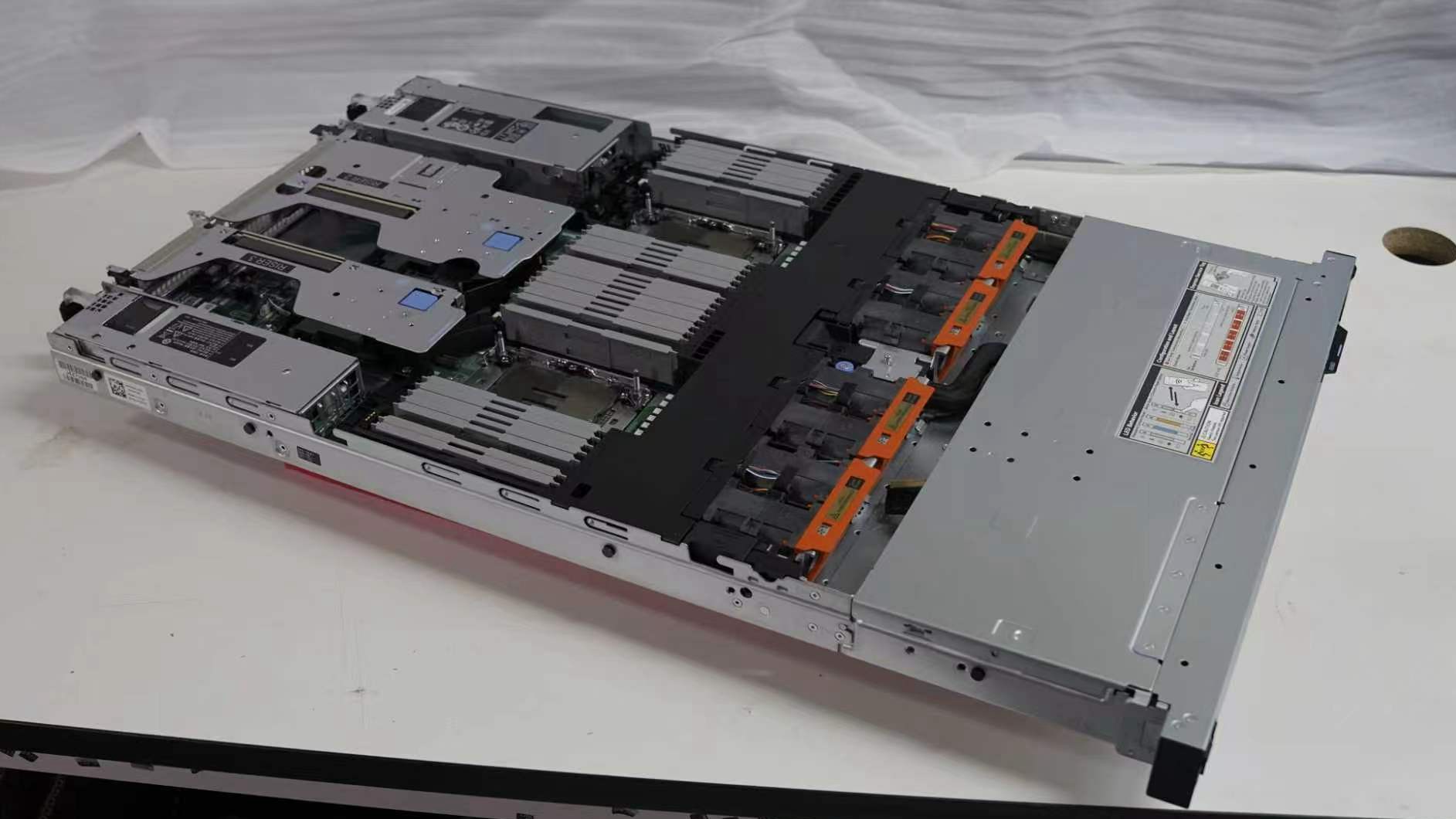
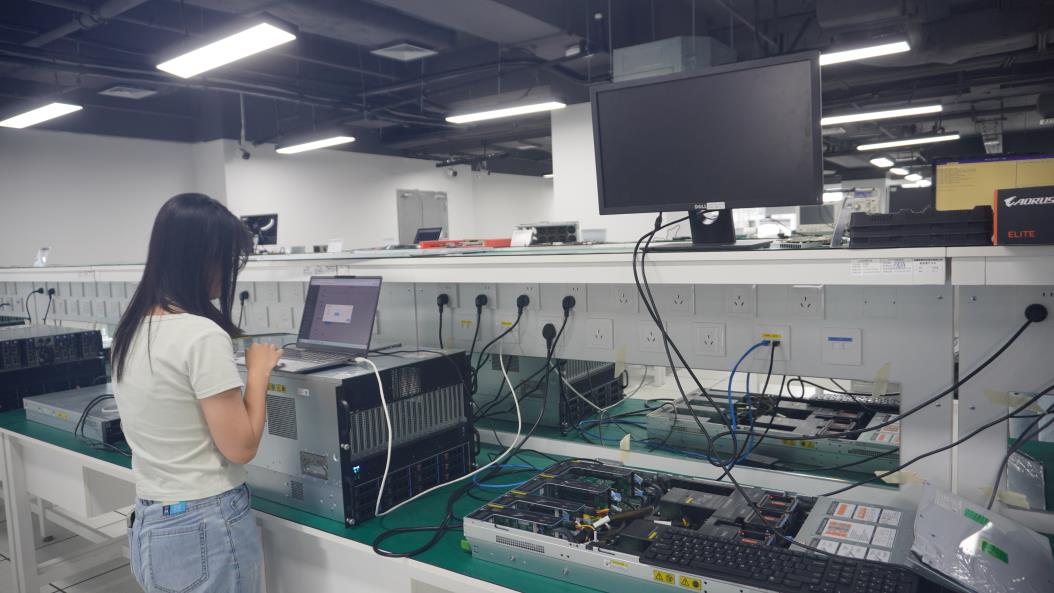
Figure 1: Fibronexa R&D Testing Laboratory. Every 1x9 transceiver undergoes comprehensive optical performance testing to guarantee consistent performance.
| Parameter / Spec | Multimode (MMF) 1x9 | Single Mode (SMF) Standard | BiDi Single-Fiber 1x9 |
|---|---|---|---|
| Wavelength (nm) | 850nm / 1310nm | 1310nm / 1550nm | Tx1310/Rx1550, Tx1490/Rx1550 |
| Data Rate Support | 100Mbps to 1.25Gbps | 155Mbps to 2.5Gbps | 100Mbps to 1.25Gbps |
| Typical Reach | 500m to 2km | 10km to 40km | 20km to 80km (Up to 120km) |
| Connector Types | Duplex SC / FC / ST | Duplex SC / FC / ST | Simplex SC / FC / ST |
| Logic Compatibility | PECL / LVPECL / TTL | PECL / LVPECL / TTL | PECL / LVPECL / TTL |
As networks upgrade, the expectation might be that 1x9 transceivers will disappear. In reality, the opposite is happening. Because critical industrial sectors—such as railways and utility control centers—require certifications that take years to obtain, it is far more cost-effective to keep existing, certified 1x9-based motherboards running than to redesign entire systems. Fibronexa is committed to this technology roadmap by ensuring the supply of 1x9 transceivers for decades to come, offering upgraded internal chipsets that consume less power and produce less heat, all while remaining backward-compatible with 15-year-old hardware.
Sourcing optical hardware for Sydney projects requires a balance between local support and global manufacturing power. Fibronexa Communications Co., Ltd. (established in 2016) has spent years optimizing its manufacturing workflow to resolve this challenge. Based in a modern facility with advanced cleanrooms and automated test bays, Fibronexa serves data centers and industrial systems worldwide.
Our production ecosystem is characterized by the following strategic metrics:
With an engineering team of over 85 specialists, Fibronexa delivers rapid customization, adjusting wavelengths, reaches, logic levels (TTL/PECL), and metal housings to fit specific setups. To ensure reliability, our 45-person Quality Assurance (QA) team runs every 1x9 transceiver through comprehensive optical calibration, thermal testing from -40°C to +85°C, and aging processes. This rigorous testing keeps our return rate under 0.05%, which is crucial for critical systems where downtime is not an option.
Furthermore, our network of more than 1,200 strategic partners ensures a stable supply of key parts like laser diodes, TIA/LA chipsets, and optical subassemblies. This strong supply chain keeps lead times stable, even during global market shifts. For Sydney system integrators, this means consistent access to legacy 1x9 transceivers without the typical logistics issues or price spikes.
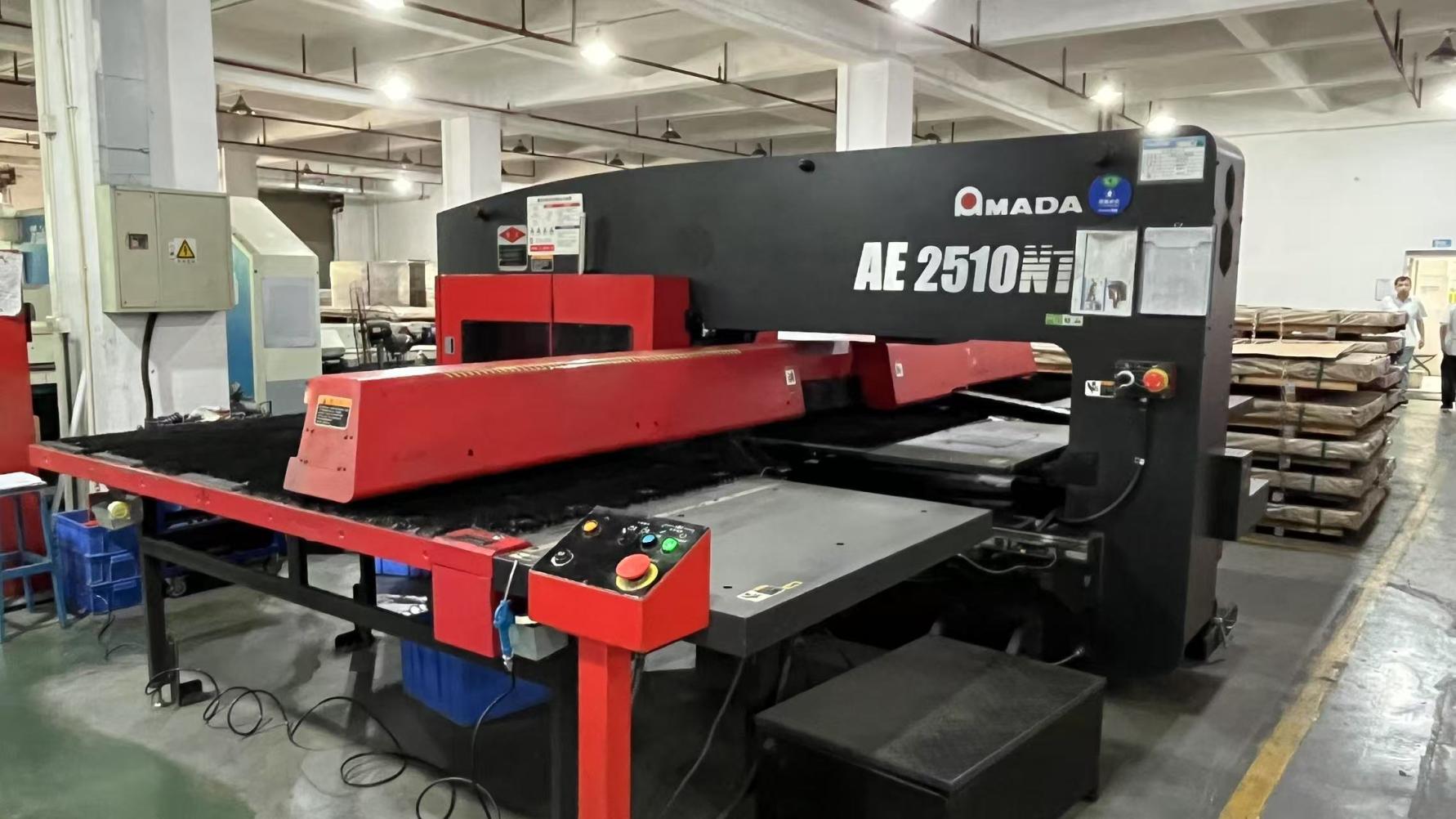

Deploying networking equipment in Australia requires meeting local laws and industry-specific regulations. All telecommunications equipment connected to public or private networks must comply with the guidelines set by the Australian Communications and Media Authority (ACMA). Fibronexa’s 1x9 optical transceivers are built and certified to meet the Regulatory Compliance Mark (RCM) requirements, verifying compliance with AS/NZS CISPR 32 standards for electromagnetic compatibility.
Beyond standard electrical safety certifications, different industrial sectors require specific compliance path-checks:
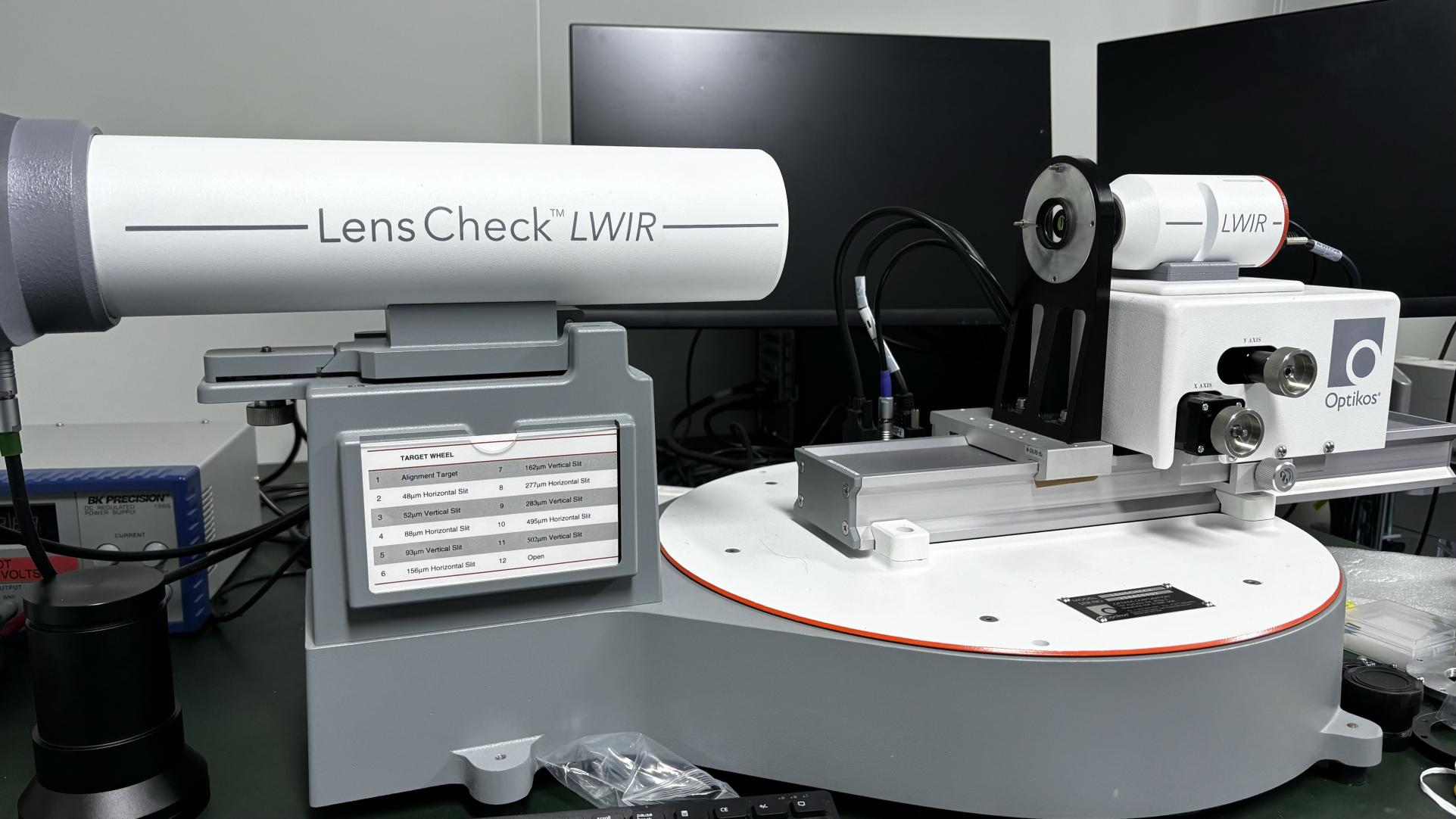
Figure 2: Sydney Substation Automation. A typical application environment for Fibronexa IEC 61850-3 compliant 1x9 modules, isolated from local EMI fields.
To support customers in Sydney, Fibronexa provides dedicated technical services, including system testing to verify compatibility with older networking switches and media converters. We also offer buffer stock options for regional projects, keeping critical parts on hand to speed up replacements and reduce project delays.
Fibronexa's 1x9 transceivers are utilized across several key industrial sectors in Australia:
Used in protection relay systems and remote terminal units (RTUs) across substations. Fibronexa’s 1x9 optical interfaces provide galvanic isolation to protect equipment from high-voltage surges.
Integrated into Sydney Trains trackside signaling and telemetry systems. Pin-soldered 1x9 modules prevent vibration-induced disconnections, ensuring reliable communications.
Essential for mining sites in regional NSW and water treatment plants. These networks utilize 100Base-FX and 1000Base-LX 1x9 transceivers to connect PLCs over extended distances.
Procuring obsolete or legacy fiber optic components presents unique challenges. Many tier-one network equipment manufacturers have phased out 1x9 transceivers in favor of newer pluggable form factors. Consequently, procurement officers are often forced to choose between purchasing unreliable second-hand modules or funding expensive hardware upgrades. Fibronexa solves this issue by offering custom-configured 1x9 optical modules built to order, ensuring long-term hardware support.
To optimize procurement workflows, we recommend the following strategies:
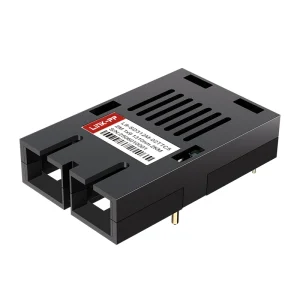
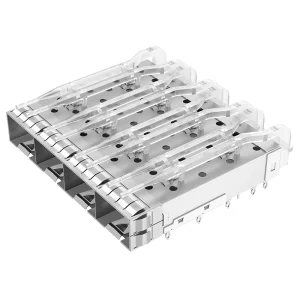
Browse our complete selection of multimode, single-mode, and bidirectional 1x9 modules, along with high-speed SFP28 components and EMI-shielded cage interfaces.
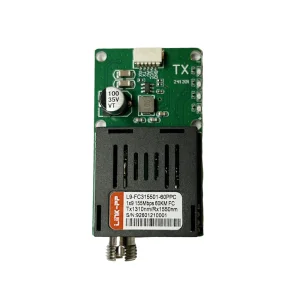
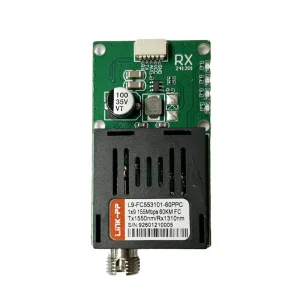
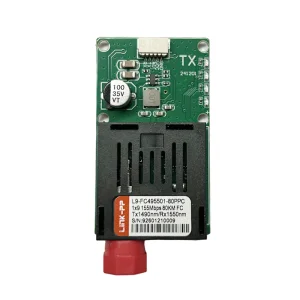
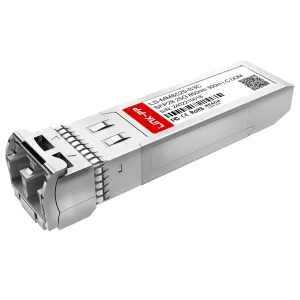
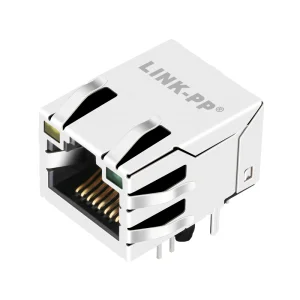
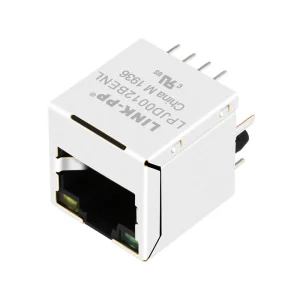
Additional network components, including SFP+ cages, RJ45 jacks with integrated magnetics, and standard pluggable transceivers for industrial Ethernet deployments.
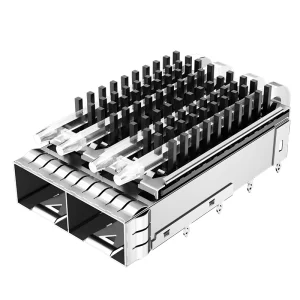
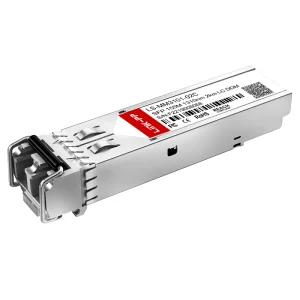
Figure 3: Fibronexa Global Logistics Hub. Finished products are packaged securely to protect against shock, static, and moisture during transport to Sydney and international destinations.
Clear, technical answers to common questions about selecting, installing, and maintaining 1x9 optical modules.
1x9 transceivers are soldered directly to the motherboard through-hole pins, providing a permanent physical connection. Pluggable interfaces like SFP/SFP+ can wear down and lose electrical contact when subjected to constant vibrations, which are common in trains, heavy industry, and mining sites. The direct physical connection of 1x9 modules completely removes this point of failure, ensuring reliable performance in harsh conditions.
Our 1x9 modules are housed in robust metal casings that block external electromagnetic fields. They use PECL (Pseudo Emitter Coupled Logic) or LVPECL signal lines, which maintain signal integrity even near high-voltage lines. Our designs also meet IEC 61850-3 standards, meaning they are certified to resist electromagnetic interference (EMI) and power surges.
Yes. Fibronexa’s engineering team can customize 1x9 modules to meet your requirements. We support custom wavelengths (including single-fiber BiDi options like 1310nm/1550nm or 1490nm/1550nm) and optical budgets for distances up to 120km, as well as specific pin-out configurations and supply voltages (+3.3V or +5.0V).
Yes. All of our transceivers carry the RCM (Regulatory Compliance Mark), proving they meet ACMA electromagnetic compatibility standards (AS/NZS CISPR 32). They also comply with international CE, FCC, and RoHS directives, making them ready for immediate integration into private and public networks across Australia.
By leveraging our network of over 1,200 suppliers and keeping raw materials in stock, standard orders are processed and shipped quickly. Shipping to Sydney typically takes 3 to 7 business days, depending on the delivery option selected. We can also coordinate buffer stock agreements for long-term projects to enable next-day dispatch.
Our 45-person Quality Assurance (QA) team runs every unit through a complete testing process, including optical spectrum checks, bit error rate testing, and thermal testing from -40°C to +85°C. This systematic approach ensures that every module is ready for use upon arrival and will perform reliably over the long term.