Fibronexa
Fibronexa
Fibronexa
Optimized optical transceivers for Texas's leading enterprise, utility, and metropolitan fiber optic networks.
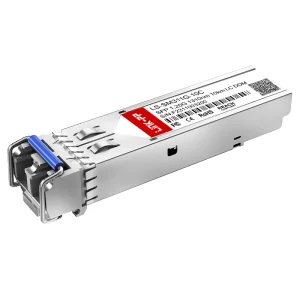
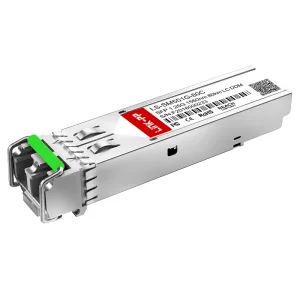
As the "Energy Capital of the World," the Greater Houston metropolitan area supports a massive infrastructure network including oil and gas pipeline networks, chemical manufacturing plants, shipping ports, municipal transportation, and the cutting-edge aerospace sector at NASA's Johnson Space Center. Modernizing and securing these physical networks demands robust telecommunication nodes capable of handling high-speed, long-distance communication protocols.
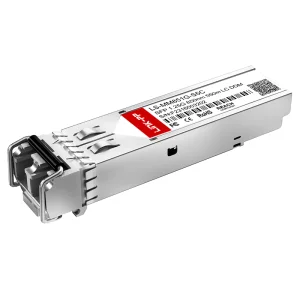
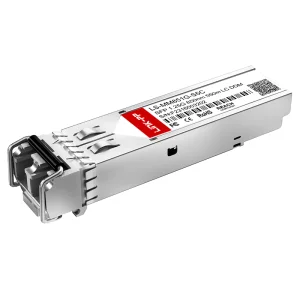
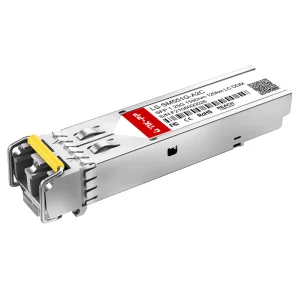
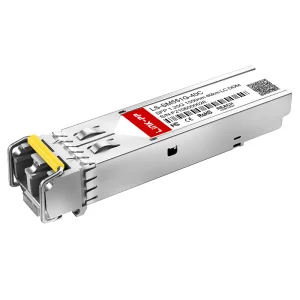
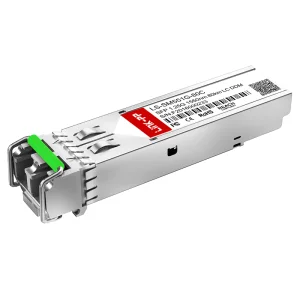
The 1.25G SFP (Small Form-factor Pluggable) optical transceiver remains the standard communication component for Fast Ethernet and Gigabit Ethernet (1000BASE) systems. These modules serve as the vital bridge between core media converters, industrial ethernet switches, and terminal units such as remote telemetry terminal units (RTUs), IP surveillance cameras, and SCADA control panels.
Due to the humid subtropical climate of the Gulf Coast, and the high electromagnetic interference (EMI) typical of heavy manufacturing and refinery zones, the demand for optical modules in Houston goes beyond simple compatibility. Network operators require modules designed for extreme thermal thresholds, industrial-grade electromagnetic protection, and strict regulatory standards to ensure continuous network uptime.

Engineered for niche physical media protocols and reliable long-range industrial communication backplanes.
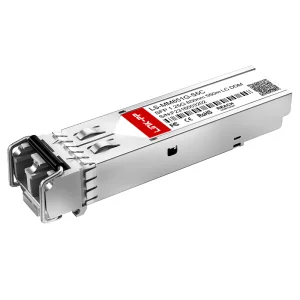
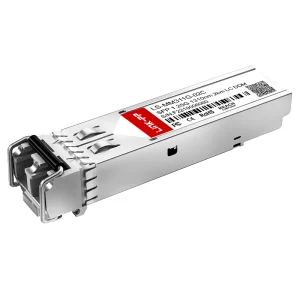
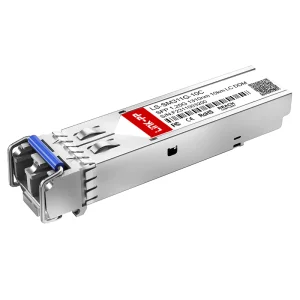
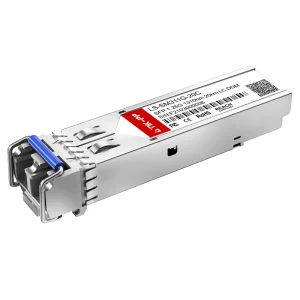
Exploring the technical architecture of Gigabit transceivers, their long-term viability, and industrial customization options.
Digital Optical Monitoring (DOM) according to SFF-8472 is vital for industrial operations. It tracks real-time performance statistics, including operating temperature, laser bias current, optical output power, receiver sensitivity, and supply voltage, enabling predictive maintenance before failures occur.
Standard transceiver commercial profiles (0°C to 70°C) struggle in external environments. Industrial-grade 1.25G SFPs operate across a wide -40°C to 85°C window, protecting systems against Gulf Coast heat in non-air-conditioned enclosures.
As enterprise links scale up to 10G and 100G, the 1.25G SFP remains a key standard for low-speed SCADA telemetry and building automation. Custom EEPROM microcoding guarantees compatibility with major OEMs including Cisco, Juniper, HPE, and Arista.
The progression of 1.25G SFP technologies addresses physical layer constraints and fiber conservation. Key innovations include:
End-to-end fiber networking frameworks designed for Houston's key industrial verticals.
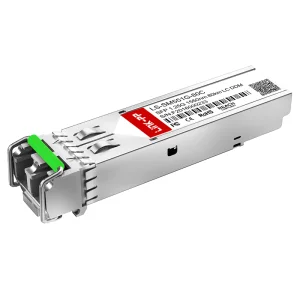
Long-distance pipelines require continuous data links spanning hundreds of miles across the Gulf Coast. Using 1.25G SFP transceivers with capacities of 80km (ZX), 100km (EZX), or 120km allows SCADA networks to monitor pressure, temperature, and valves across long distances without needing frequent intermediate repeater stations.
Municipal departments in Harris County deploy fiber loops along major freeways (I-10, I-610, US-59) to connect traffic cameras, signaling systems, and dynamic signage. Our 10km and 20km Single Mode SFPs provide stable, low-latency gigabit connections to outdoor cabinets exposed to extreme heat and vibration.
The Port of Houston requires high reliability for its logistics and container tracking operations. Deploying single-mode LC duplex transceivers ensures resistant, EMI-shielded optical connections between loading cranes, harbor control buildings, and security checkpoints.
| Vertical Sector | Standard Protocol | Typical Wavelength | Max Reach |
|---|---|---|---|
| Refinery & Off-Shore | 1000BASE-SX (MMF) | 850nm / 1310nm | 550m - 2km |
| Municipal Traffic | 1000BASE-LX (SMF) | 1310nm | 10km - 20km |
| Pipeline Telemetry | 1000BASE-ZX (SMF) | 1550nm | 80km - 120km |
| Enterprise WAN | 1.25G BiDi (Simplex) | 1310nm-TX/1550nm-RX | 20km - 40km |
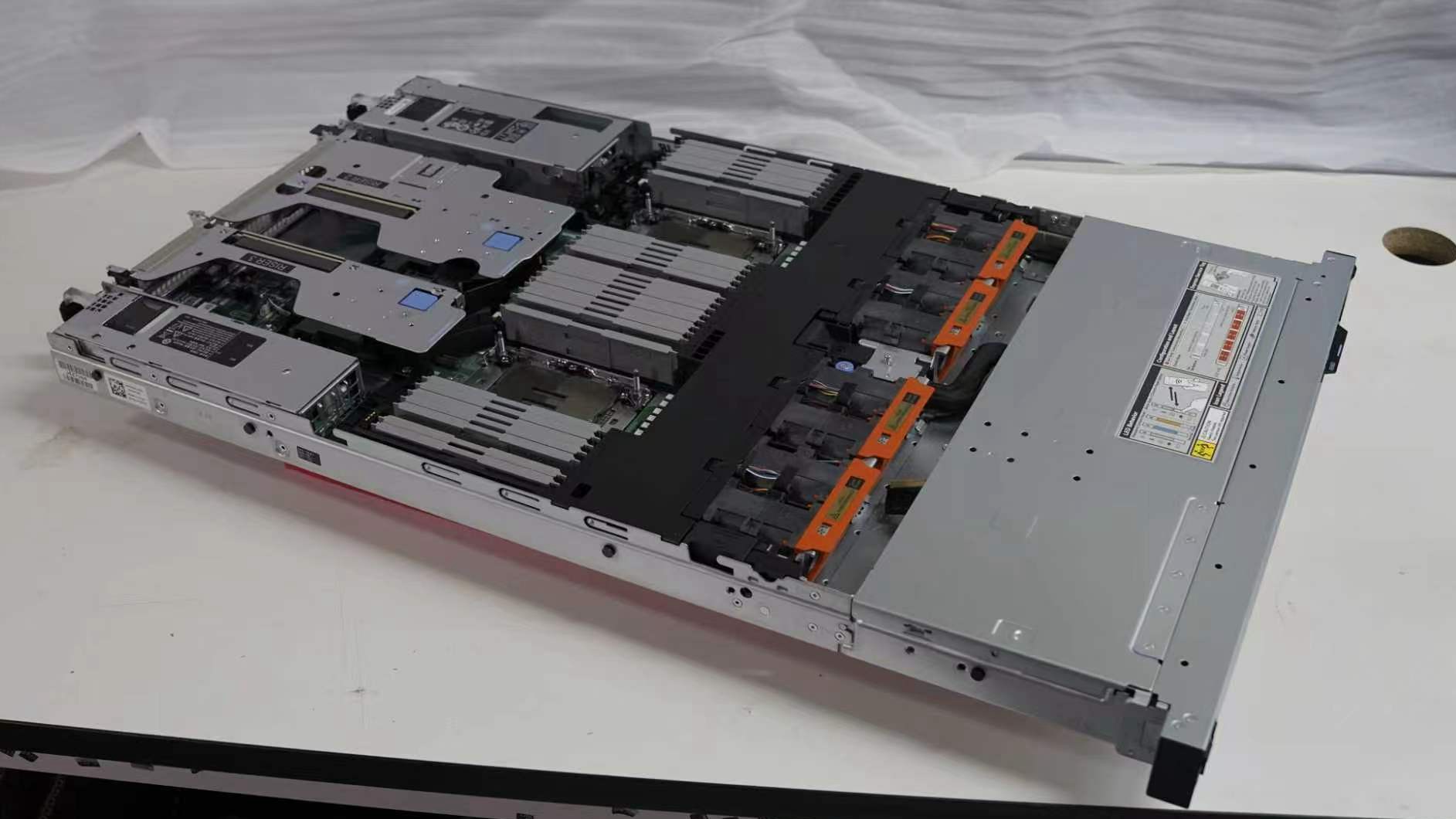
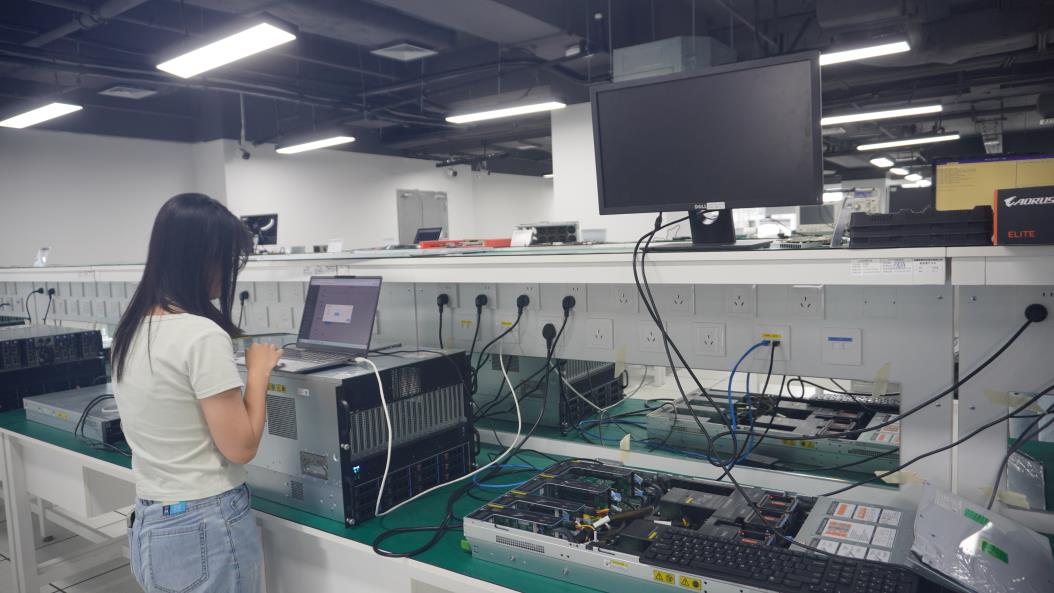
Fibronexa Communications Co., Ltd. is a specialized optical transceiver manufacturer founded in 2016. We supply high-speed data center and telecom infrastructure markets globally. Operating a modern facility with advanced cleanrooms, we run a precise production system backed by automation and detailed testing processes.
Our manufacturing philosophy focuses on strict quality standards, automated alignment, and component reliability. We maintain key certifications including ISO9001:2015, CE, FCC, RoHS, and TUV safety listings, ensuring compliant deployments for Houston's regulated projects.
By using advanced testing equipment, we verify optical parameters, return loss, and wavelength stability. This process minimizes bit error rates and ensures our transceivers perform reliably in demanding operational environments.
Procuring network components globally requires reliable logistics, customs clearance, and local compliance support. For our clients in Houston and the wider US market, we provide comprehensive documentation support, including compliance with trade regulations like the Trade Agreements Act (TAA) where needed, alongside RoHS and FCC certifications.
Our partnership with international freight hubs allows for swift delivery to the Port of Houston or George Bush Intercontinental Airport (IAH). Additionally, we offer custom labeling and packaging to streamline inventory management for large-scale deployments.
Every batch of transceivers is shipped with a certified test report detailing output power, receiver sensitivity, and eye diagram results. This ensures that every module is ready for immediate deployment in critical systems upon arrival.
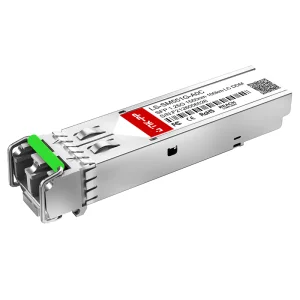
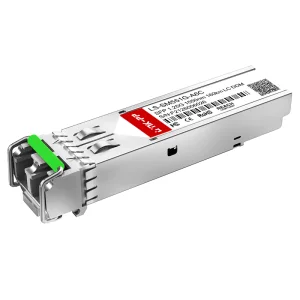
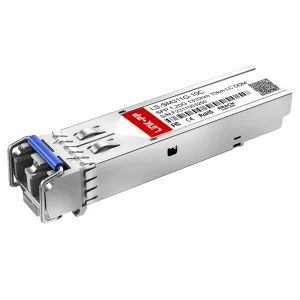
Explore our full line of Gigabit transceivers, covering diverse reach metrics and fiber modes for industrial networks.

Detailed answers to complex optical engineering queries to aid decision-making.
Industrial-grade 1.25G SFPs feature ruggedized components designed for operating temperatures between -40°C and 85°C. Commercial-grade modules are rated only for 0°C to 70°C. In outdoor utility cabinets, roadside enclosures, and petrochemical facilities across East Texas, ambient temperatures combined with internal heat can exceed 75°C, potentially leading to standard module failure or laser degradation.
The Multi-Source Agreement (MSA) outlines the standardized electrical, mechanical, and physical dimensions of SFP modules. This ensures they fit and function correctly in any MSA-compliant switch or media converter cage. Buying MSA-compliant modules prevents vendor lock-in, enabling deployment across systems from Cisco, Juniper, Ubiquiti, Mikrotik, and Netgear alike.
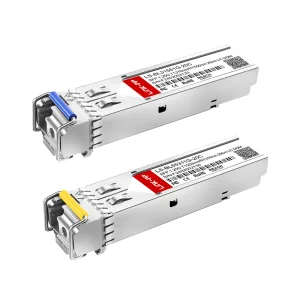
BiDi (Bidirectional) SFP modules transmit and receive signals over a single strand of fiber by utilizing two different wavelengths (e.g., 1310nm and 1550nm). This configuration allows operators to double fiber capacity without installing new physical cables, which can be expensive and labor-intensive to trench in metropolitan areas.
DOM parameters conform to the SFF-8472 standard, providing real-time data on receiver power (Rx), transmitter power (Tx), temperature, supply voltage, and laser bias current. Monitoring these metrics allows network administrators to set custom alarms. This enables predictive maintenance by identifying issues, such as dirt on fiber connectors or laser aging, before they lead to an unplanned outage.
Our engineering team codes the EEPROM on each transceiver batch using configuration tables specific to different equipment vendors. This ensures that the host switch recognizes the modules without warning messages or port disabled errors. We maintain compatibility verification benches simulating major OEM switches to validate performance before shipment.
Whether you require custom industrial-grade wavelengths, specific EEPROM coding, or high-volume shipments to meet project timelines, our factory offers tailored solutions to suit your needs.
Send Inquiry Now 📨