Fibronexa
Fibronexa
Fibronexa
Discover our leading optical transceivers, media interfaces, and magnetic network components engineered for enterprise-grade signal integrity.
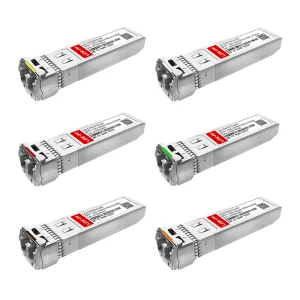
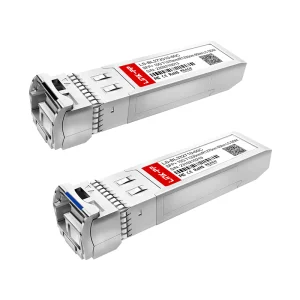
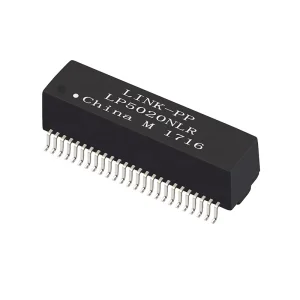
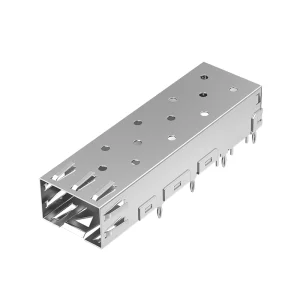
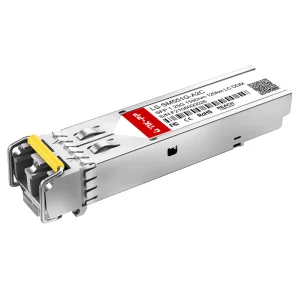
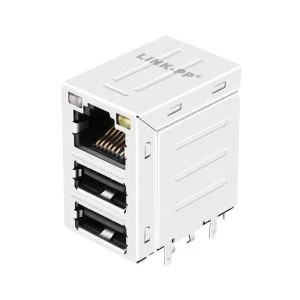
As next-generation telecommunication grids and hyperscale data centers scale rapidly to support artificial intelligence (AI), machine learning (ML), and massive cloud migrations, the demand for high-capacity, reliable optical architectures has reached unprecedented heights. SFP (Small Form-factor Pluggable) optical modules represent the critical, dynamic link within these high-speed optical frameworks. Understanding how to procure these key optical components from top-tier Chinese manufacturers is no longer merely a procurement task—it is a cornerstone of global technology infrastructure strategy.
Leading Chinese optical manufacturers have evolved from simple contract assemblers to global innovation leaders. By integrating advanced semiconductor design, automated sub-component packaging, and high-frequency optical testing, these manufacturers deliver cutting-edge hardware compliant with modern Multi-Source Agreements (MSA). This evolution guarantees seamless physical, electrical, and protocol compatibility with mainstream networking switch architectures worldwide.
For international telecommunication operators, data center infrastructure engineers, and regional enterprise network system integrators, selecting the right manufacturing partner in China dictates both operational resilience and technological scalability. Beyond raw component prices, sophisticated buyers now look closely at overall product life cycles, real-world interoperability, long-term reliability (low FIT rates), and dynamic technical alignment. This industry whitepaper analyzes the capabilities, technical routes, and strategic standards that position China's leading SFP manufacturers at the forefront of the global optical transceiver export market.
A Case Study in Manufacturing Excellence, Precision Quality Control, and Engineering-Led Customization.
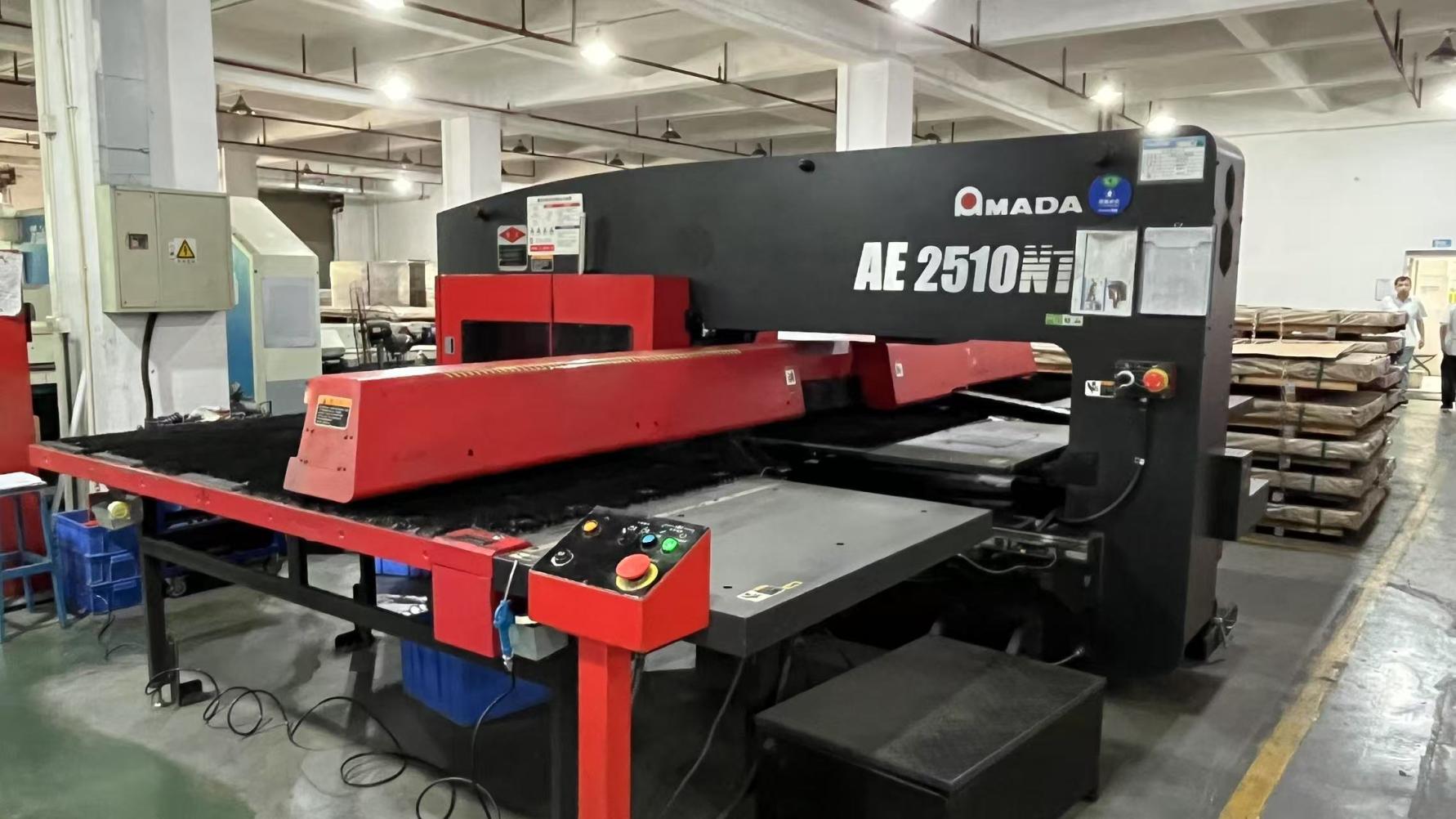
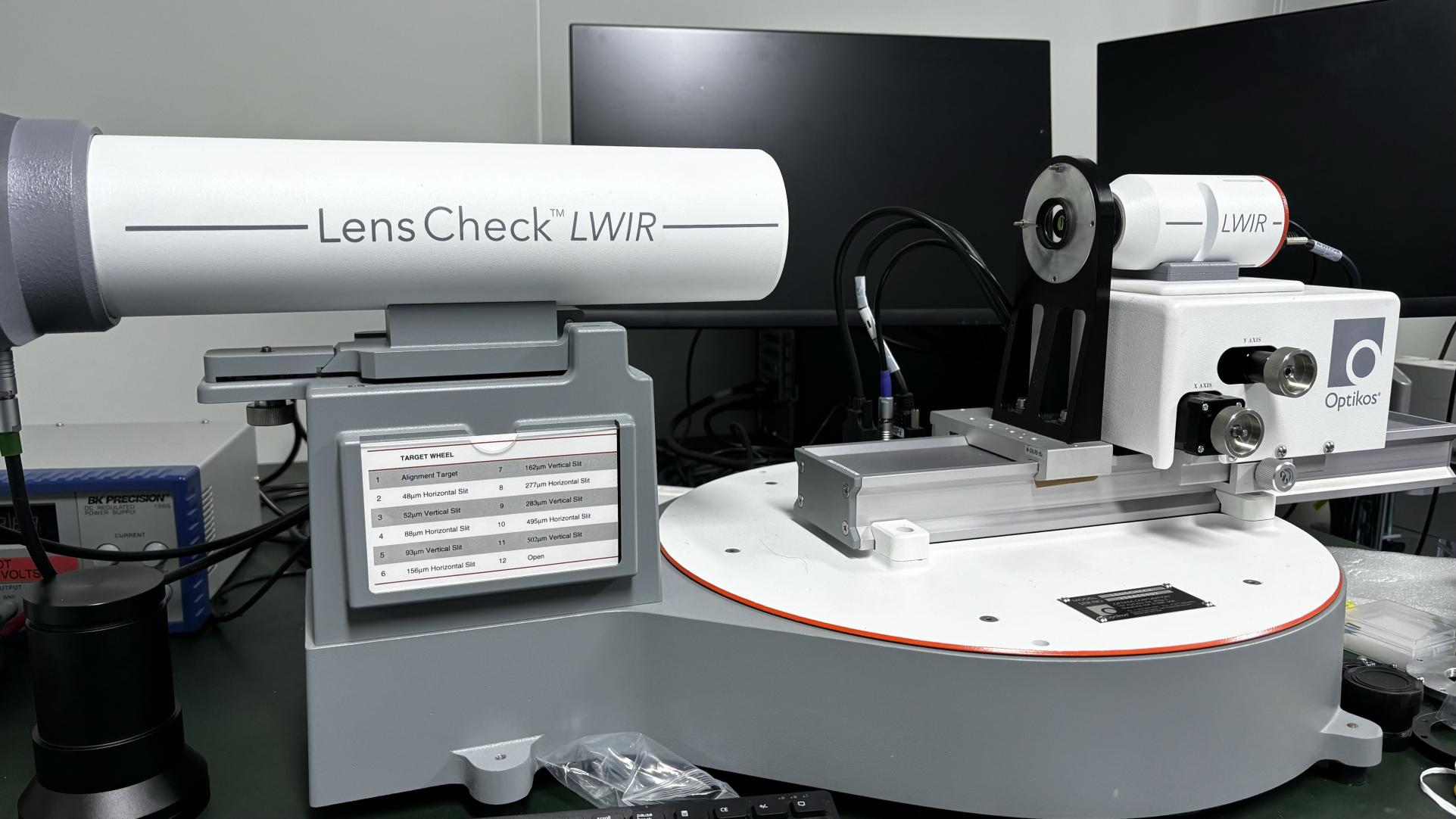
Established in 2016, Fibronexa Communications Co., Ltd. (Fibronexa Optical Transceiver Manufacturer) represents the vanguard of China’s high-precision optical transceiver manufacturing industry. Operating a modern, highly optimized production facility covering 320㎡, Fibronexa has engineered a production environment that maximizes yield, ensures strict clean-room protocols, and features state-of-the-art precision optical alignment systems.
With an annual export revenue reaching USD 12 million, Fibronexa has spent over 6 years refining its export logistics, customs compliance, and client service mechanisms, backed by 10 years of accumulated industry-wide optical engineering expertise. This deep industry background enables the brand to cater seamlessly to high-demand clients across North America, Europe, the Middle East, and Southeast Asia.
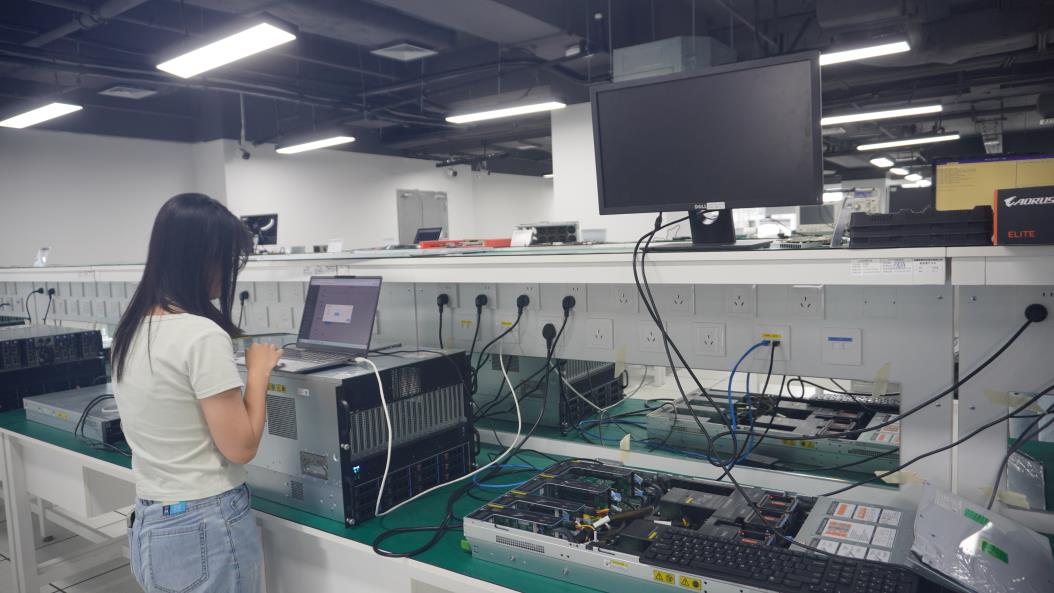
What differentiates Fibronexa is its investment in human capital and R&D. With an elite team of approximately 85 engineers, the company continually pushes the envelope of optical transceivers. In the past year alone, Fibronexa released over 120 new products, ranging from standard SFP configurations to complex 100G and emerging 800G form factors. Backed by 45 dedicated QC professionals, the manufacturing plant employs comprehensive automated testing loops and environmental stress screening to guarantee that every shipped transceiver functions with absolute precision.
Navigating transceiver specifications, wavelength divisions, and high-frequency hardware transitions.
Stabilization of the 1.25G to 10G transceivers for metropolitan networks and enterprise local area network (LAN) backbones. Implementation of CWDM and DWDM systems to maximize fiber efficiency across distances up to 120km.
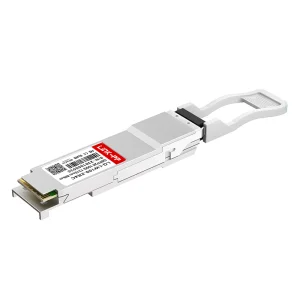
Mass deployment in corporate data centers. Leveraging four-channel designs (4x25G) to achieve 100G data transfer rates (such as QSFP28 ZR4 80km) while maintaining low power budgets and managing thermal loads.
Adoption of PAM4 modulation techniques and Silicon Photonics to scale bandwidth capabilities to 400Gbps and 800Gbps. Transitioning from pluggable transceivers to Co-Packaged Optics (CPO) to minimize signal latency and power dissipation.
To select reliable hardware, engineers must carefully evaluate the primary physical, mechanical, and optical parameters of transceivers.
From 850nm VCSEL lasers for short-reach multimode fiber (MMF) networks, to 1310nm DFB and 1550nm EML lasers for long-reach single-mode fiber (SMF) connections. Precise spectral stability prevents high bit error rates (BER).
Configured for diverse physical spans ranging from standard patch cables to 40km CWDM networks, 60km BiDi configurations, and ultra-long-haul 120km EZX links. Higher transmission distances require premium receiver sensitivity (APD) and powerful optical transmitters.
Real-time monitoring of transceiver metrics via the SFF-8472 protocol. Network administrators can monitor laser bias current, optical output power, receiver input power, temperature, and supply voltage, enabling predictive maintenance.
Exporting complex network interfaces requires strict adherence to international industrial regulations and global standards. Top-tier manufacturers like Fibronexa design, verify, and document their complete product catalog to conform with the relevant Multi-Source Agreements (MSA). This dedication ensures form factors, pinout assignments, and signaling protocols integrate flawlessly across diverse switch platforms (including Cisco, Juniper, Arista, and HPE).
From an environmental and safety standpoint, international compliance is non-negotiable. Leading SFP manufacturers ensure their products carry valid CE, FCC, and RoHS certifications. These certifications demonstrate that the optical products meet stringent electromagnetic interference (EMI) limits and are free from hazardous substances.
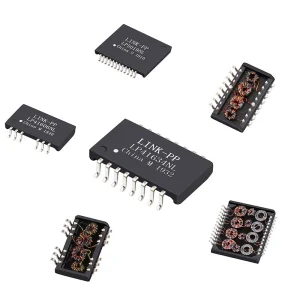
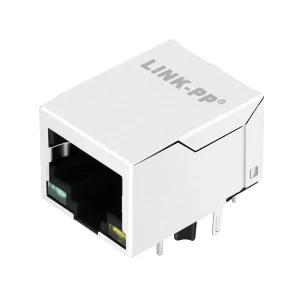
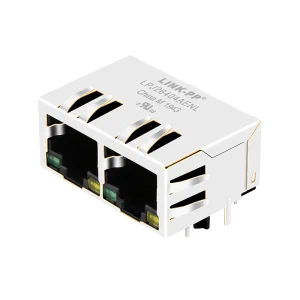
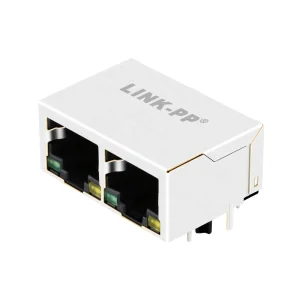
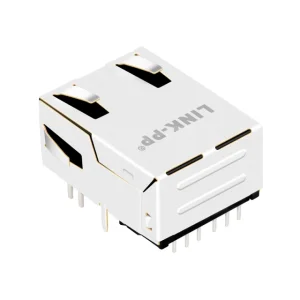
To reduce signal interference and protect sensitive optical circuits, high-speed applications rely on specialized physical accessories. Shielded enclosures, such as the 1367643-1 TE Compatible Single Port Through Hole EMI Shielded Press Fit SFP Cage, isolate electrical paths and block noise. Integrated RJ45 magnetic connectors and discrete transformers further clean network lines, protecting high-speed hardware from electrical transients and ensuring reliable performance in harsh data center environments.
Furthermore, reliable manufacturers offer localized technical support and customer compatibility labs. These facilities let engineers program and test custom EEPROM firmware codes before shipment, ensuring complete transceiver compatibility with any target hardware platform.
Resolving technical queries, compatibility concerns, and manufacturing specifications for international enterprise procurement.
Browse our expanded range of standard modules, high-frequency connectors, and optical transceivers engineered for critical network tasks.
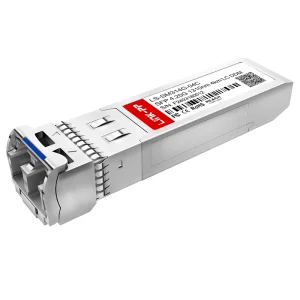
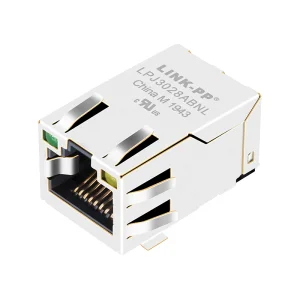
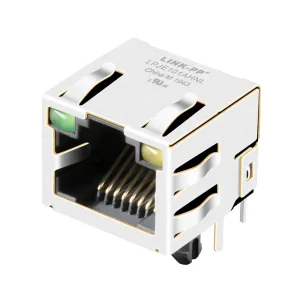
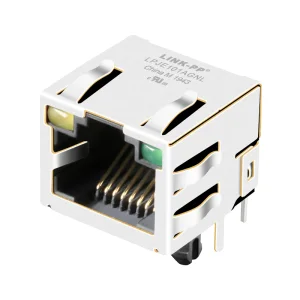
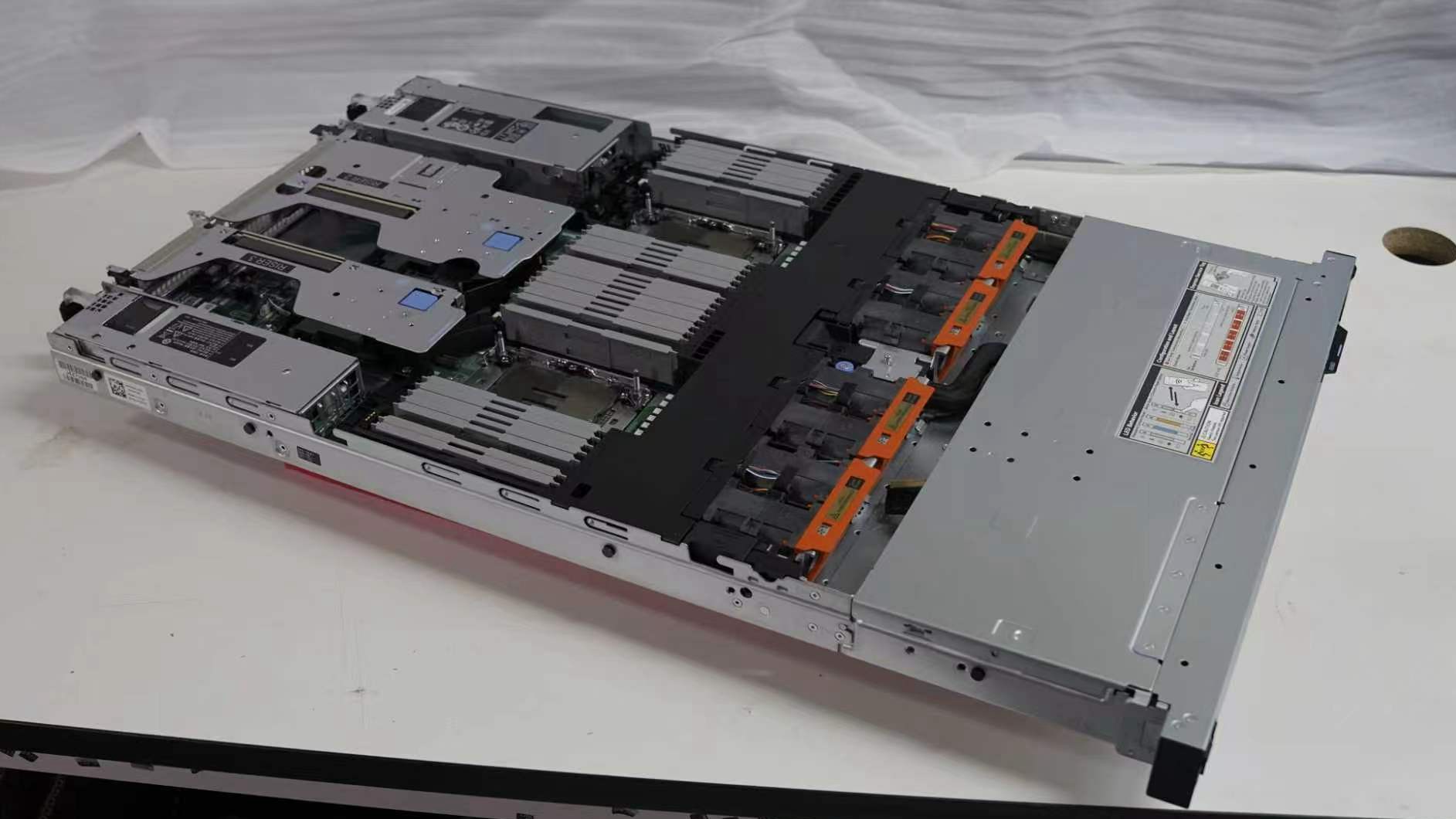
Take a visual tour through our advanced cleanrooms, inspection labs, and optical testing lines that support global exports.