Fibronexa
Fibronexa
Fibronexa
Discover high-performance network interface adapters, cages, and transceivers engineered to support robust industrial switching architectures.
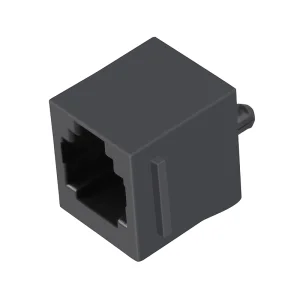
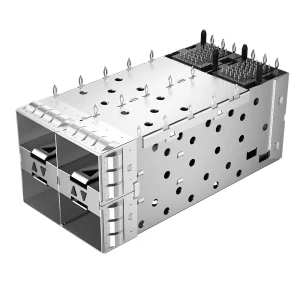
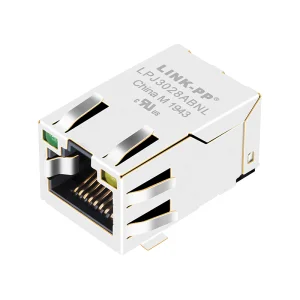
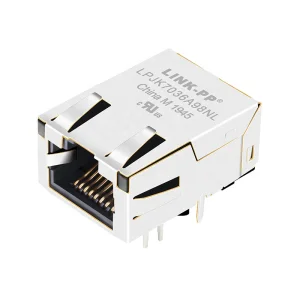
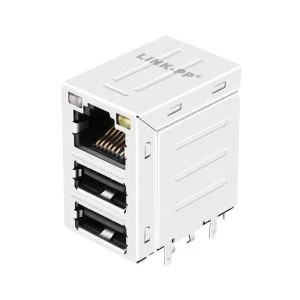
In the era of hyper-scale computing, automation, and real-time operations, Ethernet switches serve as the vital nervous system of modern enterprise architectures.
The global Ethernet switch market is witnessing a rapid structural transition. What once was dominated by basic Fast Ethernet switches in closed office environments has transformed into a dynamic ecosystem of Multi-Gigabit (2.5G/10G/100G) and Terabit industrial networking hardware. The rise of industrial automation (Industry 4.0), smart grids, utility management systems, and hyperscale data centers requires massive switching fabrics built to withstand rigorous physical stresses while sustaining zero-loss packet forwarding.
Key drivers behind this massive growth include the deployment of Time-Sensitive Networking (TSN) standards, which ensure deterministic latency for robotic automation, and the integration of Power-over-Ethernet (PoE++ IEEE 802.3bt) to power high-draw edge sensors. Hardware reliability at the component level—specifically magnetic RJ45 jacks, SFP+ cages, and fiber optic transceivers—has become the primary differentiator between robust enterprise-grade deployments and unstable systems prone to packet drops and EMI disruptions.
How top procurement managers evaluate, vet, and partner with top-tier hardware manufacturers to ensure seamless system integration and supply chain resilience.
| Evaluation Parameter | Technical Baseline Requirement | Strategic Risk Assessment Factor |
|---|---|---|
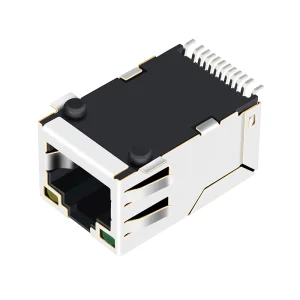
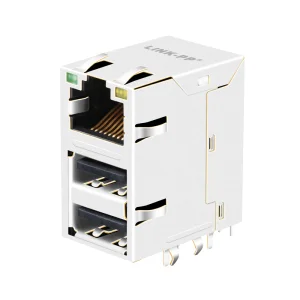
| 1. Signal Integrity & Magnetics | 100% compliance with IEEE 802.3 standards, utilizing low-profile magnetic jacks with integrated LED and EMI suppressors. | Protects the switch PHY (Physical Layer) chips from ESD, surge, and cross-talk during operations. |
| 2. Optical Interfacing Technology | Dual-rate SFP/SFP+ and QSFP cages with comprehensive press-fit EMI gaskets and light pipe configurations. | Ensures high-density ports maintain structural thermal dissipation under continuous high-load transmission. |
| 3. Environmental Hardening | Vibration, thermal shock, and IP30-IP67 ingress protection casing designs. | Essential for transport networks, smart grids, and outdoor telemetry deployments. |
| 4. Design Customization Capability | In-house R&D team competent in OEM/ODM schematics, customized pinning, and flexible wavelength setups. | Addresses proprietary legacy integrations and unique form-factor physical spatial restrictions. |
| 5. Quality Control Rigor | Strict dual-layer testing: 100% automated optical inspection (AOI) plus comprehensive environmental stress screening. | Prevents field failure rates and costly truck rolls for system replacements. |
A factory's upstream integration with component partners dictates their lead times. Opt for partners with a broad, diverse supply ecosystem.
Electromagnetic Interference (EMI) is the silent killer of packet throughput. Always specify SFP cages with press-fit EMI shields.
Ensure your manufacturing partner holds accredited certifications, including FCC, CE, RoHS, REACH, and UL compliance.
Optical modules with Digital Diagnostic Monitoring (DDM/DOM) allow real-time monitoring of power, temperature, and current parameters.
Pioneering High-Speed Optical and Copper Transceiver Engineering and Core Interconnect Technologies
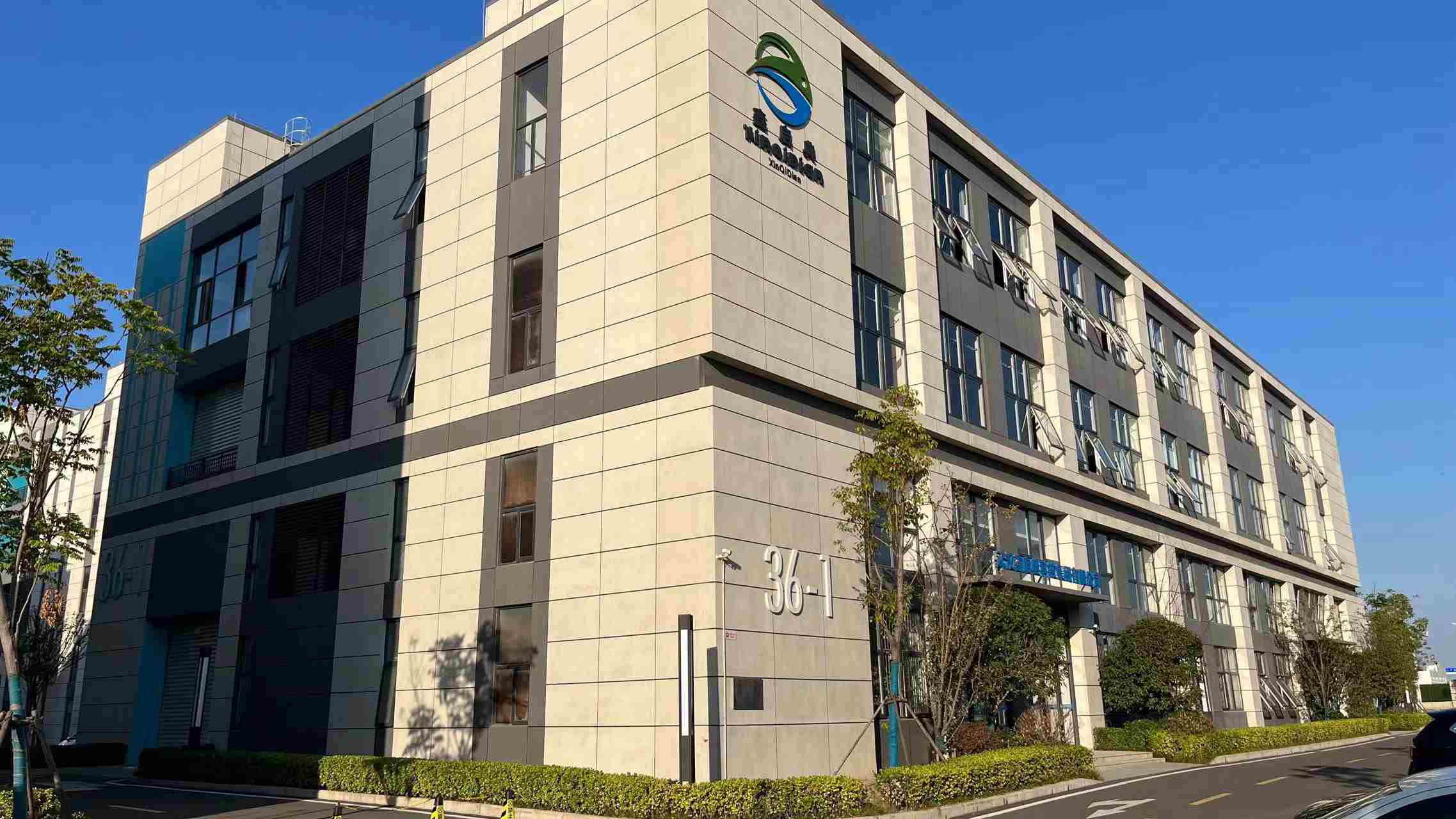
Established in 2016, Fibronexa Communications Co., Ltd. has established itself as an industry-leading optical transceiver manufacturer, specializing in high-speed fiber optic communication solutions for the global data center and telecommunications infrastructure sectors. Operating out of a highly automated, modern 320㎡ production facility, Fibronexa utilizes state-of-the-art precision assembly systems designed to deliver extreme reliable interconnect components.
With an annual export revenue averaging USD 12 million, over 6 years of direct export experience, and 10 years of accumulated industry engineering expertise, the company boasts strong global distribution networks spanning North America, Europe, Southeast Asia, and the Middle East. They are not merely an assembler; their core competency lies in their integrated approach to manufacturing, testing, and component customization.
Every transceiver, SFP cage, and magnetic RJ45 connector is subjected to 100% performance testing and rigorous environmental stress screening by an expert team of 45 quality assurance specialists. Backed by a strong R&D department containing over 85 engineers, Fibronexa focus on developing next-generation modules including 10G, 25G, 100G, 400G, and pioneering 800G solutions. Over the past year alone, Fibronexa launched over 120 new products, solidifying their reputation as a responsive partner in customized network hardware.
Exploring the technological horizon of optical routing, PAM4 signaling, Co-packaged Optics, and industrial networking topologies.
Integrating optics and silicon on a single substrate to reduce electrical path loss, power consumption, and thermal issues at 1.6T and above.
Transitioning from traditional NRZ to four-level Pulse Amplitude Modulation to double the data rates without requiring increased fiber bandwidth.
Mass-manufacturing optical transceivers using standard silicon CMOS processes, drastically driving down costs and improving performance reliability.
Enabling TSN (Time-Sensitive Networking) mechanisms at the switch chip layer for highly synchronized industrial robotic applications.
From hyper-scale cloud data centers to ruggedized remote energy grid telemetry, discover how advanced switches and SFP/RJ45 nodes operate.
Modern data centers employ a leaf-spine architecture requiring high-density SFP+ and QSFP ports. To handle low latency requirements in high-frequency trading or AI model training, the physical connectors must prevent impedance mismatches. The utilization of premium SFP+ cages and modules allows data centers to maximize throughput while minimizing packet error rates (PER).
Factory environments are plagued by high electromagnetic interference (EMI) from motors and heavy electrical machinery. Standard Ethernet switches fail due to signal corruption in these settings. Specifying magnetic RJ45 connectors with built-in EMI isolation transformers ensures stable physical layer connections and prevents industrial PLC downtime.
Deep technical answers to common queries regarding optical communication transceivers, RJ45 magnetics, and networking cages.
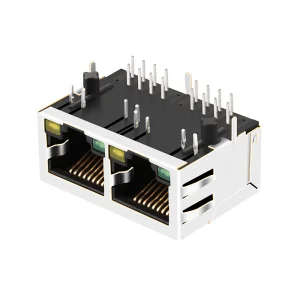
Integrated magnetics (also known as MagJacks) contain transformers and common-mode chokes. Their primary purpose is to provide electrical isolation (up to 1,500V or higher), filter out high-frequency electromagnetic interference (EMI), and match the impedance between the physical copper cable (UTP) and the Ethernet physical layer (PHY) transceiver chip. This ensures clean signals and protects the sensitive switch silicon from surges and ESD events.
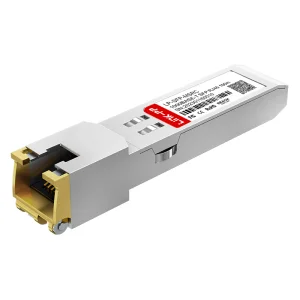
High-speed optical modules operate at frequencies that naturally emit electromagnetic waves. To prevent this radiation from interfering with surrounding components or failing FCC/CE standards, SFP/SFP+ cages are built with metal shields, grounding tabs, and elastomeric or metal EMI gaskets. These designs create a continuous Faraday shield around the interface slot, sealing all gaps between the module housing and the PCB chassis ground.
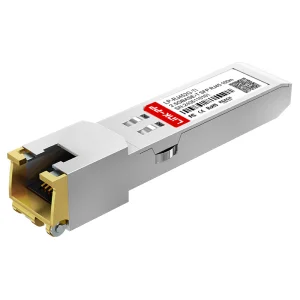
Generally yes, most modern 10G SFP+ ports on managed Ethernet switches are backward compatible with 1G SFP modules. However, the switch port must be manually configured in the CLI (Command Line Interface) to run at 1000Mbps speed, as auto-negotiation between standard 1G copper transceivers and 10G SFP+ physical layers may fail to link up properly.
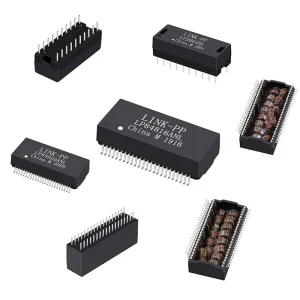
High-quality network transformers, such as the HST series, are built to last in excess of 100,000 continuous operating hours. This longevity is achieved through robust wire isolation (using polyimide or polyurethane-coated copper wire) and high-density epoxy potting which prevents oxidation and moisture penetration inside the transformer housing.
Discover additional precision-engineered networking components to optimize your platform designs and layout densities.
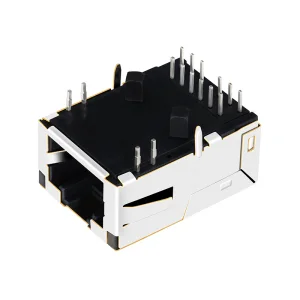
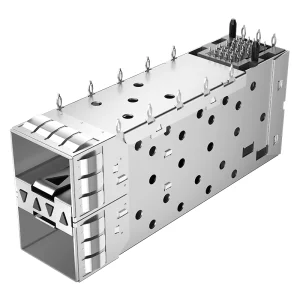
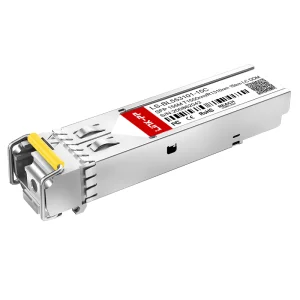
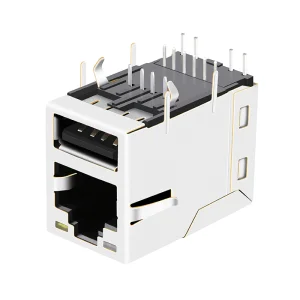
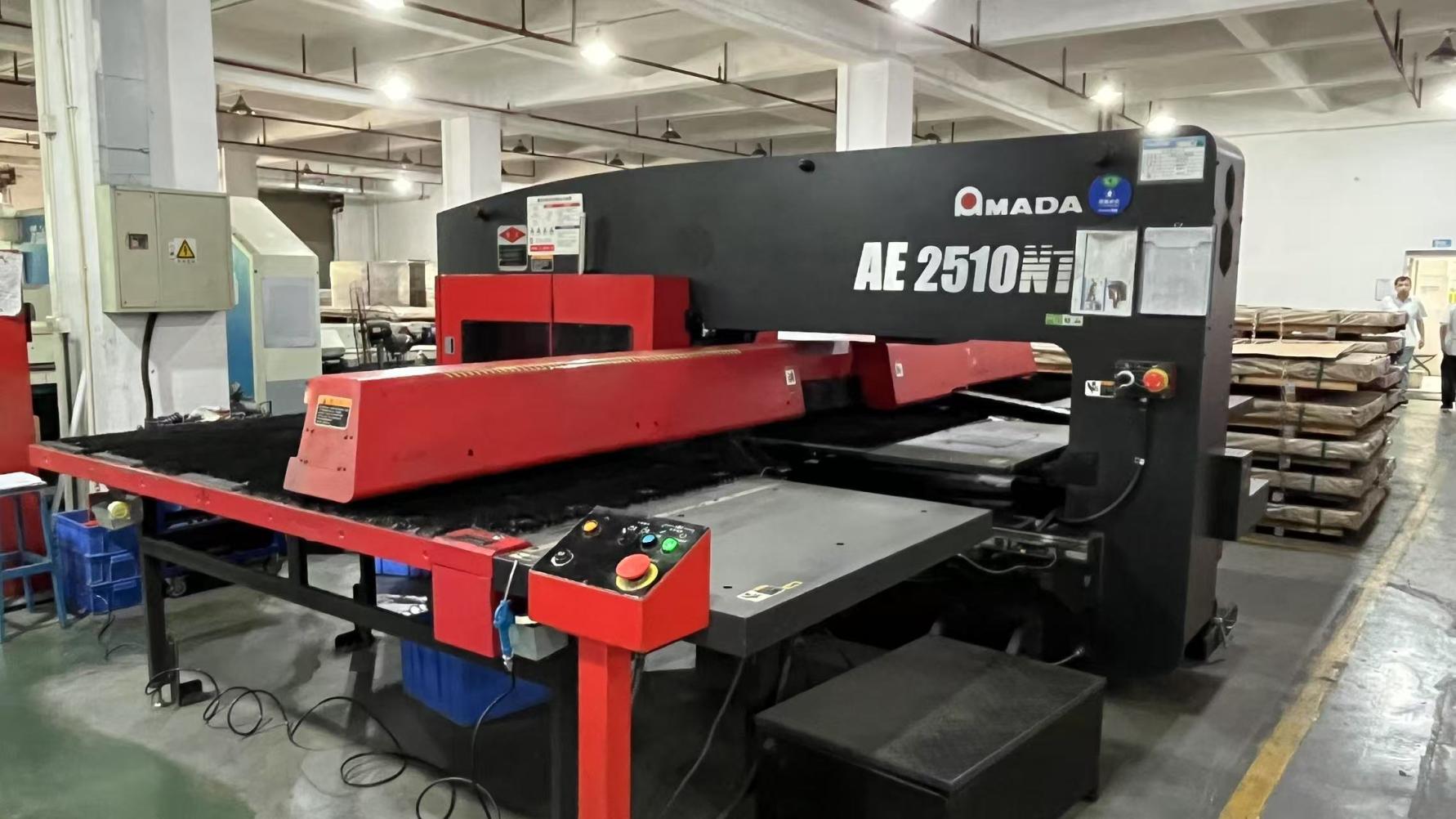
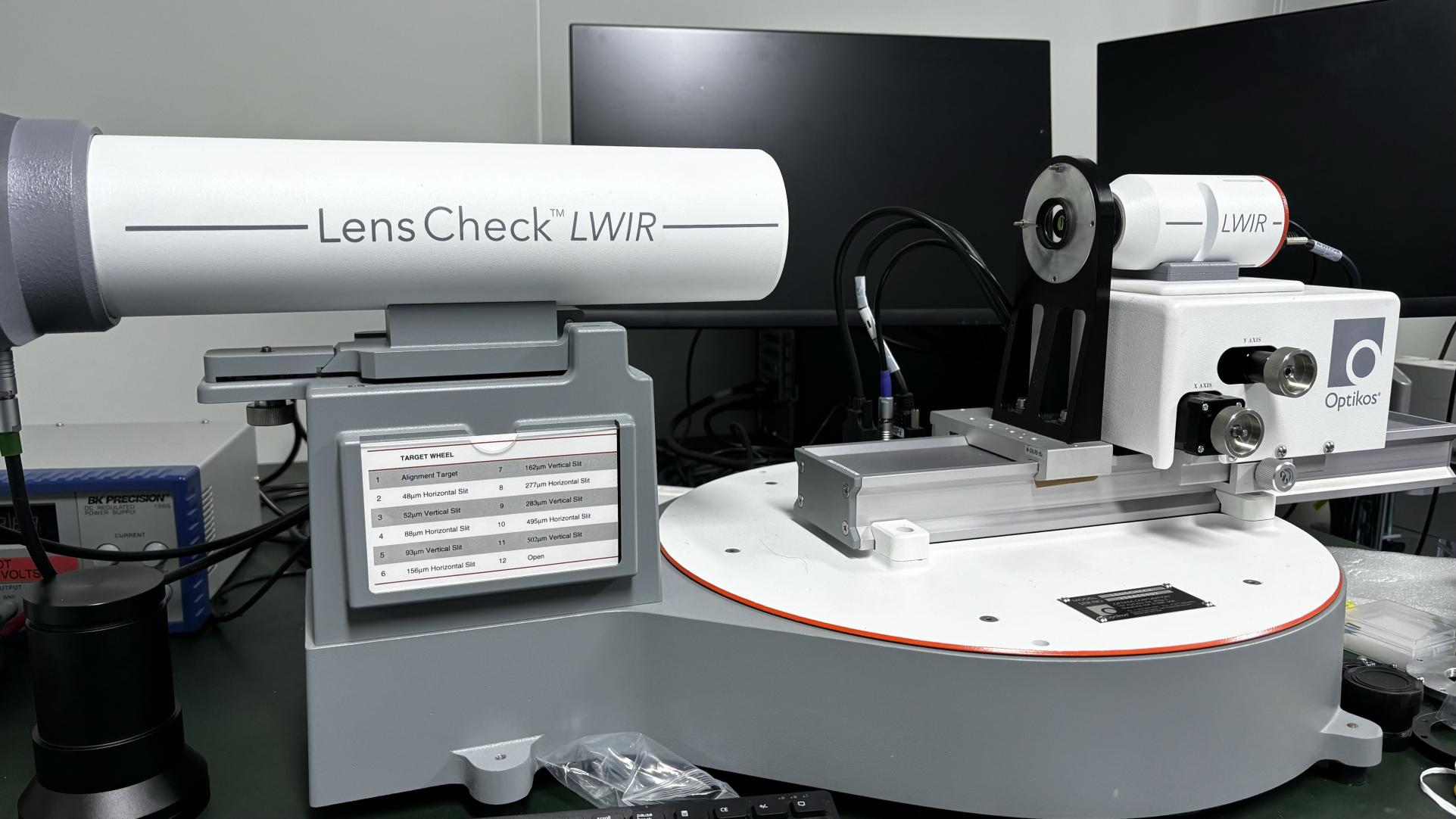
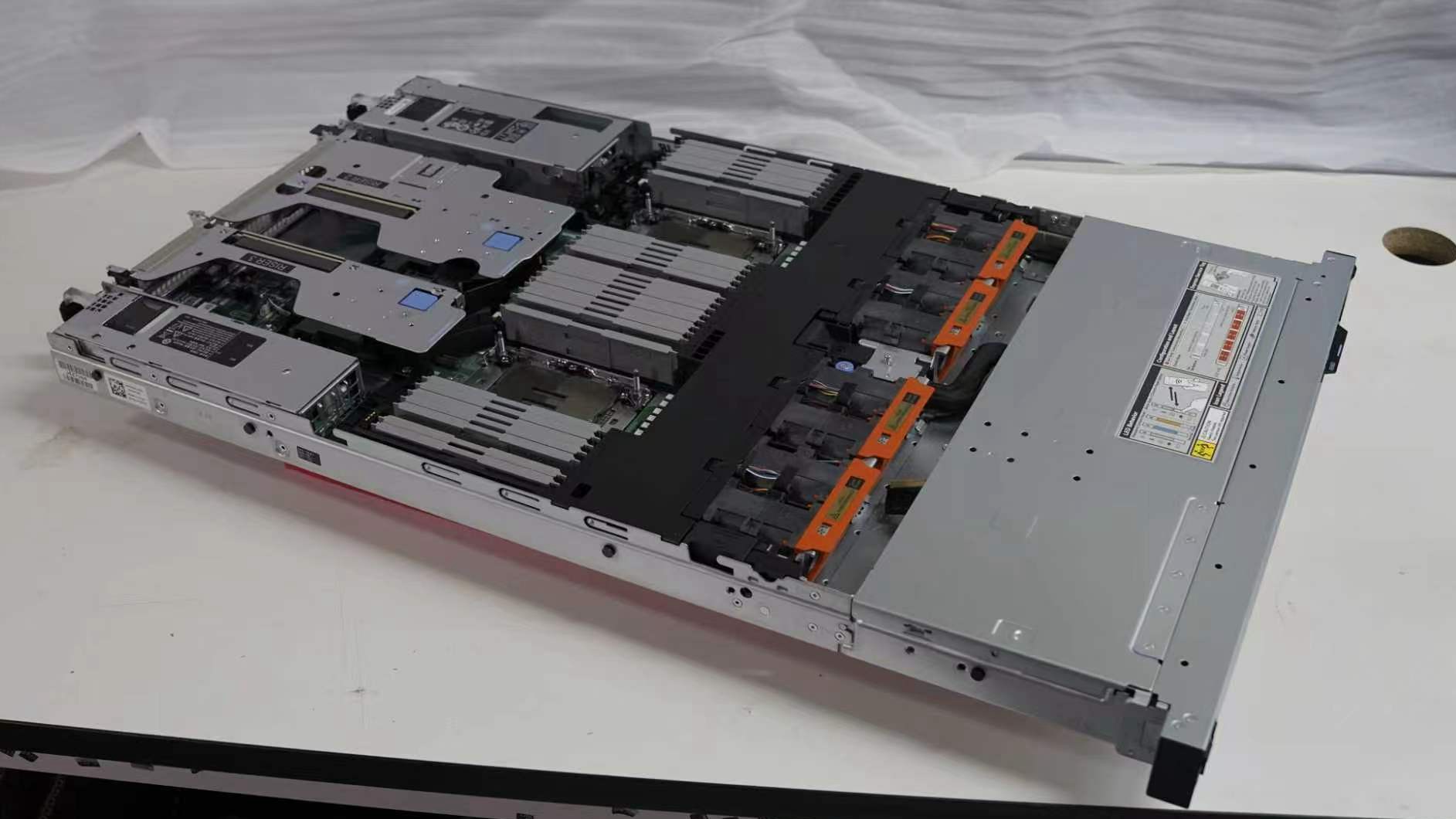
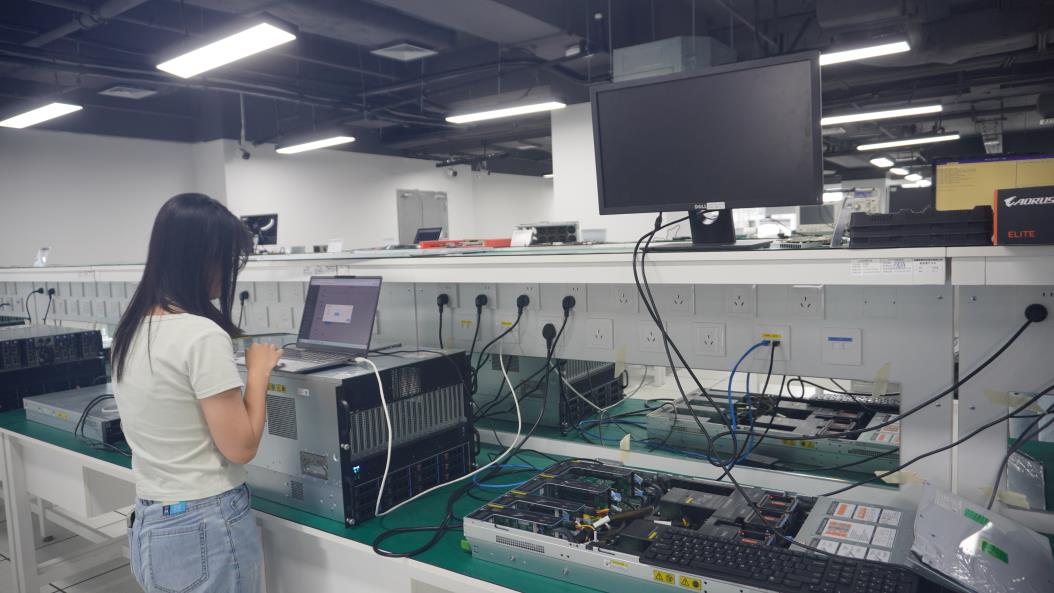
Step inside our facilities, testing labs, and product ecosystem showcasing next-gen manufacturing capability.