Fibronexa
Fibronexa
Fibronexa
High-performance modules and connectors for industrial and enterprise applications.
Established in 2016, Fibronexa Communications Co., Ltd. has rapidly ascended as a premier professional optical transceiver and ethernet connector manufacturer. Our focus remains steadfast on high-speed fiber optic communication solutions tailored for global data centers and the evolving telecom infrastructure.
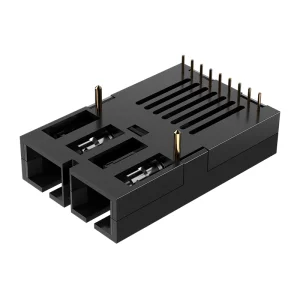
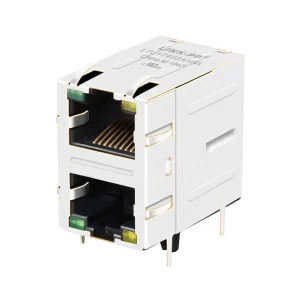
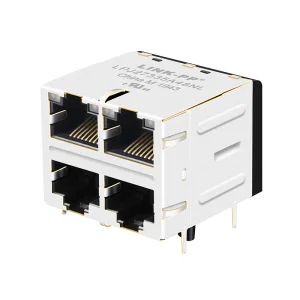
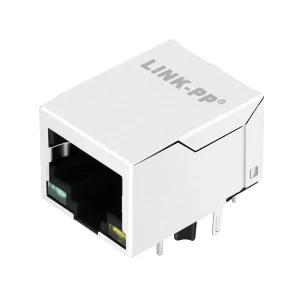
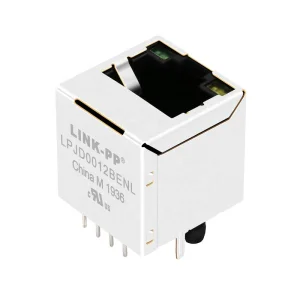
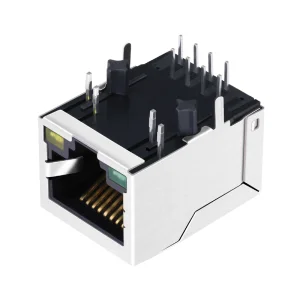
Operating out of a precision-driven facility, we leverage 10 years of industry expertise to solve the "Z-height" challenges faced by modern hardware designers. Our low-profile ethernet jacks are engineered to provide maximum performance within minimum spatial footprints.
With an R&D team comprising 85 dedicated engineers, Fibronexa pushes the boundaries of signal integrity. In the past year alone, we launched 120 new products, focusing on the convergence of high-speed optical modules (up to 800G) and compact copper interconnects.
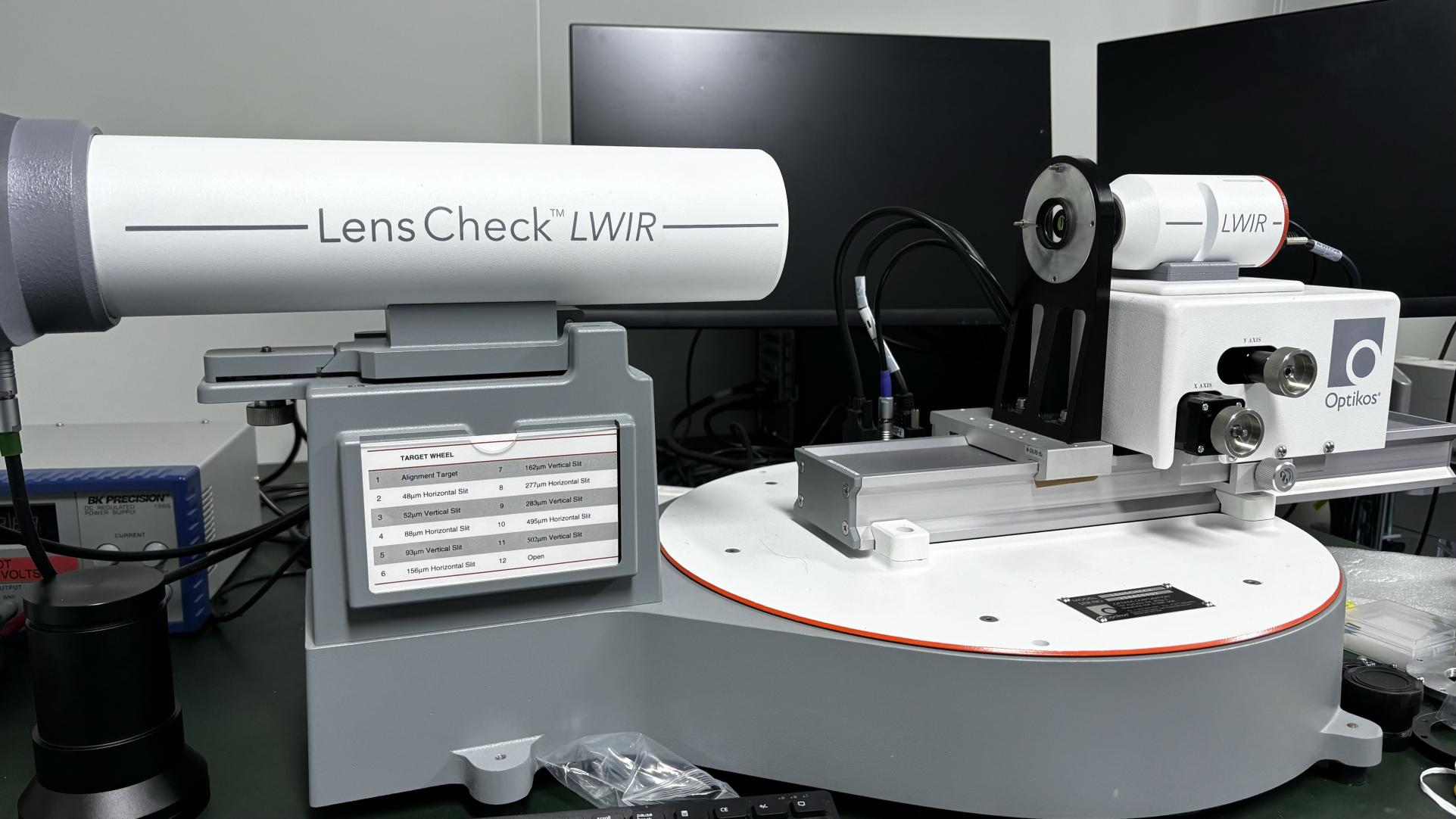
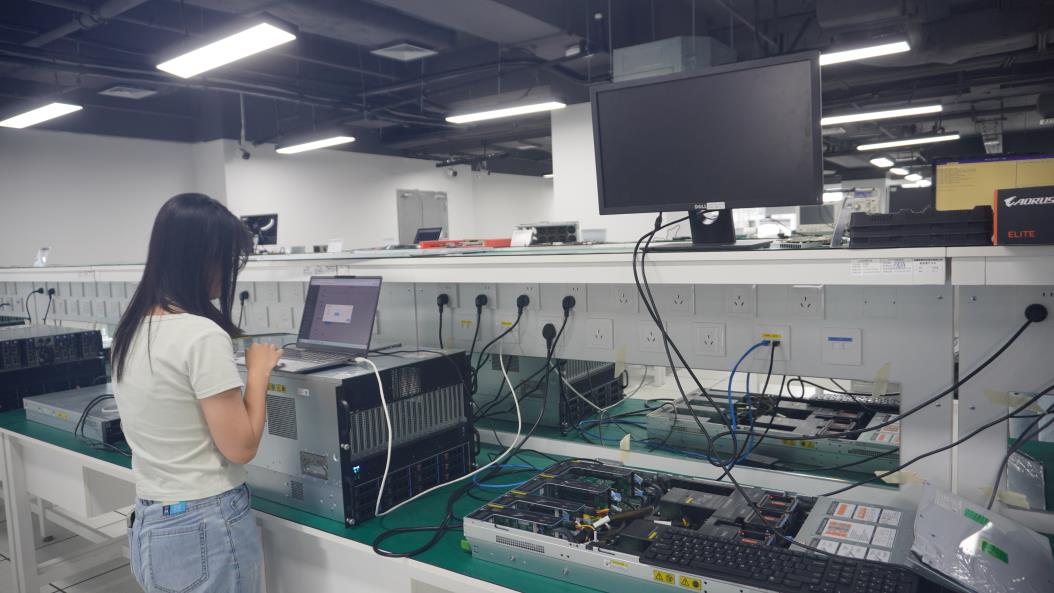
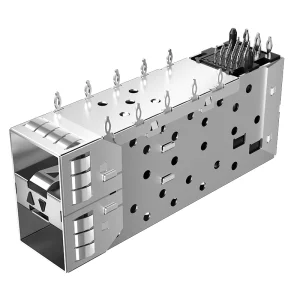
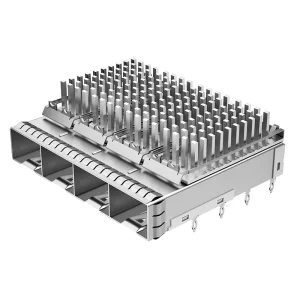
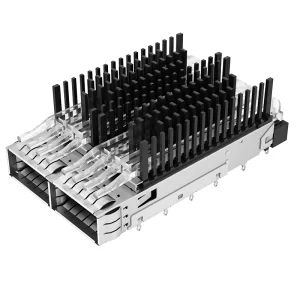
Our quality assurance protocol includes 100% performance testing and environmental stress screening. Our 45-member QC team ensures every RJ45 and SFP cage meets international standards for reliability.
In the era of 5G, AI computing, and compact IoT devices, the "Real Estate" on a Printed Circuit Board (PCB) is more valuable than ever. Low Profile Ethernet Jacks have emerged as a critical component for hardware engineers aiming to reduce device thickness without compromising network reliability.
Standard RJ45 connectors often have a height of 13mm to 15mm. Low profile variants, however, are specifically designed with a height as low as 9mm to 11mm. This reduction is achieved through:
China has become the global hub for OEM Low Profile Ethernet Jack manufacturing due to several strategic advantages:
From plastic injection molding to precision metal stamping and automated winding of magnetic coils, Chinese factories like Fibronexa control the entire value chain.
The time-to-market for a custom low-profile design is significantly shorter due to the proximity of component suppliers and specialized tooling houses.
Economies of scale allow for the use of high-temperature LCP (Liquid Crystal Polymer) plastics and 50μ gold plating at a fraction of the cost of Western competitors.
Where slim design meets robust connectivity.
Enabling wired gigabit connectivity in devices where a standard RJ45 port would be thicker than the chassis itself.
DIN-rail mounted equipment and compact PLC units require low-profile jacks to fit into tight electrical cabinets.
Portable diagnostic tools and patient monitoring systems utilize shielded low-profile connectors to maintain signal integrity in high-interference environments.
Outdoor 5G equipment requires high-density connectors that can withstand environmental stress while maintaining a compact form factor.
The interconnect industry is undergoing a paradigm shift. We are moving beyond simple 10/100 Base-T connectivity toward Multi-Gigabit (2.5G, 5G, 10G) capabilities in the same small footprint.
1. PoE++ Integration: Future low-profile jacks must handle up to 90W of power (802.3bt) without overheating, requiring advanced thermal management in the plastic housing.
2. Magnetic Miniaturization: Using nano-crystalline cores to shrink the transformer size while improving Return Loss and Crosstalk parameters.
3. Sustainable Manufacturing: A move toward halogen-free materials and Lead-free soldering processes (RoHS 3.0) to meet global ESG requirements.
Look for manufacturers with ISO9001/14001 certification, in-house testing labs for EMI/RFI, and a track record of supplying Tier-1 networking brands. Ensure they use high-temp plastics (LCP or Nylon 9T) for SMT reflow compatibility.
Beyond price, value is found in understanding the "Crosstalk" mitigation of a design. A supplier providing detailed simulation data and thermal mapping adds significant information gain compared to a simple catalog supplier.
Yes, as a custom OEM manufacturer, we offer Green/Yellow, Bi-color, and even RGB LEDs. Pinouts can be modified to match specific PHY chipsets from Broadcom, Marvell, or Intel.
Typically, a new mold design takes 4-6 weeks for prototyping and another 2 weeks for mass production validation. However, we have over 500 existing molds that often cover 90% of custom requirements.
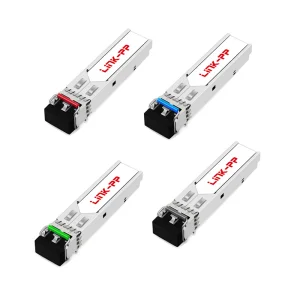
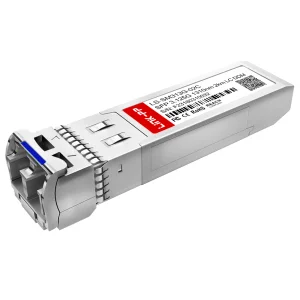
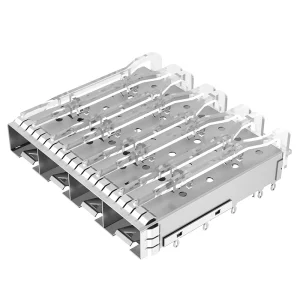
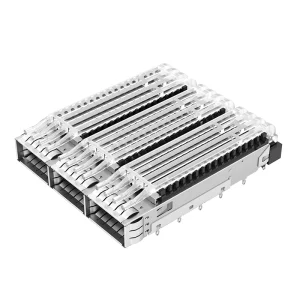
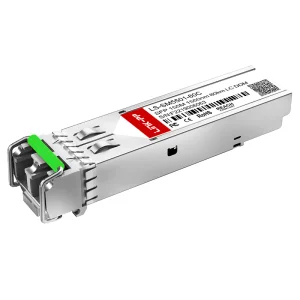
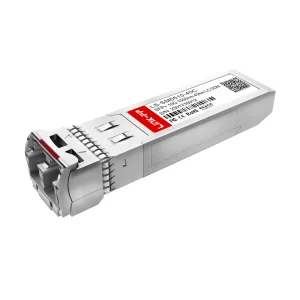
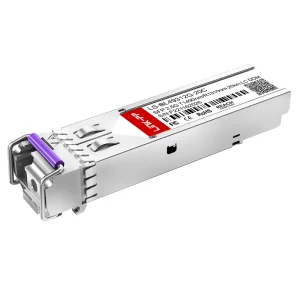
Complementary SFP cages and high-speed transceivers for total network solutions.
Our facilities are equipped with the latest automation technology to ensure precision and scalability.