Fibronexa
Fibronexa
Fibronexa
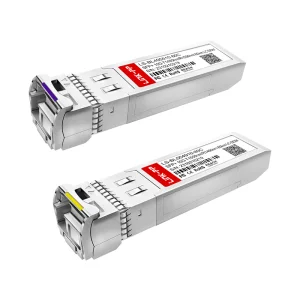
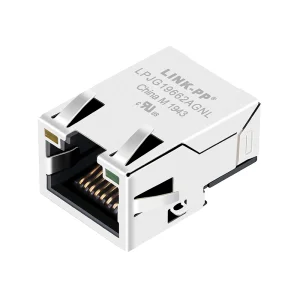
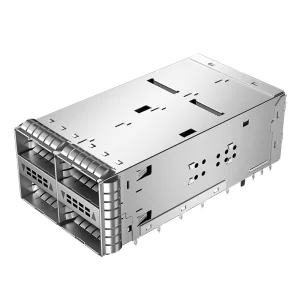
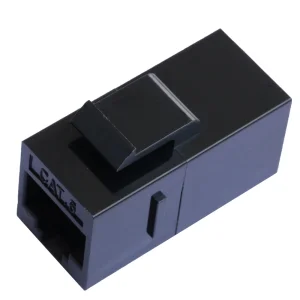
A standard-setting pioneer in fiber optic communication systems, empowering telecom networks with high-speed connectivity solutions since 2016.
Founded on the principles of precision, efficiency, and engineering leadership, Fibronexa Communications Co., Ltd. (Fibronexa Optical Transceiver Manufacturer) operates a state-of-the-art facility optimized for high-performance optical engineering. Focused on the delivery of reliable, next-generation fiber infrastructure, our operation boasts an annual export footprint approaching USD 12 million, underpinned by more than 10 years of intensive technical expertise.
With an extensive supply chain ecosystem spanning over 1,200 strategic partners, Fibronexa serves tier-1 telecom operators, municipal networks, data center facilities, and system integrators across Europe, North America, and high-growth markets globally. Our commitment to strict quality systems and extensive customized solutions makes us a top partner for network-critical projects.
How physical sealing, advanced polymers, and dense fiber configurations are transforming next-generation Passive Optical Networks (PON).
Modern networks face extreme weather patterns. Dome fiber optic splice closures (FOSC) from China manufacturers now utilize modified polypropylene (PP) formulated with specialized anti-UV, anti-aging, and flame-retardant stabilizers. This ensures mechanical integrity under deep underground water pressures, aerial thermal variations ranging from -40°C to +65°C, and exposure to corrosive chemicals.
While heat-shrink sealing has traditionally dominated telecom networks due to its initial lower cost, it carries operational risks. Overheating can damage internal optical fibers, and re-entry requires heat torches and consumable kits. The technical roadmap points directly to mechanical compression gel-sealing. This allows field technicians to perform reliable, tool-free access and re-entry, saving thousands in operational expenditure (OPEX).
With the rise of hyperscale data center interconnects and 5G networks, standard-capacity closures (24 to 96 cores) are shifting to high-density ribbon fiber modular architectures. Innovations in fiber splice tray design allow safe bend radius management (exceeding R30mm) for hundreds of splices, preventing micro-bending loss and optimizing overall optical attenuation budgets.
Our R&D roadmap focuses on resolving optical degradation issues. By keeping insertion loss under 0.1 dB and guaranteeing return loss levels that exceed telecom standards, Fibronexa products ensure data is transmitted over long distances with minimal signal degradation.
Bridging the gap between active routing components and passive physical layers across various environments.
For Fiber-to-the-Home (FTTH) networks, dome closures act as critical distribution points. Designed to house optical splitters (PLC splitters) directly inside the splice tray, they facilitate the transition from trunk cables to drop lines, saving space and accelerating home-connection times.
Modern cities require high-resolution monitoring and real-time sensor networks. Dome closures protect vital fiber splices under city streets and on utility poles. IP68 ratings keep water and dust out, ensuring 24/7 connectivity for urban management networks.
Connecting data centers demands massive fiber capacities. Ribbon fiber closures with specialized high-density splice trays protect high-capacity fiber trunks. Robust design and reliable performance help data centers run without interruption.
| Performance Parameters | Heat-Shrink Sealing Closures | Mechanical Gel-Sealing Closures | Industry Standard Requirements |
|---|---|---|---|
| Ingress Protection Rating | IP68 (Underground / Aerial) | IP68 (Underground / Aerial / Wall-mount) | Minimum IP65 for outdoor use |
| Installation Complexity | High (requires heat source/torches) | Low (tool-less compression latching) | Standardized simple field handling |
| Re-entry & Reuse Cost | Moderate (requires replacement shrink kits) | Zero (gel re-seals automatically) | Reusability without performance drop |
| Temperature Tolerance | -40°C to +65°C | -45°C to +70°C | ITU-T L.51 standard compliance |
| Tensile Strength Capacity | > 800 N | > 1000 N | IEC 61300-2-4 compliance |
How advanced Chinese manufacturing hubs combine scalability with strict verification testing to meet demanding lead times.
At the center of global telecommunication manufacturing, China-based factories leverage an integrated supply chain to source quality resins, sealing silicones, fiber trays, and precision components. This helps manufacturers offer consistent quality and reliable delivery times, even during global supply chain disruptions.
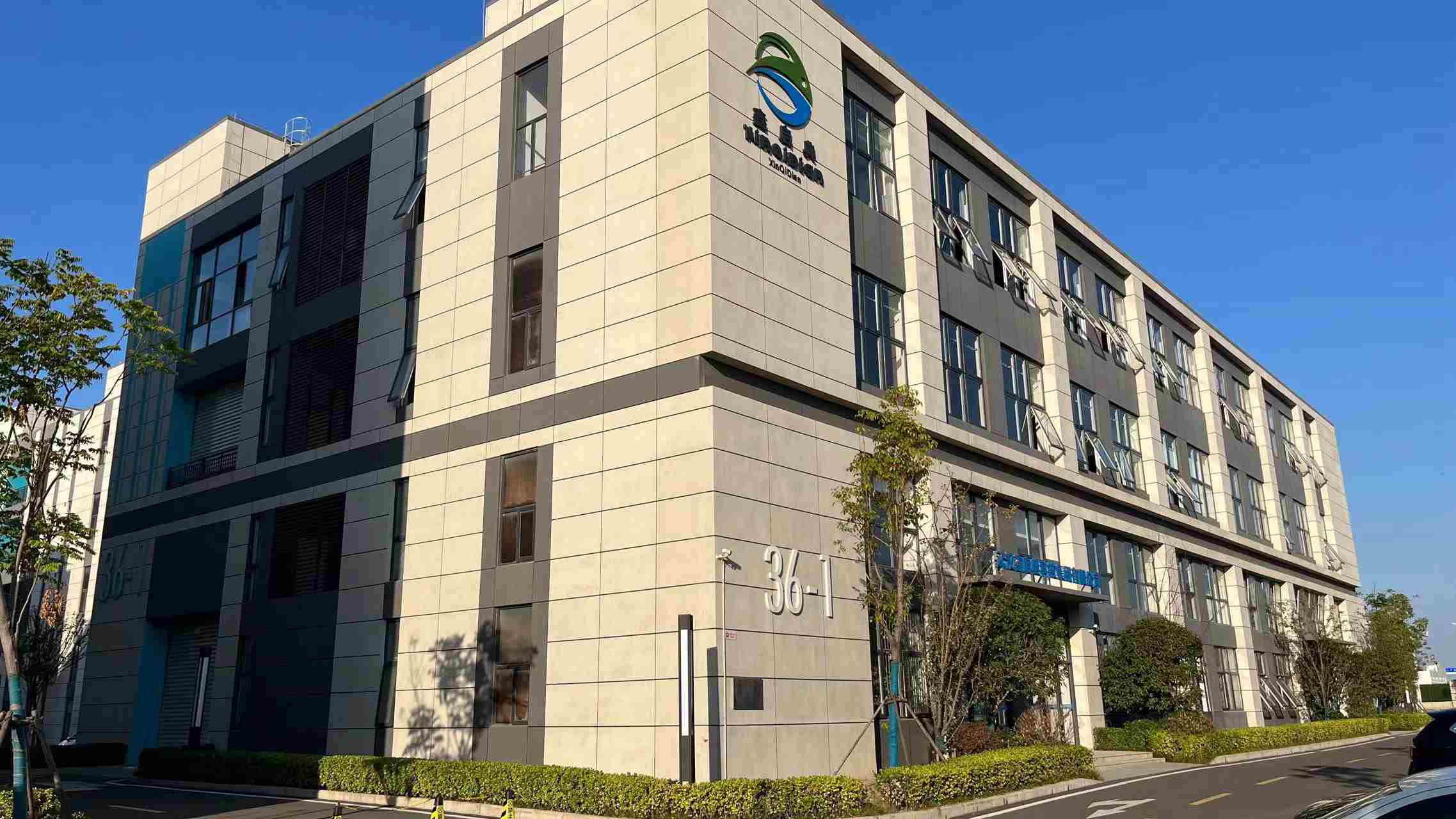
Fibronexa ensures reliability through advanced assembly processes and rigorous quality control. Our QC team of 45 specialists tests every production run for seal integrity, pressure resistance, and physical strength, making sure our products meet international standards.
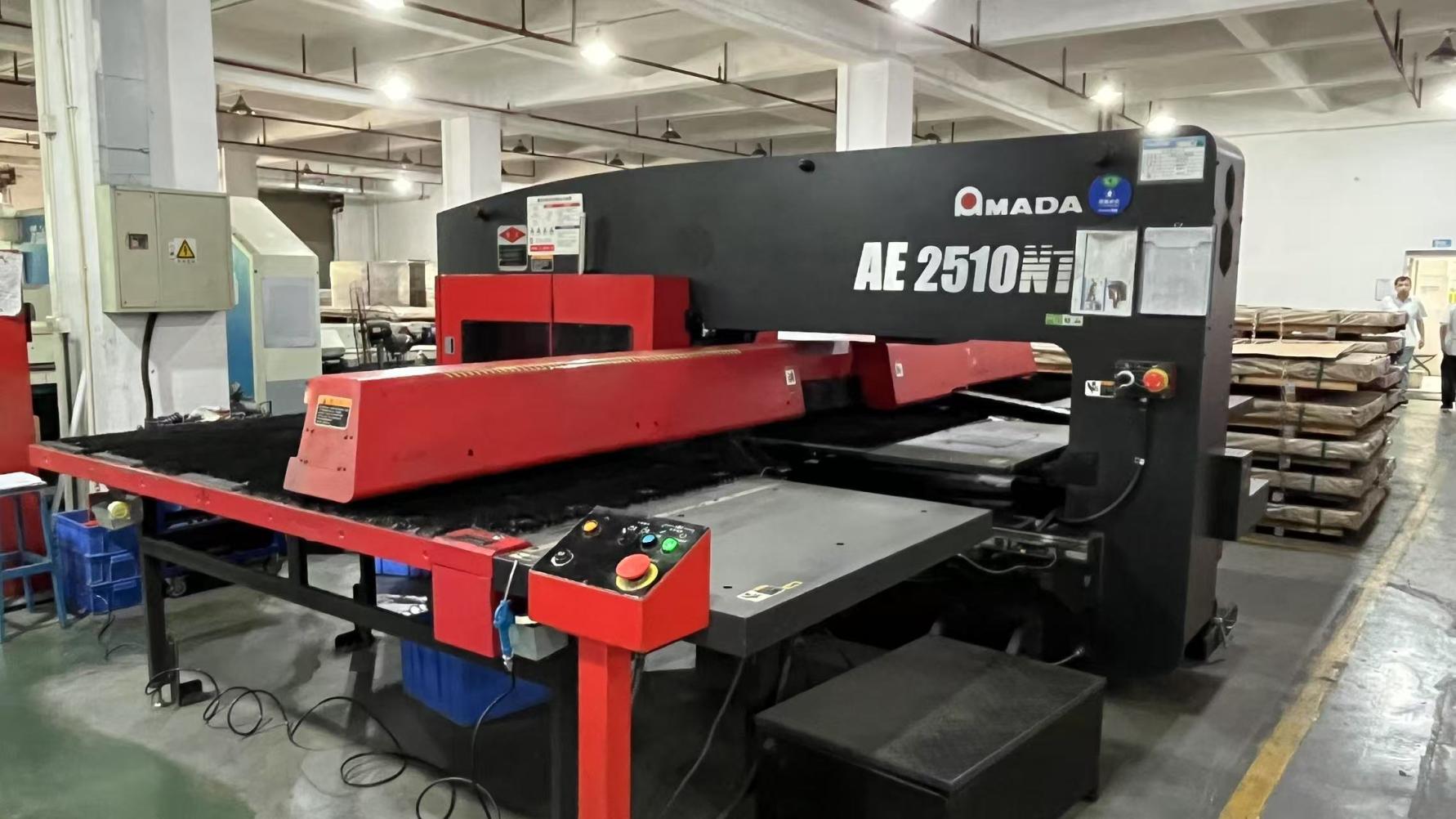
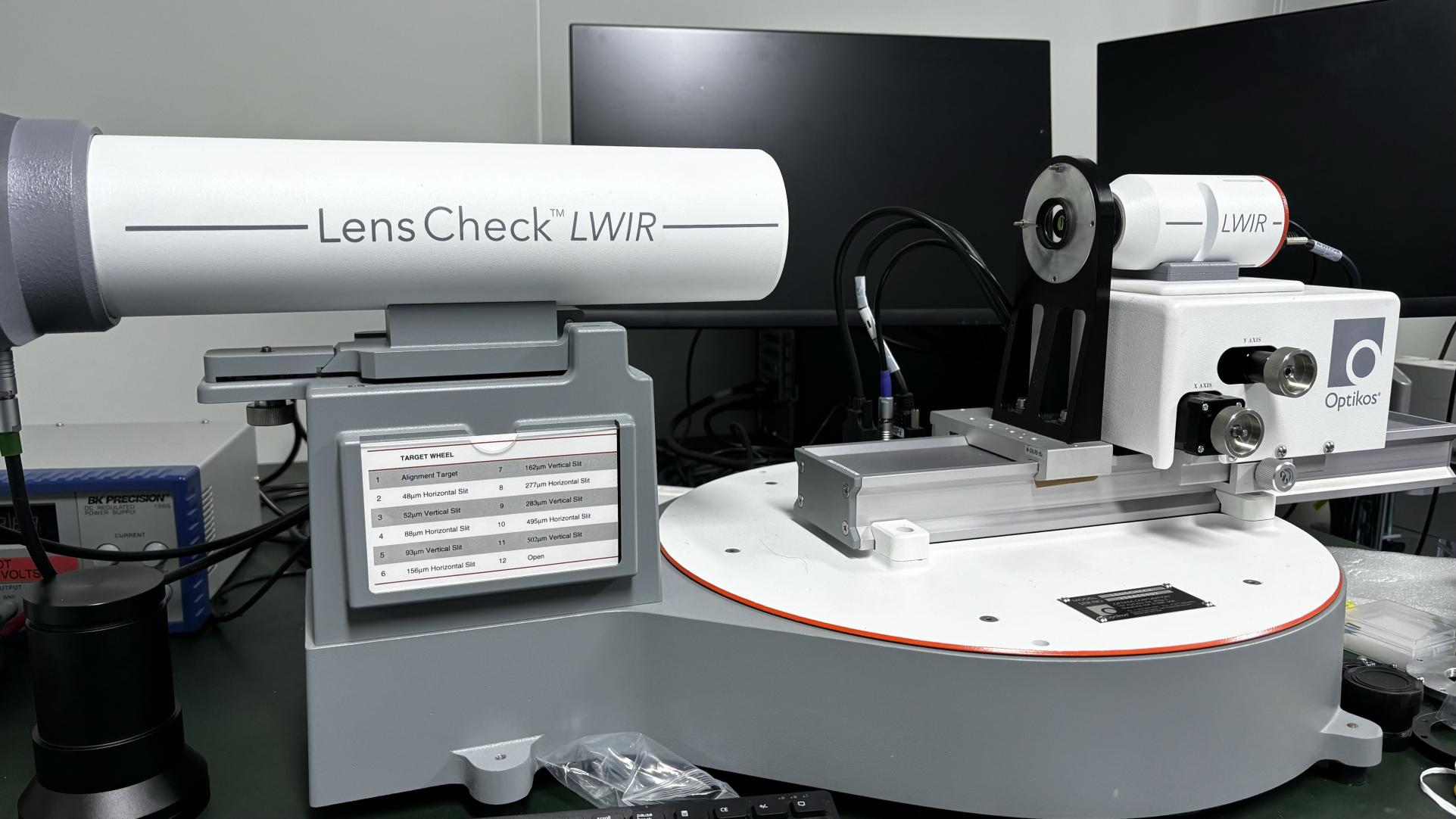
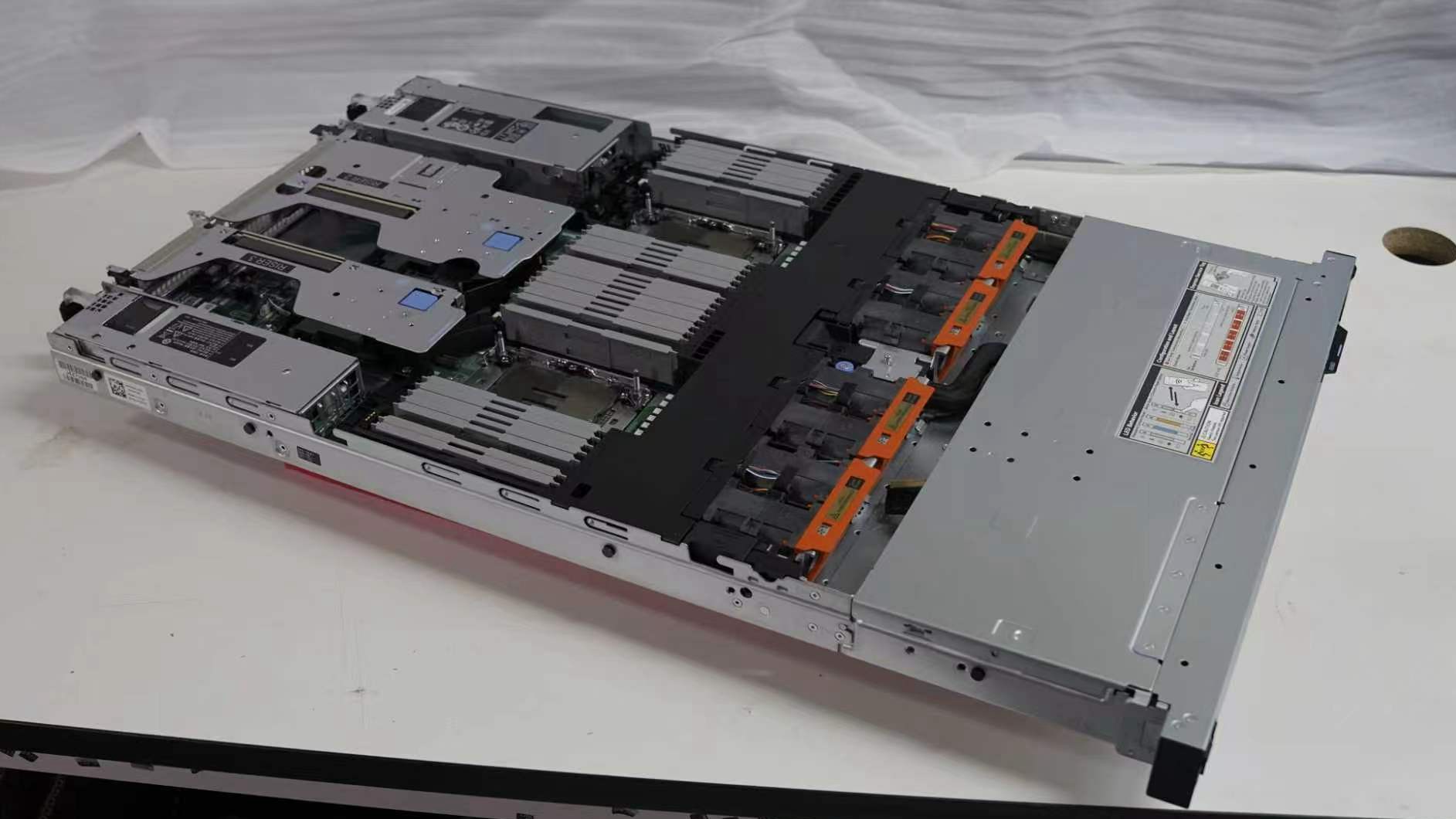
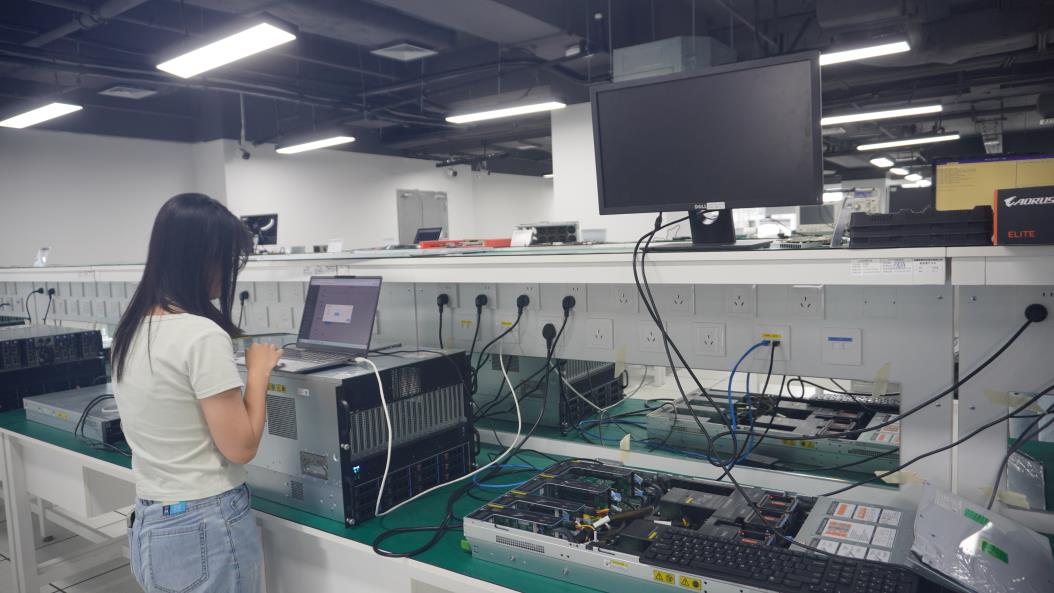
Aligning manufacturing outputs with local market specifications and international telecom standards.
All dome fiber optic closures are tested to IEC 61300 standards, which verify structural performance under repeated temperature changes, impact, vibration, and water immersion. Adhering to ITU-T L.13 recommendations ensures compatibility with existing global network systems.
We choose raw materials that respect environment-first policies. Fibronexa closures conform fully to EU RoHS (Restriction of Hazardous Substances) and REACH directives, ensuring they are free from harmful heavy metals and chemical components.
To help regional telecom operators, our engineering team works with local testing labs to secure custom certificates, verify compatibility, and optimize installation methods for specific environmental conditions.
Critical parameters to verify when sourcing dome fiber closures from China to ensure reliable, long-term network performance.
Network reliability depends on selecting the right physical hardware. Procurement managers should focus on these five essential technical details during their vetting process:
Expert answers to common engineering, installation, and procurement questions.
Dome closures (vertical design) offer superior water resistance for underground and manhole installations because the single sealing gasket is placed at the base, reducing exposure to direct water pooling. Horizontal closures are generally better suited for aerial or shallow hand-hole installations where space is limited but easy access is required.
Macro-bending loss happens when optical fibers are bent beyond their minimum bend radius, causing light to leak from the core. This is avoided by using splice trays designed to maintain a bending radius of 30mm or more, and by using routing channels that secure the fiber without compressing or pinching it.
Extreme temperature changes cause materials to expand and contract. Standard closures can develop leaks if their seals become brittle in cold weather or soft in hot conditions. Our closures use vulcanized silicone and high-performance mechanical gel seals, which maintain their elasticity and sealing performance from -40°C to +65°C.
Yes. Our dome closures feature a specialized oval port at the base that allows an uncut loop of buffer tube or ribbon cable to be stored safely inside the housing while specific fiber pairs are spliced out to drop lines.