Fibronexa
Fibronexa
Fibronexa
In modern industrial and commercial environments, the demand for uncompressed, zero-latency High-Definition Multimedia Interface (HDMI) signal transmission has experienced exponential growth. Traditional HDMI cables suffer from severe attenuation over distances exceeding 10 meters, rendering direct copper cables useless for massive command centers, modern medical suites, and corporate conference systems. Consequently, HDMI Extender technology—transmitting high-fidelity audio and video data over single Cat5e/6/7 copper cabling or high-bandwidth single-mode and multi-mode optical fibers—has become the industry baseline.
The rapid transformation of data architectures toward Ultra-High Definition (UHD), including 4K at 120Hz and 8K at 60Hz, has forced hardware engineering to evolve. System designers must now implement sophisticated signal modulation algorithms (such as HDBaseT, SDVoE, or proprietary JPEG2000-based IP configurations) to distribute multi-channel AV streams. Ensuring the physical transport layer remains free from electro-magnetic interference (EMI) and signal jitter requires premium optical and magnetic connection interfaces. This is where advanced manufacturing practices in China step in, matching components with finished OEM hardware to solve high-frequency attenuation issues.
By leveraging SDVoE algorithms and 10G optical modules, modern extenders achieve sub-millisecond latency for critical real-time surveillance, broadcast monitoring, and esports arenas.
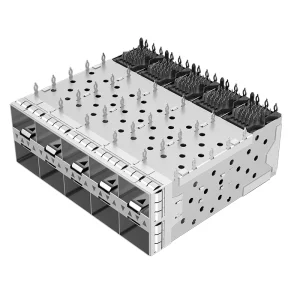
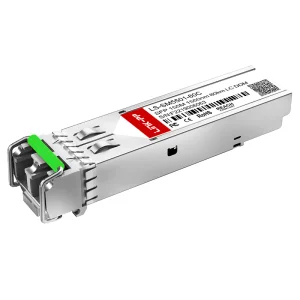
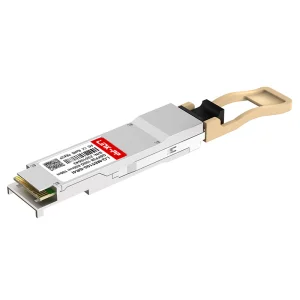
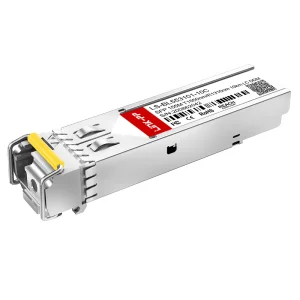
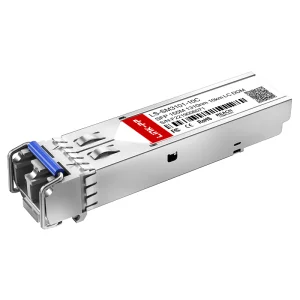
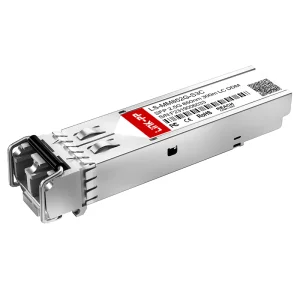
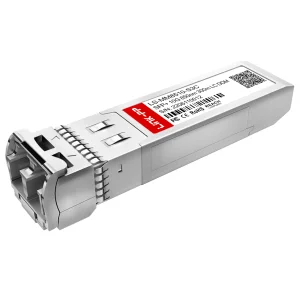
Utilizing high-performance SFP transceivers, HDMI Over Fiber systems transmit signals up to 80 kilometers with complete immunity to high-voltage grid electromagnetic interference.
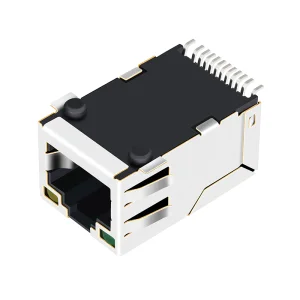
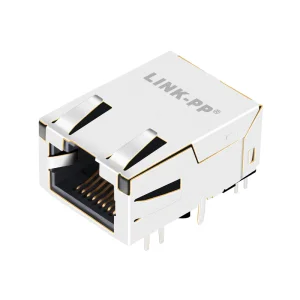
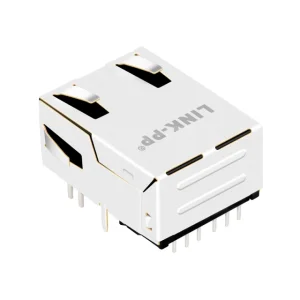
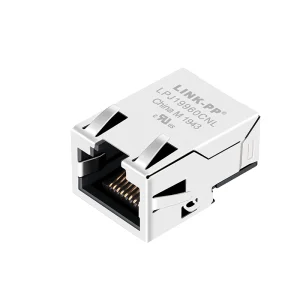
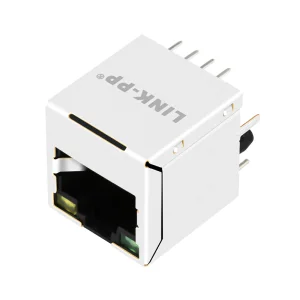
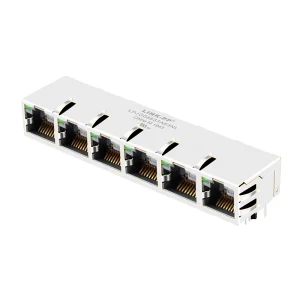
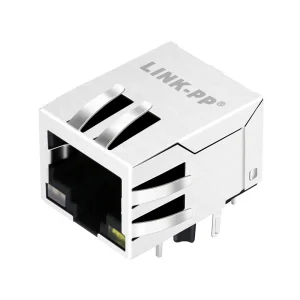
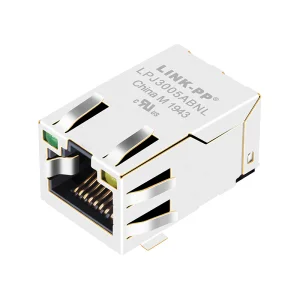
Using magnetic modular RJ45 connectors with integrated Power over Ethernet (PoE) functionality, receivers operate reliably without needing localized external power units.
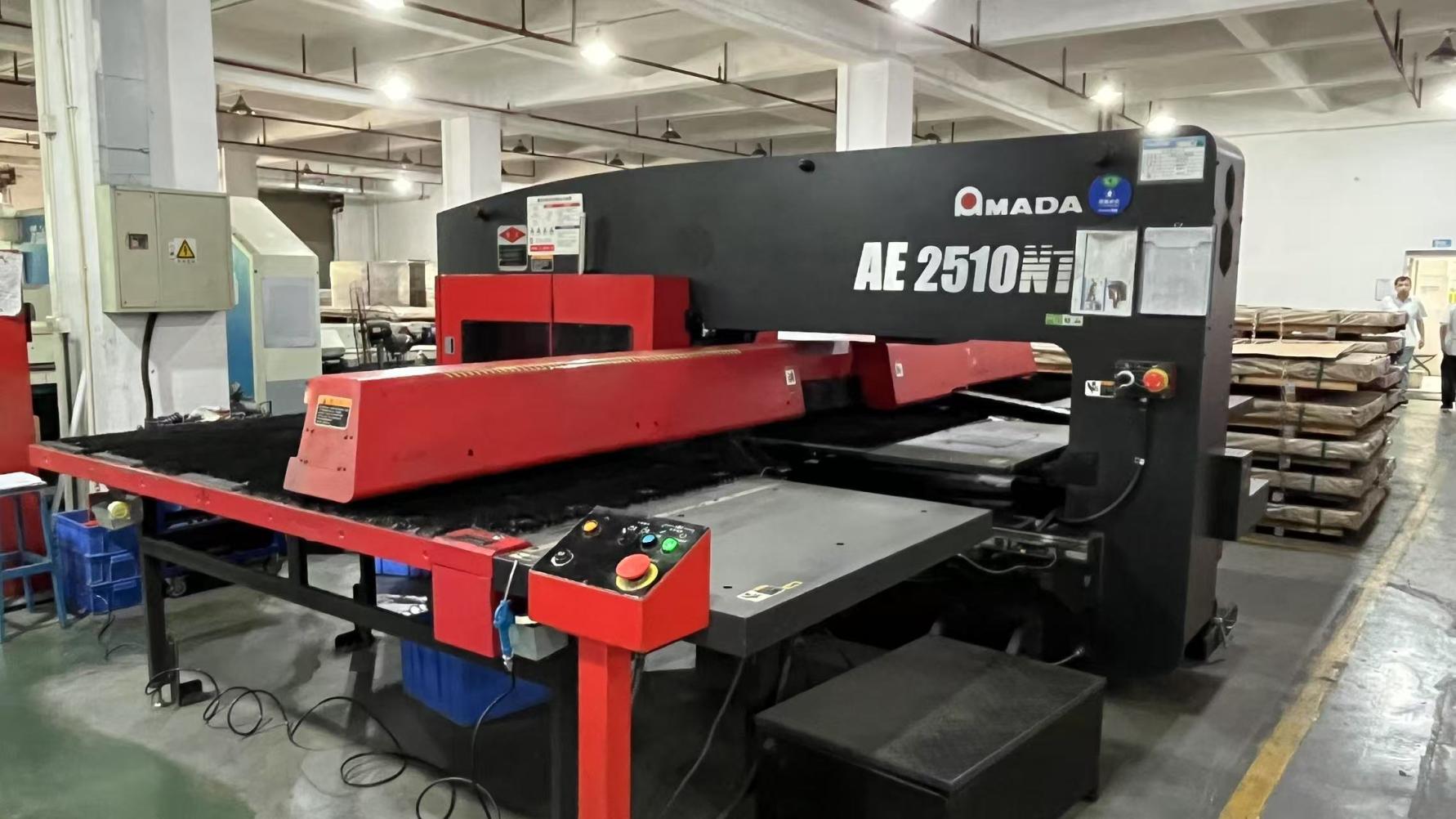
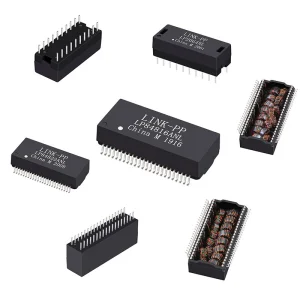
Established in 2016, Fibronexa Communications Co., Ltd. has established itself as an engineering powerhouse in the high-speed optoelectronic and connectivity components sector. Fibronexa specializes in high-speed optical transceivers, magnetic RJ45 connectors, and discrete components that form the backbones of premium HDMI-over-IP and HDMI-over-Fiber extension devices. Our modern production facility covers approximately 320㎡ and runs fully automated assembly procedures designed to maximize throughput while minimizing physical tolerances.
With an annual export revenue reaching USD 12 million and over 6 years of dedicated global trade operations, Fibronexa supports telecom operators, system integrators, and OEM HDMI Extender manufacturers across North America, Europe, and Asia. Our capability to design custom component pathways enables engineers worldwide to build extenders capable of running 4K/8K uncompressed streams continuously under harsh environmental conditions.
Procurement departments in multinational organizations, medical institutions, and high-security defense networks do not merely buy consumer products; they source reliable, long-term infrastructure. When selecting an HDMI Extender factory partner in China, senior technical buyers focus on several complex parameters:
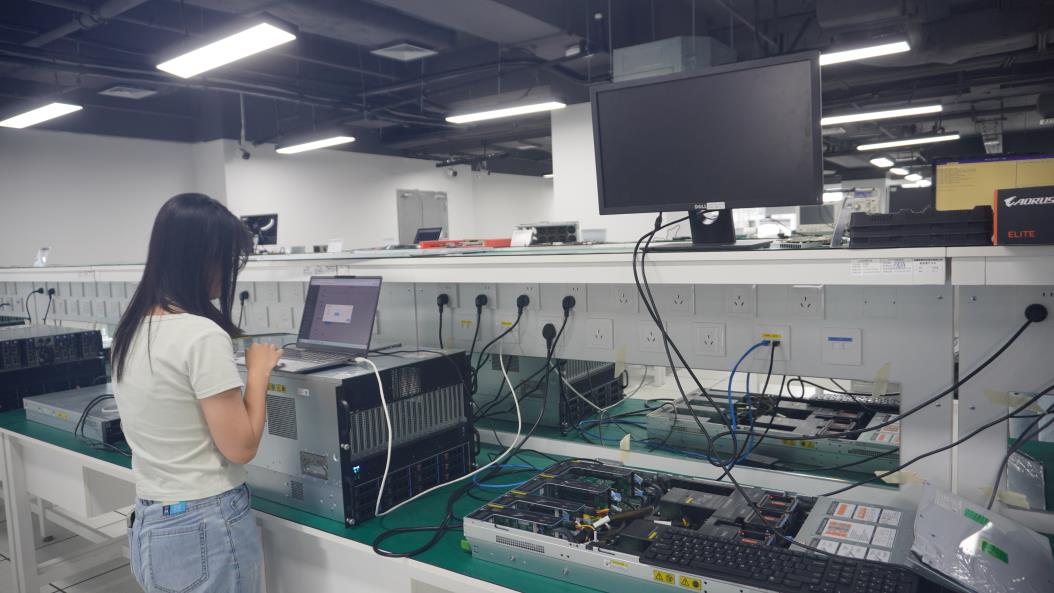
100% Performance Loopback Tests & Environmental Stress Screening
The strength of a premier Chinese manufacturer lies in its ecosystem. Fibronexa works alongside a strategic network of more than 1,200 upstream and downstream partners. This allows us to source raw plastics, precision alloys, magnetic cores, and high-frequency chipsets at scale, avoiding supply bottlenecks.
By automating the mounting processes of discrete magnetic transformers and structural elements, we maintain tight production cycles. In 2023 alone, our production lines launched approximately 120 new products, proving that rapid prototyping and industrial flexibility can coexist with strict quality standards.
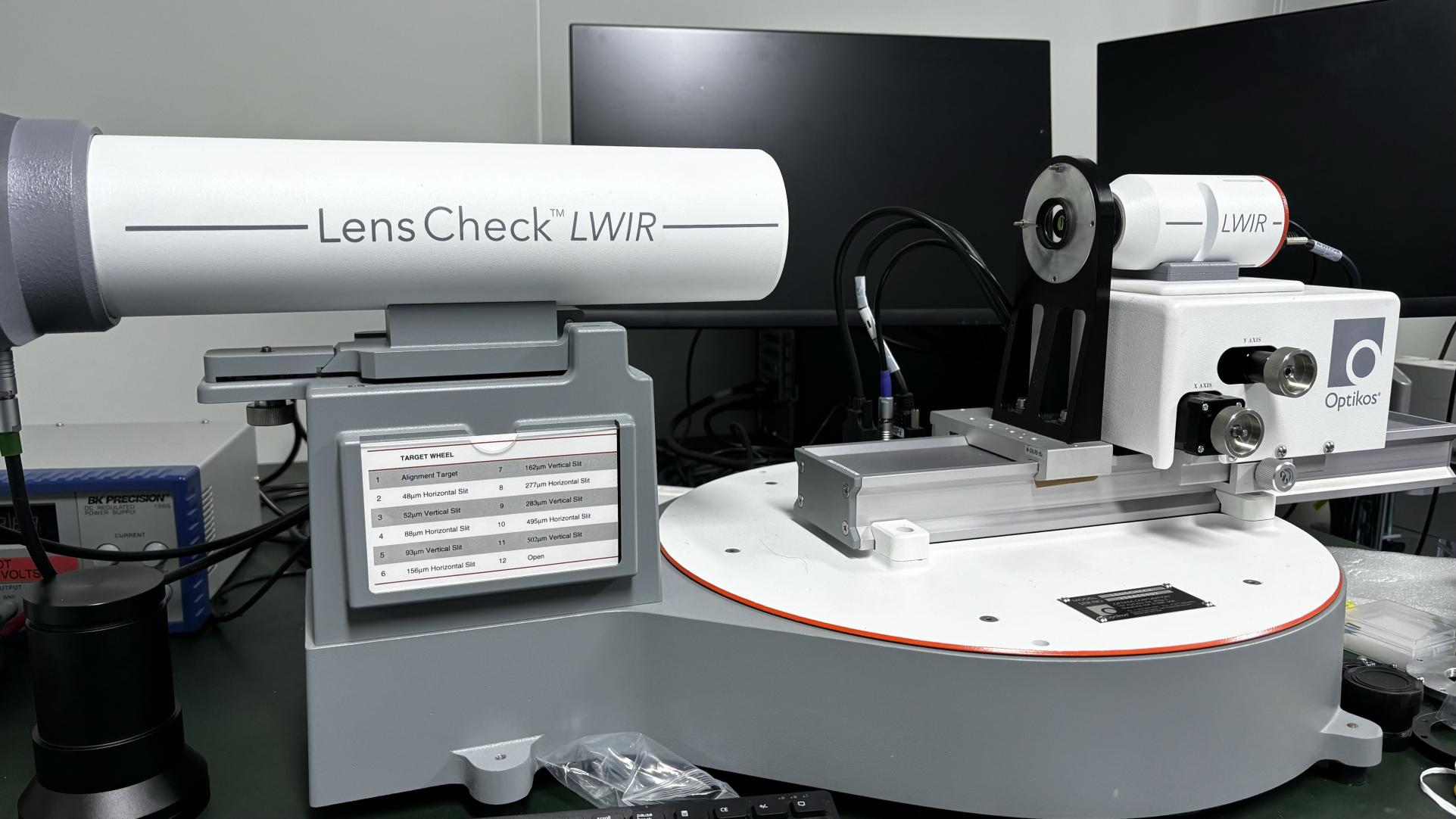
Our quality control program employs automated optical inspections (AOI) alongside automated network analyzer testing. These processes check signal eye-diagrams, insertion losses, return losses, and EMI shielding limits. This keeps our defect rates below 100 parts per million (PPM), giving our clients a strong market advantage.
Modern surgical suites require lag-free video streams from high-definition endoscope cameras to multiple displays. Using fiber-optic HDMI extensions prevents electric current loops, satisfying medical electrical safety regulations (IEC 60601-1).
Multi-screen video walls require constant uptime and lag-free source switching. Deploying HDMI extenders over structured Cat6 cables allows operators to separate workstation hardware from the display interfaces, keeping systems cooler and easier to maintain.
Airport and railway status boards run round-the-clock over large areas. Extenders equipped with integrated PoE run both data and power over a single cable, which reduces installation and structural wiring costs.
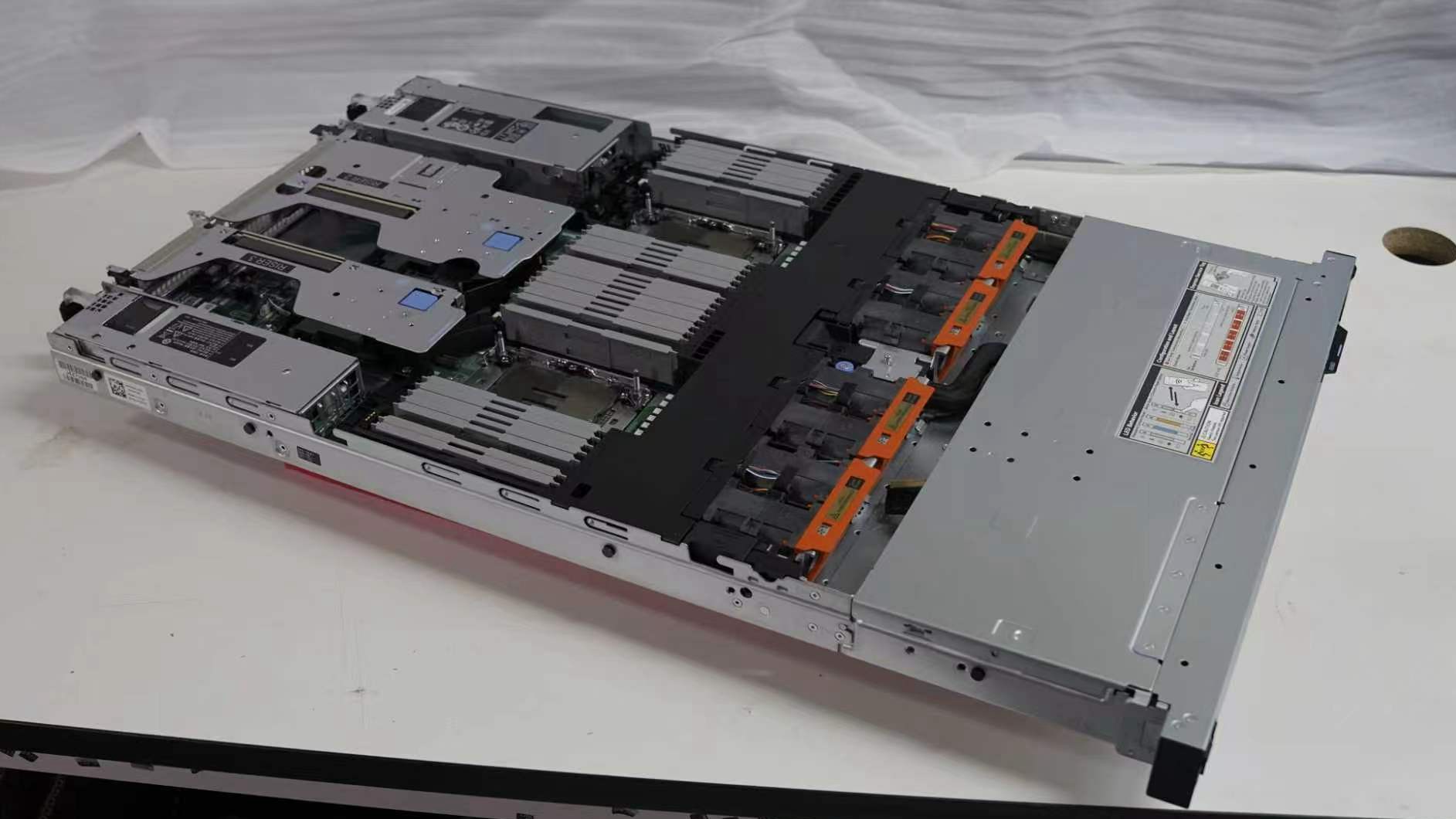
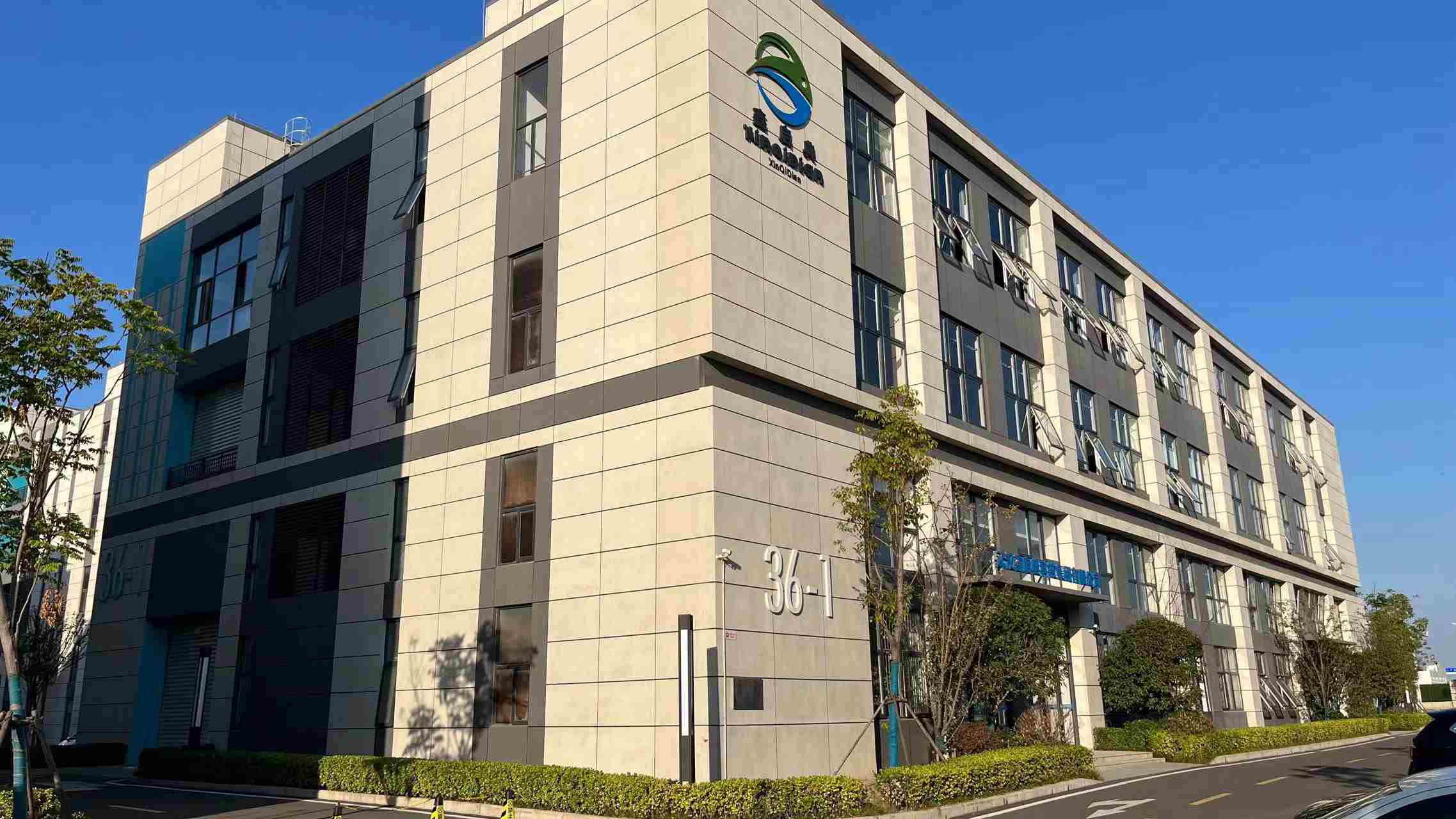
Take a look inside our ISO 9001-certified fabrication and cleanrooms. We utilize specialized surface-mount technology (SMT) machines and precision optical testing tools to manufacture and verify every component.