Fibronexa
Fibronexa
Fibronexa
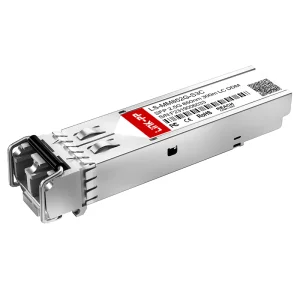
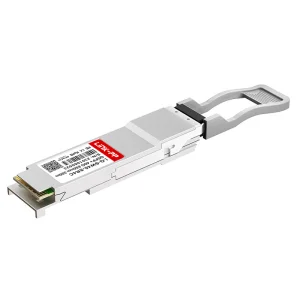
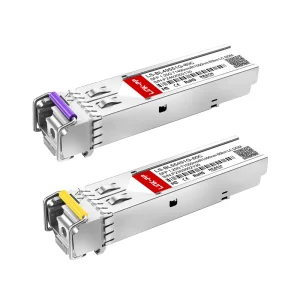
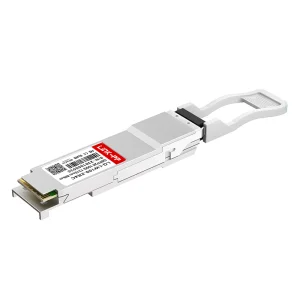
Established in 2016, Fibronexa Communications Co., Ltd. (also recognized under Fibronexa Optical Transceiver Manufacturer) operates as a leading player in optical transceiver manufacturing and complex hardware design for data transmission systems. With over 10 years of accumulated industry experience and 6 years of international market exposure, the company specializes in custom solutions for telecom operators, global enterprise data networks, and industrial computing clusters.
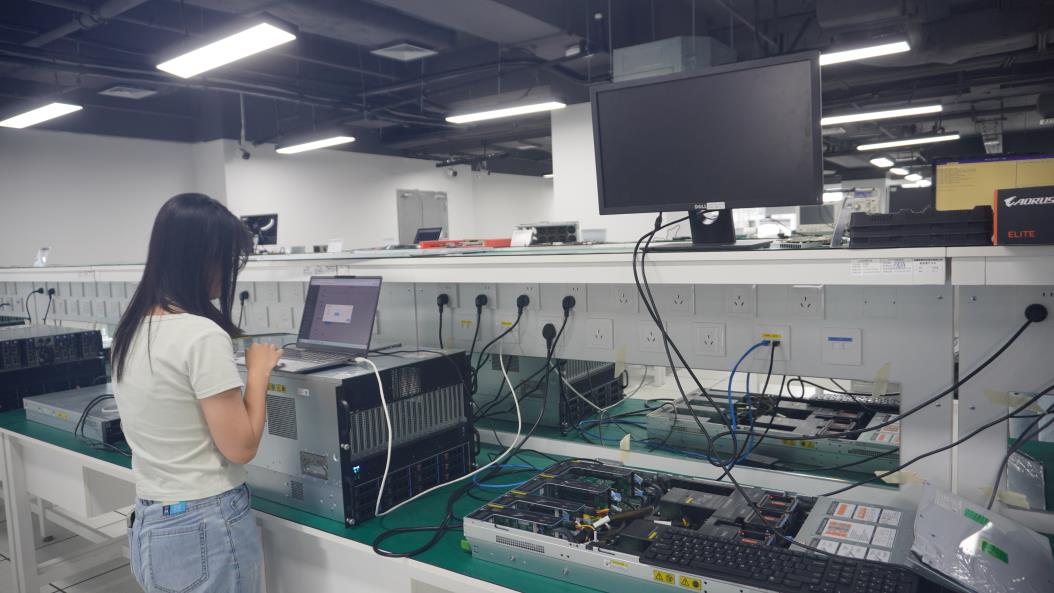
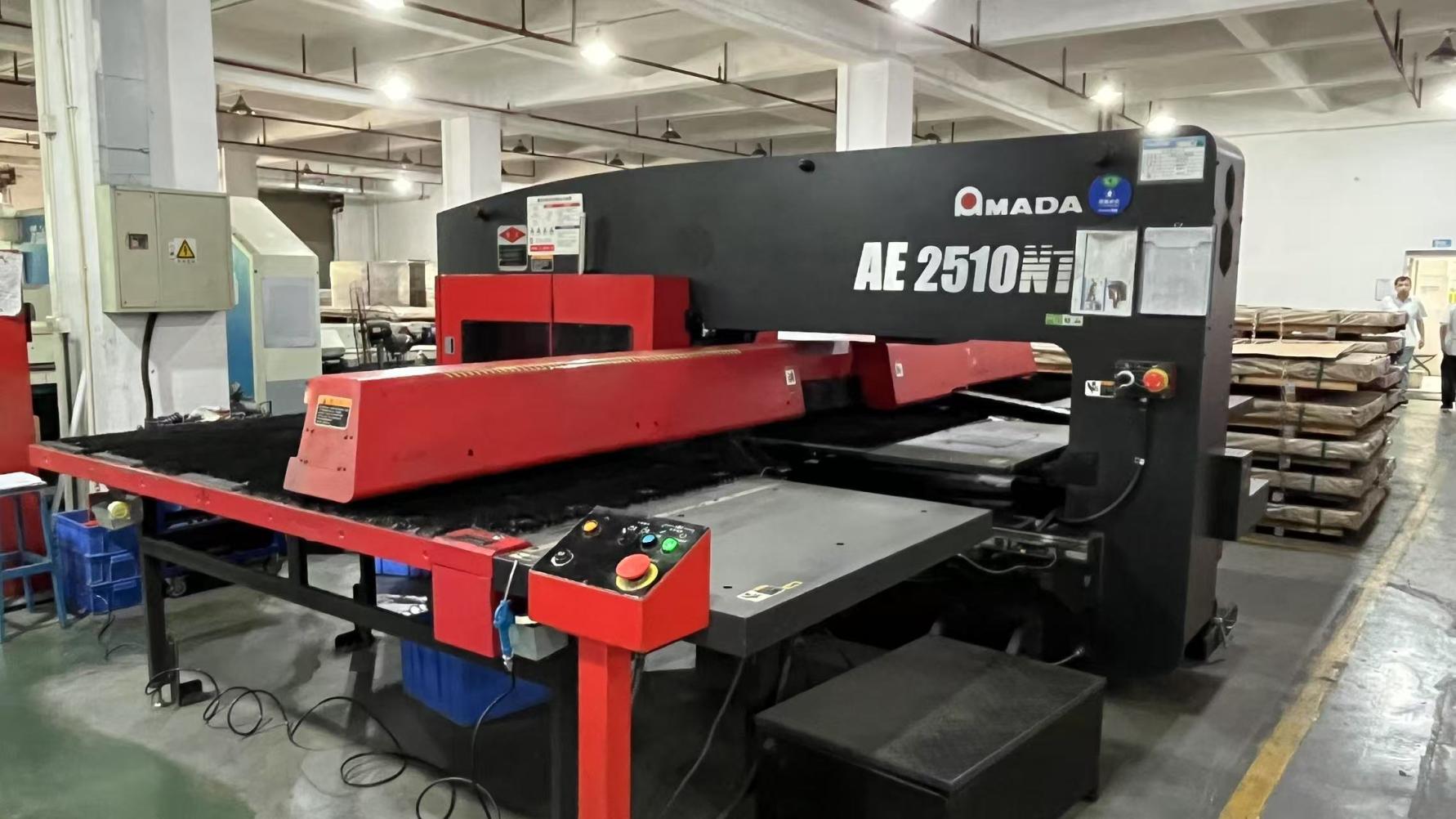
Operating from a state-of-the-art production facility, Fibronexa integrates high-precision Surface Mount Technology (SMT), clean-room assembly lines, and high-performance testing stations. Generating an annual export volume of approximately USD 12 million, our supply network supports international custom requirements for network hardware, delivering high-speed optical transceivers, LAN transformer modules, and specialized Ethernet connectors.
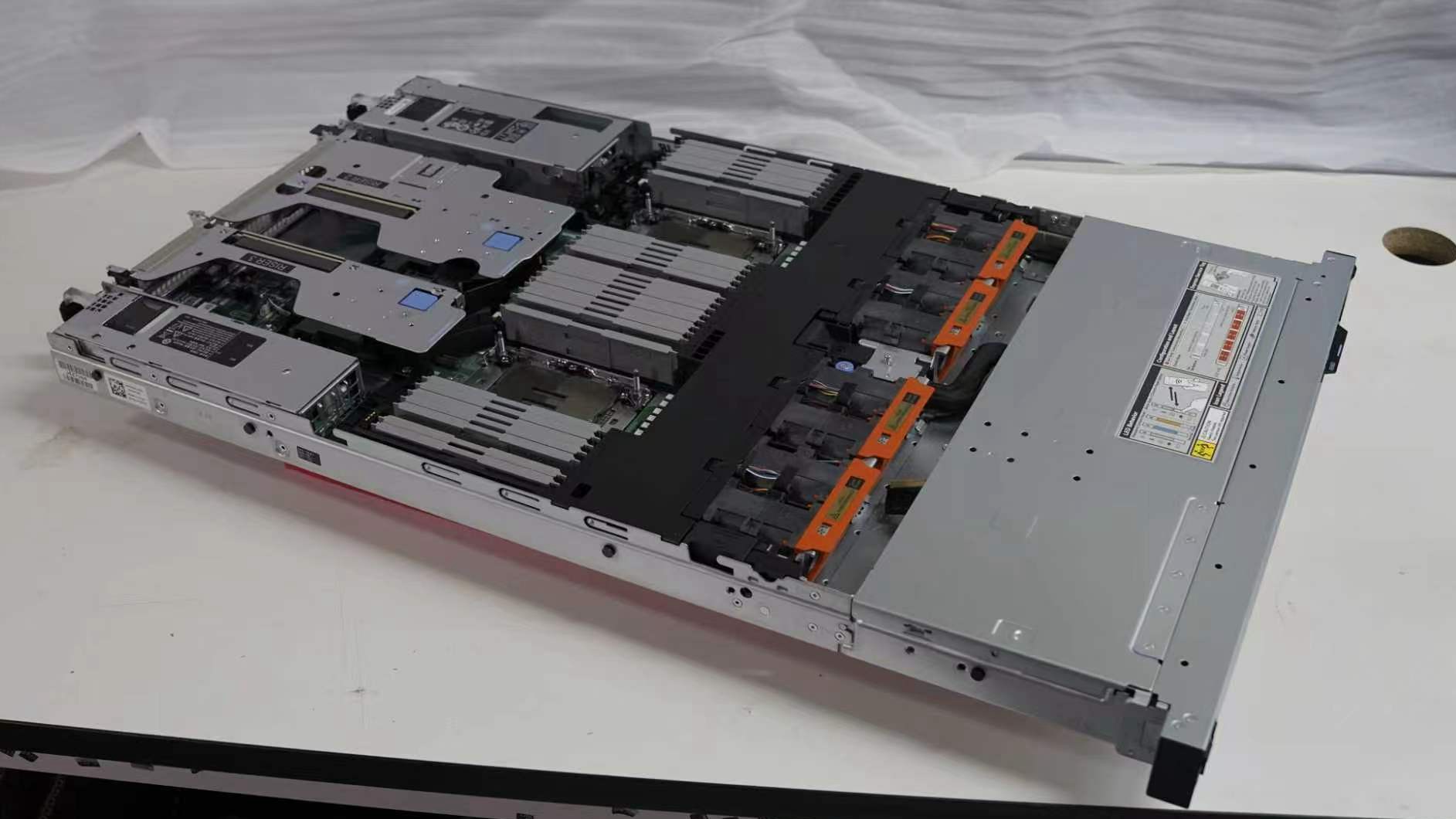
Modern Network Interface Cards (NICs) serve as the hardware foundation of server network communication, translating software-defined OS instructions into physical electrical or optical signals. As transmission rates jump from 10G/25G to 100G/400G and beyond, the physical design and signal integrity requirements of NIC interfaces demand strict component parameters:
| Component Group | Technical Characteristics | Primary Functions | Critical Parameters |
|---|---|---|---|
| MAC & PHY Controllers | ASIC silicon, packet processing offloads (LSO, LRO, RSS), low latency. | Translates logical MAC-layer data into physical transmission states. | PCIe Gen 4/5 Lane count, Power Dissipation < 3.5W. |
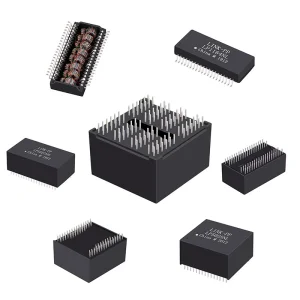
| LAN Transformer Modules | Toroidal magnetic cores, common-mode choke integration, galvanic isolation. | Provides 1500V electrical isolation and mitigates electromagnetic interference (EMI). | Insertion Loss < -1.1dB, Return Loss > 16dB (at 100MHz). |
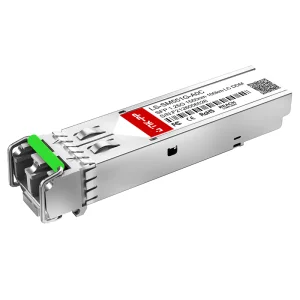
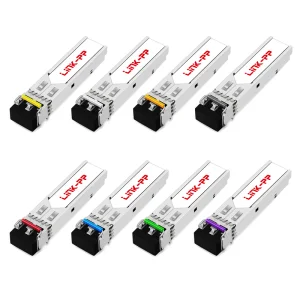
| Optical Transceivers (SFP/QSFP) | VCSEL/DFB lasers, PIN-TIA detectors, duplex LC/MPO optics. | Enables long-distance transmission over Single-Mode or Multi-Mode Fiber. | Wavelength (850nm/1310nm/1550nm), Extinction Ratio > 3.5dB. |
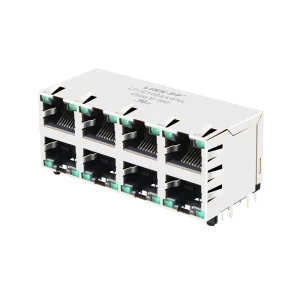
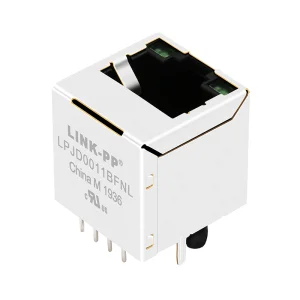
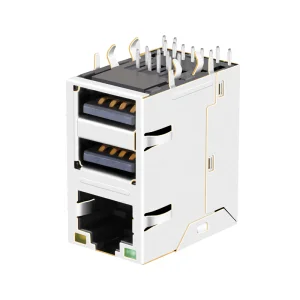
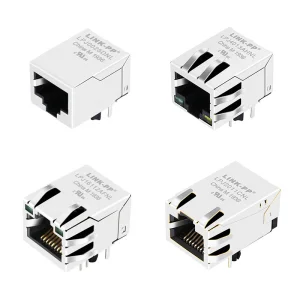
| Shielded Connectors (RJ45/PoE) | Multi-port vertical/horizontal configurations, gold-plated contacts. | Establishes physical physical-layer connection with Cat5e/Cat6a copper cabling. | Contact Resistance < 30mΩ, LED integration, PoE/PoE+ capability. |
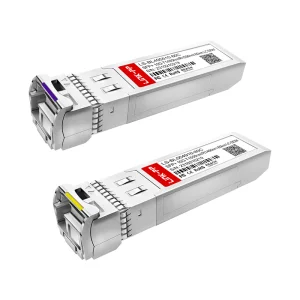
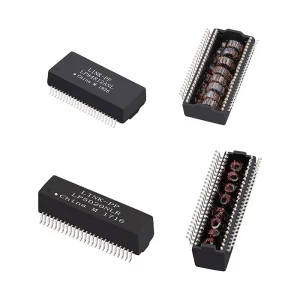
In gigabit-speed applications, LAN Magnetic Transformers (such as the HN4265VG and HST-0042SCR series) play a critical role in decoupling direct current noise between the host PHY and external cabling, ensuring clear signal waveforms even across runs up to 100 meters. For optical paths, our BiDi SFP Modules use Wavelength Division Multiplexing (WDM) to double data capacities over single fibers, keeping deployments flexible and cost-effective.
Enterprise and telecom markets are driving the migration to higher network speeds. Hyperscale data centers require high-density interconnect designs, leading to a shift from legacy gigabit systems to 25G, 40G, and 100G architectures. Industrial settings add extra challenges, demanding components that can withstand wide temperature swings and intense electromagnetic interference (EMI).
To meet these demands, Fibronexa manufactures a comprehensive range of hardware:
Modern architectures utilize top-of-rack switch systems requiring low latency and high port densities. Utilizing QSFP28 100G ZR4 modules and high-speed multi-mode transceiver interfaces enables reliable, high-throughput communication across server rows, minimizing cross-talk and thermal challenges.
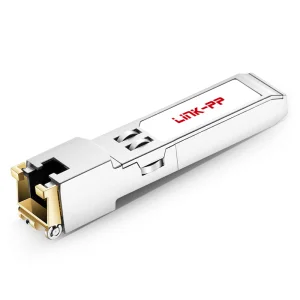
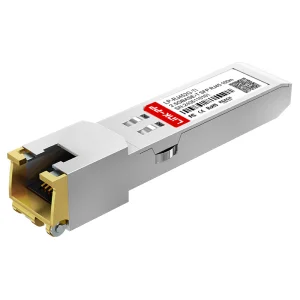
Factory environments involve wide temperature swings and heavy EMI from motors and machinery. Implementing industrial-grade SFP Copper RJ45 Transceiver modules (capable of operating from -40°C to +85°C) ensures reliable network performance and system durability on the factory floor.
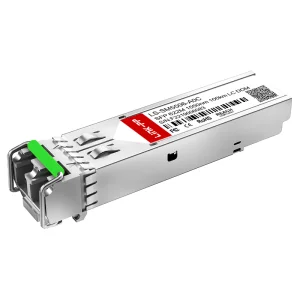
Serving vast urban residential markets requires cost-effective optical distribution. Deploying 1G/10G BiDi SFP transceivers over single-mode fiber links allows municipal telecom operators to maximize throughput over existing optical fiber infrastructures up to 80km.
These specialized setups demand network adapters and components that maintain high signal-to-noise ratios. By pairing physical connector shielding with tailored optical parameters, Fibronexa components assist integration teams in upgrading enterprise systems with minimal component mismatch.
The data communications market continues to push toward 400G and 800G optical networking. As transmission frequencies rise, manufacturing relies heavily on automated production systems, precision laser alignment, and advanced signal integrity testing to maintain quality at scale.
Fibronexa's development roadmap targets key trends in next-generation high-speed networks:
Accelerating development of high-density 100G QSFP28 ZR4 modules and multi-port PoE magnetic connectors. These designs aim to reduce layout footprints on client server system boards while maintaining optimal thermal dissipation.
Transitioning to Co-Packaged Optics (CPO) and silicon photonics architectures. Integrating optical transceivers closer to the core switch silicon reduces trace lengths, mitigates parasitic capacitance, and lowers power consumption per gigabit.
Fibronexa's manufacturing footprint benefits from deep integration with core electronics and materials supply chains. This localized ecosystem ensures ready access to high-quality copper windings, custom shielding alloys, precise injection-molded plastics, and domestic semiconductor components.
By sourcing raw components locally, the factory reduces lead times and insulates client operations from global shipping volatility. Maintaining relationships with more than 1,200 upstream component suppliers allows production lines to scale dynamically to meet large-volume orders.
This supply chain depth also enables comprehensive custom OEM/ODM services. Client engineering teams can customize transceivers and modular jacks for specialized needs, matching optical wavelengths, connector layouts, and structural shielding to their target applications.

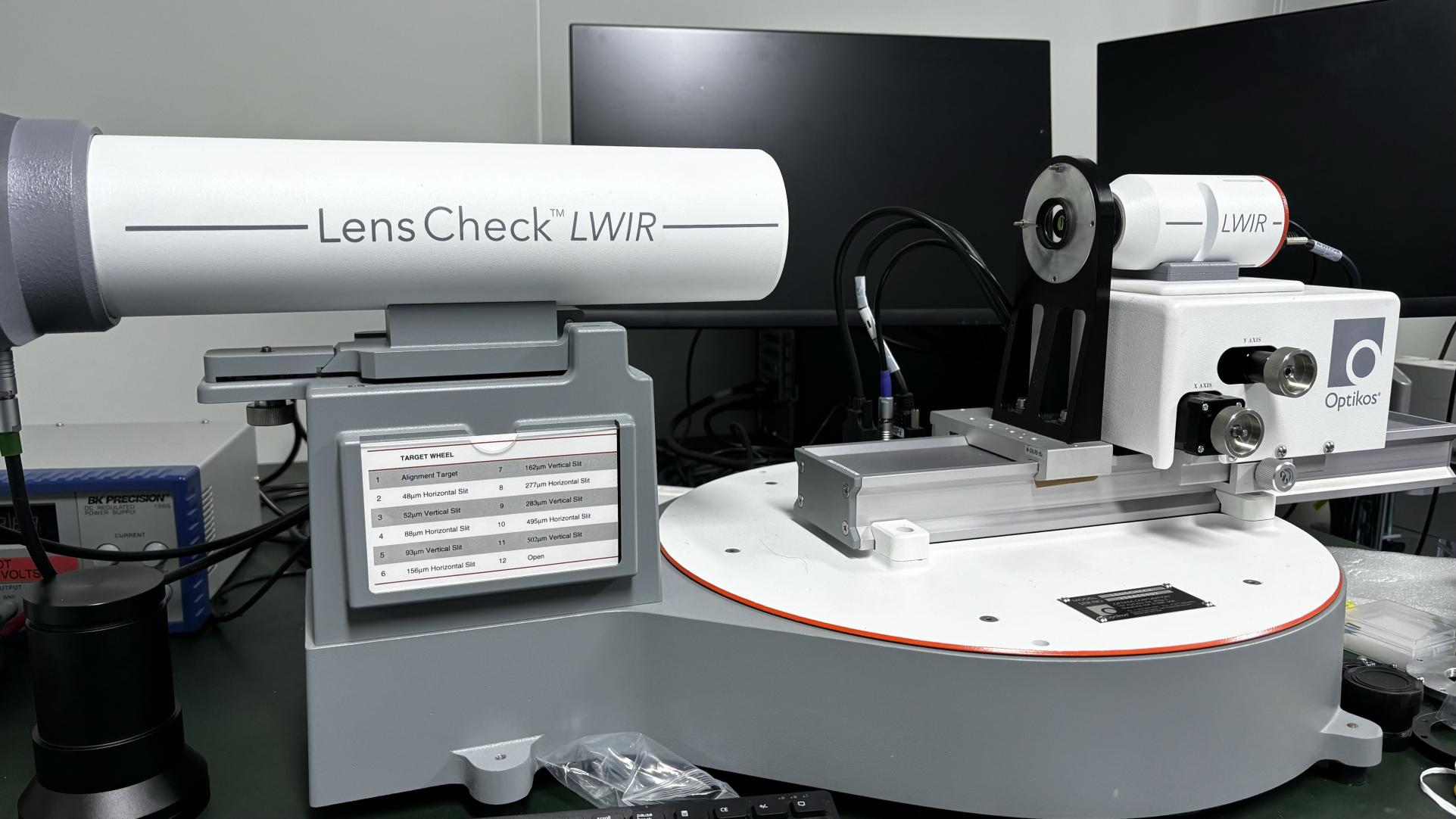
To ensure compatibility with international network architectures, all Fibronexa products undergo rigorous inspection and testing. Our quality control processes verify optical performance and mechanical durability before shipment.
All high-speed transceivers undergo automated eye diagram analysis to verify optical signal amplitude, extinction ratios, and jitter control, ensuring reliable data transmissions.
Each magnetic transformer batch is verified to withstand high voltages (1500VAC/60s minimum), protecting downstream server PHY chips from network line surges.
Components designed for outdoor or industrial environments undergo thermal cycling and humidity chamber testing to ensure stable field operation over long lifecycles.
Fibronexa products comply with CE, FCC, RoHS, and REACH guidelines, simplifying integration into regulated systems in Europe, North America, and the Asia-Pacific region.