Fibronexa
Fibronexa
Fibronexa
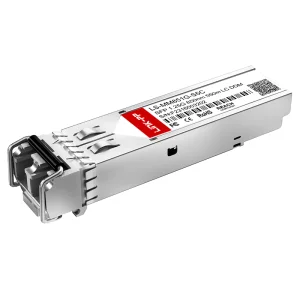
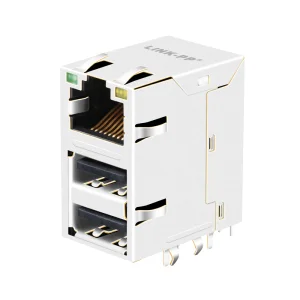
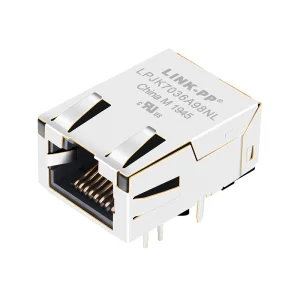
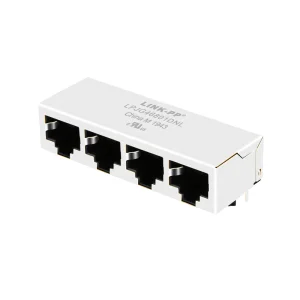
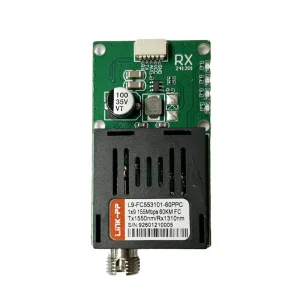
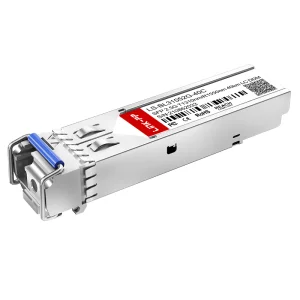
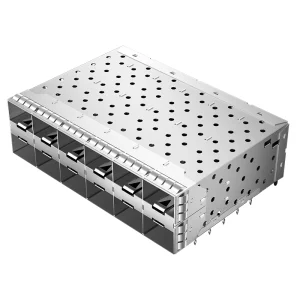
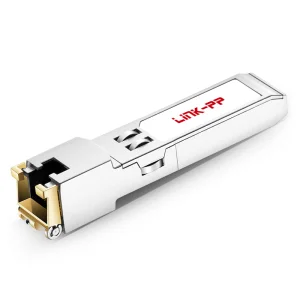
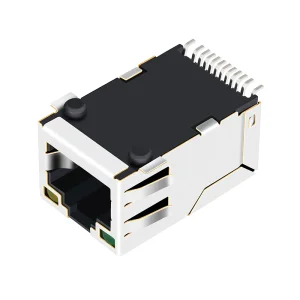
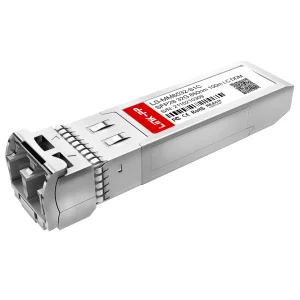
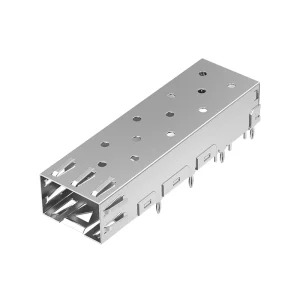
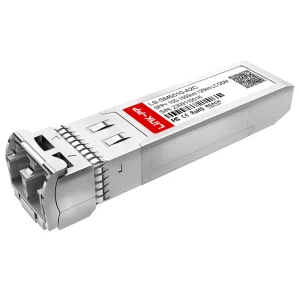
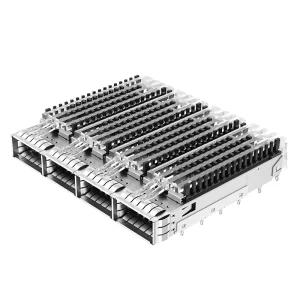
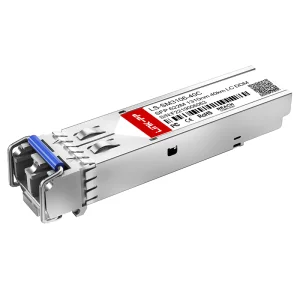
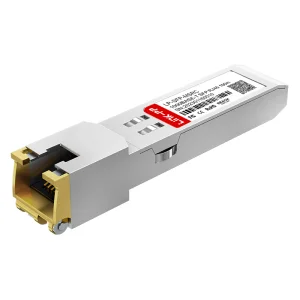
As an integrated network solution provider, we bridge the gap between structured copper cabling and high-speed active optical transmission systems. Discover our top-tier SFP modules, RJ45 stacked jacks, and press-fit cages engineered to complement Category 6 architectures.
In today's complex enterprise environments, networking demands cannot be met by optical fibers or copper cables alone. A modern system relies heavily on the integration of high-quality copper lines for short-range local distributions (e.g., Cat6 Ethernet links) and optical transceivers for long-distance backbone paths.
Establishments require structured cabling setups that minimize latency and crosstalk. Under the manufacturing umbrella of Fibronexa Communications Co., Ltd., we bring over 10 years of industrial expertise in signal transmission physics. Our R&D team of 85 engineers designs hybrid network elements that maintain signal integrity across both optical transceivers and Cat6 structural channels, achieving unified transmission profiles.
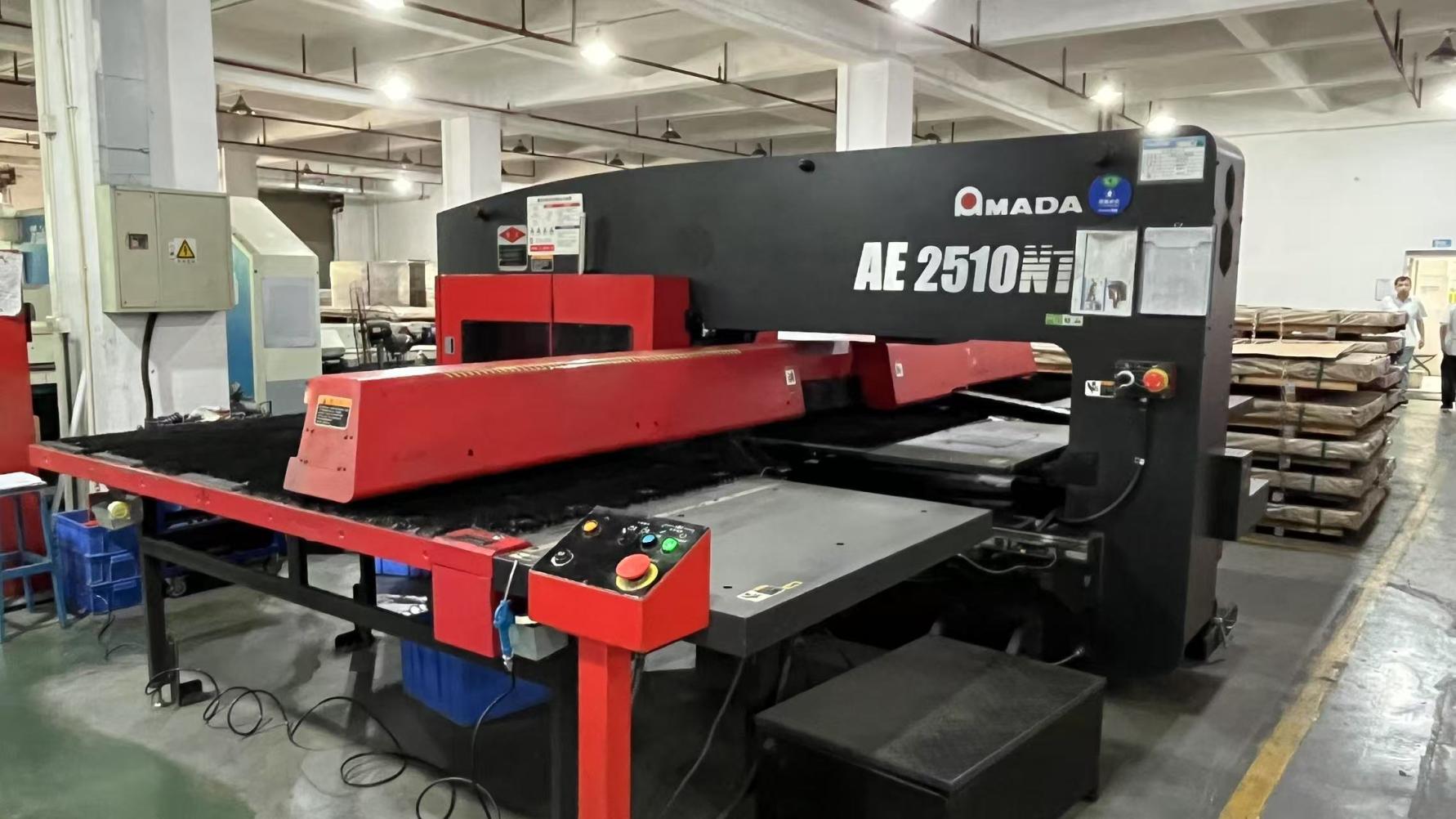
Understanding the exact parameters of Category 6 (Cat6) cabling is vital to planning complex network runs in high-density office zones or datacenter floors. Let us look at the core differences in standards to select the optimal transmission type.
| Specification Parameters | Category 5e (Cat5e) | Category 6 (Cat6) | Category 6A (Cat6A) |
|---|---|---|---|
| Max Transmission Frequency | 100 MHz | 250 MHz (Up to 550 MHz extended) | 500 MHz |
| Maximum Data Rate | 1 Gbps | 1 Gbps (10 Gbps up to 55m) | 10 Gbps |
| Max Link Distance | 100 meters | 100 meters (Gigabit speed) | 100 meters (10G speed) |
| PoE Compatibility | PoE (IEEE 802.3af) | PoE / PoE+ / PoE++ (IEEE 802.3bt) | All PoE standards with low heat build-up |
| Internal Shielding Options | U/UTP (Unshielded) | U/UTP, F/UTP, S/FTP (With inner spline) | F/UTP, S/FTP (Individual foil shielding) |
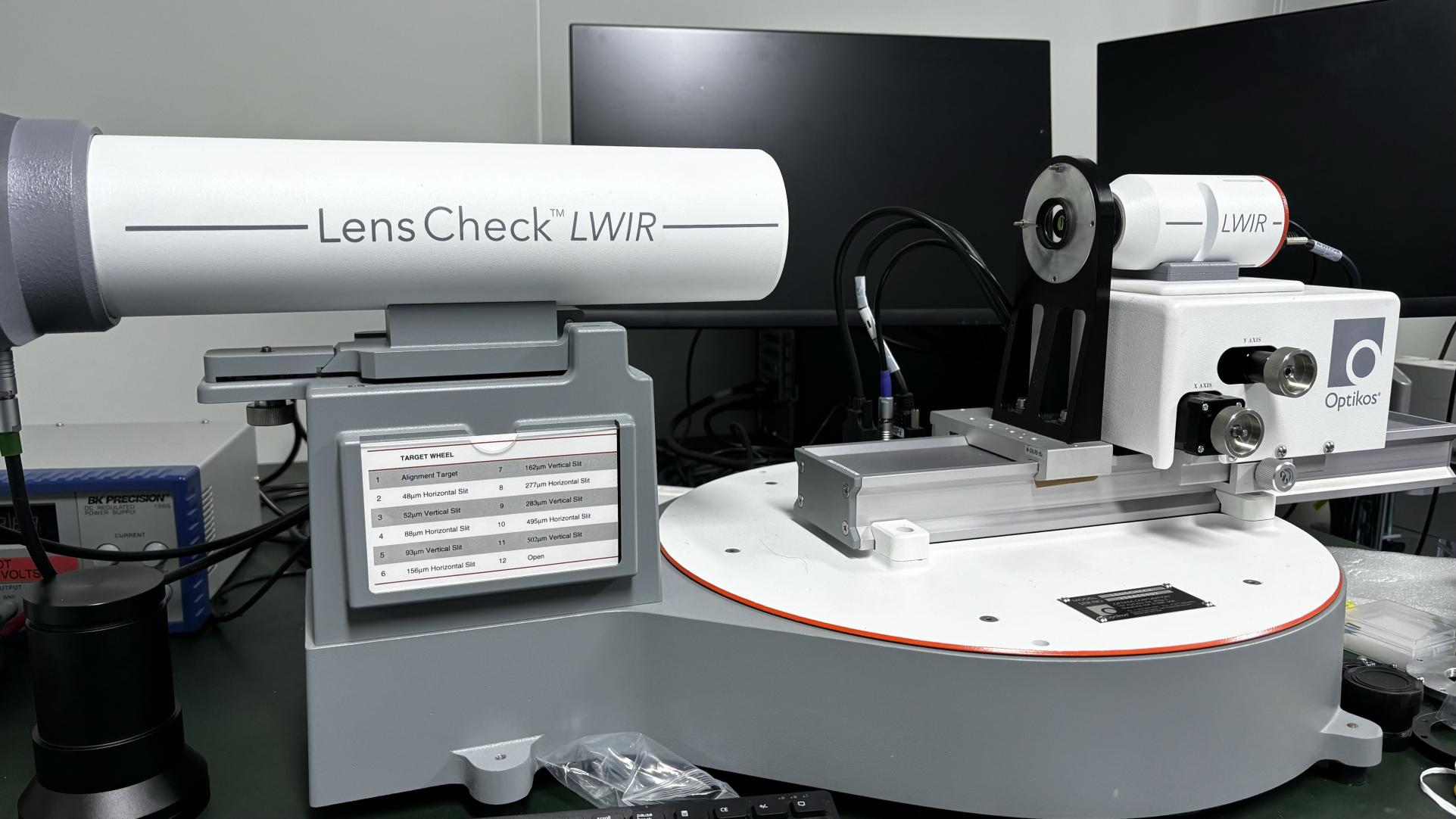
Different regions and settings demand varied specifications for copper cabling. Below are typical use cases for Category 6 layouts in the global market.
Cat6 is the baseline for Smart Building Management Systems (IBMS). It delivers high-speed local data runs and powers VoIP phones, IP cameras, and wireless access points through 802.3at PoE+.
For micro-datacenters requiring 10Gbps interfaces over short runs, Cat6 provides an affordable cabling scheme. This solution links server clusters to copper transceivers within racks.
Using shielded Cat6 configurations (F/UTP or SF/UTP), factories secure stable signal lines against EMI. These links connect PLC units, sensors, and machine vision systems.
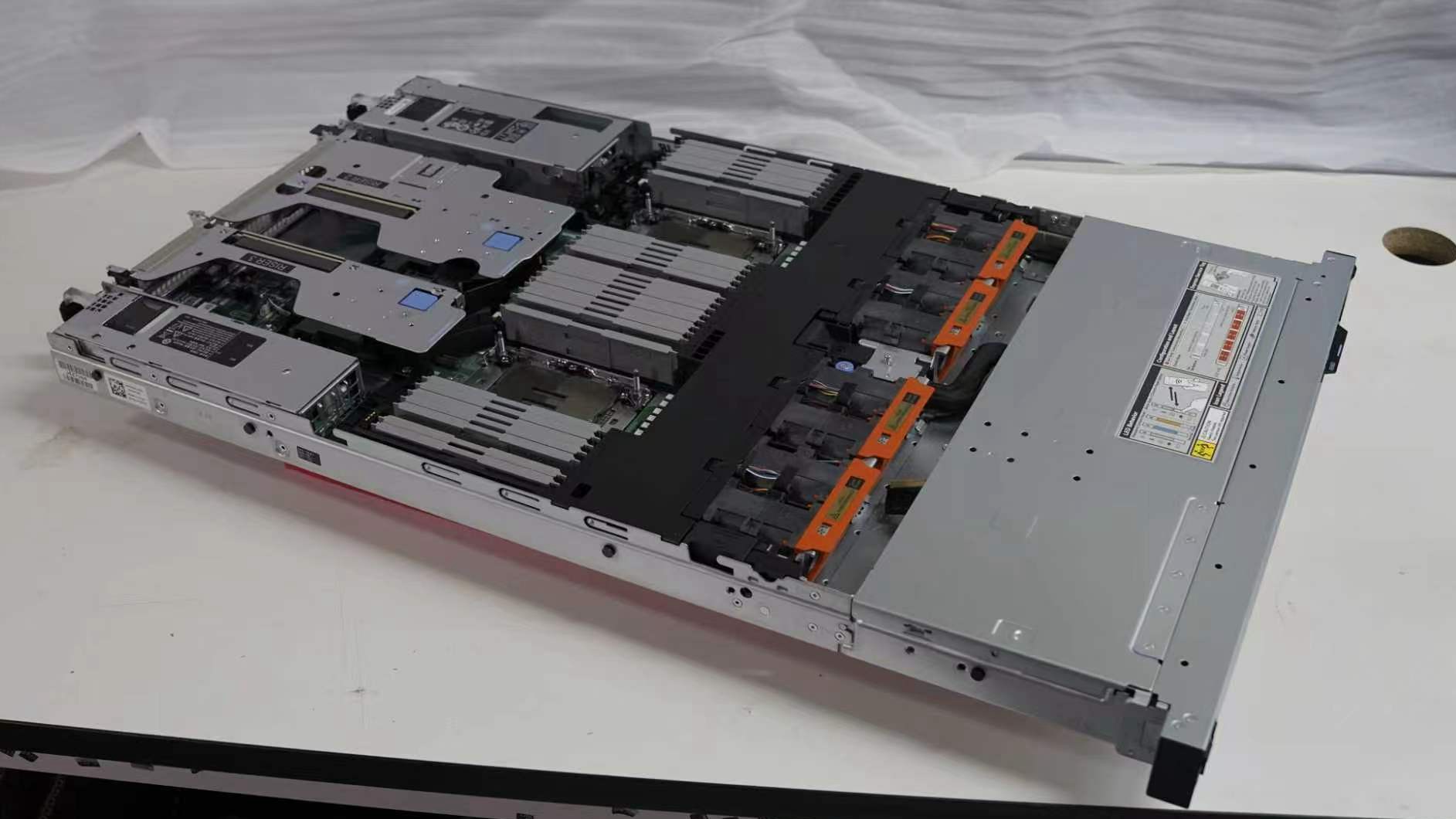
The strength of China's copper cable exporters lies in the integration of raw material supply, processing, and strict QA protocols. Fibronexa Communications Co., Ltd. exemplifies these traits, generating an annual export revenue of around USD 12 million with more than 6 years of global export and 10 years of design experience.
Our logistics model relies on a network of 1,200+ upstream and downstream partners. We secure oxygen-free copper rods and high-performance outer jacket plastics to ensure production runs without delay. From precision wire drawing and twist control to outer extrusion and termination, our automated lines guarantee consistent results.
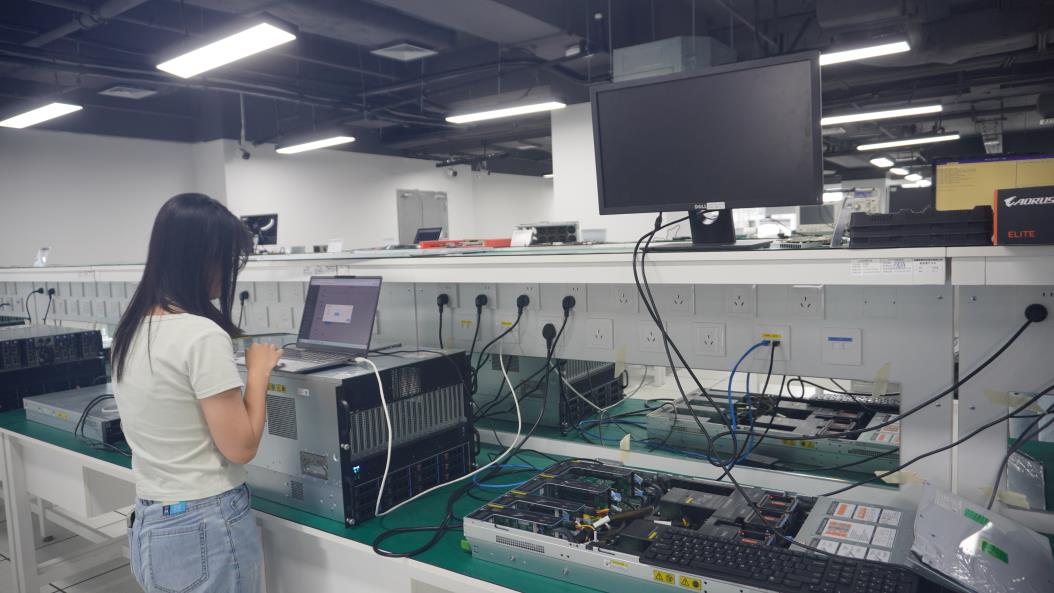
Exporting to markets in North America, Europe, and Asia-Pacific requires meeting strict fire and material safety standards. Standard structured cables must carry certified ratings to meet building codes:
CMP (Plenum): Highly fire-resistant, intended for drop ceilings.
CMR (Riser): Approved for vertical shafts.
CM: Standard commercial grade jacketing.
Our materials comply with RoHS and REACH requirements. This ensures the cables do not contain lead or cadmium, meeting the environmental guidelines of global regions.
Every batch of Cat6 patch cords and bulk reels undergoes 100% Fluke testing (channel and permanent link). This ensures insertion loss and crosstalk remain within normal limits.
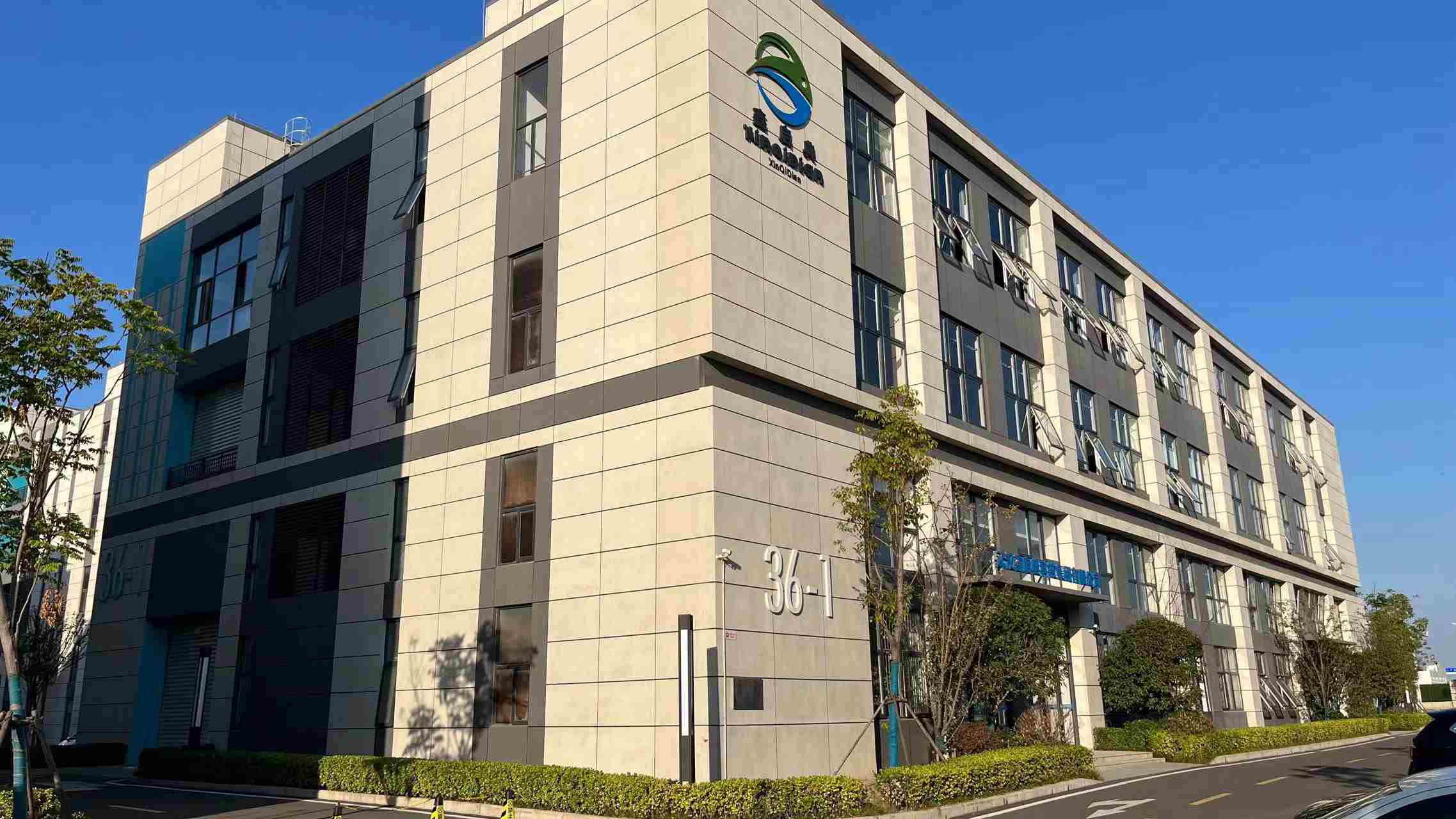
Browse the second half of our hardware catalog, featuring SFP cages, optical transceivers, and high-frequency connectors designed for modern physical network layers.