Fibronexa Fibronexa

How to Choose the Right QSFP56 Transceiver for Your Needs?

Time:2026-07-17 Author:Isabella
0%

Choosing the right QSFP56 transceiver is essential for achieving optimal network performance. In today’s fast-paced digital environment, selecting the right equipment can impact data transfer speeds significantly. QSFP56 transceivers are designed for high bandwidth, supporting 200G connectivity. Their efficiency can greatly enhance workflow in data centers and enterprise networks.

When evaluating options, consider compatibility with existing hardware. Different manufacturers may produce QSFP56 transceivers with varying specifications. Understanding these differences is crucial. Reliability plays a significant role as well. A poorly chosen transceiver could lead to network downtimes and decreased productivity. Always opt for reputable brands with solid track records.

Price is another factor to weigh. While cheaper options may seem attractive, they can lead to unforeseen issues. Investing in quality QSFP56 transceivers reduces long-term costs. Balancing quality and budget is a key aspect of the decision-making process. Reflect on your specific needs and long-term goals when making your choice.
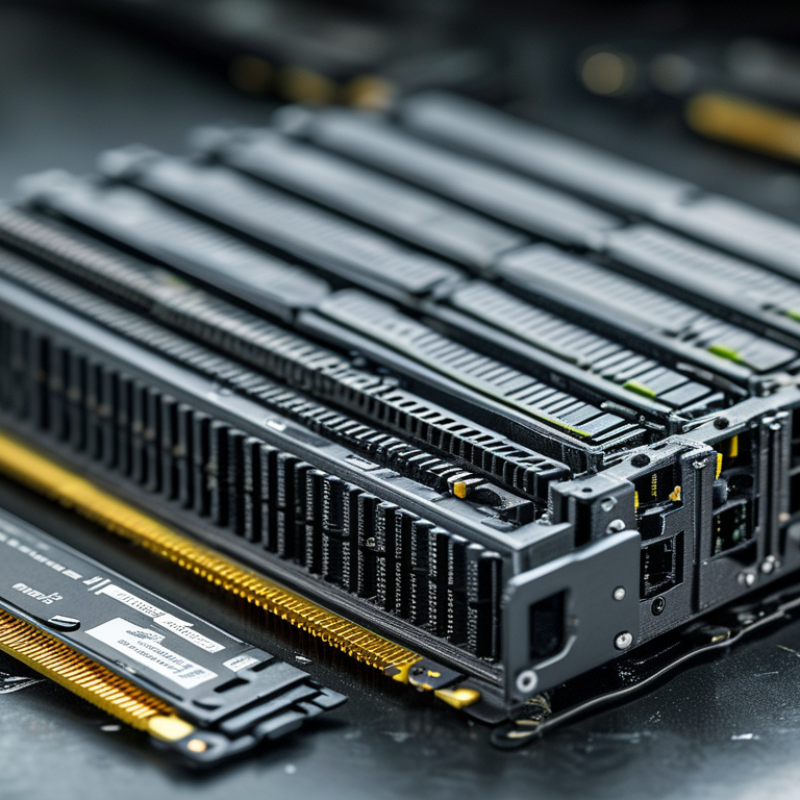
How to Choose the Right QSFP56 Transceiver for Your Needs?

Overview of QSFP56 Transceivers and Their Importance

QSFP56 transceivers are critical components in modern data networks. They elevate bandwidth capabilities, making high-performance data transmission possible. This technology supports speeds up to 400 Gbps, enabling efficient handling of vast amounts of data across server farms and data centers.

Choosing the right QSFP56 transceiver can be challenging, requiring careful consideration. Factors such as distance and compatibility with network equipment play significant roles. A transceiver designed for short-range connectivity may not perform well in long-distance applications. Users often overlook these details, leading to underperformance or connection issues.

It's essential to evaluate specific requirements. For instance, the type of fiber optic cable used can affect the transceiver's effectiveness. Additionally, environmental conditions, like temperature and humidity, can also impact performance. Users should understand these nuances to avoid costly mistakes. Balancing technical specifications with real-world applications is crucial in selecting the appropriate transceiver.

Key Specifications to Consider When Selecting a QSFP56 Transceiver

When selecting a QSFP56 transceiver, it's crucial to consider key specifications for optimal performance. Look at data rates. QSFP56 supports up to 400 Gbps, suitable for high-speed applications. Choose a transceiver that matches your network’s demands. Evaluate the form factor as well. Ensure it fits your equipment and meets your space constraints.

Distance is another significant factor. QSFP56 transceivers come in various reach options. Short-range transceivers work well for within-rack connections. However, for longer distances, consider multi-mode or single-mode options to maintain signal integrity. Don't overlook compatibility with your existing infrastructure; check for interoperability.

Tips: Always consult the technical specifications before purchasing. The wrong choice can lead to underperformance. Testing your selected transceiver in your setup is recommended. Sometimes, manufacturers provide return policies, enabling you to experiment with different models. Reflect on your future needs as well. Scale-up options can save costs later.

Understanding Compatibility and Application Scenarios for QSFP56

When selecting a QSFP56 transceiver, understanding compatibility is key. Different data center applications demand specific features. Factors such as speed, distance, and connector type play significant roles. A QSFP56 transceiver can support up to 400 Gbps, ideal for high-performance networking needs. However, not every application requires this high capacity. An analysis of your specific use case will help narrow down choices.

Tips: Always check the transceiver specifications. Some may not support the distances you require. Compatibility with your existing network equipment is vital.

Application scenarios vary widely. For short-range connections, consider transceivers with multimode fibers. They are often cost-effective and efficient. On the other hand, for long-range links, single-mode transceivers are better suited. Reflect on your current and future needs, as upgrading can incur hidden costs.

Tips: Evaluate your network growth plans. What works now may not suffice later. Document the requirements of each project to avoid missteps. Thoughtful selection ensures your network remains robust and adaptable.

Evaluating Performance Metrics for Effective QSFP56 Selection

When choosing a QSFP56 transceiver, performance metrics play a crucial role. The most significant specifications to consider include data rate, reach, and power consumption. QSFP56 supports a data rate of up to 200 Gbps over short-distance fiber. Evaluating these metrics helps determine suitability for specific applications.

Notably, the reach varies significantly between different transceivers. For instance, longer reach solutions can extend up to 500 meters on multimode fibers. However, the performance decreases as the distance increases. It's essential to balance distance with required speed, especially in high-density data centers.

Power consumption is another critical factor. Reports indicate that an energy-efficient QSFP56 can save up to 30% more power than earlier generations. This efficiency leads to lower operational costs and enhanced sustainability. While these metrics provide direction, real-world testing is vital. Issues like signal degradation may arise, requiring careful evaluation of environmental factors. Always keep in mind that what works in theory may not perform effectively in practice.

Cost Considerations and Budgeting for QSFP56 Transceivers

When budgeting for QSFP56 transceivers, it's crucial to consider both cost and performance. These transceivers are essential for data centers and high-speed networks. Prices can vary widely based on features and specifications. You may find lower-cost options, but they could lack critical functionalities. Always prioritize quality over just price.

Assess your specific needs before any purchase. Think about the network capacity you require. If your infrastructure is growing, investing in higher-quality transceivers makes sense. In contrast, if your needs are modest, a budget-friendly option might be sufficient.

Don’t overlook the total cost of ownership. Installation, maintenance, and potential future upgrades can impact your budget significantly. Sometimes, cheaper options may lead to higher long-term costs. Analyze the value each transceiver brings to your operation. A low initial price can be tempting, but it’s essential to reflect on long-term reliability and support.

FAQS

: What are QSFP56 transceivers?

: QSFP56 transceivers are essential components that enhance bandwidth in modern data networks, supporting speeds up to 400 Gbps.

How do I choose the right QSFP56 transceiver?

Consider distance compatibility and network equipment. Short-range transceivers may not work well for long distances.

Why is fiber optic cable type important?

The type of fiber optic cable can significantly affect the transceiver’s performance and overall data transmission effectiveness.

What performance metrics should I evaluate?

Key metrics include data rate, reach, and power consumption. These aspects help determine if a transceiver meets specific application needs.

How far can QSFP56 transceivers reach on multimode fibers?

Some can extend up to 500 meters, but performance decreases with distance. Balancing distance and speed is important.

How does power consumption factor into QSFP56 selection?

Energy-efficient options can save up to 30% more power, impacting long-term operational costs and sustainability.

What should I keep in mind about real-world testing?

Theoretical performance may not reflect practical results. Environmental factors like temperature can affect signal integrity.

How do costs vary for QSFP56 transceivers?

Prices can differ based on features. Cheaper options might lack essential functions, so prioritize quality over price.

What is total cost of ownership?

Consider installation, maintenance, and upgrades. Lower initial costs can lead to higher expenses in the long run.

What if my needs change in the future?

If your infrastructure grows, investing in higher-quality transceivers is wise. Otherwise, budget options may suffice for modest needs.

Conclusion

The article "How to Choose the Right QSFP56 Transceiver for Your Needs?" provides a comprehensive guide to selecting the appropriate QSFP56 transceiver by highlighting its significance in modern networking. It emphasizes key specifications such as data rate, power consumption, and distance, which are essential for ensuring compatibility with existing infrastructure and meeting specific application requirements. The piece also discusses the various performance metrics to evaluate, ensuring that users can make informed decisions based on their networking demands.

Additionally, the article addresses cost considerations, advising on effective budgeting strategies for acquiring QSFP56 transceivers. By understanding these factors, readers can navigate the market better and choose a transceiver that aligns with their technical requirements and financial constraints, ultimately enhancing their network's performance and efficiency.

Isabella

Isabella

Isabella is a dedicated marketing professional with a sharp focus on driving brand growth and engagement through strategic content creation. With an extensive background in digital marketing, she combines her passion for storytelling with her keen understanding of industry trends to deliver......