Fibronexa Fibronexa

How to Choose the Best SFP Transceiver for Your Network Needs?

Time:2026-06-30 Author:Mason
0%

Selecting the best SFP transceiver for your network can significantly impact performance. With various options available, it can be overwhelming to make the right choice. Understanding your specific needs is crucial. Different transceivers offer unique features. These may include varying data rates, distances, and connector types.

Consider the compatibility with existing equipment. Mismatched transceivers can lead to network issues. Quality is another important factor. A reliable SFP transceiver often ensures stable connections. This affects overall network efficiency.

Budget constraints also play a role in decision-making. Expensive doesn't always mean better performance. Sometimes, less-known brands provide great value. Reflect on your network's present and future demands. Make informed decisions for long-term success.
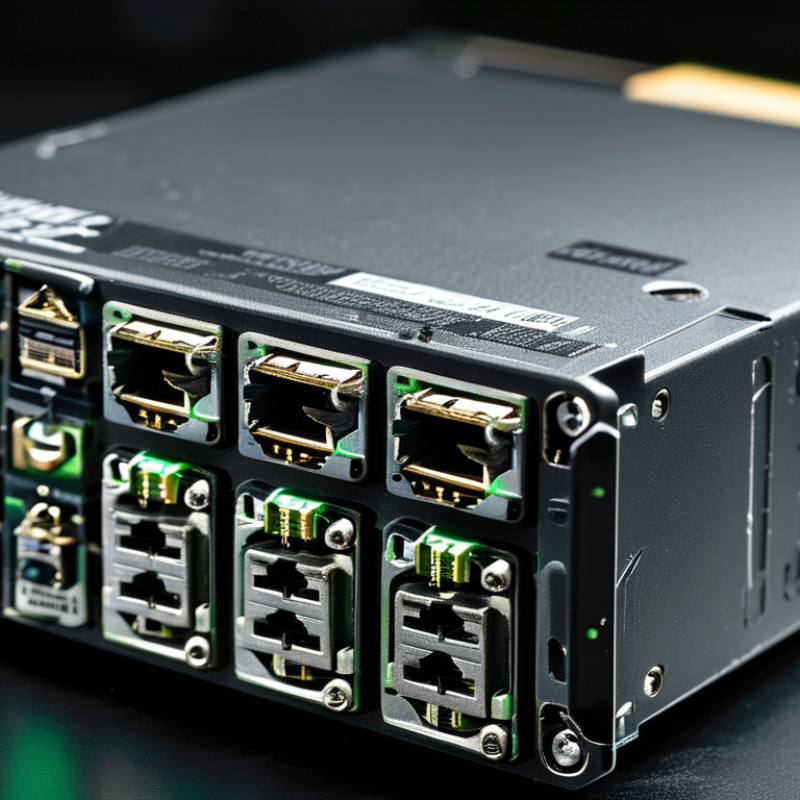
How to Choose the Best SFP Transceiver for Your Network Needs?

Understanding SFP Transceivers and Their Role in Networking

SFP transceivers play a crucial role in modern networking. They are small, hot-pluggable modules that provide connectivity for various network devices. By allowing devices to communicate over optical fiber or copper cabling, SFP transceivers ensure data transfer is efficient and reliable. Understanding their types and specifications is important for optimizing your network performance.

Choosing the right SFP transceiver can be challenging. You need to consider factors like distance, bandwidth, and compatibility with network hardware. Each network environment has unique requirements. A thorough assessment of these needs is essential before making a decision. It’s also important to test compatibility during implementation. Sometimes, what appears ideal on paper might not perform as expected in real-world conditions.

The selection process can lead to unease. Many users may confuse different transceiver standards. This confusion can cause issues like signal loss or reduced performance. Always review your choices and consider potential upgrades in the future. Reflecting on past decisions can pave the way for better choices ahead.

Key Factors to Consider When Selecting an SFP Transceiver

Choosing the right SFP transceiver for your network is crucial. There are several factors to consider. The first is compatibility. Ensure the transceiver works seamlessly with your networking equipment. Check the specifications carefully. Many devices may not support all types of SFP transceivers.

Another key factor is the transmission distance. Different SFPs offer varying ranges. Some are designed for short distances, while others can transmit signals over long distances. Assess your network layout. This will help you choose a transceiver that meets your needs effectively.

Tips: Be mindful of the installation environment. Dust and temperature can impact performance. Regularly inspect connections to maintain optimal function.

Lastly, think about your bandwidth needs. Each transceiver type has a specified data rate. Select one that supports your network traffic demands. Sometimes, users realize too late that their chosen transceiver doesn't handle the required data speeds. Planning ahead can save you from future headaches.

How to Choose the Best SFP Transceiver for Your Network Needs? - Key Factors to Consider When Selecting an SFP Transceiver

Factor Description Example Values
Data Rate The maximum speed of data transmission supported by the SFP transceiver. 1 Gbps, 10 Gbps, 25 Gbps
Distance The maximum distance the SFP can effectively transmit signals. Up to 500m, 2km, 40km
Wavelength The wavelength of the light used for transmission. 850nm, 1310nm, 1550nm
Connector Type The type of connector used for the SFP transceiver. LC, SC, MPO
Compatibility Ensures the SFP transceiver works with specific network equipment. Cisco, Juniper, Brocade
Temperature Range The operational temperature limits for the SFP. 0°C to 70°C, -40°C to 85°C

Comparing Different Types of SFP Transceivers: A Detailed Analysis

When selecting an SFP transceiver, understanding the options is crucial. Different types of SFP transceivers serve varying purposes. There are short-range versions, which are ideal for close connections, often within a building. Then, there are long-range transceivers designed for longer distances, suitable for connecting different locations. Each type has its strengths and limitations.

Another aspect to consider is the connector type. Some transceivers connect via LC connectors, while others may use SC connectors. Compatibility matters greatly. It’s not just about choosing a faster option; it’s also about ensuring it fits your existing infrastructure. Often, engineers overlook details like these. This can lead to mismatched systems, resulting in frustrating downtime.

Moreover, power consumption is an essential factor. Transceivers that use less power can contribute to overall energy savings. However, they may not always deliver optimal performance. As you weigh options, consider your network needs. Balancing performance with efficiency can be tricky. Reflect on what combination works best for you and your team.

Compatibility and Performance: Ensuring Optimal Network Integration

When selecting an SFP transceiver for your network, compatibility is key. Each transceiver must work seamlessly with your existing hardware. Not all SFPs are created equal. Different manufacturers may have varying standards. This can lead to integration issues. Ensuring compatibility will save time and resources in the long run.

Performance is another critical factor. Consider the required distance and bandwidth for your network. Not every transceiver will meet your specific needs. Some may underperform, causing latency and connectivity problems. It’s vital to analyze data sheets. Understanding specifications can prevent costly mistakes.

Don’t overlook the environment where the transceiver will operate. Temperature and humidity levels can affect performance. A transceiver that works well in one environment may fail in another. Reflection on your network's unique conditions is essential. Make informed choices based on thorough research and testing. This approach creates a robust, reliable network that can adapt and scale with your needs.

Budget and Quality: Balancing Cost with Performance in SFP Choices

Budget considerations play a crucial role in choosing SFP transceivers. According to a recent industry report, nearly 70% of IT managers prioritize cost-effectiveness. However, this focus on budget can lead to compromises on performance. Selecting a low-cost transceiver might save money initially, yet could incur higher long-term costs due to poor reliability. A research study indicated that 55% of companies experienced increased downtime when using lower-quality equipment.

Balancing cost and performance is essential. High-quality transceivers can enhance data transfer rates and connection stability. Reports show that businesses using quality SFPs enjoy 30% fewer connections drops and improved network efficiency. While premium options may seem expensive, they often lead to fewer issues and reduced maintenance expenses. Finding a reliable product is paramount. Mixing budget constraints with performance needs is challenging. Ultimately, understanding the trade-offs between cost and quality is vital for making an informed decision.

Performance vs Cost of SFP Transceivers

FAQS

: What should I consider for compatibility when choosing an SFP transceiver?

: Ensure the transceiver is compatible with your networking equipment. Check specifications carefully, as some devices support limited SFP types.

How does the transmission distance affect my choice of SFP transceiver?

Different SFP transceivers offer varying transmission distances. Choose one that suits your network layout, whether short or long distances.

Why is the installation environment important for SFP performance?

Dust and temperature can impact SFP performance. Regular inspection of connections is essential for optimal functionality.

What bandwidth considerations should I have when selecting an SFP transceiver?

Each transceiver has a specified data rate. Select one that meets your network traffic demands to avoid future connectivity issues.

How do different types of SFP transceivers impact my network?

Short-range transceivers are suitable for close connections, while long-range transceivers connect different locations. Choose based on your needs.

What connector types should I consider when selecting an SFP transceiver?

Commonly used connectors are LC and SC. Compatibility with your existing infrastructure is crucial to prevent mismatched systems.

Why is power consumption a factor when choosing an SFP transceiver?

Transceivers with lower power usage can save energy. However, they may not always deliver optimal performance, so consider your network needs.

What mistakes can happen if compatibility is overlooked?

Neglecting compatibility can lead to integration issues and frustrating downtime. Always ensure the SFP works with your hardware.

What environmental factors may affect an SFP transceiver?

Temperature and humidity levels can impact performance. Assess these conditions to ensure reliable operation of your transceiver.

How can thorough research benefit my SFP transceiver selection?

Research helps in understanding specifications and environments. This leads to informed choices, creating a robust network that meets your needs.

Conclusion

When choosing the best SFP transceiver for your network needs, it is essential to understand their fundamental role in facilitating high-speed data transmission. SFP transceivers come in various types, each designed for specific applications, making careful selection critical. Key factors to consider include data rate, distance, and the type of media used, which directly impact the transceiver's performance.

Moreover, compatibility with existing network infrastructure ensures seamless integration, minimizing potential disruptions. Balancing budget and quality is also crucial; investing in high-performance SFP transceivers can enhance overall network efficiency while avoiding future costs associated with inferior products. By evaluating these aspects comprehensively, you can make informed decisions that meet your network's requirements effectively.

Mason

Mason

Mason is a seasoned marketing professional with a deep expertise in the company's offerings and a passion for driving brand awareness. With a strong background in digital marketing strategies, he has an innate ability to connect with diverse audiences and effectively communicate product benefits.......