Fibronexa Fibronexa

How to Choose the Best 100G Optical Transceiver for Your Needs?

Time:2026-07-27 Author:Charlotte
0%

In today's rapidly evolving digital landscape, choosing the right 100G optical transceiver is paramount for enhancing network performance. These devices play a crucial role in data centers and telecommunications. The right transceiver can significantly impact speed, bandwidth, and overall efficiency. However, with the wide range available, making a decision can be daunting.

To select the best 100G optical transceiver, one must consider specific needs and applications. Factors like distance, compatibility, and form factor must be assessed. Knowing the technical specifications can help avoid costly mistakes. Moreover, it’s essential to rely on reputable manufacturers. They provide reliable products backed by solid support.

Understanding your network environment is also key. For example, high-speed applications might require more advanced features. Think about future scalability too. As demands change, your choice should accommodate growth. This process may seem complex, yet careful reflection can lead to a satisfactory decision. The right choice can empower your network to thrive in a competitive landscape.
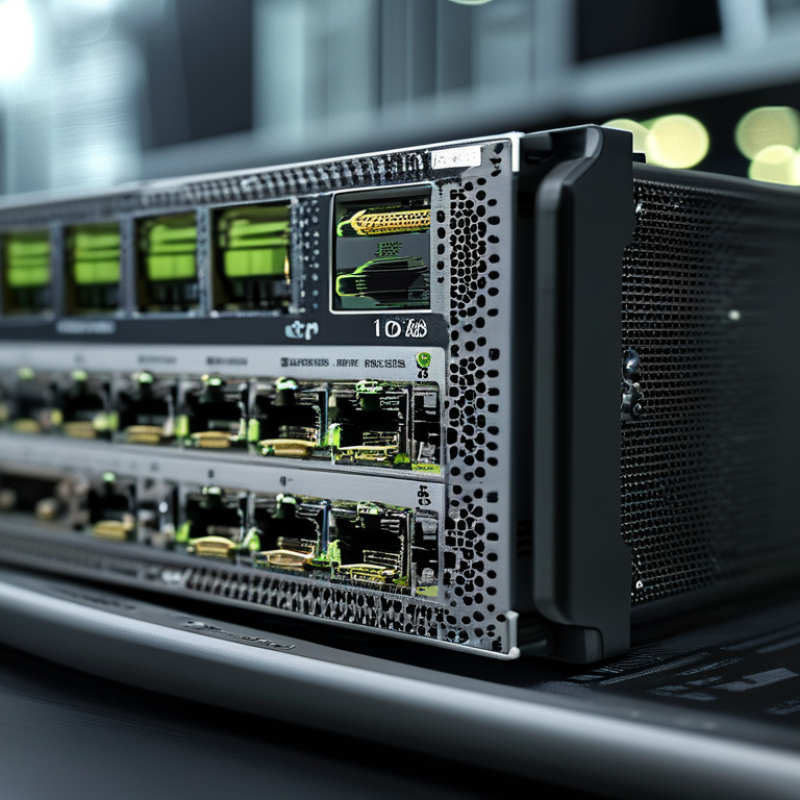
How to Choose the Best 100G Optical Transceiver for Your Needs?

Understanding the Basics of 100G Optical Transceivers

Choosing the right 100G optical transceiver requires an understanding of several key concepts. These transceivers are vital for high-speed data transmission. They support applications in data centers and telecom networks. In 2022, the global market for optical transceivers reached approximately $3 billion, reflecting a growing demand for high bandwidth connections.

When considering optical transceivers, it's essential to differentiate between types. There are various form factors, such as SFP28 and QSFP28. Each serves unique needs in connectivity and bandwidth. The QSFP28 offers four lanes of data at 25G, aggregating to an impressive 100G total. This efficiency makes it popular in high-performance settings. According to recent industry reports, around 70% of organizations favor QSFP28 for their data center upgrades.

Speed and distance are critical factors too. Many transceivers can reach up to 100 kilometers, a crucial range for long-distance connections. However, they often come with trade-offs. For example, higher speeds can lead to increased heat generation. Overheating may cause performance drops. Additionally, reliable optical transceivers are essential for minimizing downtime and maintaining data integrity. The wrong choice can lead to significant operational challenges, making it vital to evaluate both performance and reliability closely.

Key Factors to Consider When Choosing a 100G Optical Transceiver

When selecting a 100G optical transceiver, it’s essential to consider several key factors. One of the most important aspects is the transmission distance. Different transceivers support varying ranges, from short-range to long-range capabilities. Understanding your network requirement will guide your choice effectively.

Additionally, consider the type of connectors you need. The compatibility of connectors can greatly affect performance and user experience.

Another critical factor is the power consumption. Higher power usage can lead to increased operational costs, impacting overall efficiency. Look for transceivers that offer a balance between performance and energy efficiency. This is especially relevant in large installations where many units are deployed.

Compatibility with existing infrastructure is also crucial. Your network hardware should seamlessly integrate with the new transceiver to ensure optimal performance. Take time to review technical specifications. Users often overlook this step, leading to challenges after deployment. Assessing quality reviews and user experiences can provide helpful insights. Each of these factors should align with your specific needs to ensure reliable network performance.

Comparing Different Types of 100G Optical Transceivers Available

When selecting a 100G optical transceiver, understanding the different types is essential. The main types include QSFP28, SFP28, and CFP2. Each type serves unique applications and has different characteristics. QSFP28 is popular for data centers, offering a compact design and high performance.

The SFP28 is smaller and often used for shorter distances in enterprise networks. It is ideal for environments where space is limited. On the other hand, CFP2 supports longer range transmission, making it suitable for telecom applications. However, its size can be a downside in applications where space is critical.

Regardless of the type, compatibility with existing network equipment is vital. Evaluating required distance, bandwidth, and environmental conditions can help avoid costly mistakes. Mismatched components can lead to signal degradation. Always consider future scalability. The right choice today should align with potential growth.

Evaluating Compatibility with Existing Network Infrastructure

Choosing the right 100G optical transceiver requires a careful evaluation of your existing network infrastructure. Compatibility plays a vital role in ensuring seamless integration and optimal performance. Before making a decision, assess your current hardware and network specifications to avoid potential mismatches that could hinder performance.

Tips: Always check the interface standards of transceivers. They must align with your existing switches and routers. Additionally, consider the transmission distance and medium used in your network. A transceiver’s ability to handle your specific requirements is key to maintaining efficiency.

Evaluating compatibility is not always straightforward. In some cases, older systems might struggle with new transceivers, leading to frustration. Ensure to consult detailed documentation of your devices. Many companies provide compatibility lists but still require a close examination from your side. Testing different configurations might also shed light on unforeseen issues.

Tips: Regularly update your system’s firmware. This helps maintain compatibility as newer transceivers are introduced. Additionally, consider seeking expert advice when in doubt. A fresh perspective can provide insights you may overlook.

Assessing Cost-Effectiveness and Future Scalability Options

Choosing the right 100G optical transceiver involves assessing cost-effectiveness and future scalability. The initial investment can be substantial. However, it pays off in operational efficiency and longevity. Selecting a transceiver should consider both current needs and future expansions.

Optical transceivers vary in prices and features. Evaluate the total cost of ownership, including maintenance and energy consumption. This evaluation helps identify the best option for long-term use. Future scalability is crucial. Consider whether the transceiver can support higher speeds or more connections.

**Tips**: Always check the compatibility with your existing systems. Monitor industry trends for emerging technologies. This foresight can guide future upgrades efficiently. Don't shy away from seeking expert guidance. It can provide insights you may overlook. Remember, the cheapest option may not always be the most effective in the long run. Your network's health depends on wise choices made today.

How to Choose the Best 100G Optical Transceiver for Your Needs?

Parameter Value/Details
Transmission Distance Up to 80 km (using DWDM)
Wavelength 1310 nm / 1550 nm
Compatibility with Existing Infrastructure Supports both legacy and modern systems
Form Factor SFP28, QSFP28
Power Consumption Less than 3.5W
Average Cost $700 - $1200
Future Scalability Options Supports 400G upgrade with upgradeable optics
Availability of Support 24/7 technical support available

FAQS

: What is the importance of transmission distance in choosing a 100G optical transceiver?

: Transmission distance affects network performance. Different transceivers support varying ranges. Understand your needs before selecting one.

How does power consumption impact the selection of a transceiver?

Higher power usage increases operational costs. Look for a balance between performance and energy efficiency, especially in large setups.

Why is compatibility with existing infrastructure crucial?

Seamless integration is essential for optimal performance. Misalignment can cause issues and hinder system efficiency.

What should I check regarding connectors during selection?

Ensure connector types are compatible with your needs. This can significantly affect overall performance and user experience.

How can I assess the total cost of ownership of a transceiver?

Consider purchase price, maintenance, and energy costs. Evaluate all these factors for a long-term investment perspective.

Why is evaluating user experiences important?

User reviews offer practical insights. They help identify potential issues not covered in technical specs before making a purchase.

What should I do if compatibility issues arise with new transceivers?

Consult detailed device documentation. Consider testing configurations to uncover unforeseen problems before deployment.

How often should I update my system’s firmware?

Regular updates ensure compatibility with newer transceivers. This helps maintain network efficiency over time.

What role does future scalability play in choosing a transceiver?

Consider if the transceiver can handle higher speeds or more connections. This foresight supports future network expansions effectively.

Should I always choose the cheapest transceiver option?

Not necessarily. The cheapest option may lead to future issues. Wise choices today will benefit your network’s health long-term.

Conclusion

In the pursuit of optimizing network performance, choosing the right 100G optical transceiver is crucial. Understanding the basics of these devices is the first step, as they play a pivotal role in high-speed data transmission. Key factors to consider include the transceiver's compatibility with existing network infrastructure, which ensures seamless integration and efficiency.

Additionally, evaluating the various types of 100G optical transceivers available can help in making an informed decision that aligns with specific operational needs. Cost-effectiveness and future scalability options also play an essential role in the selection process, as they determine the long-term value and adaptability of the optical transceiver in a rapidly evolving technological landscape. Making a thoughtful choice in this regard not only enhances current performance but also lays the groundwork for future advancements in network capabilities.

Charlotte

Charlotte

Charlotte is a seasoned marketing professional with a deep understanding of the company's portfolio and a passion for elevating its presence in the market. With a keen eye for detail and a commitment to excellence, she ensures that our professional blog is regularly updated with insightful articles......