 Fibronexa
Fibronexa
Fibronexa
In the rapidly evolving realm of telecommunications, the choice of a 200G optical transceiver holds immense importance. Industry expert Dr. Emily Chen emphasizes, “Selecting the right optical transceiver can significantly enhance network efficiency.” As data traffic continues to surge, understanding various options becomes crucial. This decision affects overall performance and system costs.
When choosing a 200G optical transceiver, several factors come into play. These include compatibility, transmission distance, and power consumption. Often, engineers face challenges in balancing these aspects. Each detail can make a noteworthy impact on network sustainability and reliability. Additionally, the market is rife with choices. Sifting through specifications requires a keen eye and thorough research.
It's essential to recognize that not all transceivers are built the same. Missteps in selection can lead to underperforming networks. Testing and validation are necessary for optimal results. Real-world conditions often reveal weaknesses in planning or equipment choice. Thus, understanding the finer points of 200G optical transceivers ensures strategic advantages in a competitive sector.
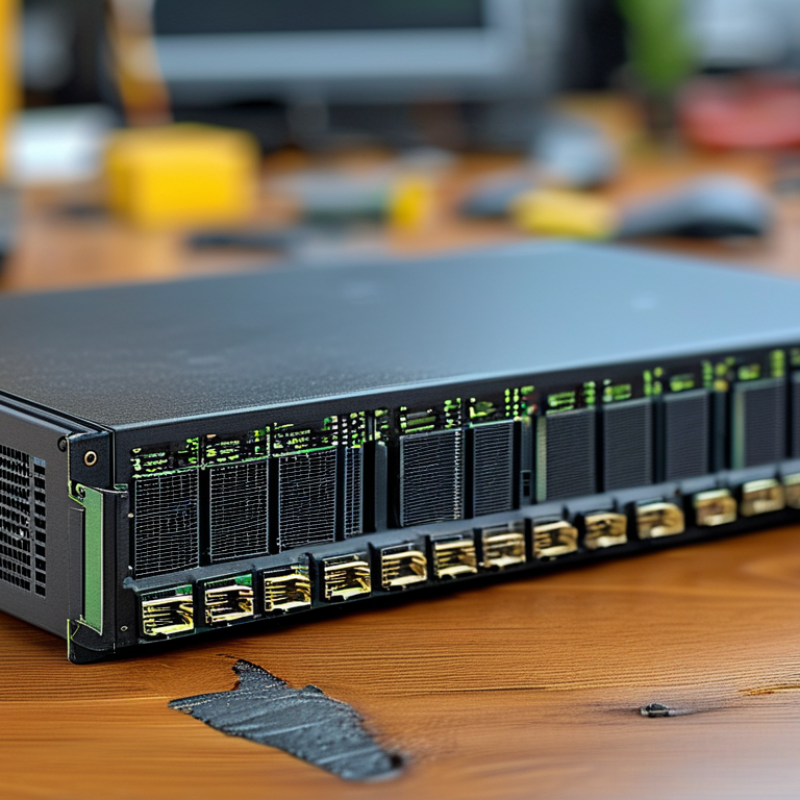
When it comes to selecting the best 200G optical transceiver, understanding key specifications is vital. You should look at factors like transmission distance, power consumption, and compatibility with different systems. Each specification significantly impacts performance. For example, a shorter transmission distance might mean less power use but can limit network layout options.
Optical transceivers come in various formats, like QSFP and OSFP. Each format has its benefits. QSFP offers compact designs, while OSFP provides better heat dissipation. Additionally, checking the optical module's wavelength is essential. Different wavelengths can affect signal quality and distance. Not all transceivers work seamlessly with every network setup.
Reflecting on your specific needs is critical. Consider future scalability. Will your network grow? Assessing potential upgrades is important for a wise investment. Ultimately, choosing a 200G transceiver is not just about specs. It’s about aligning those specs with your operational needs. Each decision can shape your network’s efficiency and reliability in the long run.
| Specification | Description | Value/Option |
|---|---|---|
| Transmission Distance | Maximum reach for optimal signal integrity | Up to 80km |
| Connector Type | Types of connectors available for compatibility | LC, MPO |
| Wavelength | Operating wavelength for effective transmission | 850nm, 1310nm, 1550nm |
| Form Factor | Physical design of the transceiver module | QSFP28, CFP2 |
| Power Consumption | Amount of power the module uses during operation | < 5W |
| Supported Protocols | Networking protocols that the transceiver supports | Ethernet, OTU4 |
| Temperature Range | Operational temperature scope | -40°C to 85°C |
| Compatibility | Compatibility with various network devices | Multivendor |
: Consider transmission distance, power consumption, and system compatibility. Each factor affects overall performance significantly.
A shorter transmission distance may reduce power consumption but limit network layout options. Balance is essential.
Different wavelengths can affect signal quality and transmission distance. Not all transceivers are compatible with every network.
High bandwidth is crucial for high-traffic applications. Choose transceivers that offer flexibility to handle changing demands.
High latency can negatively affect performance. Seek transceivers designed for low-latency applications for better user satisfaction.
Power consumption affects operational costs. Look for energy-efficient designs that minimize usage without sacrificing performance.
Ensure the transceiver complies with standards like IEEE 802.3bs or OTN protocols for seamless interoperability.
Testing with various devices helps identify potential compatibility issues. Gather insights from peers to inform your decision.
Users often overlook standard adherence. Mismatched components can lead to reduced performance and connection failures.
Assessing future network growth can influence your investment. Align specs with potential upgrades for better overall efficiency.
Choosing the best 200G optical transceiver involves understanding key specifications and performance metrics. It's essential to evaluate factors such as bandwidth, latency, and power consumption, which significantly impact overall network efficiency. Additionally, different types of 200G optical transceivers—including SR, LR, and ER—offer various advantages depending on your specific networking requirements.
Compatibility and adherence to industry standards are crucial to ensure seamless interoperability across diverse networks. Finally, cost considerations play a vital role in balancing performance and budget, enabling you to select the most suitable 200G optical transceiver for your project. By assessing these critical elements, you can make an informed decision that meets both your technical needs and financial constraints.
